(ROCHESTER, NEW YORK) Federal immigration agents retreated from a tense standoff in the Park Avenue area after a CBP vehicle’s tires were slashed during an immigration raid on a residential job site, highlighting fresh friction between federal enforcement and local policy in Rochester NY.
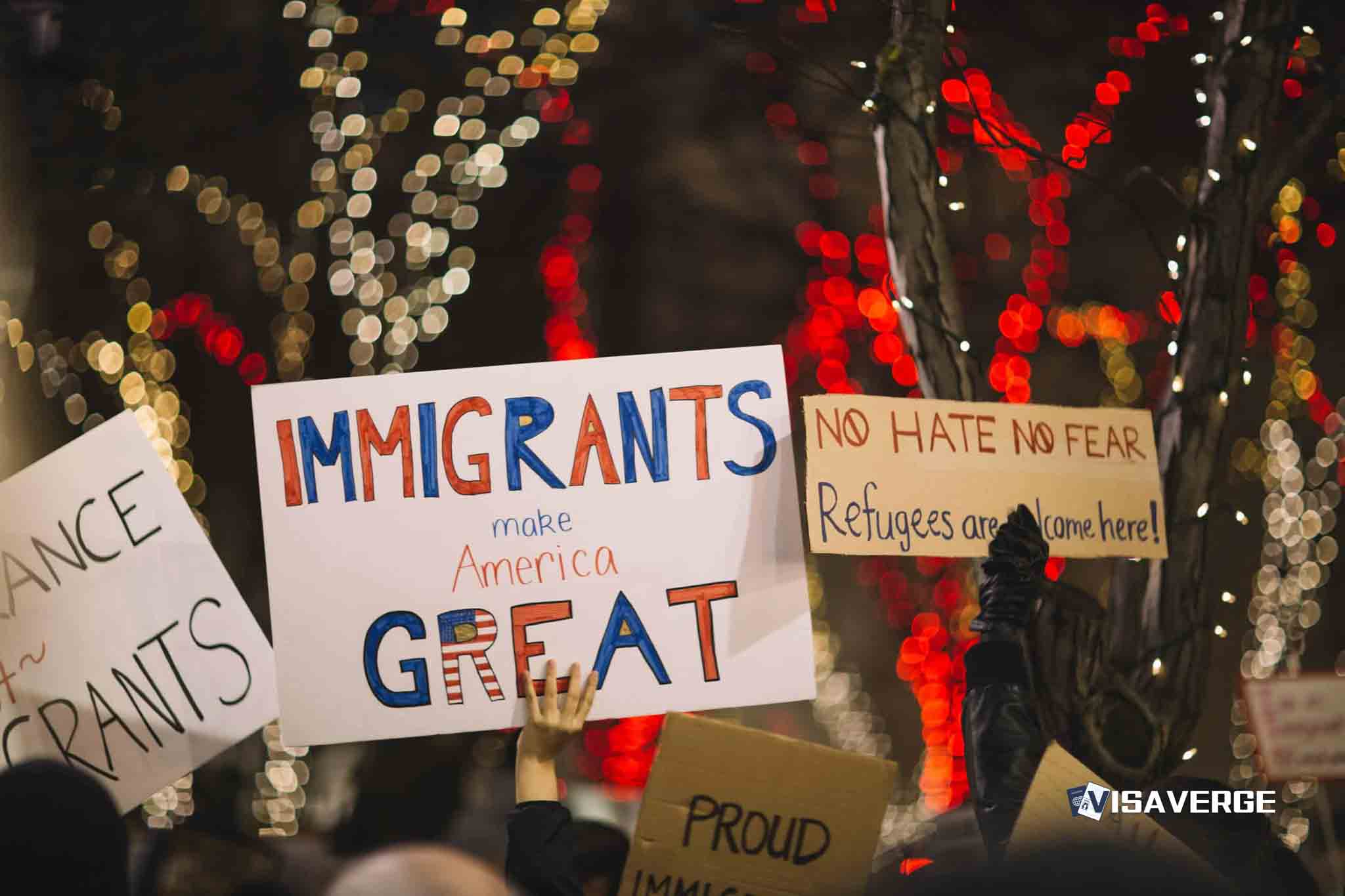
The Tuesday operation targeted suspected undocumented roofers; one worker was detained, but others stayed on a rooftop, prompting a four-hour confrontation that drew over 100 protesters. Agents withdrew and later towed the disabled vehicle, ending further detentions that day.
Context: Sanctuary policy and local-federal tension
The clash unfolded just days after the Rochester City Council unanimously codified the city’s sanctuary policy, reaffirming limits on local cooperation with federal immigration enforcement unless required by a court order. City leaders framed the move as a public safety measure meant to maintain trust between residents and local services.
Federal officials argue sanctuary rules “harbor criminals” and undermine national enforcement goals. The latest raid came amid a broader, stepped-up push by the Trump administration targeting sanctuary jurisdictions nationwide.
Federal operations intensify under new mandates
- The administration’s enforcement drive has expanded to Chicago, Massachusetts, Los Angeles, Sacramento, and upstate New York in recent months.
- On April 28, 2025, President Trump signed Executive Order 14287, “Protecting American Communities from Criminal Aliens,” directing expanded action against sanctuary jurisdictions and prioritizing removal of undocumented immigrants with criminal records.
- DHS, ICE, and CBP leaders say operations focus on “the worst of the worst criminal illegal aliens.” Border Czar Tom Homan and ICE Assistant Secretary Tricia McLaughlin defended the approach as necessary to protect public safety.
Local officials and community advocates counter that field operations often sweep up non-criminal residents and fracture neighborhoods. In Rochester, witnesses described a rapidly escalating scene: chanting crowds surrounded agents, advocacy groups stepped in to mediate, and tensions rose as workers refused to climb down from the roof.
The Western New York Coalition of Farmworker Serving Agencies helped calm the situation, pointing to their long-standing work defending immigrant rights and dignity during enforcement actions.
The Supreme Court recently issued a decision cited by federal officials as broadening authority in immigration enforcement, including controversial practices such as racial profiling during raids.
Legal experts say the ruling and the executive order together set up new conflicts between Washington and cities that have pledged non-cooperation. Municipal leaders — including Boston Mayor Michelle Wu and Rochester officials — have vowed to fight perceived federal overreach in court and keep local police from assisting in raids except when a judge orders it.
What happened on Park Avenue — operational details
- Agents executed an operation targeting suspected undocumented roofers at a residential job site.
- One person was detained; others stayed on the rooftop for hours.
- A CBP vehicle’s tires were slashed, prompting agents to withdraw and later tow the disabled vehicle.
- The confrontation lasted roughly four hours and attracted over 100 protesters.
Federal agencies did not confirm whether they will return or seek additional warrants. The incident is likely to be used by both sides: federal leaders as evidence that sanctuary policies encourage resistance to lawful orders, and local officials as proof that aggressive operations can inflame tensions and endanger residents and agents.
Broader effects and similar trends
According to analysis by VisaVerge.com, standoffs have surged in cities that strengthened non-cooperation rules, sometimes ending with incomplete operations when public protests grow. Advocates in Rochester report that rapid-response networks are expanding to meet the moment:
- Volunteers assemble quickly when an immigration raid is reported.
- Legal hotlines try to reach families before anyone is moved far from home.
- Networks aim to ensure people can speak to counsel, verify documents, and avoid unnecessary harm during chaotic scenes.
These networks do not impede lawful warrants but attempt to protect legal rights and safety during enforcement actions.
Legal and policy implications
- The Rochester City Council’s move to formalize sanctuary statutes (rather than relying on memos) makes court fights more likely.
- Attorneys expect immediate litigation over whether federal demands can override local limits on resources and police involvement.
- Legal groups anticipate challenges alleging violations of equal protection or Fourth Amendment rights during workplace and home raids.
Federal officials insist they target individuals with criminal convictions and say sanctuary policies complicate removals by limiting coordination (e.g., jail detainers and information sharing). Local leaders counter that blanket cooperation can violate due process and invite profiling. They note many sanctuary rules still allow cooperation when a judge signs a warrant.
Practical advice for residents
For residents worried about future actions, practical steps include:
- Know your rights during federal encounters.
- Keep key phone numbers handy (legal hotlines, advocacy groups, attorneys).
- If agents arrive, ask to see a judicial warrant — a document signed by a judge — before opening a door.
- Understand that administrative immigration documents alone usually do not authorize entry without consent.
Community groups in Rochester are distributing wallet cards in Spanish and English to help workers make informed choices during stressful moments.
Potential changes to federal tactics
One immediate question is whether the tire-slashing and retreat will change federal tactics. Past practice suggests possible adjustments:
- More early-morning operations
- Larger teams
- Tighter perimeters around job sites
Civil liberties groups warn those steps risk escalation. Business owners worry about work stoppages and safety concerns when raids occur on open job sites.
Resources and contacts
Only one government resource link is provided here for official reference. Readers can consult U.S. Immigration and Customs Enforcement – Enforcement and Removal Operations for background on priorities and processes:
For media and policy contacts:
- ICE Public Affairs: 1-888-351-4024
- DHS Office of Public Affairs: 202-282-8010
Community members seeking local legislative updates can contact the Rochester City Council. Advocacy groups say they will continue to observe operations, document arrests, and support families affected by raids in sanctuary city jurisdictions.
Final note — stakes and outlook
Rochester’s experience is part of a national test of federal power versus local control. As the United States moves deeper into 2025, more executive actions and lawsuits are expected. Cities are preparing expanded legal defense funds, while federal agencies plan broader sweeps in identified hot spots.
The stakes are personal for families deciding whether to send children to school, go to a clinic, or show up at a job site after an immigration raid hits close to home. Officials urge the public to avoid confrontation and report emergencies through local channels, while advocacy organizations continue to prepare rapid-response supports for affected communities.
This Article in a Nutshell
Federal immigration agents retreated from a four-hour standoff in Rochester after a CBP vehicle’s tires were slashed during a raid on suspected undocumented roofers. One worker was detained while others remained on a rooftop as more than 100 protesters gathered. The incident followed the Rochester City Council’s unanimous codification of a sanctuary policy limiting local cooperation with federal immigration authorities except under judicial order. The clash reflects heightened national tensions after Executive Order 14287 (April 28, 2025) directing expanded enforcement in sanctuary jurisdictions. Local advocates insist raids often affect non-criminal residents and erode community trust; legal experts expect litigation over municipal sanctuary statutes. Community groups provided mediation and legal support, and residents are urged to know their rights, keep legal contacts handy, and request judicial warrants before consenting to entry. The episode signals possible federal tactic shifts and continued legal and civic conflict into 2025.