Spanish
Official VisaVerge Logo Official VisaVerge Logo
  • Home
  • Airlines
  • H1B
  • Immigration
    • Knowledge
    • Questions
    • Documentation
  • News
  • Visa
    • Canada
    • F1Visa
    • Passport
    • Green Card
    • H1B
    • OPT
    • PERM
    • Travel
    • Travel Requirements
    • Visa Requirements
  • USCIS
  • Questions
    • Australia Immigration
    • Green Card
    • H1B
    • Immigration
    • Passport
    • PERM
    • UK Immigration
    • USCIS
    • Legal
    • India
    • NRI
  • Guides
    • Taxes
    • Legal
  • Tools
    • H-1B Maxout Calculator Online
    • REAL ID Requirements Checker tool
    • ROTH IRA Calculator Online
    • TSA Acceptable ID Checker Online Tool
    • H-1B Registration Checklist
    • Schengen Short-Stay Visa Calculator
    • H-1B Cost Calculator Online
    • USA Merit Based Points Calculator – Proposed
    • Canada Express Entry Points Calculator
    • New Zealand’s Skilled Migrant Points Calculator
    • Resources Hub
    • Visa Photo Requirements Checker Online
    • I-94 Expiration Calculator Online
    • CSPA Age-Out Calculator Online
    • OPT Timeline Calculator Online
    • B1/B2 Tourist Visa Stay Calculator online
  • Schengen
VisaVergeVisaVerge
Search
Follow US
  • Home
  • Airlines
  • H1B
  • Immigration
  • News
  • Visa
  • USCIS
  • Questions
  • Guides
  • Tools
  • Schengen
© 2025 VisaVerge Network. All Rights Reserved.
CHINA

Vietnam to Expand Unilateral Visa Waivers to Attract High-Quality Tourists

The Vietnamese government has directed ministries to expand visa waivers and simplify entry procedures to hit a 2026 target of 25 million foreign tourists. New specialized visa categories for skilled workers and high-value investors will debut in July 2026, alongside digital upgrades at border checkpoints. U.S. citizens currently remain under existing visa requirements while the policy expansion is finalized.

Last updated: January 21, 2026 2:16 pm
SHARE
Key Takeaways
→Vietnam aims to attract 25 million international visitors by 2026 through expanded visa waiver programs.
→New visa categories for highly skilled professionals and billionaires will launch in July 2026.
→The government is implementing AI and digital signatures to modernize immigration clearance at 83 border gates.

(VIETNAM) — Deputy Prime Minister Mai Văn Chính directed Vietnam’s security and foreign affairs ministries to develop proposals to expand the country’s unilateral visa waiver program as Vietnam pursues a national target of 25 million international visitors in 2026.

Mai Văn Chính, following a meeting of the State Steering Committee for Tourism, issued Notice No. 34/TB-VPCP on January 20, 2026, instructing the Ministry of Public Security and the Ministry of Foreign Affairs to “study and propose more open visa policies, with a focus on expanding unilateral visa exemptions for major and high-potential source markets.”
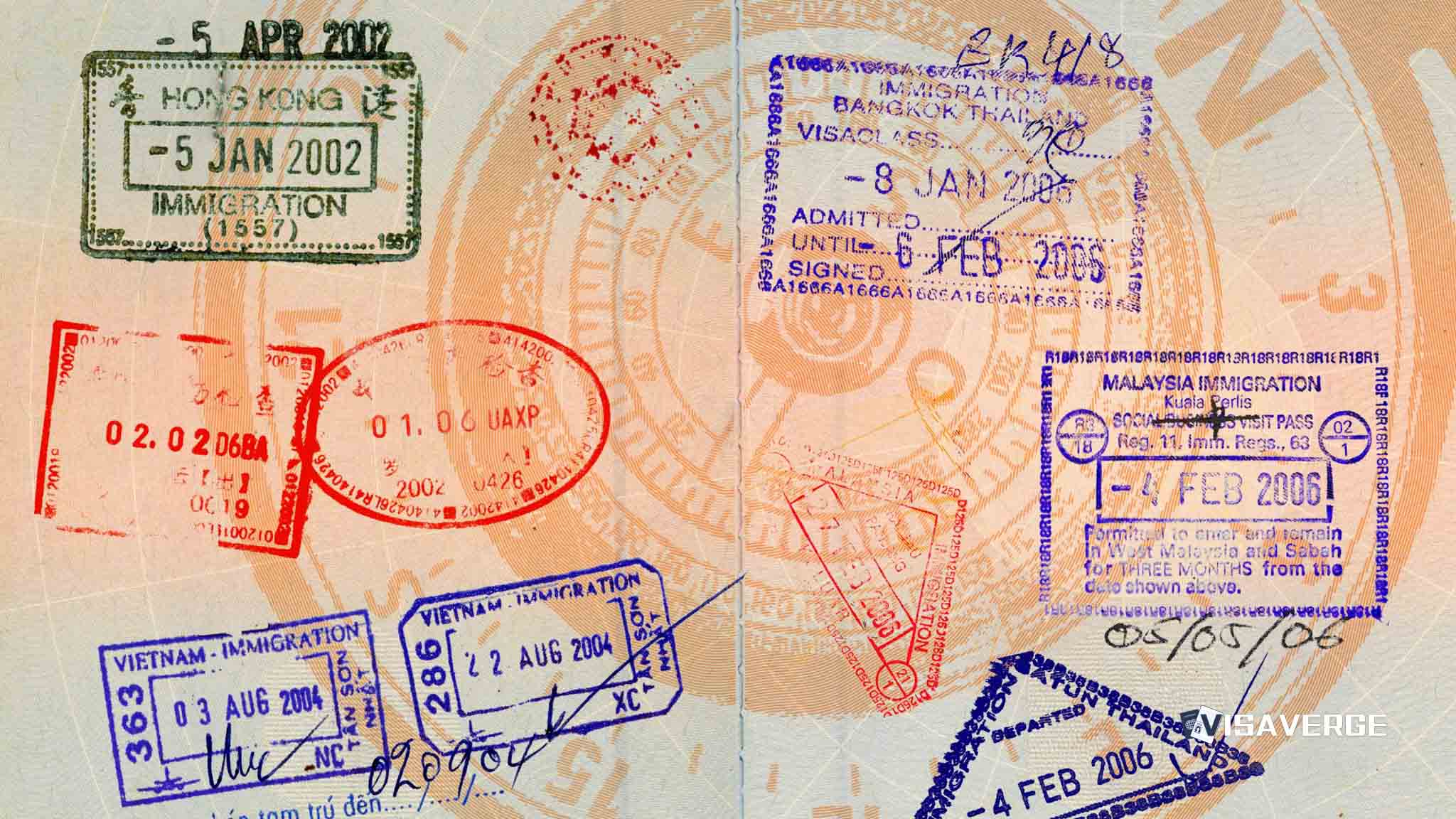
Vietnam to Expand Unilateral Visa Waivers to Attract High-Quality Tourists

Policy direction and tourism targets

The move signals a policy push toward attracting “high-quality” and “high-spending” travelers, with visa facilitation framed as a tool to support higher-value tourism segments such as business events, wellness, golf and longer-stay travel.

In a statement carried by Vietnam News on January 21, 2026, Mai Văn Chính linked visa policy to the government’s broader tourism target and the way ministries should approach the year ahead. “To achieve the target of welcoming 25 million international tourists. ministries, sectors, and localities need to thoroughly understand the spirit of: ‘High determination, decisive action, and tangible results’. shifting from a ‘recovery’ mindset to a ‘growth, competitiveness, and sustainable development’ mindset.”

Vietnam’s latest direction comes as the government tries to convert a post-pandemic rebound into a longer-term expansion plan, with tourism positioned as a “spearhead economic sector” in 2026, the first year of the 2026–2030 Five-Year Socio-Economic Development Plan.

Administrative tasks and entry procedures

→ Recommended Action
Confirm Vietnam entry rules again within a week of departure: airline check-in staff often follow the latest carrier bulletins. Keep your passport validity, intended entry point, and proof of onward travel aligned with the visa or waiver you plan to use.
Key official sources referenced for Vietnam entry policy and traveler guidance
  • 1Vietnam Government Office: Notice No. 34/TB-VPCP (issued Jan 20, 2026) — policy direction on more open visa measures and unilateral exemptions
  • 2National Assembly of Vietnam: Law No. 118/2025/QH15 (effective Jul 1, 2026) — establishes new visa categories referenced in this guide
  • 3Vietnam Immigration Department / official Vietnam e-visa portal — application rules, eligible nationalities, entry/exit points, and validity
  • 4U.S. Department of State: Vietnam Travel Advisory (updated Dec 16, 2025) — safety level and traveler guidance
  • 5U.S. Mission Vietnam (Embassy/Consulates): entry and visa requirement guidance for U.S. citizens
→ Sources
Use these official references for the most current visa rules, eligibility, and traveler guidance; policies and effective dates can change.

Within that strategy, the government tasked ministries to address “bottlenecks and inadequacies” that hinder tourism, including steps tied directly to entry procedures. The focus, as described in the policy direction, includes simplified electronic visa processes and increased stay durations as part of a wider effort to attract higher-spending visitors.

The government’s language matters for travelers and tour operators because it describes work to “study and propose” rather than an enacted rule that immediately changes who can enter visa-free. Vietnam has already used time-limited visa-free measures in recent years, and this initiative frames a potential expansion, rather than announcing a completed expansion with new eligibility lists.

Unilateral waivers and practical meaning for travelers

→ Note
Visa-free entry (when available) is not permission to work, volunteer, or conduct revenue-generating activities. If your trip includes paid speaking, hands-on consulting, or long business stays, confirm the correct visa category before travel to avoid refusal at entry.

For many travelers, the practical meaning of a unilateral waiver is straightforward: Vietnam chooses to grant visa-free entry to citizens of certain countries without requiring a reciprocal arrangement. That can reduce the paperwork burden for short trips and can make Vietnam more competitive against destinations offering easier entry.

Vietnam already has a unilateral visa-free policy window in place for a defined set of visitors, and officials have also highlighted electronic visa routes as a baseline option for many nationalities. Under Resolution No. 229/NQ-CP, Vietnam currently grants 45-day visa-free entry to citizens of 12 European countries, and that policy runs until August 14, 2028.

Arrival figures and operational capacity

Vietnam 2026 entry options — quick reference (policy snapshot)
Unilateral visa-free entry (tourism)
45-day stay for citizens of Belgium, Bulgaria, Croatia, Czech Republic, Hungary, Luxembourg, Netherlands, Poland, Romania, Slovakia, Slovenia, Switzerland — in effect through Aug 14, 2028
Active 45 days
New visa categories (Law No. 118/2025/QH15)
UĐ1 (highly skilled digital technology professionals/distinguished contributors) and UĐ2 (spouse and children under 18 of UĐ1) — effective Jul 1, 2026
UĐ1 / UĐ2 Effective Jul 1, 2026
Special Visa Exemption Cards (SVECs)
Up to 90 days per visit; total validity 5 years; targeted to high-profile investors and cultural figures
Up to 90 days 5-year validity
Common option for U.S. tourists (as of Jan 2026 context)
90-day multi-entry e-visa
E-visa 90 days
→ Policy snapshot
Options listed: visa-free (selected nationalities) through Aug 14, 2028; UĐ1/UĐ2 categories effective Jul 1, 2026; SVECs (up to 90 days/visit; 5-year validity); and a 90-day multi-entry e-visa for U.S. tourists (Jan 2026 context).

Vietnam’s arrivals figures underscore why Hanoi is linking tourism growth with border and visa systems. The country welcomed 21.2 million foreign tourists in 2025, a 20.4% increase from 2024, marking the highest volume in its history.

→ Analyst Note
For Vietnam e-visas, prepare a clean passport scan, a compliant digital photo, and confirm your planned entry/exit points match what you select in the application. Save the approval PDF offline and print a copy—connectivity at airports and land borders can be unreliable.

Higher volumes can increase pressure on entry points, especially during peak travel periods, and Vietnam’s policy push also includes a capacity and modernization element. The Ministry of Public Security is accelerating the use of AI and digital signatures to shorten immigration clearance times at 83 eligible border gates.

For travelers, digital transformation at border gates can change how quickly people move through document checks and how consistently processes are applied across locations. Vietnam has not set out a single traveler-facing promise on waiting times in the policy details provided, but officials have tied technology and process changes to clearance speed.

Time-limited waivers and traveler planning

The initiative also has implications for what travelers should plan for when visa-free policies are time-limited. Windows that run to a fixed end date, such as August 14, 2028, can shape airline ticketing and itinerary decisions, because eligibility depends on nationality, entry timing and permitted length of stay, and because extensions and overstay rules can differ from traveler assumptions.

Vietnam’s policy direction on visas, combined with its focus on “high-quality” tourism, also aligns with new visa categories set to take effect later in the year. Effective July 1, 2026, Vietnam will roll out two new visa types under Law No. 118/2025/QH15.

New visa categories and changes in 2026

One category, the UĐ1 visa, is designed for highly skilled digital technology professionals and “distinguished contributors,” a group described as including billionaires, scientists and experts. A second category, the UĐ2 visa, is intended for the spouses and children (under 18) of UĐ1 holders, creating a dependent pathway that matches the principal applicant’s eligibility concept.

Vietnam also plans Special Visa Exemption Cards (SVECs) for high-profile investors and cultural figures. Unlike a standard visa, the SVEC concept is framed as a card-based exemption mechanism intended to streamline travel for eligible people, allowing stays of up to 90 days per visit for a total validity of five years.

Taken together, the government’s visa direction and the new categories suggest a tiered approach: wider facilitation tools such as unilateral waivers and e-visas for general travelers, alongside specialized routes for defined groups the government sees as economically valuable or strategically important.

What it means for U.S. travelers

For U.S.-based readers, Vietnam’s policy direction does not change what American tourists must do today. As of January 2026, the U.S. Department of State and Mission Vietnam confirm that U.S. citizens still require a visa to enter Vietnam for tourism.

That remains separate from U.S. entry policy, which operates its own Visa Waiver Program and does not include Vietnam. Officials have not announced any reciprocal waiver for Vietnam through the U.S. Department of Homeland Security or USCIS, and the Vietnamese initiative described is unilateral and focused on Vietnam’s own entry rules.

The U.S. State Department maintains a Level 1: Exercise Normal Precautions advisory for Vietnam, last reviewed December 16, 2025. Travelers who rely on government guidance often look first for entry requirements and document rules, which can be more immediately trip-critical than broader advisory language.

Mission Vietnam’s warning to U.S. travelers focuses on documentation at the point of entry. “You must have a valid passport and a visa (or pre-approval for a visa on arrival) to enter Vietnam. The U.S. Mission to Vietnam cannot assist U.S. citizens who arrive in Vietnam without required documents.” (Source: usembassy.gov, updated January 2026)

E-visa and multi-entry options

For American travelers, the most relevant near-term route remains electronic permission rather than a visa-free waiver. The government has described a 90-day multi-entry e-visa as the standard for U.S. residents as of early 2026, even as Vietnam explores broader exemptions for other markets.

Vietnam’s emphasis on “high-quality” tourism also signals that visa policy may move in parallel with efforts to shape what kinds of trips the country promotes, such as longer stays and travel tied to business events or premium leisure segments. The government has explicitly tied its 2026 push to attracting “high-quality” and “high-spending” tourists, rather than focusing only on raw visitor counts.

Operational challenges and traveler advice

At the same time, the arrival target sets a scale challenge. Vietnam aims for 25 million international visitors in 2026, meaning systems that worked at lower volumes may face greater operational demands, and that can put a premium on clearer rules, better digital processing, and predictable entry procedures for both visa-free travelers and e-visa holders.

For travelers trying to plan now, Vietnam’s directive to ministries is best read as policy intent and administrative momentum, not an immediate change in eligibility. A unilateral waiver expansion, if adopted, would still hinge on the final list of eligible nationalities, the permitted stay length, and how the rules are implemented at airports and land crossings.

Tourists and business travelers can also expect that modernization at 83 eligible border gates may affect the experience on arrival, particularly around the handling of passports, visas and clearance steps. Vietnam has tied the effort to AI and digital signatures, but it has not described a single uniform traveler process in the details provided.

U.S. citizens preparing for Vietnam trips in 2026 still need to treat visas as mandatory and should align flight itineraries with documentation timelines. Mission Vietnam’s caution centers on the practical point of entry: “You must have a valid passport and a visa (or pre-approval for a visa on arrival) to enter Vietnam. The U.S. Mission to Vietnam cannot assist U.S. citizens who arrive in Vietnam without required documents.”

Sources and official channels

Vietnam’s policy push is unfolding publicly through official channels including the Vietnam Government Portal and the Vietnam Ministry of Foreign Affairs, while U.S. travelers commonly consult the U.S. Department of State – Vietnam Travel Info for entry requirements and official guidance before departure.

Learn Today
Unilateral Visa Waiver
A policy where a country allows citizens of another nation to enter without a visa without requiring a reciprocal agreement.
UĐ1 Visa
A specialized visa category for highly skilled digital technology professionals and distinguished contributors.
SVEC
Special Visa Exemption Cards designed for high-profile investors and cultural figures, allowing 90-day stays.
E-visa
An electronic visa that allows travelers to apply and receive travel authorization online before arrival.
VisaVerge.com
Share This Article
Facebook Pinterest Whatsapp Whatsapp Reddit Email Copy Link Print
What do you think?
Happy0
Sad0
Angry0
Embarrass0
Surprise0
Visa Verge
ByVisa Verge
Senior Editor
Follow:
VisaVerge.com is a premier online destination dedicated to providing the latest and most comprehensive news on immigration, visas, and global travel. Our platform is designed for individuals navigating the complexities of international travel and immigration processes. With a team of experienced journalists and industry experts, we deliver in-depth reporting, breaking news, and informative guides. Whether it's updates on visa policies, insights into travel trends, or tips for successful immigration, VisaVerge.com is committed to offering reliable, timely, and accurate information to our global audience. Our mission is to empower readers with knowledge, making international travel and relocation smoother and more accessible.
Subscribe
Login
Notify of
guest

guest

0 Comments
Inline Feedbacks
View all comments
H-1B Workforce Analysis Widget | VisaVerge
Data Analysis
U.S. Workforce Breakdown
0.44%
of U.S. jobs are H-1B

They're Taking Our Jobs?

Federal data reveals H-1B workers hold less than half a percent of American jobs. See the full breakdown.

164M Jobs 730K H-1B 91% Citizens
Read Analysis
Top 10 States with Highest ICE Arrests in 2025 (per 100k)
News

Top 10 States with Highest ICE Arrests in 2025 (per 100k)

ICE Training Explained: ERO’s 8-Week Program and HSI’s 6-Month Curriculum
Immigration

ICE Training Explained: ERO’s 8-Week Program and HSI’s 6-Month Curriculum

ICE Arrest Tactics Differ Sharply Between Red and Blue States, Data Shows
Immigration

ICE Arrest Tactics Differ Sharply Between Red and Blue States, Data Shows

IRS 2025 vs 2024 Tax Brackets: Detailed Comparison and Changes
News

IRS 2025 vs 2024 Tax Brackets: Detailed Comparison and Changes

No Verified Reports of ICE Breaking Into Ecuadorean Consulate in Minneapolis
News

No Verified Reports of ICE Breaking Into Ecuadorean Consulate in Minneapolis

Spirit Airlines Halts Bookings Beyond April 2026 Amid Chapter 11 Bankruptcy
Airlines

Spirit Airlines Halts Bookings Beyond April 2026 Amid Chapter 11 Bankruptcy

Anadith Danay Reyes Alvarez Lawsuit Slams Border Patrol
News

Anadith Danay Reyes Alvarez Lawsuit Slams Border Patrol

U.S. Visa Invitation Letter Guide with Sample Letters
Visa

U.S. Visa Invitation Letter Guide with Sample Letters

Year-End Financial Planning Widgets | VisaVerge
Tax Strategy Tool
Backdoor Roth IRA Calculator

High Earner? Use the Backdoor Strategy

Income too high for direct Roth contributions? Calculate your backdoor Roth IRA conversion and maximize tax-free retirement growth.

Contribute before Dec 31 for 2025 tax year
Calculate Now
Retirement Planning
Roth IRA Calculator

Plan Your Tax-Free Retirement

See how your Roth IRA contributions can grow tax-free over time and estimate your retirement savings.

  • 2025 contribution limits: $7,000 ($8,000 if 50+)
  • Tax-free qualified withdrawals
  • No required minimum distributions
Estimate Growth
For Immigrants & Expats
Global 401(k) Calculator

Compare US & International Retirement Systems

Working in the US on a visa? Compare your 401(k) savings with retirement systems in your home country.

India UK Canada Australia Germany +More
Compare Systems

You Might Also Like

What Countries of Concern Mean for Immigration and Visa Processing
Immigration

What Countries of Concern Mean for Immigration and Visa Processing

By Oliver Mercer
How Foreign Nationals Can Find Legal Help for U.S. Immigration
F1Visa

How Foreign Nationals Can Find Legal Help for U.S. Immigration

By Sai Sankar
US visa rule change may force students to reapply mid‑program
F1Visa

US visa rule change may force students to reapply mid‑program

By Visa Verge
Armenia Visa-On-Arrival: A Simple Guide for Travelers in 2025
Visa

Armenia Visa-On-Arrival: A Simple Guide for Travelers in 2025

By Shashank Singh
Show More
Official VisaVerge Logo Official VisaVerge Logo
Facebook Twitter Youtube Rss Instagram Android

About US


At VisaVerge, we understand that the journey of immigration and travel is more than just a process; it’s a deeply personal experience that shapes futures and fulfills dreams. Our mission is to demystify the intricacies of immigration laws, visa procedures, and travel information, making them accessible and understandable for everyone.

Trending
  • Canada
  • F1Visa
  • Guides
  • Legal
  • NRI
  • Questions
  • Situations
  • USCIS
Useful Links
  • History
  • USA 2026 Federal Holidays
  • UK Bank Holidays 2026
  • LinkInBio
  • My Saves
  • Resources Hub
  • Contact USCIS
web-app-manifest-512x512 web-app-manifest-512x512

2026 © VisaVerge. All Rights Reserved.

2026 All Rights Reserved by Marne Media LLP
  • About US
  • Community Guidelines
  • Contact US
  • Cookie Policy
  • Disclaimer
  • Ethics Statement
  • Privacy Policy
  • Terms and Conditions
wpDiscuz
Welcome Back!

Sign in to your account

Username or Email Address
Password

Lost your password?