- The U.S. will suspend immigrant visa processing for 75 countries starting January 21, 2026.
- The policy targets permanent residency applications to prevent reliance on public benefits.
- Non-immigrant visas for tourists and students remain currently unaffected by this specific pause.
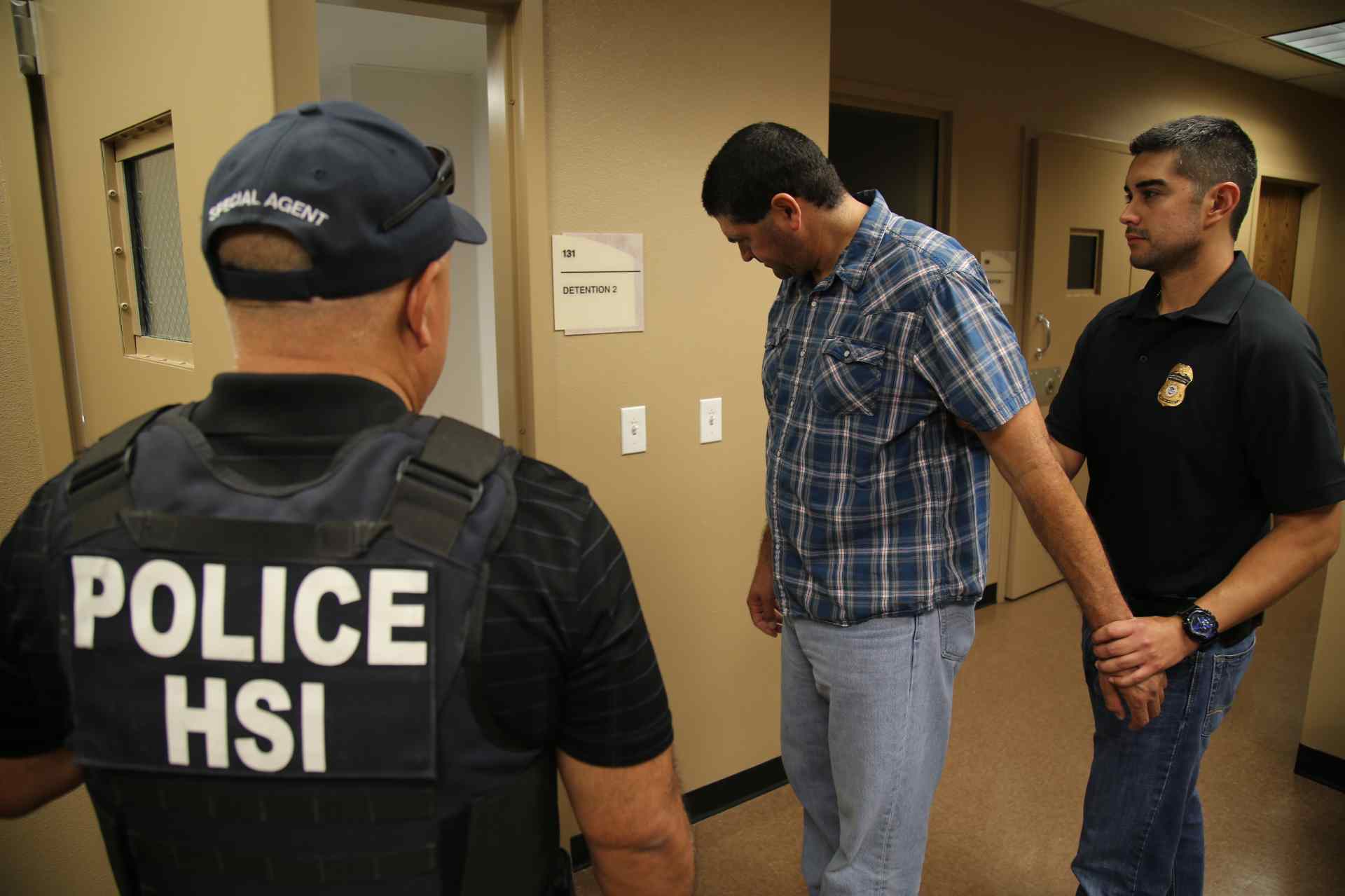
The U.S. government announced a suspension of immigrant visa processing for nationals of 75 countries that will take effect on January 21, 2026, the U.S. Department of State said.
State Department messaging has emphasized that the action targets immigrant visas, which are used for permanent residence, and does not apply to non-immigrant visas such as tourists, students, or temporary workers.
What immigrant and non-immigrant visas are
Immigrant visas are issued by U.S. embassies and consulates abroad and generally lead to lawful permanent resident status in the United States.
Non-immigrant visas, by contrast, are for temporary stays in categories such as business and tourism, study, or exchange programs. The State Department has repeatedly drawn a bright line between these categories in its public guidance.
Announcement and official messaging
On January 14, 2026, the State Department communicated the pause through official social media channels and internal cables to consular posts. The department’s public-facing statements have focused on implementation at embassies and consulates and on the narrow scope of the action.
“The State Department will pause immigrant visa processing from 75 countries whose migrants take welfare from the American people at unacceptable rates. The freeze will remain active until the U.S. can ensure that new immigrants will not extract wealth from the American people. . The Trump administration is bringing an end to the abuse of America’s immigration system by those who would extract wealth from the American people,” said Tommy Pigott, State Department Principal Deputy Spokesperson, in a statement issued Jan. 14, 2026.
Instructions sent to U.S. embassies and consulates directed a halt to immigrant-visa adjudications while the administration “re-assesses screening protocols for applicants likely to become a public charge,” according to material describing Secretary of State Marco Rubio’s direction.
White House Press Secretary Karoline Leavitt confirmed via social media that the list includes countries such as Somalia, Russia, and Iran, citing national security and public resource concerns, in a statement issued Jan. 14, 2026.
Scope of the suspension
The suspension is scheduled to begin on January 21, 2026, and it applies strictly to immigrant visas processed abroad, including family-sponsored and employment-based green cards handled through U.S. consulates.
The administration has framed the move around “public charge” authority under the Immigration and Nationality Act. Officials say the goal is to prevent the entry of individuals they deem likely to rely on government benefits.
The policy’s scope is defined by nationality and applies to immigrant visa applicants from the listed countries who pursue permanent residence through consular posts. That means immediate disruption for relatives seeking family-based immigrant visas and for workers using employment-based immigrant visas issued abroad.
What is excluded
Officials have said this specific January 21 pause does not currently apply to visitor visas B-1/B-2, student visas F and M, or exchange visas J. The State Department also linked that exclusion to maintaining openness for major upcoming events like the 2026 FIFA World Cup.
Despite the stated exclusion for non-immigrant visas, the practical lines matter because consular posts handle both kinds of applications. Families pursuing permanent residence face the suspension at the immigrant visa stage, while travelers on temporary visas are not covered by this particular pause.
Affected countries and how that information is presented
The material states the affected-country list spans Africa, Asia, Latin America, the Middle East, and Eastern Europe, and names examples such as Somalia, Russia, and Iran. The full list of 75 countries was included in the guidance provided to consular posts.
Because an interactive tool will present the complete list and related verification sources, the published guidance describes the geographic span and offers representative examples rather than repeating each nation in-line here.
How consular posts are to implement the pause
Consular officers have been instructed to refuse all new immigrant visa applications from the listed countries starting Jan. 21. For cases already approved but not yet printed, the instruction is to refuse the visa if it has not been printed.
The guidance described a different posture for immigrant visas already issued: no previously issued immigrant visas have been revoked under this specific guidance, according to the material. Entry to the United States remains subject to inspection at the border.
Dual nationals and passport considerations
Nationality and the passport used for the application matter in consular processing. The guidance said applicants with a valid passport from a country not on the list may be exempt, though the material did not provide additional criteria beyond that description.
The material did not describe exemptions beyond nationality or outline a process for seeking case-by-case waivers. It also did not specify how consulates will treat applicants with multiple nationalities who present a passport from a non-listed country but have ties to a listed country.
Relation to other immigration policies
The suspension arrives after an earlier immigration restriction: Presidential Proclamation 10998, which took effect on January 1, 2026, and imposed full or partial travel bans on 39 countries.
The January 21 policy is described as distinct because it uses public charge concerns to justify a blanket suspension of permanent immigration from a larger group of 75 countries. The administration’s public statements center on government benefits and screening.
Analysts estimate the policy could block nearly 315,000 legal immigrants over the next year. The estimate was presented as an assessment of potential scale rather than a confirmed tally of people who will be denied.
Impact on families and employers
For families, the distinction between immigrant visas and non-immigrant visas often determines whether a separation ends or continues. Immigrant visas are the pathway for spouses, children, and other eligible relatives to enter as permanent residents.
For employers, the pause hits cases that require consular issuance of an employment-based immigrant visa rather than a temporary work visa. The State Department has said temporary workers are not included in this specific January 21 pause.
Domestic processing and USCIS
The material also pointed to a separate area inside the United States: the pause may eventually extend to people applying for Adjustment of Status for green cards from within the United States via USCIS, though no confirmed extension to USCIS filings was described.
USCIS has already placed an adjudicative hold on benefit applications for individuals from an initial “high-risk” list, citing Policy Memo PM-602-0194 dated Jan. 1, 2026. Families and employers therefore face two different systems: consular processing controlled through State Department posts, and domestic processing through USCIS that could be affected by separate internal guidance.
Practical mechanics and immediate effects
The mechanics of the consular pause are likely to be felt first in scheduled interviews and final issuance steps. Applicants from listed countries preparing documents, medical exams, and travel plans for immigrant visas may see cases refused once the instruction takes effect.
The guidance’s description of dual nationals has prompted attention to passport choice and nationality presentation. Because implementation is driven by official cables and consular instructions, applicants and sponsors have been urged to rely on official channels for updates to the list and for any changes in how consular posts apply the pause.
For now, the key dividing line in official messaging is between immigrant visas that lead to permanent residence and non-immigrant visas intended for temporary stays. As the effective date approaches, families and employers caught in consular processing are focused on what consulates do on January 21, 2026, and on how long the suspension will last under the State Department’s direction.
The U.S. government is implementing a suspension of immigrant visa processing for 75 countries on January 21, 2026. This policy targets individuals seeking permanent residency who might utilize public welfare. While tourist and student visas are exempt to facilitate events like the 2026 World Cup, the pause disrupts family and employment-based immigration, potentially affecting over 300,000 applicants as screening protocols are reassessed.