- The UAE has removed the grace period for visa extensions, meaning fines now begin immediately after expiry.
- Stranded travelers can apply for extensions online through the ICP or GDRFA portals to maintain legal status.
- New USCIS rules increase premium processing fees for any applications postmarked on or after March 1, 2026.
(DUBAI, UAE) Travelers stranded in Dubai as flights were disrupted on March 1, 2026 can often keep their stay legal by filing online for a 30 or 60-Day Extension without leaving the UAE. The deadline is strict because the UAE removed the grace period, so fines start the day after an expiring visa ends.
2026 Advanced Visa System: what the UAE extension policy allows
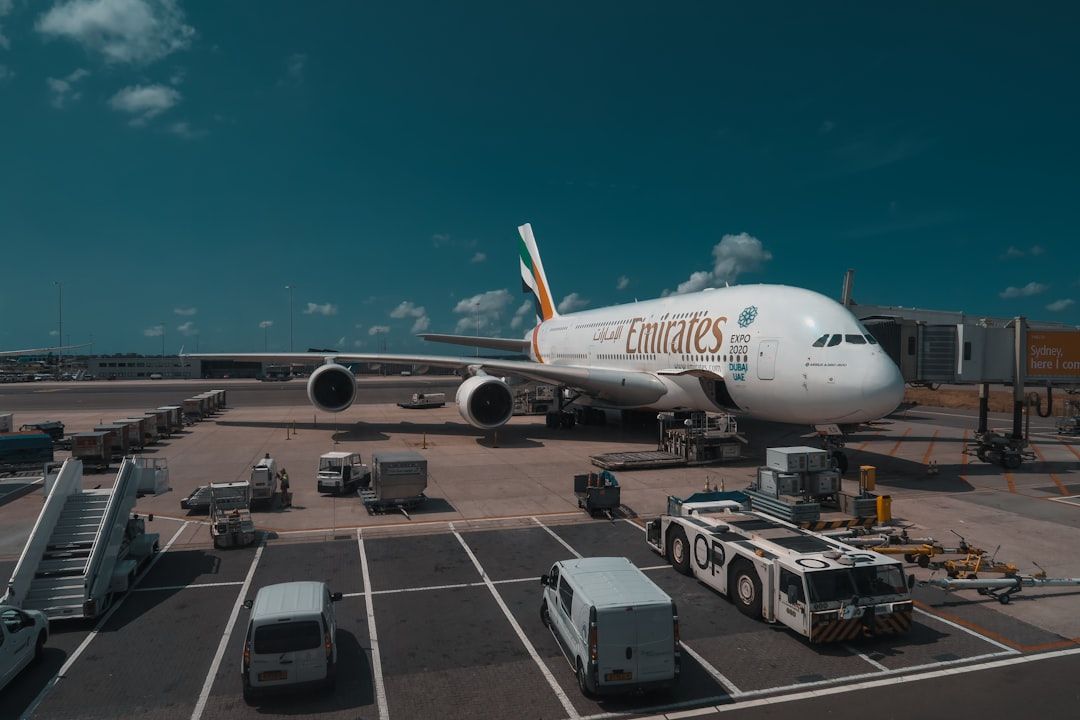
Under the UAE’s 2026 Advanced Visa System, many tourist and visit visas issued for 30 or 60 days can be extended in-country for another 30 or 60 days. Extending from within the UAE avoids exit-and-reentry planning, which matters when airspace restrictions and airport suspensions disrupt normal travel.
Applications run through two government systems. The federal Federal Authority for Identity, Citizenship, Customs and Port Security (ICP) handles many visit permits nationwide through the ICP Smart Services portal. Dubai-managed visitor files often route through the GDRFA Dubai website, which controls Dubai immigration records.
Prepare for routine document themes: identity, proof you are still in lawful stay when you apply, a clear photo, and supporting evidence that may include accommodation details or funds. Keep your passport valid well beyond the extension period, because short validity can block approval.
The change that drives most penalties is timing. As of 2026, the prior 10-day buffer after expiry is gone, and overstay penalties start immediately.
Extension filing from inside Dubai: a five-step online process
Most applicants finish the work online in one sitting, then wait for a decision. Don’t treat an extension as “instant,” and don’t wait until the last night if you can file earlier.
- Choose the portal. Use ICP Smart Services for federal-managed visit cases and use GDRFA Dubai for Dubai-managed cases.
- Sign in and select the service. Create an account, pick the visit/tourist extension service and enter details exactly as on your passport and current visa.
- Upload clear files. Scan in color, avoid glare and keep spelling consistent across every upload.
- Pay and submit. Pay in the portal and save the receipt and confirmation screen.
- Respond fast to follow-up requests. If the system asks for extra documents, upload only what it requests and keep copies.
Small errors slow processing. Cropped passport pages, unreadable photos, or name variations between your visa and your upload can trigger a request for more evidence. Save everything you submit, because receipts and screenshots are often the only proof you filed before your visa expired.
No grace period: fines start the next day
With “no grace period,” your lawful stay ends on the expiry date printed on your visa. From the next day, fines begin and continue until you extend, change status, or depart.
This hits hardest during travel shutdowns. A canceled flight or a closed airport can push a lawful visitor into overstay even when they tried to leave on time. Overstay fines also create practical problems, because unpaid penalties can complicate departure procedures and other government services.
If you are already expired, move quickly to regularize. File the extension through ICP or GDRFA if the system allows it, and be ready to pay any assessed penalties during the process. Check the portals before you travel to confirm the latest fine and payment steps, since enforcement is handled through those systems.
March 1, 2026 U.S. alerts: safety first, plus a USCIS filing-date rule
U.S. government channels issued security guidance on March 1, 2026 for Americans in the region. The U.S. Embassy in Abu Dhabi and U.S. Consulate in Dubai advised:
“Find a secure location within your residence or another safe building. Have a supply of food, water, medications, and other essential items. Monitor media for breaking news. Be prepared to adjust your plans. Keep your phone charged and maintain communication with family and friends to inform them of your status.”
A State Department regional advisory stressed limits on embassy help:
“The U.S. Embassy is not in a position at this time to evacuate or directly assist Americans in departing. U.S. citizens traveling abroad are encouraged to enroll in the Smart Traveler Enrollment Program (STEP) to receive digital alerts.”
Local alerts are posted at ae.usembassy.gov, and STEP information sits on the United States 🇺🇸 travel site at travel.state.gov.
The same day, USCIS published a separate rule update on premium processing fees. USCIS said: “Effective March 1, 2026, DHS announced the Adjustment to Premium Processing Fees final rule that will increase USCIS fees for premium processing to reflect the amount of inflation. If you submit a request postmarked on or after March 1, 2026, you must include the new fee.” The agency posts updates in the USCIS newsroom.
Premium processing is a paid speed-up request used for some U.S. filings, commonly made with Form I-907. The compliance point is the mailing date: for a paper filing, the postmark and courier receipt decide which fee applies.
Travel disruption realities and why documentation suddenly matters
The regional escalation led to major operational disruptions. Authorities reported suspensions at key UAE airports around February 28 and March 1, 2026, alongside airspace limits, leaving many passengers unable to depart as planned.
The UAE civil aviation authority said the government “will cover all accommodation and sustenance costs for affected and stranded passengers” at the airports. If an airline offers a hotel voucher, keep the voucher terms, boarding pass, and any cancellation or delay messages. Those records support extension requests and help with insurer, employer, or airline disputes.
U.S. entry rules can also affect onward travel plans. Under Presidential Proclamation 10998, effective Jan 1, 2026, the United States 🇺🇸 suspended or restricted visa issuance for 39 countries described as non-compliant. The UAE is not on that list, but people transiting to the U.S. from Dubai may face rerouting hurdles if they need to pass through a third country.
According to analysis by VisaVerge.com, the safest approach during a shutdown is to treat airline rebooking and immigration status as one task. File your extension first, then rebook.
Common scenarios: keeping lawful status while you wait out closures
A visitor seeing family often has a simple goal: avoid fines and avoid a surprise problem at departure. Filing before your visa expires and saving the confirmation makes it easier to explain a longer hotel stay or a changed return date.
Business travelers should communicate early with employers and clients. Share flight disruption notices and your extension receipt, and keep receipts for extra accommodation and meals, since reimbursement and insurance claims usually require documentation.
Safety planning runs alongside paperwork. Follow the official messaging themes: stay indoors in a secure building, keep essential supplies, avoid windows, monitor trusted updates, and keep devices charged. If you change hotels, save check-in receipts and the address, because immigration systems may ask where you are staying.
Official portals and alert pages to rely on
For UAE visitor extensions and status checks, use the ICP Smart Services portal or the GDRFA Dubai website, based on where your file is managed. For U.S. citizen updates in the UAE, monitor ae.usembassy.gov and travel.state.gov for STEP alerts. For U.S. immigration fee announcements tied to postmarks, use the USCIS newsroom and keep mailing proofs with your records.
If you’re weighing whether to wait for a flight or file now, remember that immigration systems judge you by dates, not intentions. Submit the extension while your status is still valid whenever possible, and keep digital and paper copies. If you must depart, budget time to settle any fines before check-in. A short overstay can snowball during closures so your paperwork is ready for airlines, hotels, employers, and insurers too.