- Sri Lanka’s new visa allows 12 months of legal remote work with annual renewal options.
- Applicants must prove foreign-sourced income through bank statements, payslips, and employment contracts.
- The visa provides practical benefits like opening local bank accounts and securing long-term leases.
Sri Lanka Digital Nomad Visa (DNV): 12 months in the tropics, with legal remote-work status
Sri Lanka’s Digital Nomad Visa (DNV) is a new long-stay option for remote employees and freelancers who earn from overseas sources. The headline draw is simple: a 12‑month stay with renewal, plus practical rights that are hard to get on a tourist status, like banking and longer leases.
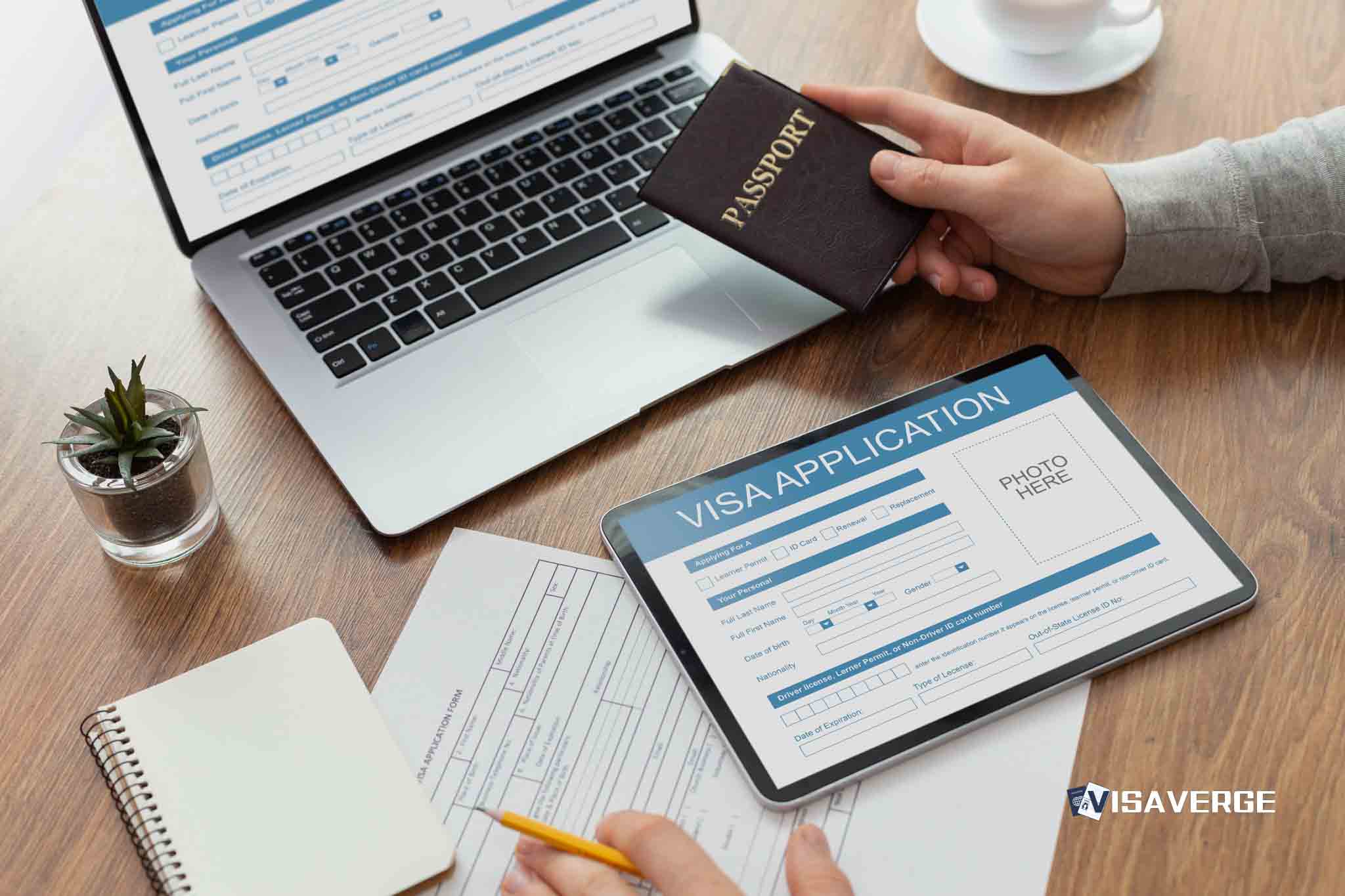
On February 5, 2026, Sri Lanka’s Cabinet introduced the DNV as part of a tourism and remote-work strategy. The program is run through Sri Lanka’s Department of Immigration and Emigration, and requirements should be verified on the official immigration.gov.lk site because portal steps can change quickly.
This matters because Sri Lanka has long been a favorite for surf-town routines in Ahangama, café workdays in Colombo, and hill-country weekends in Ella. Until now, many remote workers sat in a gray area while using tourist status. The DNV is meant to reduce that gray area by giving a clearer, longer legal stay for remote work.
🌍 Visa Highlight: Sri Lanka’s DNV is built for 12-month stays and is designed to make everyday life easier for remote workers, including banking and leases, without local employment.
Country profile: Sri Lanka for digital nomads (Feb 2026)
| Aspect | Details |
|---|---|
| **Visa Name** | Sri Lanka **Digital Nomad Visa (DNV)** |
| **Duration** | **12 months** (renewal concept is annual) |
| **Income Requirement** | **USD-denominated minimum monthly income** (convertible to LKR; check current rates) |
| **Proof of Income** | Typically **bank statements**, **payslips**, client **contracts**, or employer letter showing ongoing remote work |
| **Health Insurance** | **International health insurance** valid in Sri Lanka is required |
| **Processing Time** | Varies; plan for **several weeks** and possible follow-up requests |
| **Application Fee** | **Annual, per-person, non-refundable** fee (USD-denominated) |
| **Tax Status** | Not marketed as tax-free; **tax residency may apply after 183 days** depending on facts |
| **Path to Residency** | Not positioned as a permanent-residency route; treat it as a **long-stay remote-work permission** |
| **Internet Speed** | Colombo often **30–100 Mbps**; beach towns can be **10–30 Mbps** with occasional outages |
| **Time Zone** | **UTC+5:30** (works well for Europe mornings; late for U.S. West Coast) |
| **Cost of Living** | Comfortable solo living often **$1,200–$2,000/month**, depending on city and rent style |
Program overview & eligibility: who the DNV is for
Sri Lanka’s DNV targets two main profiles:
- Remote employees of foreign companies
- Freelancers/contractors serving clients outside Sri Lanka
In practice, approval comes down to whether you can show ongoing remote work, income continuity, and a clean compliance story. Immigration teams tend to like documents that match each other. Your job title, employer name, and payment trail should be consistent.
Duration, renewals, and dependents
The visa is built around an initial one-year stay, with an annual renewal concept. If you plan to renew, keep your paperwork tidy from day one. Save invoices, payslips, and bank statements as a monthly habit.
Dependents are part of the planning conversation. Think through schooling dates, housing size, and whether you need a second bedroom near an international school. That choice can swing your budget more than the visa fee.
Core restriction: no local employment
The boundary is clear: no working for Sri Lankan employers or taking locally paid roles. Your income should be foreign-sourced, and your work activity should match that story.
Financial requirements & fees: what to budget beyond the headline
Sri Lanka publishes the DNV’s financial threshold and fee structure in USD terms. The program uses a minimum monthly income concept, plus dependent-related add-ons. Fees are annual, per person, and non-refundable.
For planning in local currency, convert your USD income to LKR at your bank’s real conversion rate. Rates can move, and banks add spreads. Build margin into your budget.
How applicants usually prove income
Most successful applications I’ve seen elsewhere rely on a clean “triangle” of evidence:
- Bank statements showing regular incoming payments
- Payslips or client invoices
- A contract or employer letter confirming you can work remotely
If you’re a freelancer with uneven months, show a longer window of statements. Also show signed contracts that cover the next 6–12 months.
Real-world extra costs for a 12-month stay
Even with a moderate visa fee, the hidden costs can surprise people:
- Health insurance that explicitly covers Sri Lanka
- Police clearance fees in your home country
- Medical report costs
- Notarization and translations if your documents are not in English
- Housing deposits, often 1–2 months upfront for better places
- School admissions and registration fees if you have kids
- Banking friction, like extra documents for KYC and proof of address
💰 Budget Tip: If you’re landing in Colombo first, book 2–3 weeks of flexible housing. Use that time to view apartments, test internet, and negotiate a longer lease.
Permitted activities & day-to-day rights (and where people get stuck)
Sri Lanka positions the DNV to support normal life, not just a long vacation.
Banking: possible, but expect KYC
The visa is meant to help with opening a personal bank account, which can make rent and longer stays easier. In practice, banks may ask for:
- Visa/residency proof
- Passport and entry stamps
- Proof of address (lease or letter)
- Source of funds explanation
This is where digital nomads hit delays. If your bank statements show mixed sources, add a short letter explaining your work model.
Renting: longer leases become realistic
With a long-stay visa, landlords are more open to 6–12 month terms. Expect to negotiate:
- Deposit amount and return terms
- Included utilities and backup power
- Router quality and fiber availability
If you need stable calls, choose a building with generator backup. Power cuts still happen in some areas.
Schooling: start early
Sri Lanka has international and private schools, mainly around Colombo. Admissions can take time, and some schools have waitlists. If you’re arriving mid-year, ask about rolling intake and required records.
And again, the boundary stays the same: remote work for overseas income only. Treat that as a daily compliance rule.
📶 Internet Note: Beach towns can be productive, but plan redundancy. Keep a local SIM, and test upload speed before signing a lease.
Application process & documentation: step-by-step, with fewer delays
Sri Lanka’s DNV is designed around an online application through the Department of Immigration and Emigration.
1) Prepare your “identity and intent” package
Immigration wants to see that you are who you say you are, and that your plan matches the visa purpose. Keep your passport details consistent across every file. Use the same name order and spelling everywhere.
2) Gather background and health evidence
Two items commonly trigger delays:
- Police clearance timing and formatting
- Medical report format and signature
If your documents come from different countries, standardize the presentation. Use clear scans, high resolution, and readable stamps.
3) Secure the required health insurance
Your policy should clearly show: – Coverage dates that match your intended stay – Coverage territory including Sri Lanka – A document you can download and upload cleanly
4) Account for the recommendation step
The flow includes a recommendation/endorsement step involving the Ministry of Digital Economy. That can add lead time, so don’t plan your flight around a tight approval window.
5) Submit online and respond fast to follow-ups
After submission, expect possible requests for clarification. Respond quickly and keep answers tight. Upload revised documents with clear filenames like Passport_BioPage.pdf or BankStatements_Jan-Mar_2026.pdf.
Common pitfalls I’ve seen: – Cropped scans that cut off stamps – Mismatched employer names between payslips and contracts – Bank statements without your name visible – Insurance certificates that don’t show territory
Tax implications: don’t assume “nomad visa” means “no tax”
⚠️ Tax Disclaimer: Tax obligations for digital nomads are complex and depend on your citizenship, tax residency, and the countries involved. This article provides general information only. Consult a qualified international tax professional before making decisions that affect your tax status.
⚠️ Tax Warning: Working remotely from another country creates complex tax obligations. A digital nomad visa does NOT automatically exempt you from taxes in your home country or host country. U.S. citizens are taxed on worldwide income regardless of where they live. Consult an international tax professional before relocating.
Sri Lanka’s DNV is a permission to stay and work remotely under Sri Lankan rules. It is not, by itself, a tax exemption.
Key planning points: – 183-day rule: Many countries treat you as a tax resident after 183 days. That can trigger filing duties. – Employer payroll: If you’re a remote employee, your company may have policies about where you can work. HR may require pre-approval. – Permanent establishment risk: Some employers worry about creating taxable presence abroad. Get your employer aligned before you go long-term. – U.S. citizens and green card holders: The U.S. taxes worldwide income. You may still qualify for FEIE or foreign tax credits, depending on your facts.
If you want a “no income tax” base and strong infrastructure, some nomads compare Sri Lanka with Dubai-style setups. The UAE’s remote-work options are often discussed in our Dubai remote work guide and UAE tax basics. Sri Lanka is usually chosen for lifestyle value and slower days, not tax simplicity.
Relevant U.S. Department of Homeland Security / USCIS context (Feb 2026)
Sri Lanka’s DNV is separate from any U.S. immigration status. Approval to live in Sri Lanka does not grant U.S. immigration benefits or change your U.S. case timeline.
Here are two items that matter for travel planning if you have U.S. processes in motion:
- USCIS FY 2027 H‑1B cap registration: USCIS confirmed the initial registration window runs March 4 to March 19, 2026, with a $215 registration fee. If you’re tied to an employer’s filing timeline, avoid being unreachable in a low-connectivity area during that period.
- U.S. immigrant visa issuance pause (Department of State / DHS context): An indefinite pause on immigrant visa issuance for nationals of certain countries was announced effective January 21, 2026. If your long-term plan depends on U.S. consular processing, factor in uncertainty.
This is where many people misstep. Sri Lanka can approve your DNV, but you still must follow: – Your U.S. visa conditions – Your employer’s remote-work rules – Cross-border tax and payroll requirements
For a longer runway, I often suggest building a calendar that includes immigration windows, travel buffers, and document lead times. Our (/tools/visa-planning-checklist) helps keep dates and documents in one place.
Pros and cons: the honest version
Pros
- One-year stay reduces constant extensions and border runs.
- Better access to leases and everyday admin.
- Strong lifestyle range: Colombo city life, south coast surf towns, hill-country climate.
- Costs can stay moderate if you avoid peak-season beachfront rentals.
Cons
- Internet can be inconsistent outside major hubs.
- Banking and KYC can still be slow, even with the right visa.
- Renewals are conceptually annual, but future practice may evolve as the program matures.
- Time zone can be hard for U.S. West Coast teams.
Cost of living in Sri Lanka (monthly, USD)
| Expense | Budget | Comfortable | Premium |
|---|---|---|---|
| Rent (1BR) | $350 | $700 | $1,400 |
| Coworking | $60 | $120 | $220 |
| Food | $250 | $450 | $750 |
| Transport | $60 | $120 | $250 |
| Health Insurance | $70 | $120 | $250 |
| Entertainment | $80 | $180 | $400 |
| **Total** | **$870** | **$1,690** | **$3,270** |
Notes from the road: – “Budget” usually means local meals, a simple apartment, and scooter/tuk-tuk rides. – “Comfortable” is where most full-time remote workers land, with AC and better internet. – “Premium” often means beachfront, generator backup, and frequent domestic travel.
Practical tips from the Sri Lanka nomad community
- Start in Colombo for admin week. Do banking, SIM setup, and apartment viewings first. Then move to the coast or hill country.
- Treat internet as a utility you verify. Ask for a speed test screenshot and test upload on arrival.
- Keep a paper trail. Save monthly PDFs of income, invoices, and bank statements. Renewals become easier with tidy records.
- Use Dubai connections smartly. Flights through Dubai (DXB) can be a reliable routing option for North America and Europe. It also helps if you need quick consular access in the region.
Next steps (do this in the next 2–8 weeks)
- 6–8 weeks before travel: Check the DNV page on the official Department of Immigration and Emigration website (immigration.gov.lk). Confirm current portal steps and formats.
- 4–6 weeks before travel: Order your police clearance, schedule your medical report, and buy health insurance that clearly lists Sri Lanka coverage and dates.
- 3–4 weeks before travel: Prepare income evidence (bank statements + contracts). Convert your monthly income into LKR using your bank’s rate, and keep a buffer for fees.
- 2–3 weeks before travel: Submit the online application and keep your calendar flexible for follow-ups and the recommendation step.
- Before landing: Book 2–3 weeks of flexible housing in Colombo, then plan your longer base once you’ve tested internet and neighborhoods.
For community intel, check active Sri Lanka nomad groups on Facebook and coworking spaces in Colombo for current internet reliability and housing leads.