(WASHINGTON, D.C.) — the philippine embassy in Washington, D.C. issued an urgent advisory on January 7, 2026, warning Filipino teachers that “unscrupulous recruiters” are using exchange visitor visa scams to extract money and push applicants into immigration violations.
“Filipino teachers are reminded that participation in the [J-1] program does not lead to US permanent residency or citizenship. J-1 teachers are required to return to the Philippines after completing the program; Filipino teachers are covered by the two-year home-country physical presence requirement,” the Philippine Embassy said in its advisory.

The warning, released after reports of recruiters and people posing as immigration lawyers, focused on false claims that participation in the Exchange Visitor Program can deliver permanent residency (Green Cards) or U.S. citizenship.
It also came as U.S. authorities, including the Department of Homeland Security and U.S. citizenship and immigration services, increased enforcement actions tied to immigration fraud, a backdrop that the embassy said raises the stakes for teachers who are misled into overstays or fraudulent filings.
How the Scams Work
Recruiters have been promising teachers that J-1 status can be easily converted to a Green Card, the embassy said, while demanding large sums for “immigration assistance” or “placement fees.”
Another tactic highlighted by the advisory involves asylum fraud, in which teachers are encouraged to file meritless asylum claims as a way to remain in the United States after their J-1 program ends.
The advisory also warned against advice that teachers should ignore the two-year home-country physical presence rule, which the embassy noted is “difficult to obtain, not guaranteed, and requires exceptional hardship.”
U.S. Government Context & Policy Changes
The advisory placed these recruitment schemes against recent policy and enforcement changes by U.S. authorities, noting that adjustments to vetting and expanded enforcement raise the consequences for applicants who follow false guidance from recruiters.
On Dec 15, 2025, USCIS expanded requirements for non-immigrant visa applicants to include mandatory reviews of social media accounts, a change that has led to increased processing times and denials for those with inconsistent information or suspicious ties.
On January 9, 2026, DHS and USCIS launched Operation PARRIS, described as a massive fraud investigation targeting thousands of cases involving background check discrepancies and fraudulent claims.
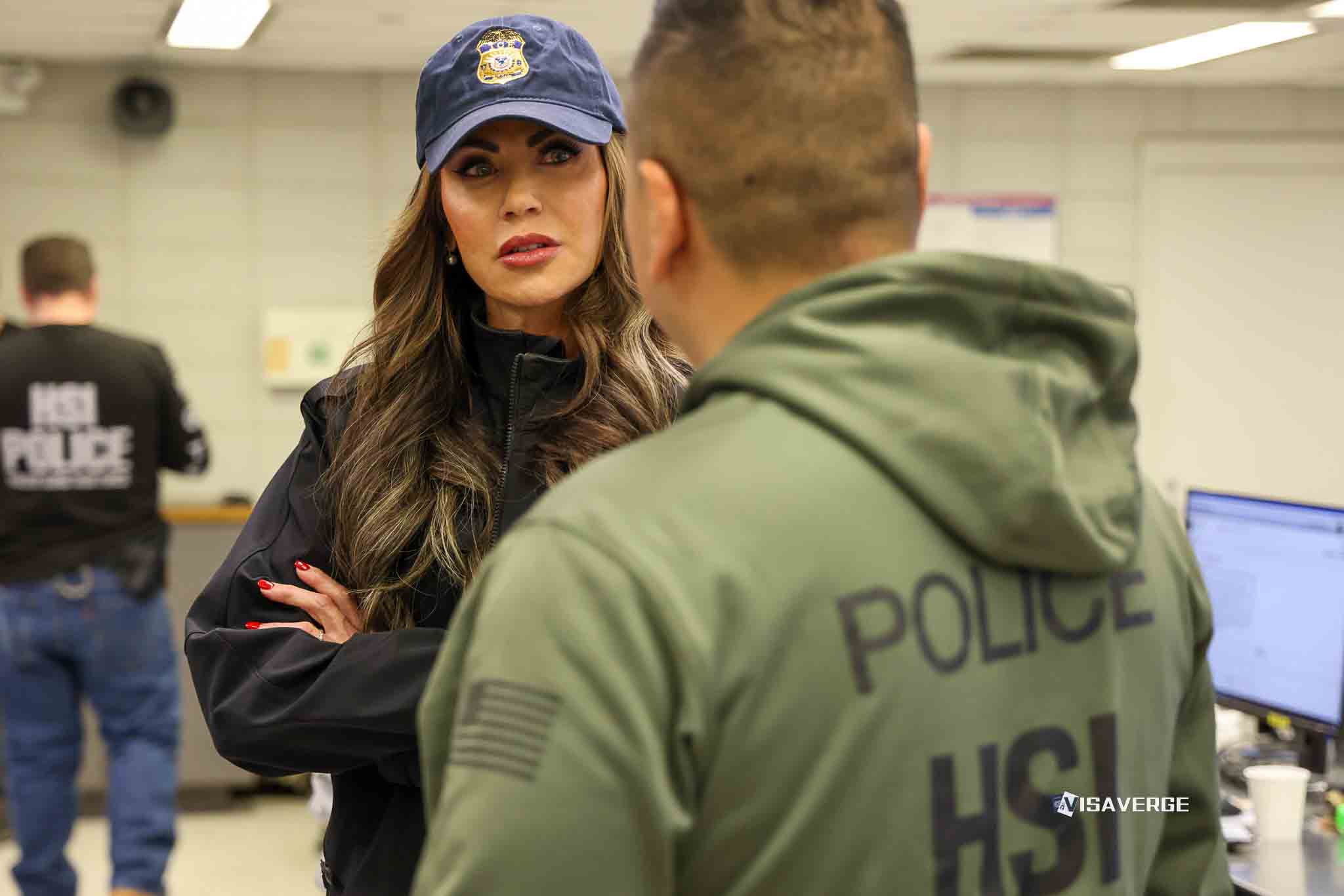
DHS Secretary Kristi Noem, in a statement in Dec 2025, said the administration is “re-examining thousands of cases” to restore integrity to the immigration system, specifically targeting programs where fraud rates are perceived to be high.
📋 Note: The advisory highlights that changes to vetting and enforcement increase risks for applicants who submit inconsistent information or follow recruiter guidance that conflicts with official procedures.
Consequences for Teachers
Teachers who overstay, the embassy warned, face severe immigration consequences. It said overstaying a J-1 visa is a “serious violation of US immigration law” that can result in immediate deportation and long-term (up to 10-year) bans from re-entering the United States.
The embassy also pointed to the financial damage that can follow recruitment fraud. Many teachers take out high-interest loans to pay illegal recruitment fees, it said, only to find themselves without a legal path to stay or a way to pay back the debt once their temporary program expires.
For some teachers pursuing legitimate programs, the environment has grown more difficult even without fraud. Legitimate applicants are facing longer wait times due to the “chilling effect” of new vetting protocols and the pause on some visa interviews implemented in mid-2025 to update security systems.
The embassy tied those realities to the lure of false shortcuts offered by recruiters—promises that appear to resolve visa uncertainty but instead expose applicants to denials, enforcement action, or lasting bars on travel.
Advisory Guidance and Recommendations
Do not trust recruiters claiming you can convert J-1 to a Green Card or citizenship; such schemes are common. Overstaying or filing fake asylum claims can trigger deportation and long reentry bans.
In its guidance, the Philippine Embassy urged teachers to verify sponsors and to rely on the official J-1 structure rather than intermediaries offering guaranteed outcomes. It advised teachers to use only U.S. Department of State-designated sponsors for the J-1 program.
Applicants should also consult qualified counsel, the embassy and U.S. and Philippine authorities advised, seeking advice only from licensed U.S. immigration attorneys rather than “consultants” or “recruiters.”
- Report suspected fraud to the DHS Office of Inspector General.
- Submit reports through the USCIS Tip Form.
- Verify program sponsorship and rely on official J-1 sponsors.
The embassy’s warning addressed a specific claim it said scammers are selling aggressively: that exchange visitor status can be converted into permanent residency or citizenship. The advisory rejected that pitch, emphasizing the program’s temporary nature and the requirement that J-1 teachers return to the Philippines after completing the program.
That requirement is compounded for Filipino teachers, the embassy said, by the two-year home-country physical presence requirement, a rule that can constrain future immigration options and that recruiters may downplay when collecting fees.
Operation PARRIS and Enforcement Focus
Operation PARRIS, launched on January 9, 2026, adds another enforcement pressure point. DHS and USCIS described it as a fraud investigation targeting thousands of cases involving background check discrepancies and fraudulent claims, a focus that underscores the risks of submitting inconsistent information or following recruiter scripts that do not match an applicant’s history.
USCIS’s Dec 15, 2025 expansion of social media vetting for non-immigrant visa applicants has also reshaped the applicant experience, increasing processing times and denials for those with inconsistent information or suspicious ties.
If you suspect fraud, report it via the USCIS Tip Form or DHS OIG; keep records of all communications and payments, and rely only on official channels for guidance.
The enforcement push is unfolding under DHS Secretary Kristi Noem and Secretary of State Marco Rubio, an alignment that the embassy’s advisory treated as relevant to teachers weighing whether to follow recruiter advice to overstay or pursue claims that lack merit.
How Scams Are Presented
The embassy’s language singled out “unscrupulous recruiters” and people posing as immigration lawyers, describing schemes that begin with recruitment pitches and end with costly fees, immigration violations, or both.
Its advisory laid out how the scams work in practice: a recruiter promises a future Green Card, charges for “placement fees,” and then, as the J-1 program end approaches, pressures teachers to take steps that violate immigration rules—such as overstaying or filing asylum claims without a valid basis.
Those tactics, the embassy warned, can carry consequences that last long after the end of a teaching placement, including deportation and long-term (up to 10-year) bans.
⚠️ Warning: Anyone promising guaranteed immigration results through the Exchange Visitor Program is misrepresenting how the program works. Teachers should verify sponsors and avoid intermediaries who demand illegal fees or promise permanent residency.
Resources and Official Channels
Officials have also pointed applicants toward established fraud-warning resources. USCIS maintains public updates through its USCIS Newsroom, while U.S. officials in Manila have a standing fraud alert at the U.S. Embassy in the Philippines – Visa Fraud Alert.
The Philippine Embassy’s advisories are posted at the Philippine Embassy in Washington D.C. Advisories, the embassy said, as it urged teachers and their families to seek information from official channels rather than recruiter messaging.
The advisory’s central message was blunt: the Exchange Visitor Program does not offer a direct route to U.S. permanent residency or citizenship, and teachers should assume that anyone who sells that promise is misrepresenting how the program works.
As enforcement actions expand and fraud investigations intensify, the embassy warned, Filipino teachers who are persuaded to overstay or submit fraudulent claims risk consequences that can close off future opportunities to travel or work in the United States, even after they return home.
The Philippine Embassy is warning teachers about J-1 visa scams where recruiters promise permanent residency or citizenship. These claims are false, as the J-1 program is temporary and requires returning home. With increased U.S. enforcement through Operation PARRIS and social media vetting, teachers following fraudulent advice face severe penalties, including 10-year entry bans. The embassy advises using only official sponsors and reporting suspected fraud to authorities.