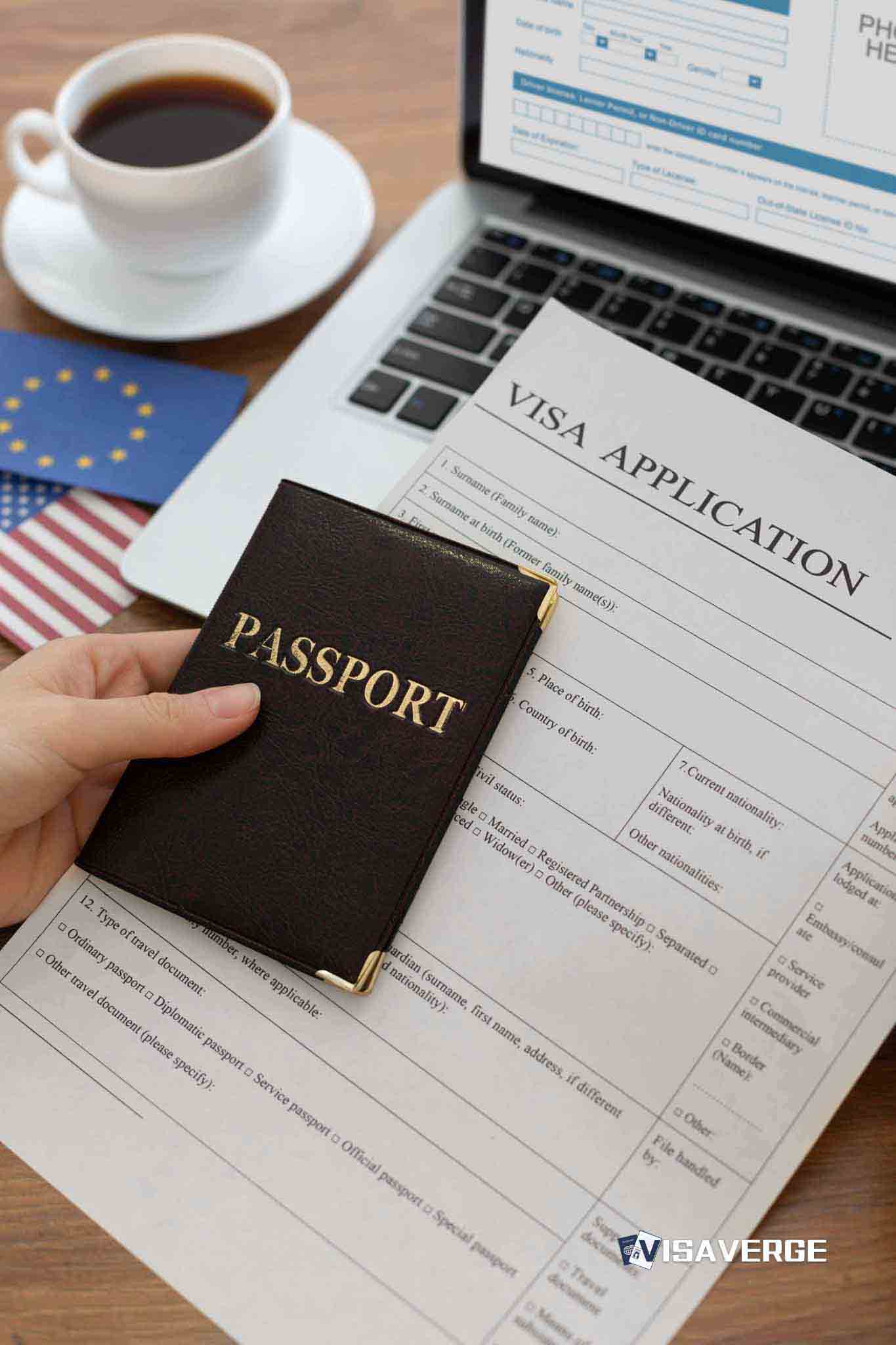
- Papua New Guinea seeks official dialogue with Washington regarding the permanent implementation of the U.S. Visa Bond Program.
- The permanent regulation requires refundable cash bonds of up to twenty thousand dollars for B-1 and B-2 visa applicants.
- Data indicates an eighty-three percent reduction in visa issuances for affected countries during the program’s pilot phase.
Papua New Guinea said Tuesday it will seek official dialogue with Washington after the United States turned the Visa Bond Program into a permanent regulation and kept PNG on the list of affected countries. The rule took effect on August 3, 2026.
Prime Minister James Marape said the move does not break relations. He said that on August 11, 2026.
Free toolDS-160 Form Filling Online Helper Tool
"I want our people to understand that this is not a breakdown in relations between Papua New Guinea and the United States. Our response must be to understand why this policy has been applied to us, correct whatever issues are within our responsibility, and make a strong case for Papua New Guinea to be reconsidered in future reviews."
A day earlier, a U.S. Department of State spokesperson said the policy was not a travel ban. Not one.
"This is not a travel ban. Nationals of visa-bond countries may still be issued visas, as long as they meet the qualifications of the visa and pay the bond. The visa bond program only applies to travelers eligible for a B-1 or B-2 visa."
The department said all countries from the pilot stayed in the program, including PNG. The list now covers 50 countries worldwide. It also includes five Pacific Islands Forum nations: Fiji, Tonga, Tuvalu and Vanuatu.
Official data from the first 10 months of the pilot showed an 83% reduction in visa issuances for the affected countries. Nearly half of applicants chose not to proceed once the bond was required. For PNG citizens, a $20,000 bond equals about K88,200.
Cash first.
The permanent rule also changes the price ladder.
| Item | Permanent rule |
|---|---|
| Bond tiers | $10,000, $15,000, or $20,000 |
| Pilot-only tier removed | $5,000 |
| Visa classes covered | B-1 (Business) and B-2 (Tourism) |
| Exempt categories named in the rule | F-1 (Student) and exchange visas, still subject to standard fees |
The rule sits inside immigration law
The program rests on Section 221(g)(3) of the Immigration and Nationality Act and 22 CFR Part 41. The Department of Homeland Security and USCIS make bond breach determinations if a traveler overstays. The bond is fully refundable if the traveler departs the U.S. on time and complies with all visa conditions.
Refunds hinge on compliance.
The department also defended the permanent rule with its pilot record. It said the bond remained in place for every pilot country, including PNG, after the 12-month trial.
"All of the countries that were included in the pilot program, including PNG, remain part of the visa bond program under the new rule. [During the pilot], 98 per cent of the 5,000 travelers who were issued visas with bonds followed the terms of their visa and returned to their home countries on time."
The U.S. Embassy in Papua New Guinea's visa notice page and the State Department's country list still carry the requirement. Marape wants PNG reconsidered in future reviews. The embassy page still points applicants there.