(MINNESOTA) Minnesota REAL ID rules for visa holders are the same going into 2026, and federal REAL ID enforcement has already been in effect since May 7, 2025. If you’re in Minnesota on a temporary visa, the main task is still the same: show up in person with the right originals so Driver and Vehicle Services (DVS) can confirm your identity, lawful status, and Minnesota address.
For international students, temporary workers, exchange visitors, and their families, a Minnesota REAL ID often becomes the “daily life” document that has to match every other record. It affects airport screening, apartment leases, hiring paperwork, and even how smoothly you can renew a license while your immigration status is being extended.

What a Minnesota REAL ID does — and what it doesn’t
A Minnesota REAL ID is a state driver’s license or ID card that meets federal security standards for entering certain federal facilities and for TSA airport screening. It is not an immigration document, and it does not give legal status.
DVS uses your immigration documents to confirm Proof of Identity, Date of Birth, and Legal U.S. Presence, then issues a card that fits those dates.
Federal enforcement already started, so the practical question is not “Is REAL ID coming?” It’s “Do my documents line up today, and will my license end date match my lawful stay?”
One change Minnesotans may hear about is an optional electronic ID system proposed for 2026. Even if it launches, it does not replace the need to qualify for the physical card when an agency asks for it.
Where to apply, and the one page to bookmark
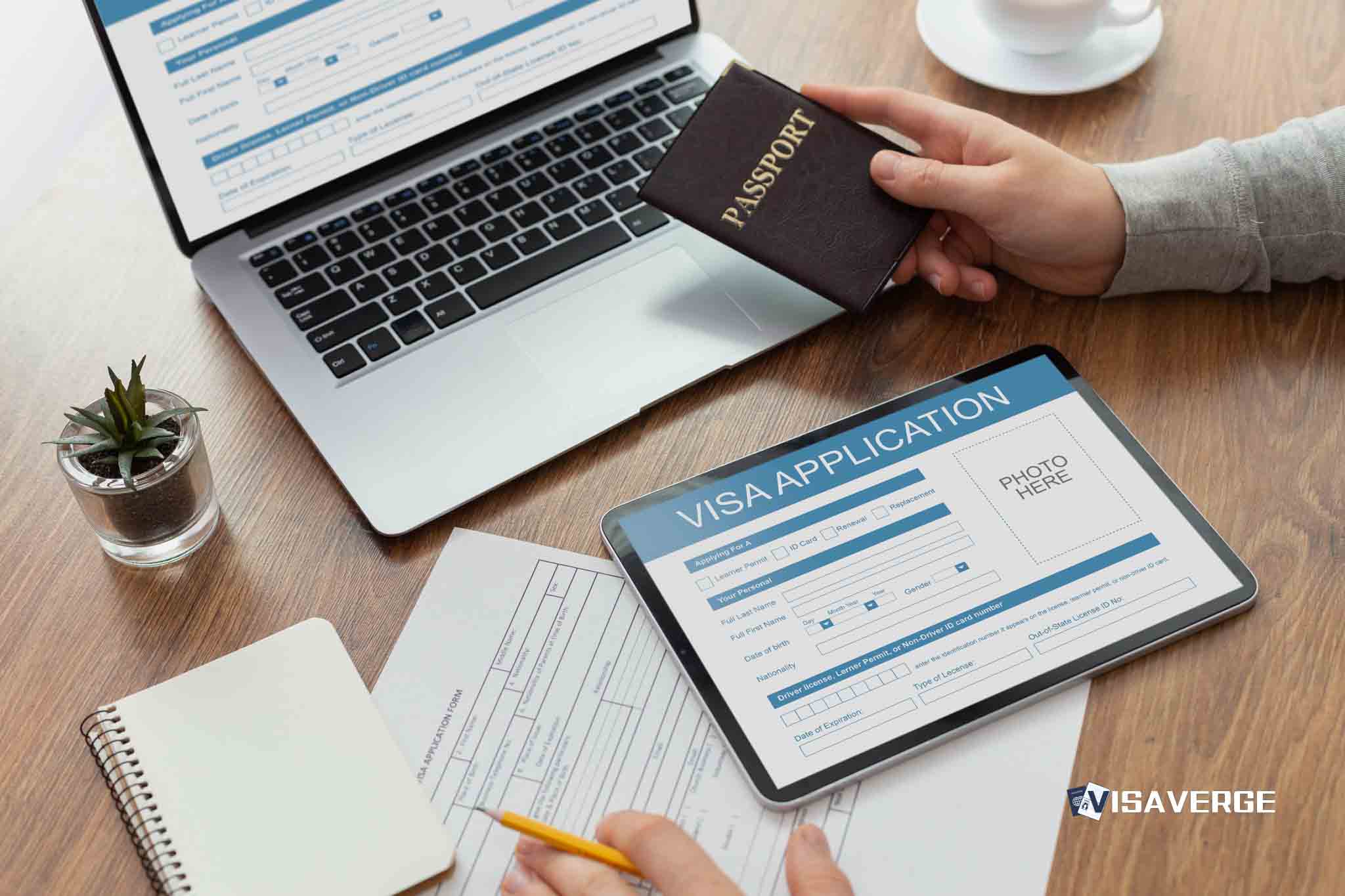
Visa holders must apply in person through Driver and Vehicle Services (DVS) at a DVS office or county deputy registrar location. Minnesota encourages people to pre-apply online to cut down on counter time.
The most reliable starting point is the official Minnesota Department of Public Safety DVS site: Minnesota Driver and Vehicle Services (DVS).
The core rule that trips people up: originals only
DVS expects original documents. Photocopies usually fail, even if they are clear. That’s especially important for immigration documents, because DVS is matching biographic data and status dates across systems.
Before you go, confirm these four things match across your paperwork:
– Full legal name (including hyphens, spaces, and middle names)
– Date of birth (format and numbers)
– Minnesota address (no P.O. boxes for residency proofs)
– Current lawful stay end date, often shown on the I-94
Step-by-step journey with realistic timeframes (4 steps)
Step 1: Pre-apply online and gather your packet (30–90 minutes at home)
Pre-apply on the DVS website so staff can review what you upload and reduce time at the counter. This step also forces you to spot gaps early, like a missing name-change record or a bank statement that still shows an old address.
Build one folder with four sections: identity/status, Social Security, name changes, and residency. Keep every item in original form.
Step 2: Choose a location and plan your visit (same day to 2 weeks)
Some county locations accept walk-ins, and some offer online check-in systems. People who arrive at peak hours often spend more time waiting than being served, so timing matters.
Plan for the in-person part to take 30–60 minutes with pre-apply. Without pre-apply, expect longer, especially when lines form.
Step 3: In-person verification, photo, and fee payment (30–60 minutes at the counter)
At the counter, DVS staff review originals, confirm your status document dates, take your photo, and collect the fee. If something doesn’t match, the application pauses until you return with the missing or corrected item.
Step 4: Temporary credential now, card by mail later (10–14 business days)
After approval, you typically leave with a temporary paper credential. The plastic card is mailed in 10–14 business days, which is the timeline many county sites repeat to applicants.
Document checklist for visa holders, explained in plain language
The biggest mistakes usually come from bringing the right type of document, but the wrong version. For example, a passport without the matching I-94 printout, or a residency document that lists a P.O. box.
1) Proof of Identity, Date of Birth, and Legal U.S. Presence (pick 1 from the main list)
For many visa holders, the standard package is:
– A valid, unexpired foreign passport and
– A valid, unexpired U.S. visa and
– Your I-94 Arrival/Departure Record showing your most recent lawful entry
For the I-94, use the official CBP page to retrieve your record: I-94 (CBP).
If your I-94 is endorsed “DS,” DVS may ask for the school or program document tied to “duration of status,” such as Form I-20 or DS-2019, so your eligibility is clear at the counter.
Some applicants qualify using an Employment Authorization Document (EAD). USCIS explains the EAD here: Employment Authorization Document (EAD) information.
2) Social Security Number proof, or proof you’re not eligible (pick 1 path)
If you have an SSN, the simplest proof is your Social Security card. Alternatives listed by DVS include documents like a W-2, a recent pay stub, or an SSA letter.
If you do not have an SSN because your visa does not allow work, DVS expects two things:
– Your foreign passport showing a non-work status, and
– Documentation supporting SSN ineligibility, often shown through your immigration paperwork
Important detail: your name must match SSA records. If SSA has your old name and DVS sees your new name, fix SSA first or risk a rejected application.
3) Name change records (only if your current name differs from your birth name)
Bring certified originals for every step in the chain. Common examples include:
– Marriage certificate
– Divorce decree
– Adoption decree
– Court-ordered name change
If you changed your name more than once, DVS expects proof for each change. One missing link can stop the whole REAL ID issuance.
4) Minnesota residency (bring 2 different documents, usually within 12 months)
DVS wants two separate documents showing your current Minnesota residential address, in your name, with no P.O. boxes. Examples include:
– Utility bill
– Bank or credit card statement
– Lease or rental agreement
– Pay stub with employer name and address
– Minnesota income tax return
– Property tax statement
– Vehicle title or registration
– Health or auto insurance policy
– Cellular phone bill
– Unexpired Minnesota professional license
Tip: The cleanest approach is one “housing” proof (lease) plus one “billing” proof (utility or bank statement). That pairing is easy for staff to read quickly.
Fees, card types, and expiration dates that affect visa holders
DVS fees vary by product. Minnesota guidance lists approximate ranges such as:
– Driver’s license: ~$25.25–$45.25 (often tied to a 4-year validity)
– ID card: ~$19.25
– State ID only (not a driver’s license): same documents, and guidance notes a $20.25 fee paid by check or cash
Visa holders should also expect the REAL ID expiration date to align with the end date on the immigration document DVS relies on, such as your I-94 expiration. That can produce a short-validity card even when you expect a standard four-year term.
That timing issue becomes real during extensions. If you filed to extend status but only have documents showing the old end date, DVS often has to issue to that older date. Many applicants schedule their DVS visit after they have the updated status record in hand.
Travel pressure: February 2026 and the TSA fee warning
Minnesota materials also flag a travel consequence for people who still do not have REAL ID. Starting February 2026, non-REAL ID flyers can face a TSA $45 fee plus delays. That is not a DVS penalty, but it shapes how families plan renewals and airport trips.
Avoid common rejections: missing I-94, SSA name mismatch, or residency proofs with P.O. boxes. Ensure two current Minnesota documents show your name and address to prevent a failed visit.
Minnesota reports over 94% of MN travelers already REAL ID compliant, so the remaining group often includes newer arrivals and people whose immigration status changes frequently.
Important: If you plan to fly domestically after February 2026, obtain a REAL ID or be prepared for potential fees and delays at TSA checkpoints.
Common failure points DVS clerks see — and how to avoid a wasted trip
Most rejected attempts share a few patterns:
– Brought a passport and visa, but forgot the I-94.
– SSN document name does not match the passport name because SSA was never updated after marriage.
– Residency proofs show a P.O. box, or the address is outdated after a move.
– Name-change history exists but only the most recent certificate was brought.
VisaVerge.com reports that the most time-saving move for visa holders is building the packet backward from the DVS checklist, then checking every document for matching names and dates before booking the visit.
What to expect from DVS staff during verification
DVS staff are not judging the “strength” of a visa. They are doing a document and data match. They verify identity and check that your documents show lawful presence through a specific date.
When everything is clean and consistent, the interaction is routine. When there is a mismatch, the counter visit turns into a document audit, and the fastest fix is usually bringing a corrected record rather than arguing about intent.
That’s why pre-apply matters. It shifts problems earlier, when you can still print a new statement, request a certified record, or retrieve an updated I-94 before you take time off work or class.
This guide outlines the requirements for visa holders in Minnesota to obtain a REAL ID. It emphasizes the necessity of original documents for identity, lawful status, and residency. Key highlights include the alignment of ID expiration with visa end dates, the importance of matching names across all records, and the upcoming 2026 TSA fee for those without compliant identification during domestic air travel.