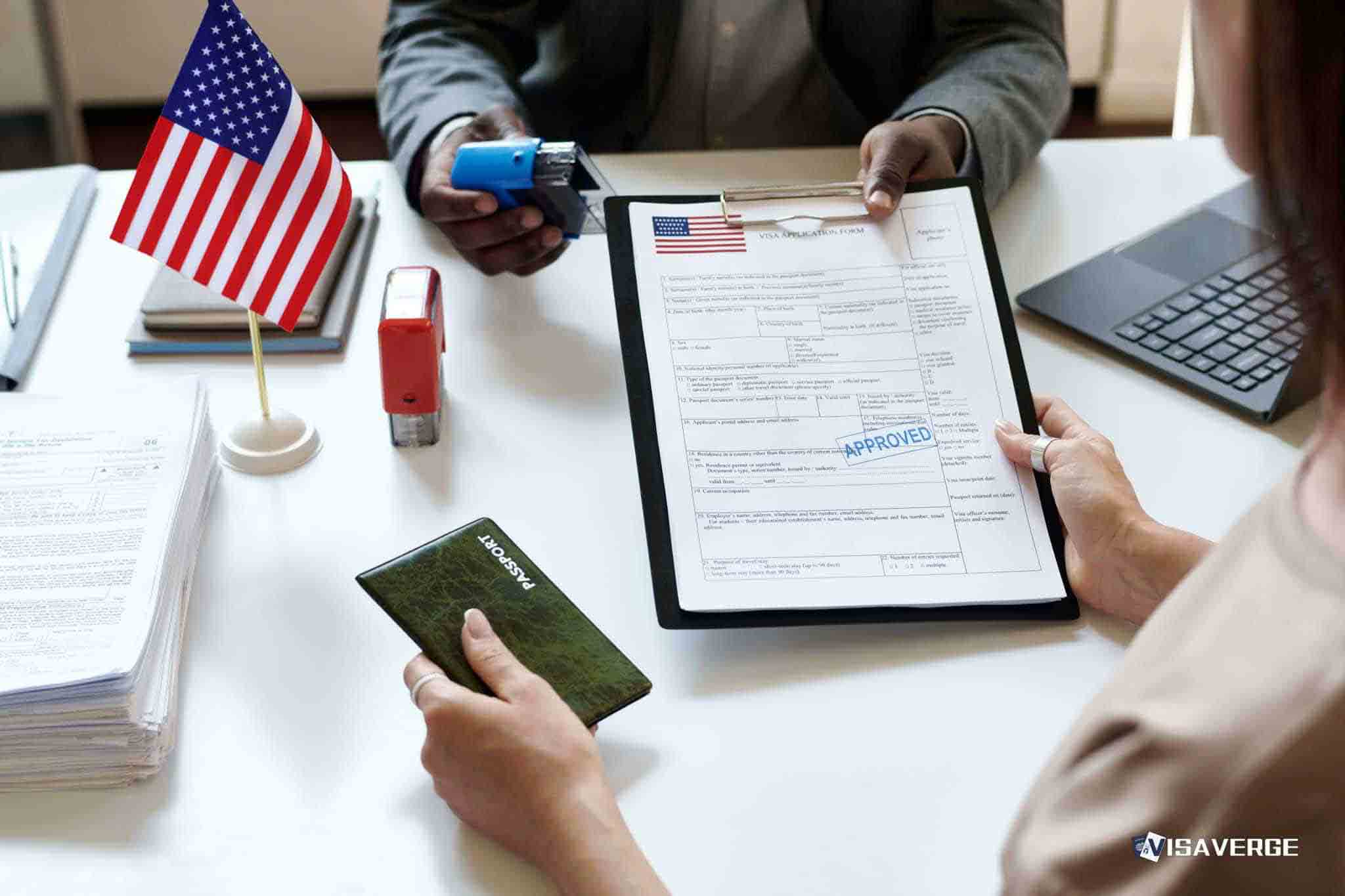
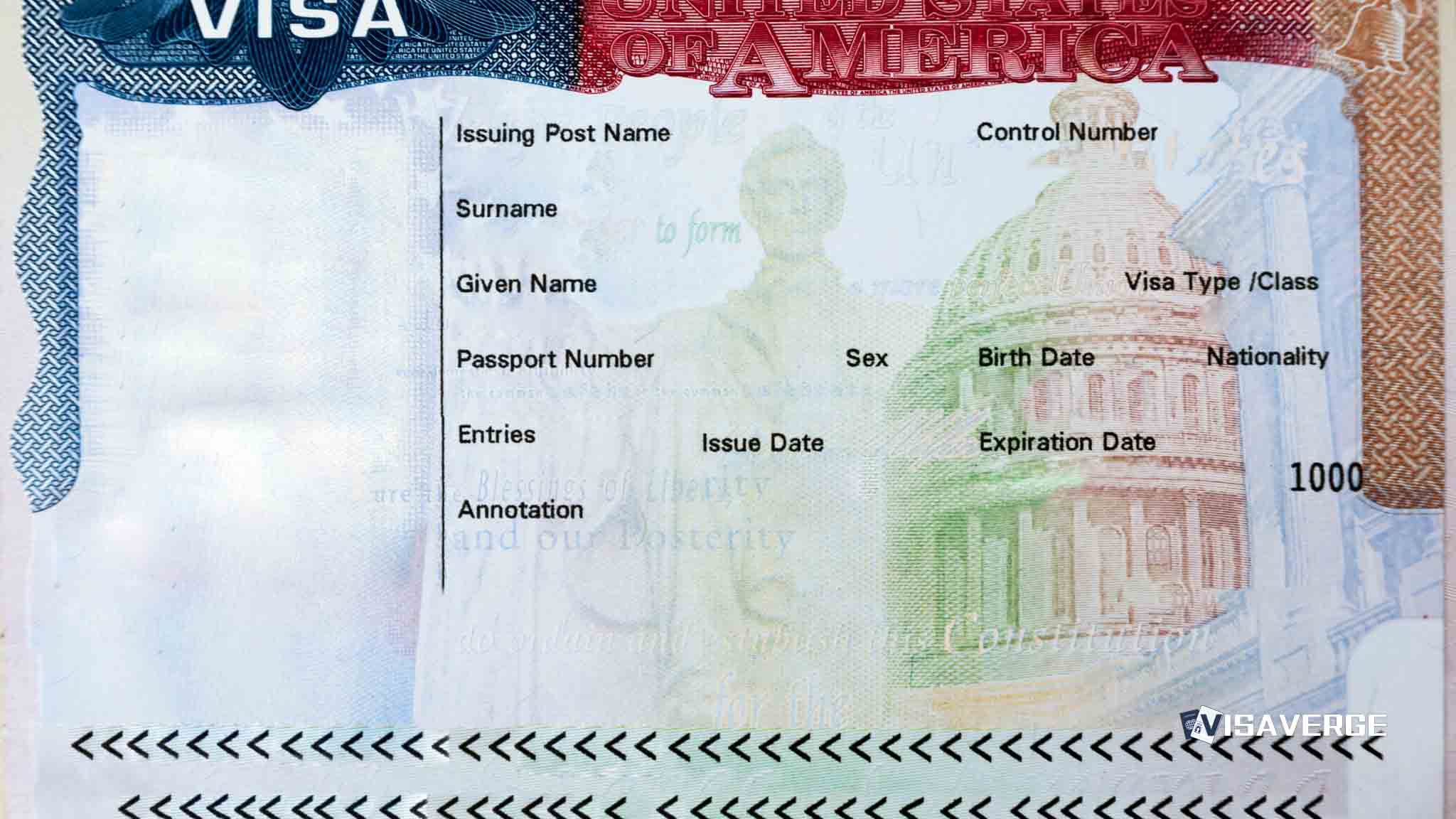
(UNITED STATES) — The U.S. Department of State (DOS) expanded digital vetting rules this year that require certain visa applicants to set their social media profiles to “public,” while warning that “massive last-minute edits or deletions of posts or removal of accounts” can raise suspicions at interviews.
Guidance issued through consular channels has told officers to treat “last-minute digital clean-ups” as a possible red flag, while weighing whether an applicant’s online presence matches the details in their visa paperwork.

Summary of the policy change
- As of December 29, 2025, the rules cover student and exchange visas in the F, M, and J categories and have been extended to H-1B and H-4 applicants.
- U.S. officials frame the changes as part of a broader national security screening effort that adds online presence checks to visa adjudication.
- Applicants in the covered categories are now required to keep profiles on major platforms such as Facebook, X, Instagram, and LinkedIn set to public for the duration of the vetting process.
Official statements and quoted guidance
“The State Department is committed to protecting our nation. Under new guidance, we will conduct a comprehensive and thorough vetting, including online presence, of all student and exchange visitor applicants in the F, M, and J nonimmigrant classifications.”
— Department of State media note, June 18, 2025“Every visa adjudication is a national security decision. applicants [must] credibly establish their eligibility for the visa sought, including that they intend to engage in activities consistent with the terms for their admission.”
— DOS expansion, December 15, 2025“Massive last-minute edits or deletions of posts or removal of accounts may appear as inconsistent or evasive to consular officers.”
— DOS advisory, December 19, 2025
Timeline (key dates and actions)
| Date | Action / Guidance |
|---|---|
| June 18, 2025 | Media note: comprehensive vetting of F, M, J applicants; instruction to adjust social media privacy to public. |
| December 15, 2025 | Expansion: requirement applied to H-1B and H-4 applicants; DOS states every visa adjudication is a national security decision. |
| December 19, 2025 | Warning issued about “massive last-minute edits or deletions” and account removals being suspicious. |
| December 29, 2025 | Summary noting the rules cover F, M, J and have been extended to H-1B/H-4; required public access during vetting reiterated. |
DOS media note: comprehensive vetting of F, M, J applicants
Reported practical consequences (Business Standard)
DOS expansion: requirement applied to H-1B and H-4 applicants
DOS advisory warning about last-minute digital changes
Policy effective summary: rules cover F, M, J and extended to H-1B/H-4
What applicants are now required or expected to do
- Keep social media profiles public during the vetting process.
- Disclose all social media handles used over the past five years on the
DS-160form. - Ensure consistency between online profiles and visa application materials (resumes, corporate documents, school records,
DS-160entries). - Avoid abrupt or large-scale deletions, handle changes, or account removals immediately before interviews.
Numbered steps applicants should follow before interview:
1. Review and ensure social media privacy settings are set to public for the relevant platforms.
2. Confirm that names, job titles, dates, and affiliations on profiles match documents submitted with the visa application.
3. List every handle used in the past five years on the DS-160.
4. Preserve posts and account history rather than performing last-minute deletions or changes.
5. Gather traditional supporting documents (education, employment, program records) in case of follow-up requests.
How consular officers are instructed to assess online content
- Officers were directed to look for “any indications of hostility towards the citizens, culture, government, institutions, or founding principles of the United States” (State Department cable, June 18, 2025).
- Inconsistencies between online profiles and application forms (including
DS-160and resumes) are treated as potential warning signs. - “Last-minute digital clean-ups” — handle changes, post deletions, account deactivations — are specifically flagged as reactive behavior that triggers deeper scrutiny.
- The digital content is being tied to the narrative presented in applications; consistency is treated as a central measure of credibility.
Practical impacts and reported consequences
- Many H-1B applicants in India and China reported appointments rescheduled into late 2026 or 2027 to allow for enhanced digital vetting (reported since December 15, 2025).
- Discrepancies between LinkedIn profiles and resumes frequently result in 221(g) notices, leading to months-long Administrative Processing.
- Reports include a described “chilling effect” among international students and instances where travelers were denied entry after Customs and Border Protection (CBP) officers found allegedly “hostile” memes or “unauthorized work” discussions in digital histories (account attributed to Business Standard, July 2025).
Common red flags highlighted to officers
- Sudden deletions, handle changes, account deactivations shortly before interview.
- Mismatches between LinkedIn job titles and formal corporate/immigration documentation.
- Online activity that contradicts claimed nonimmigrant intent or the reason for travel.
- Indications of hostility toward the United States’ citizens, culture, government, institutions, or founding principles.
The advisory frames abrupt deletions not as benign “clean-ups” but as potentially evasive actions that can increase scrutiny.
Avoid mass deletions, name changes, or sudden privacy shifts close to interview day. Such last-minute edits can raise red flags and lead to deeper questioning or delays in processing.
Relationship to other agencies and enforcement at ports of entry
- The Department of Homeland Security (DHS) and CBP also engage in digital screening as part of admissibility decisions at ports of entry.
- DOS handles visa adjudications; DHS has authority at the border and in airport inspections where digital history may be reviewed.
- The policy change is part of a broader multi-agency infrastructure refining digital screening practices across government.
Operational considerations for applicants
- The policy requires public access and consistency while not reducing the need for traditional documentary evidence (education, employment, program records).
- The
DS-160five-year social media disclosure requirement increases the importance of providing accurate and complete handle histories. - The requirement to keep profiles public applies for the duration of the vetting process, including when administrative processing or rescheduling extends timelines.
Where to find official information
Public-facing U.S. government pages for updates include:
– U.S. Department of State Newsroom
– DHS Newsroom
– USCIS Policy Manual Updates
– Federal Register — search for “CBP ESTA Social Media 2025” for related items
Final advisory points emphasized in summaries
- Officers may treat abrupt account changes as suspicious and expect the
DS-160and other application materials to match what is visible online across a five-year window. - The government’s posture is blunt: “massive last-minute edits or deletions of posts or removal of accounts” “may appear as inconsistent or evasive to consular officers.”
The U.S. Department of State has implemented stricter digital screening for H-1B, H-4, and student visa applicants. The policy mandates that social media profiles remain public during the vetting process. Crucially, the government warns that ‘last-minute digital clean-ups’—such as deleting posts or deactivating accounts—can be seen as suspicious. Applicants are evaluated on the consistency between their online presence and their official visa documentation.