- Foreign nationals can apply for emergency visa extensions due to Middle East airspace closures.
- Applicants should contact the Foreigners Regional Registration Office to avoid overstay penalties and fees.
- The process requires proof of flight cancellation and can be completed via the e-FRRO portal.
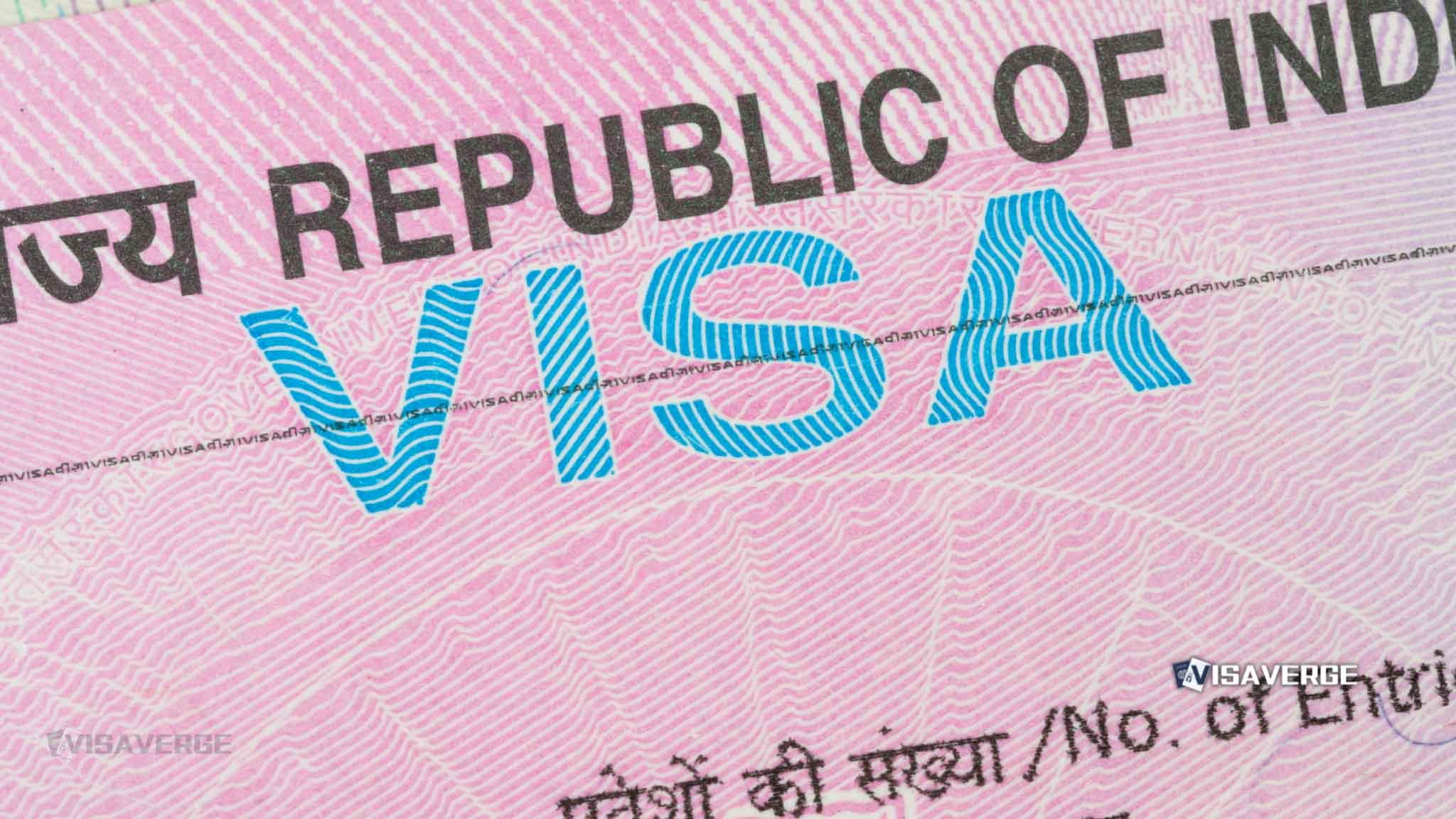
(INDIA) — India’s Ministry of External Affairs (MEA) issued an advisory on March 1, 2026 telling foreign nationals stranded in the country by Middle East airspace closures and flight cancellations to contact their nearest Foreigners Regional Registration Office (FRRO) for an emergency visa extension.
The MEA directed travellers to work through FRROs to complete formalities on a case-by-case basis, framing the step as a way to avoid inadvertent overstay penalties for visitors whose departures have been disrupted by the regional security situation.
The advisory followed travel disruption tied to US and Israel joint strikes against Iran on Saturday, February 28, 2026, after which multiple countries closed their airspaces and airlines cancelled hundreds of flights.
Across India, airports recorded significant cancellation counts on March 1. Kerala’s three international airports had 80 cancellations, while Bengaluru, Hyderabad, and Delhi combined saw 100 flight cancellations.
Mumbai recorded 98 cancellations, Hyderabad 44, Bengaluru 37, and Delhi 27 cancellations, according to the figures cited in the guidance.
Alongside tourists and short-term visitors, the advisory pointed to international students whose visas expire in early March, positioning the FRRO-led process as reassurance for those unable to depart as planned.
The government’s direction centred on initiating contact with the nearest FRRO, which handles registration and immigration-related services for foreign nationals in India. Travellers were told to locate the appropriate office through the official directory at boi.gov.in.
The MEA’s message said FRROs concerned would assist with necessary formalities on a case-by-case basis, with the intent of keeping the process “hassle-free” for stranded foreign nationals seeking an emergency visa extension.
State governments also set up information counters at all airports to help stranded tourists, the guidance said, adding an on-the-ground layer for travellers trying to navigate cancellations and rapidly shifting airline schedules.
For many stranded passengers, the first practical decision is whether to approach the FRRO digitally or in person, but the preparatory work starts the same way: assembling a complete set of documents that explains identity, current permission to stay, and the reason travel has been disrupted.
The required documents listed in the guidance included an original passport with the current visa endorsement, plus a photocopy of the passport and the current visa.
Applicants were also told to keep four recent passport-sized photographs on a white background ready for submission, as well as proof that the flight was cancelled, including retained proof of cancelled tickets.
The documentation list also included proof of legal stay in India, such as hotel bookings or a letter from a host, along with proof of a residential address in India.
An application form is required as well, with the guidance indicating it can be obtained from the FRRO or completed online, depending on the route chosen.
The MEA-linked process described two methods to apply, with online filing through the e-FRRO portal presented as the recommended option for most stranded travellers seeking an emergency visa extension.
Under that online route, applicants were told to use the official e-FRRO portal, create a user account using a personal email ID, complete the visa extension application form online, and upload all required documents digitally.
After uploading, the process calls for an online fee payment and then the issuance of a reference number that can be used to track the application’s status.
The in-person route, also described in the guidance, requires travellers to locate the nearest FRRO office, schedule an appointment if required, submit the completed application form and supporting documents in person, and pay the extension fee at the office.
In both channels, the fee element was presented as straightforward but potentially variable. The standard fee set out in the guidance for visa extensions is ₹1,000, though the same material noted that costs may vary depending on nationality and the purpose of stay.
Payment can be made online or directly at the FRRO office, the guidance said, a point aimed at keeping the process workable for travellers whose access to banking or digital payments may differ.
After submission, the FRRO issues a reference number, and the guidance said this number allows the applicant to track the application’s progress online.
Processing time in the guidance was described as typically within 15 days, while also noting that timelines vary depending on FRRO workload, an issue that can become more pronounced when a sudden surge of stranded passengers hits multiple regions at once.
For travellers facing imminent expiry dates, that processing window makes early contact with the FRRO a practical priority, especially for those with flights cancelled and replacement seats difficult to secure.
Once approved, the extension is delivered electronically. The guidance said applicants receive the extension visa as a PDF via email, aligning with the government’s push for electronic processing during disruption.
The same information said a passport endorsement is generally not required, but if one is needed, the FRRO will notify the applicant to visit the office.
Duration of the extension can vary widely. The guidance said an Indian visa can be extended for 1 month to 1 year depending on FRRO discretion and the individual’s stay duration.
The scope for that range matters for travellers whose flights resume quickly as well as those facing longer periods of disruption, with the FRRO positioned as the authority deciding what length fits the circumstances.
For international students, the advisory carried a separate operational note. Universities have been asked to issue confirmation letters if extensions exceed the usual 14-day grace period, the guidance said.
That university letter component links immigration paperwork to institutional records, and it can become especially relevant for students who need to demonstrate continuing academic status while their departure plans remain uncertain.
Travel logistics can also continue after an extension is issued, particularly when outbound routes reopen and airlines restart schedules in waves. The guidance cited advice from travel-risk consultants urging travellers to keep digital copies of new FRRO endorsement stamps because airlines may request them at check-in when outbound flights resume.
Airline document checks can be uneven across routes, and the emphasis on readily accessible digital copies reflects a practical response to passengers moving through crowded terminals with limited time to resolve questions at the counter.
The guidance also carried a warning about how extensions are processed. It urged that any services granted be electronic rather than manual, stating that manual services may cause issues at immigration checkpoints.
For urgent cases, the material said travellers facing exigency or emergency situations can approach the FRRO office directly for immediate assistance, even as the broader process encourages digital filing.
Alongside official channels, the guidance described an additional digital submission option through VisaHQ, saying the VisaHQ online portal tracks the latest FRRO directives and allows digital document submission with live guidance.
The presence of that option reflects how some travellers look for structured help assembling paperwork during disruptions, even while the official process runs through the FRRO system.
At the centre of the MEA advisory was a message that travellers do not need intermediaries. The guidance said the MEA emphasized that FRROs will provide assistance without requiring intermediaries or agents, and that services should be processed electronically to avoid complications during future travel.
For stranded foreign nationals, the emergency visa extension pathway described by the MEA is therefore both procedural and time-sensitive: identify the correct FRRO, assemble documents that support lawful stay and a cancelled departure, file online through the e-FRRO system when possible, and keep the resulting reference number and PDF extension accessible for airport and airline checks.
The advisory landed amid a fast-moving regional conflict that has closed airspace and pushed flight cancellations into India’s largest travel hubs and key international gateways, leaving many travellers dependent on administrative flexibility as they wait for flights to resume.