- Egyptian authorities detained a woman for running a fraudulent Hajj and Umrah visa scheme through social media.
- The suspect defrauded victims by selling unlicensed pilgrimage packages including fake flights, accommodations, and visas.
- The arrest follows a broader enforcement crackdown after the 2024 Hajj season was marred by travel fraud.
(EGYPT) — Egyptian authorities detained a woman accused of running a fraudulent Hajj and Umrah visa scheme through social media and an unlicensed travel company, defrauding at least 11 victims who paid for promised visas, flights, and accommodations that were never provided.
Victims reported losses to police, and the complaints led to her custody and ongoing legal proceedings. Authorities have not identified the woman in the material provided.
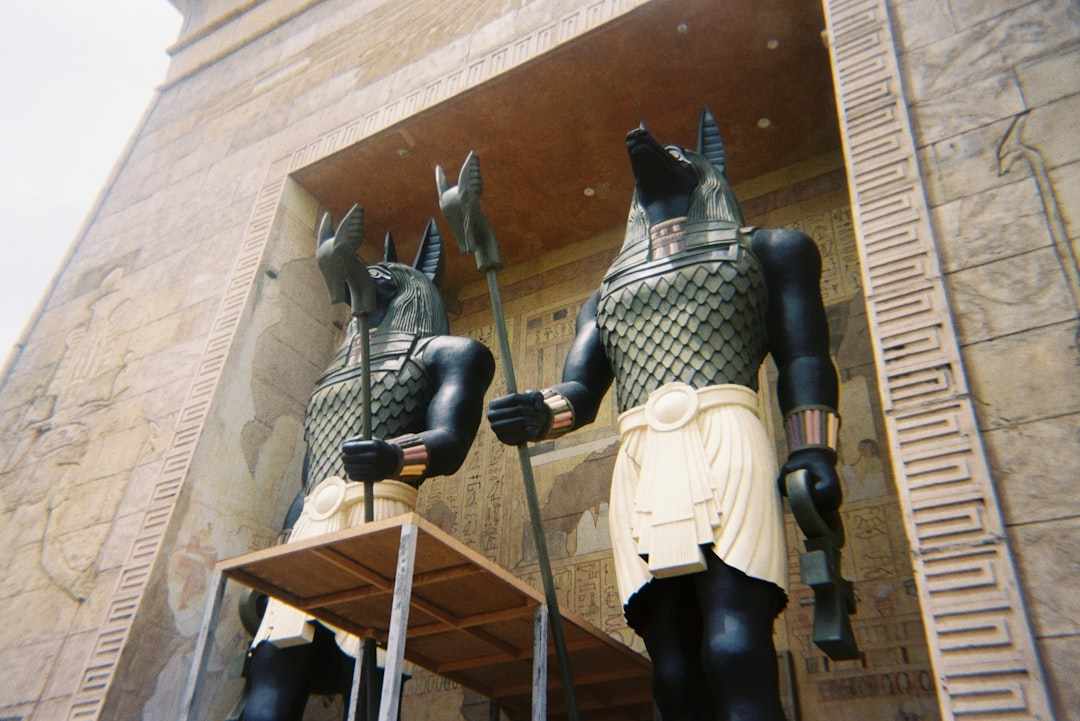
The allegations describe a familiar pattern in a Hajj visa scam: discounted pilgrimage packages advertised online, quick payments collected from would-be pilgrims, and no permits or bookings issued after the money changed hands.
Hajj and Umrah trips can draw fraud because demand is intense and timing is fixed. People looking for affordable packages can become vulnerable to offers that seem to solve rising costs with a “limited-time” deal.
In the case that prompted the detention, the woman advertised discounted pilgrimage packages targeting those seeking affordable Hajj or Umrah trips. Prosecutors allege she delivered none of the promised travel components.
The suspected operation relied on social media promotion and an unlicensed travel entity, the material said. That detail matters because licensing often determines whether a company can legitimately market and arrange pilgrimage travel.
Egypt has faced repeated allegations of fraud tied to Hajj travel, including cases involving large groups of victims and cross-border elements. Several examples referenced in the material involve recruitment and promotion that reached beyond a single family or neighborhood.
One related case cited involved a woman named Shaimaa, accused of scamming a victim named Sarah from Tahta, Sohag, and 14 others. The material said payments included 78,000 EGP.
Victims in that case filed complaint number 19161 on December 15. The year was not specified in the material.
The same account said Shaimaa’s case resulted in her arrest, a three-year sentence, and release on bail pending appeal, and it described her current status as at large. The sequence illustrates how alleged schemes can continue to ripple even after an arrest, as appeals and bail decisions play out.
Another case referenced a Saudi woman arrested in Cairo for defrauding 260 Egyptians of 1.5 million Egyptian pounds in a similar Hajj scam. A separate incident involved Saudi Makkah police arresting two Egyptians—a man and a woman—for promoting fake Hajj campaigns.
The overlap across jurisdictions underscores the risks of relying on informal brokers or unverifiable intermediaries for a trip that requires the right permissions at the right time. When promises are made in messages and payments are rushed, victims can discover the gap only when travel dates approach.
The allegations in the latest case describe a sequence that many victims recognize too late. An attractive offer appears, pressure follows to pay quickly, and the seller assures the pilgrim that visas and bookings will come later.
Fraud often becomes clear when a provider fails to deliver key items that can be checked in advance. Victims may receive vague references, informal receipts, or booking details that cannot be verified, then face silence or repeated delays.
One recurring warning sign is the lack of documentation that ties a payment to a specific set of deliverables. If a seller cannot produce written terms that match what was advertised—visa type, flights, accommodation, and transport—travelers can end up with little leverage once money is gone.
Another red flag is when a package depends on layers of agents and brokers who do not clearly identify the contracting party. In several of the cases referenced, intermediaries played a role in introductions or payment collection, leaving victims unsure who held responsibility.
Requests for payment that cannot be traced back to a company can add risk. The material referenced informal channels and brokers, and victims in the broader set of cases described paying quickly after personal introductions.
Many victims escalate to police only after non-delivery becomes unavoidable, the material suggested, because the trip’s fixed schedule compresses decision-making. By the time a pilgrim demands proof, the departure window may be close, limiting options.
Fraud also often exploits confusion about visa types and what they allow. The material tied 2024 cases to agencies that issued tourist visas instead of Hajj visas, leaving pilgrims exposed during the pilgrimage period.
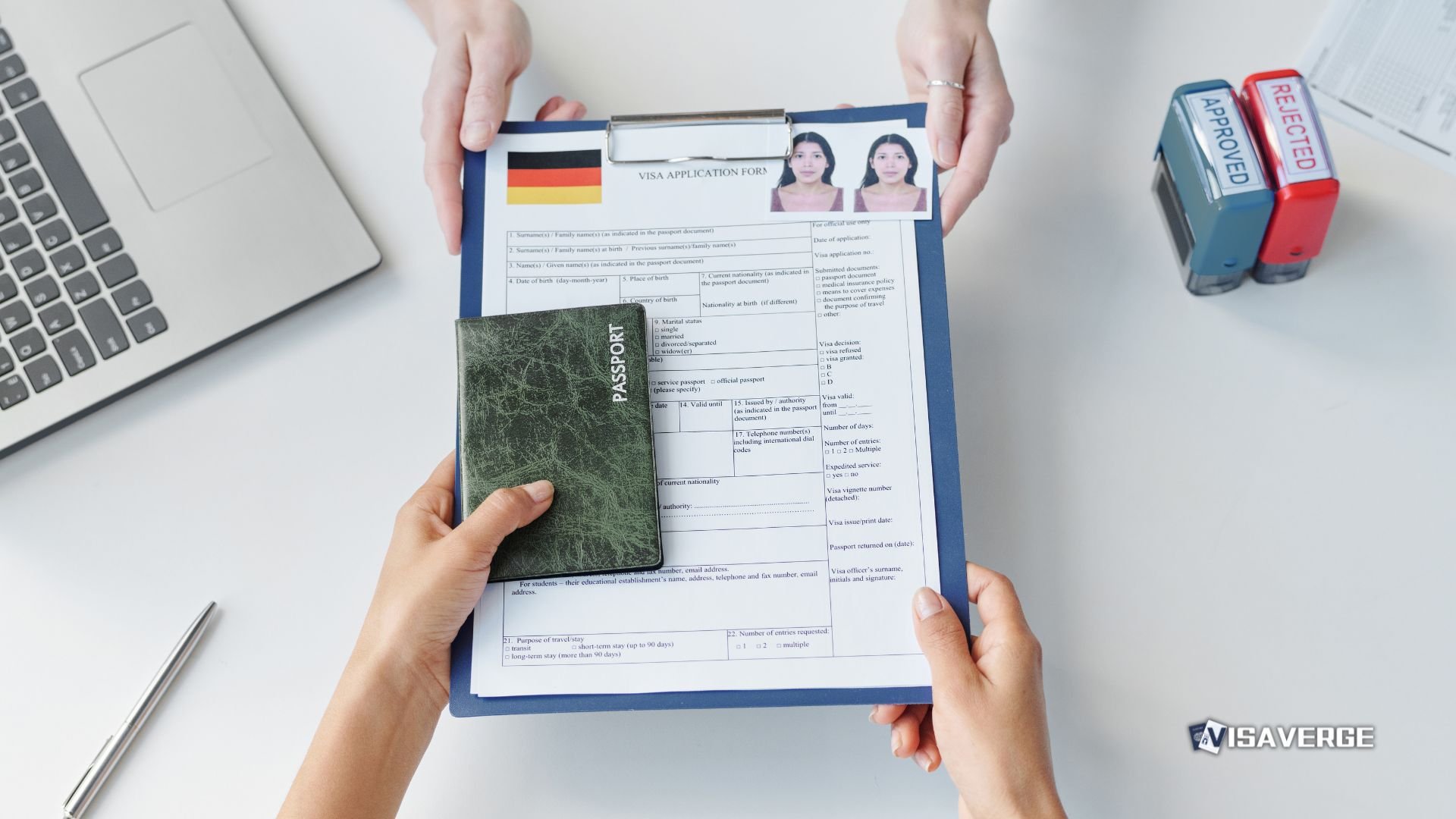
Hajj travel is regulated differently from general tourism and Umrah. For travelers, that difference can be reduced to four checks before payment: the purpose stated on the visa, the activities it permits, the channel that issued it, and the practical risk if it does not match the trip.
A traveler can start with the stated purpose and allowed activities, because legitimate-looking documentation may still not authorize Hajj participation. A mismatch can mean services linked to the pilgrimage do not apply, even if a traveler has flights and a hotel.
The issuance channel also matters because it signals whether the trip was arranged through an authorized pathway. When a provider cannot show who issued the visa, or how it was obtained, that uncertainty can translate into real-world problems at the destination.
Dates and conditions should match the traveler’s passport details and itinerary. Travelers can check that names and passport numbers match exactly, and that the dates align with the planned trip, rather than relying on screenshots or verbal assurances.
Before handing over money, travelers can ask direct questions and insist on proof. Which visa type will be issued, who will issue it, what documentation will be provided before departure, and what happens if any component—visa, flight, hotel, transport—fails to materialize.
The material connected the latest arrest to a broader enforcement picture shaped by the 2024 Hajj season, when Egypt faced a deadly fraud crisis. It said Egyptian agencies like Ethar for Tourism and Transport and Al-Nimrah for Hajj and Umrah issued tourist visas instead of Hajj visas.
That practice left pilgrims without medical access, the material said, and it described a licensing crackdown in which over a dozen agencies lost licenses. The safety stakes were sharpened by heat risk and crowd management during the pilgrimage period.
The material drew a distinction between media-reported casualty figures and officially confirmed numbers. Media reported up to 1,000 Egyptian deaths from heat exhaustion, while official confirmation stood at 31.
More than 50,000 Egyptians participated officially, the material said. That scale helps explain why fraudulent offers can spread quickly: many families plan years ahead, and demand concentrates in a short period.
The cases also highlight how being undocumented, or incorrectly documented, can block access to accommodations, transport, or medical support. Even when people believe they have arranged a complete package, the underlying authorization can determine what services they can use.
In the 2024 examples referenced, individuals described paying substantial sums through intermediaries. One case cited Hanaa paying 85,000–110,000 EGP via a broker linked to Al-Aziz Travel Company in Damietta.
Another example cited Heyam Hosny paying 135,000 EGP after meeting “Metwally” of Ethar. The material did not provide further identification of Metwally.
These accounts show how broker networks can amplify an Umrah visa scheme or Hajj package fraud by borrowing trust from community connections. A friend-of-a-friend introduction can make a rushed payment feel safer than it is.
They also show why victims may lack a formal paper trail even when they have strong evidence of what was promised. Messages, call logs, bank transfers, and meeting details can become central when contracts are absent.
When a promised package includes multiple elements—visa, flight, accommodation, and transport—victims can document each part separately. What was promised, what was delivered, and what never arrived can be mapped against receipts, messages, and any reference numbers provided.
Even informal receipts can matter when they include dates, amounts, and identifying details such as phone numbers or account information. For victims who paid through transfers, the destination account number can help investigators follow the money.
For those approached by brokers, names and meeting locations can also become relevant. Witness names and the sequence of introductions can help police understand how the network operated, especially where multiple victims describe the same intermediaries.
The enforcement record described in the material suggests several routes for victims seeking redress, while outcomes vary. In the latest case, victims filed reports with police, leading to the suspect being detained and legal proceedings underway.
People who believe they were scammed can preserve communications and act quickly with whatever documentation they have, including proof of payment and the details of the offer. Prompt reporting can also help identify additional victims who received the same pitch.
Prospective pilgrims can reduce exposure by verifying licensing and insisting on written terms that identify the contracting party and spell out what is included. Where a provider relies on brokers, travelers can require clarity about who holds responsibility for delivering visas, flights, and accommodation.
Safer payment practices can help when disputes arise. Avoiding cash and preferring traceable methods can preserve options if a promised trip collapses, while insisting on invoices and company payment channels can reduce confusion over who received funds.
The material’s cases also point to a secondary risk: “recovery” approaches that promise to retrieve lost money. Victims may face pressure to pay additional fees to intermediaries, even as investigations take time and legal processes unfold.
For families, the consequences can be immediate, because Hajj dates do not move for individual travelers. When a promised visa or booking fails to appear, people can find themselves stranded financially and emotionally, with little time to secure alternatives.
Egypt’s latest detention adds to a record of repeated allegations, ranging from at least 11 victims in the current case to groups of 260 and 15 cited in other examples. The pattern, described across multiple incidents, shows how quickly a fraudulent offer can spread when it is marketed as the affordable path to a once-in-a-lifetime journey.