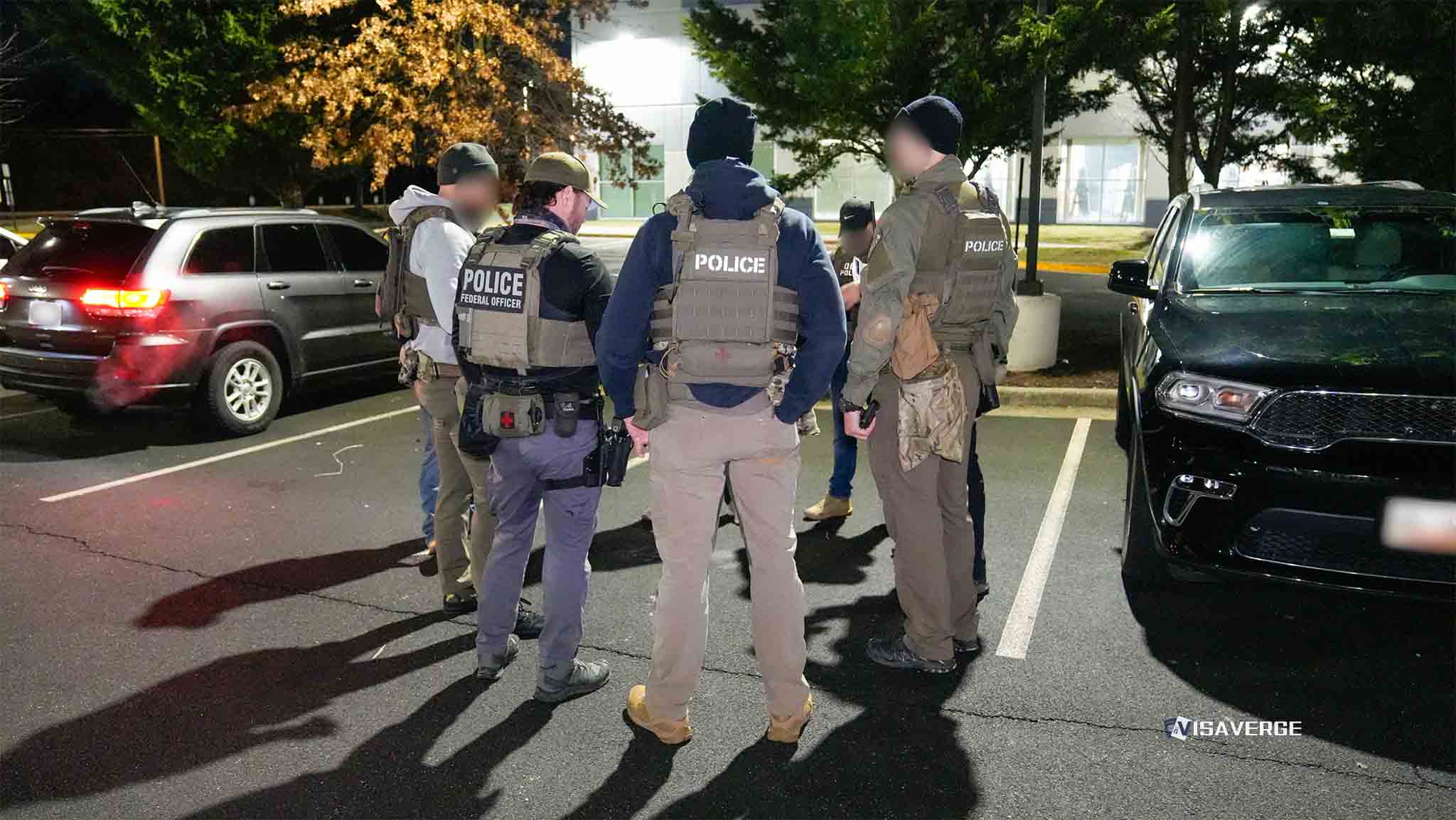
- Authorities confirmed active TB and COVID-19 cases at Camp East Montana ICE facility in El Paso.
- Representative Escobar warned that one-third of detainees suffer from chronic illnesses requiring daily medication.
- The outbreak occurs amid allegations of severe overcrowding and a recent homicide ruling involving staff.
1) Overview of the outbreak at Camp East Montana
A TB outbreak alongside a COVID surge at Camp East Montana is renewing focus on medical care quality, overcrowding, and accountability in U.S. detention facilities. On February 7, 2026, officials and local government confirmations reported 2 active cases of tuberculosis and 18 cases of COVID-19 at Camp East Montana, an ICE facility in El Paso, Texas. Two infections. Eighteen more. In a congregate setting, those numbers can carry outsized consequences.
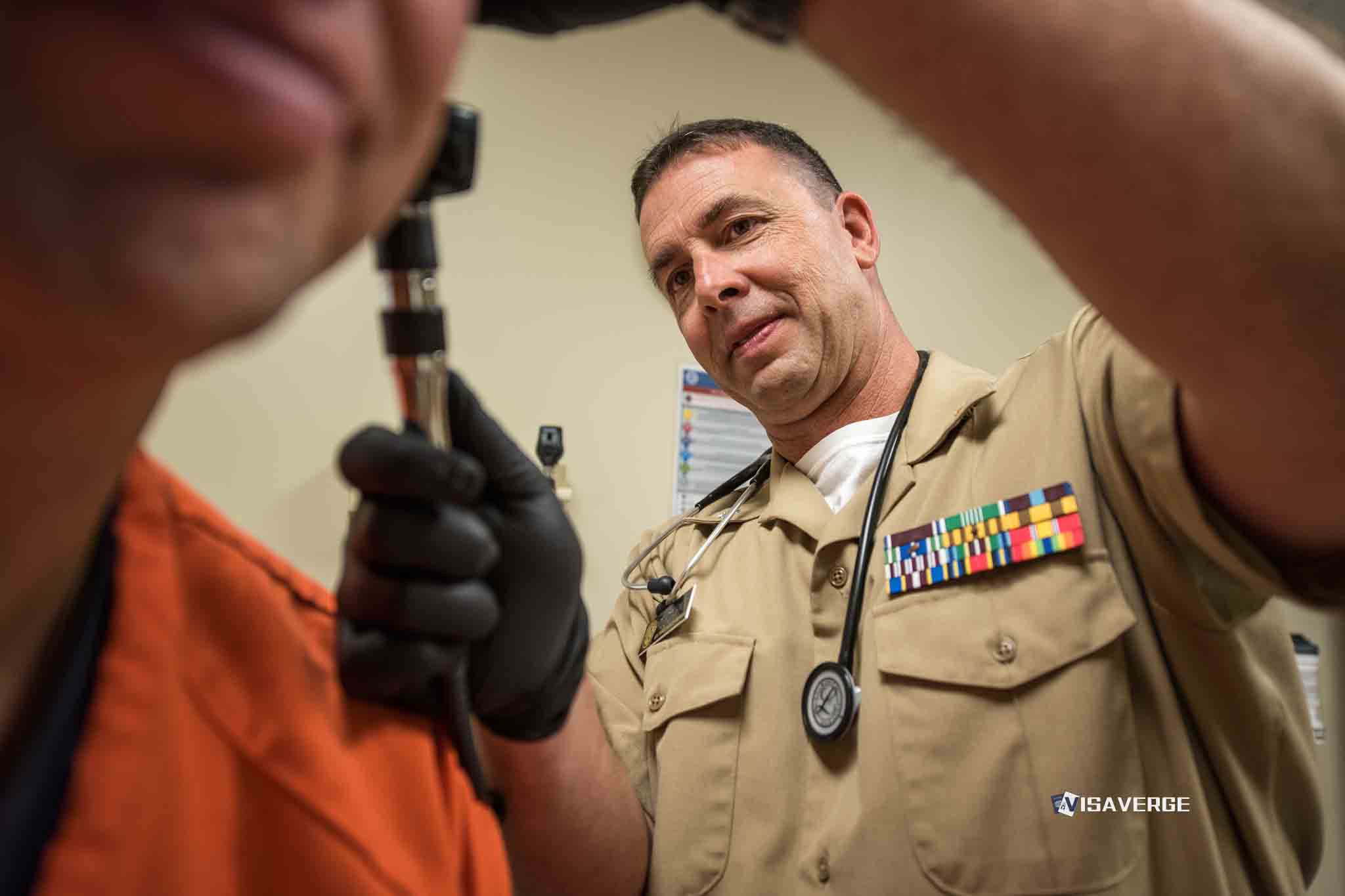
“Active TB” generally refers to a person with ongoing tuberculosis disease who may be contagious, especially if the TB involves the lungs or throat. That differs from latent TB infection, where someone carries TB bacteria but typically has no symptoms and is not contagious. Detention centers also track “exposures,” meaning close contact with a person who may have active disease. Each category can trigger different public health actions.
Crowded detention settings can increase transmission risks because detainees share bathrooms, sleeping areas, meal lines, and transport routes. Staff rotations and transfers between units can also complicate containment. Movement is constant. So is close contact.
2) Facility details and population
Camp East Montana sits on the Fort Bliss Army base and has been described as a large, temporary “tent city” detention complex. The stated bed capacity is 5,000, which matters because outbreak control often depends on space for medical isolation, quarantine, and clinical observation. A facility can have protocols on paper. It still needs room to execute them.
By the end of January 2026, the facility held about 3,100 people, including 325 women. Those population characteristics affect daily operations in practical ways, such as privacy during medical evaluations, continuity of prescriptions, and the ability to separate medically vulnerable people. Gender-specific housing also changes how isolation space is allocated. Beds are not interchangeable.
Population flow matters as much as headcount. Intake, transfers, and removals can move respiratory illness across units, and sometimes across borders, before symptoms appear or testing catches up.
Table 1: Facility facts and health outcomes (quick reference)
| Item | Detail | Source/Date |
|---|---|---|
| Confirmed tuberculosis cases | 2 active TB cases reported at Camp East Montana | February 7, 2026 |
| Confirmed COVID-19 cases | 18 COVID-19 cases reported at Camp East Montana | February 7, 2026 |
| Facility setting | “Tent city” on Fort Bliss Army base in El Paso, Texas | Public reporting / facility description |
| Stated bed capacity | 5,000 beds | Public reporting / facility description |
| Population level | About 3,100 detainees | End of January 2026 |
| Women detained | 325 women | End of January 2026 |
| Detainee deaths early in operation | 3 deaths in first six months | Public reporting / oversight accounts |
| Autopsy finding | Geraldo Lunas Campos death ruled homicide | January 21, 2026 |
3) Health status and chronic conditions among detainees
Rep. Veronica Escobar tied the outbreak concern to baseline medical vulnerability inside the facility. After a February 6, 2026 site visit, she said on February 7, 2026 that “around one-third of detainees have a chronic illness and around 200-300 detainees require daily insulin.” That is a medical care warning sign, not just a policy talking point.
Chronic illness changes the risk profile during respiratory outbreaks. People with diabetes, heart disease, lung disease, or immune suppression can face higher complication rates from infections. A facility also has to maintain routine care while responding to an outbreak. That balance often breaks first during staffing shortages or lockdown measures.
Daily medication access becomes a life-or-death operational issue when movement is restricted. Insulin is the clearest example because missed doses can quickly trigger emergencies. Other common needs include blood pressure drugs, asthma inhalers, anticoagulants, and psychiatric medications. Delays compound fast. Small failures can become acute crises.
Screening and symptom monitoring in detention typically includes intake questionnaires, vital signs checks, and escalation pathways for cough, fever, or breathing problems. TB control usually adds targeted testing and follow-up, especially after exposure notifications. Execution matters as much as protocol. Staffing and space often decide whether monitoring is meaningful.
4) Context of disease outbreaks and related events
February’s TB detection did not happen in a vacuum. On February 2, 2026, DHS addressed a separate outbreak event involving measles at the Dilley facility in Dilley, Texas, describing “appropriate and active steps to prevent further infection” and stating that detainees were receiving “proper medical care,” in remarks attributed to Tricia McLaughlin. Different pathogen, same operational stressors.
Outbreak response in congregate settings commonly includes rapid testing, contact tracing, medical isolation, quarantine of close contacts, cohorting by exposure status, enhanced cleaning, and restrictions on movement. Communication protocols also matter, including how detainees are notified, how families learn about lockdowns, and how attorneys can contact clients. Delayed notice can affect case deadlines. It can also affect health outcomes.
Readers watching DHS and ICE communications often look for specific details: when symptoms began, how many people were tested, what isolation spaces exist, how long quarantine lasts, and how medical staffing levels compare to ordinary operations. Numbers without methods leave gaps. Timelines fill them.
5) Significance, impact, and scrutiny
Serious illness reports at Camp East Montana are landing amid existing alarms about deaths and alleged neglect. In the facility’s first six months, 3 detainees died. One case drew particular attention after an autopsy: Geraldo Lunas Campos, age 55, whose death was ruled a homicide on January 21, 2026, caused by “pressure on his neck and chest” applied by facility staff. That finding raises the stakes for oversight because it points beyond medical error into potential use-of-force accountability.
USPHS officers and other officials have described conditions as “overcrowded to about three times its capacity” and “critically understaffed.” Medical professionals reported “moral distress,” describing delays in medication delivery that they viewed as life-threatening. Accounts also described “batch screenings” that can violate confidentiality. Those are not abstract complaints. They can shape legal claims about care standards and access.
When detention medical care is questioned, several oversight channels can become relevant. Internal grievance systems may document delays, denials, or unsafe housing. Attorneys often seek records to evaluate continuity of care, medication logs, and incident reports. Court filings can arise in individual cases, including emergency requests tied to medical vulnerability or inadequate treatment. Congressional inquiries and Inspector General reviews can also drive disclosure and corrective action. Outcomes vary by case and jurisdiction. Lawyers evaluate facts and available remedies.
Table 2: Oversight and accountability pathways
| Pathway | What it covers | Typical timelines |
|---|---|---|
| Internal grievances | Reports of medical delays, housing conditions, access to care, retaliation claims | Often days to weeks, depending on facility rules |
| Records requests by counsel | Medical records, medication administration logs, incident reports, transfer notes | Weeks, sometimes longer if disputed |
| Court filings (individual cases) | Requests for medical evaluation, release, transfer, or injunctive relief | Can move quickly in emergencies; otherwise weeks to months |
| Congressional / IG inquiries | System-wide review, document requests, interviews, compliance checks | Often months, sometimes longer |
⚠️ Note: Health and legal implications mean detainee rights and care standards are central to ongoing investigations and policy discussions.
6) International and governmental responses
Cross-border consequences can surface when detention outbreaks overlap with removals. On January 21, 2026, the Guatemalan government reported receiving a deportee from Texas who showed TB symptoms despite arriving with a U.S. report saying he tested negative. That does not prove a false test. It does highlight timing limits.
TB screening depends on what test was used, when it was administered, and whether disease had progressed enough to be detectable. Symptom onset can occur after travel, or symptoms may be missed in brief evaluations. The key clarifiers usually include the date of testing, the type of test, the clinical notes used for clearance, the removal timeline, and what follow-up care was arranged upon arrival. Consular officials may seek answers for public health planning. Local health agencies may track contacts.
Interagency coordination often involves separate roles. ICE and DHS manage detention operations and detainee movement. The City of El Paso Public Health function focuses on public health notification and local response capacity. USPHS clinicians may be embedded in federal response work. USCIS generally does not run detention facilities, even though its communications may be cited in broader immigration reporting.
7) Official sources and where to verify information
Verification starts with checking whether statements are current and whether they are direct releases versus secondhand accounts. Readers can look at publication dates and update logs, then compare language across agency outlets. A press release usually lists a date, a responsible office, and a contact. A social media post may be timely but incomplete.
Cross-checking also means comparing federal detention statements with local public health notices, when available. In this case, the City of El Paso Public Health confirmed receiving official notice of TB at the facility on February 7, 2026. Local health departments often provide the most actionable outbreak guidance. They may also signal whether broader community risk is expected.
Agency roles differ. DHS and ICE are responsible for detention conditions and medical care inside federal immigration detention facilities. USCIS typically is not. Still, the USCIS Newsroom can be a reference point for immigration-wide announcements and context: USCIS Newsroom. For detention-specific updates, readers generally prioritize ICE and DHS communications, then confirm against local public health notices.
✅ Readers should verify official statements via ICE Newsroom or DHS Newsroom and cross-check with local public health notices for current conditions.
This article discusses health conditions and detention practices with potential legal implications. Guidance is informational and not a substitute for legal advice.
Readers should consult official government statements and local health authorities for the most current information.