- A Palestinian detainee suffered a seizure while in ICE custody at a Texas facility.
- The family alleges no communication for days during the 72-hour hospitalization period.
- Advocates claim the detention punishes protected speech related to student protest activity.
Thursday, February 12, 2026 — A 33-year-old Palestinian Muslim detainee in ICE custody suffered a seizure at a Texas detention facility, was hospitalized, and then returned to detention, while her family and legal team say they received no updates for days. The case of Leqaa Kordia has drawn renewed scrutiny to how medical emergencies are handled inside civil immigration detention—especially communication with relatives and counsel, and the due-process protections that apply during administrative custody.
Section 1: Incident Overview
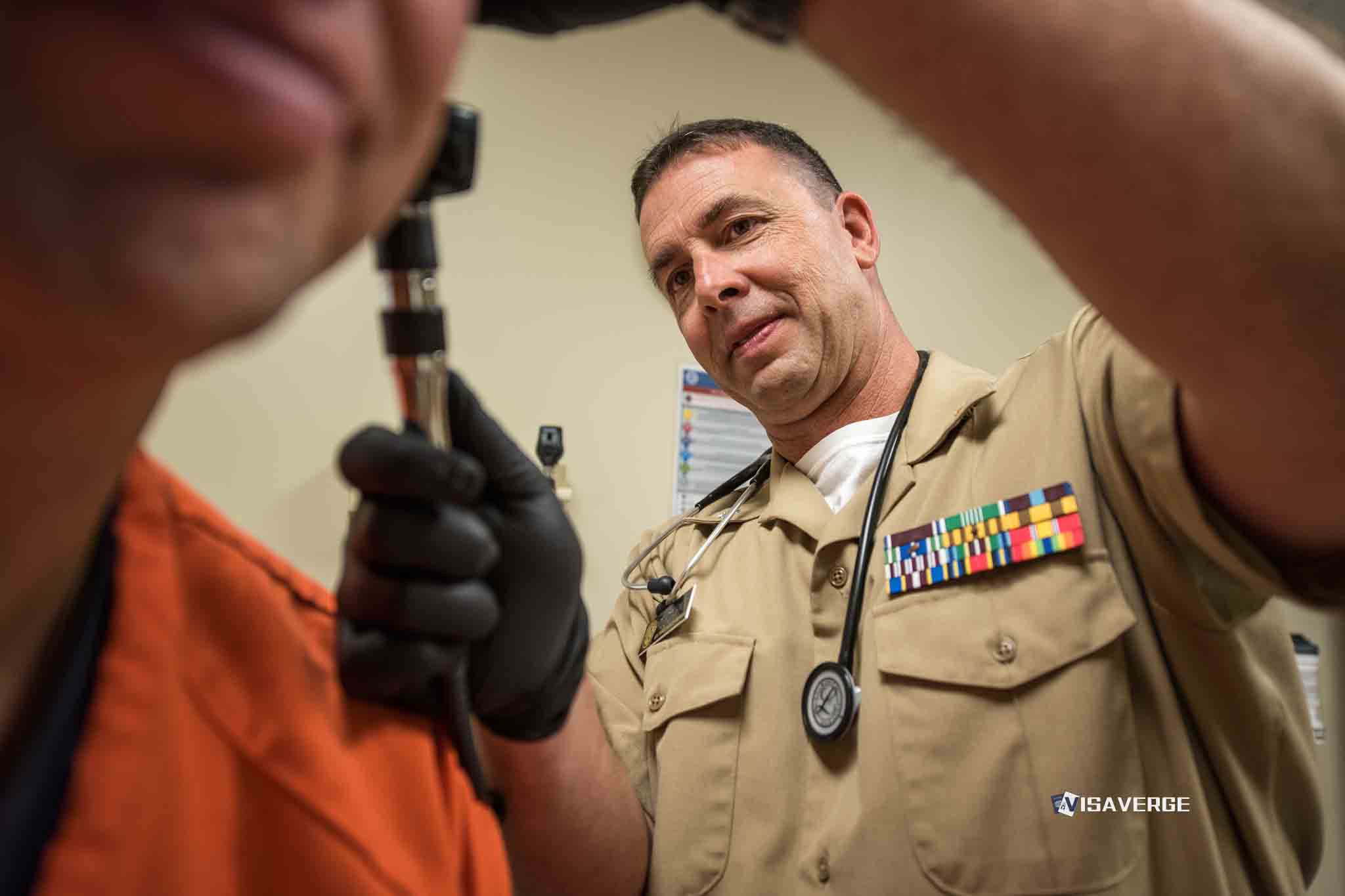
Leqaa Kordia suffered a seizure on February 6, 2026, while held at Prairieland Detention Center in Alvarado, Texas. She was taken to Texas Health Huguley Hospital in Burleson, Texas, stayed for about 72 hours, and was returned to ICE detention on February 9, 2026.
Medical emergencies in detention raise special concerns because the government controls nearly every part of the response. That includes access to timely emergency care, documentation of what occurred, and basic communication about where a person is located. Small gaps can become big problems. A family cannot verify wellbeing. Counsel may be unable to prepare filings or seek court intervention. Confusion spreads quickly when official updates are limited.
| Date | Event | Location/Facility | Source/Attribution |
|---|---|---|---|
| early 2025 (March) | Detained during an immigration meeting while pursuing legal residency after a visa overstay | Newark ICE Field Office | Reported by advocates and family; DHS/ICE detention context described publicly |
| February 6, 2026 | Seizure reported in detention; transfer for evaluation | Prairieland Detention Center (Alvarado, Texas) → Texas Health Huguley Hospital (Burleson, Texas) | DHS/ICE statement on timing and hospitalization; family and advocates’ accounts |
| February 9, 2026 | Discharged and returned to ICE detention | Prairieland Detention Center (Alvarado, Texas) | Family and advocates’ accounts; DHS/ICE acknowledges hospitalization episode |
Section 2: Detention Background and Circumstances
Kordia’s detention did not begin after a criminal conviction. It began in early 2025 (March) during an interaction with ICE at the Newark ICE Field Office, while she was pursuing a path to legal residency after overstaying a student visa. That detail matters. Civil immigration detention is an administrative tool meant to support immigration proceedings, not criminal punishment.
DHS has also pointed to a prior arrest tied to protest activity at Columbia University in 2024. DHS described the protest activity as supportive of Hamas. Kordia and other protesters have disputed that framing, arguing that criticism of Israel’s actions in Gaza is being conflated with extremism. Those competing descriptions sit at the center of a broader debate: when immigration enforcement intersects with protest activity, speech rights claims often follow, and detention decisions can become politically charged even when the proceeding is administrative.
Civil detention differs from criminal custody in ways that affect health oversight and access. In many criminal jails, state criminal procedure rules and local discovery practices shape attorney access and records. In ICE detention, access is governed by immigration detention standards, facility procedures, and federal civil litigation tools like habeas actions. Oversight can include internal ICE mechanisms, outside inspections, and congressional attention. Still, the person in custody typically depends on facility staff to relay critical information in real time.
Section 3: Family Impact and Advocacy
Hamzah Abushaban, Kordia’s cousin, has said the family learned she was out of the hospital but still did not know what happened during the days she was gone. Abushaban also described earlier symptoms he attributed to detention conditions, including dizziness, fainting, and poor nutrition. Those are family claims, and they have become a focal point for advocates calling the episode preventable.
Humanitarian concerns are also driving public advocacy. Amnesty International has reported that 175 of Kordia’s family members have been killed in Gaza since October 7, 2023. Other accounts describe the loss as “dozens,” and advocates acknowledge figures can vary by source and verification method. Even so, groups argue the scale of reported loss heightens mental-health and stress risks during prolonged detention.
Advocates have also described Kordia as the last Columbia protester in ICE detention. They point to a judge’s prior recommendation that she be released, while emphasizing that a recommendation is not always the final custody outcome. Public calls for release have come from the Texas Civil Rights Project, Amnesty International, and New York City and State advocates. Texas Civil Rights Project attorney Travis Fife accused ICE of isolating her during the crisis. Amnesty’s Justin Mazzola argued the detention punishes protected speech. New York Mayor Mamdani urged her release on X, framing the detention as unnecessary and tied to First Amendment activity.
Section 4: ICE/DHS Response and Broader Context
DHS has offered a different account of communication and care. DHS said medical staff notified ICE of the seizure on February 6, 2026, at 8:45 p.m. DHS described the hospitalization as “out of an abundance of caution,” and ICE has said people in detention can access emergency services 24 hours a day. A DHS spokesperson also argued that detainees can receive strong medical care in detention, including the statement: “For many illegal aliens this is the best healthcare they receive in their entire lives.”
Rights groups counter that access on paper does not always match lived conditions. Advocacy organizations, including Amnesty International and the Texas Civil Rights Project, have cited complaints about detention conditions at Prairieland and similar facilities. Those claims typically focus on monitoring, responsiveness to symptoms, and the ability of families and lawyers to confirm what is happening during acute events.
The dispute plays out against a grim backdrop. Reported figures cited by advocates say at least 30 people have died in ICE custody since President Trump’s second term began, plus four in the first 10 days of 2026. Lawmakers have also pushed for greater transparency. North Texas Democratic lawmakers were reportedly denied a visit last week, adding another flashpoint to the accountability debate.
| Facility/Hospital | City, State | Role in event |
|---|---|---|
| Prairieland Detention Center | Alvarado, Texas | Site of the seizure in ICE detention and the facility to which Kordia returned |
| Texas Health Huguley Hospital | Burleson, Texas | Hospital that received Kordia after the seizure and discharged her after about 72 hours |
| Newark ICE Field Office | Newark | Location where Kordia was detained in early 2025 (March) during an immigration meeting |
Section 5: Legal and Access Issues During Crisis
Kordia’s family and legal team say the hardest part of the hospitalization was the silence. They allege they received no updates on her condition or even confirmation of her location while she was at the hospital. Attorneys connected to the Texas Civil Rights Project also alleged that habeas counsel was denied access, even after her location was identified.
Access matters most during a medical crisis. Counsel may need to confirm basic facts, gather records, and decide whether court filings are needed to protect health or due-process rights. Families may need reliable information to make decisions and to relay medical history. Without a clear channel, rumors fill the gap.
In many cases, families and attorneys try several parallel routes to obtain information. Options may include written requests to the facility and ICE’s Enforcement and Removal Operations (ERO) chain of command, hospital medical-record processes, and congressional inquiries. Some also seek detention-standards complaints or court filings such as habeas petitions, depending on the posture of the case. None of these steps guarantees an immediate answer. Still, they create a paper trail and can prompt formal review.
✅ Callout 1 (action): Requests for updates during medical crises in detention
Families and attorneys who need urgent information typically start by documenting every contact attempt, then submitting written requests to the detention facility and ICE/ERO. Some may also request records through the hospital’s medical-record process and ask elected officials to make inquiries. General legal references on federal habeas can be found at law.cornell.edu, and readers can track immigration case and agency resources through justice.gov and uscis.gov. Outcomes and timelines vary, so many people consult a qualified attorney for case-specific guidance.
Section 6: Public and Political Reactions
Public reaction has split into two broad themes. One centers on health and detention oversight, with advocates arguing that a seizure followed by days without updates shows a dangerous gap in monitoring and communication. The other theme focuses on protest-related enforcement, with supporters describing Kordia’s detention as retaliation for speech tied to Columbia University protests.
Statements from Amnesty International, the Texas Civil Rights Project, and New York City and State advocates have kept attention on both themes at once. DHS, by contrast, has emphasized emergency access and described the hospital transfer as precautionary.
Public attention can intersect with legal processes without directly driving them. Media coverage and public statements sometimes coincide with custody reviews, court filings, or requests for inspection. That timing does not prove cause and effect. Even so, attention often increases the demand for verifiable updates.
Readers watching the case typically look for a few concrete markers: updated DHS/ICE statements, any new court actions tied to custody, verified information about medical status, and any announced inspections or oversight outcomes following the hospitalization.
⚠️ Callout 2 (warning): Claims vs. official statements
Advocacy accounts and official DHS/ICE statements may conflict on communication, monitoring, and conditions. Track confirmed medical status updates, dated agency statements, and any court filings or oversight inquiries to separate verified facts from disputed claims.
—
This article covers a humanitarian and legal-access issue in immigration detention. Information is based on reported claims from multiple sources and official statements. Readers should consult official DHS/ICE updates and court filings for the latest status.