- A federal judge blocked the DHS from ending Temporary Protected Status for 353,000 Haitians.
- Judge Ana Reyes ruled the termination was likely arbitrary and capricious under federal law.
- The injunction preserves deportation protections and work authorization while the legal case proceeds.
(UNITED STATES) — A U.S. District Judge blocked the Department of Homeland Security (DHS) from ending Temporary Protected Status for about 353,000 Haitians, temporarily preserving deportation protections and work authorization as the Miot v. Trump case moves through the courts.
U.S. District Judge Ana Reyes, in an 83-page opinion issued February 2, 2026, granted a preliminary injunction that stops DHS from terminating Haiti’s TPS designation while the lawsuit proceeds.
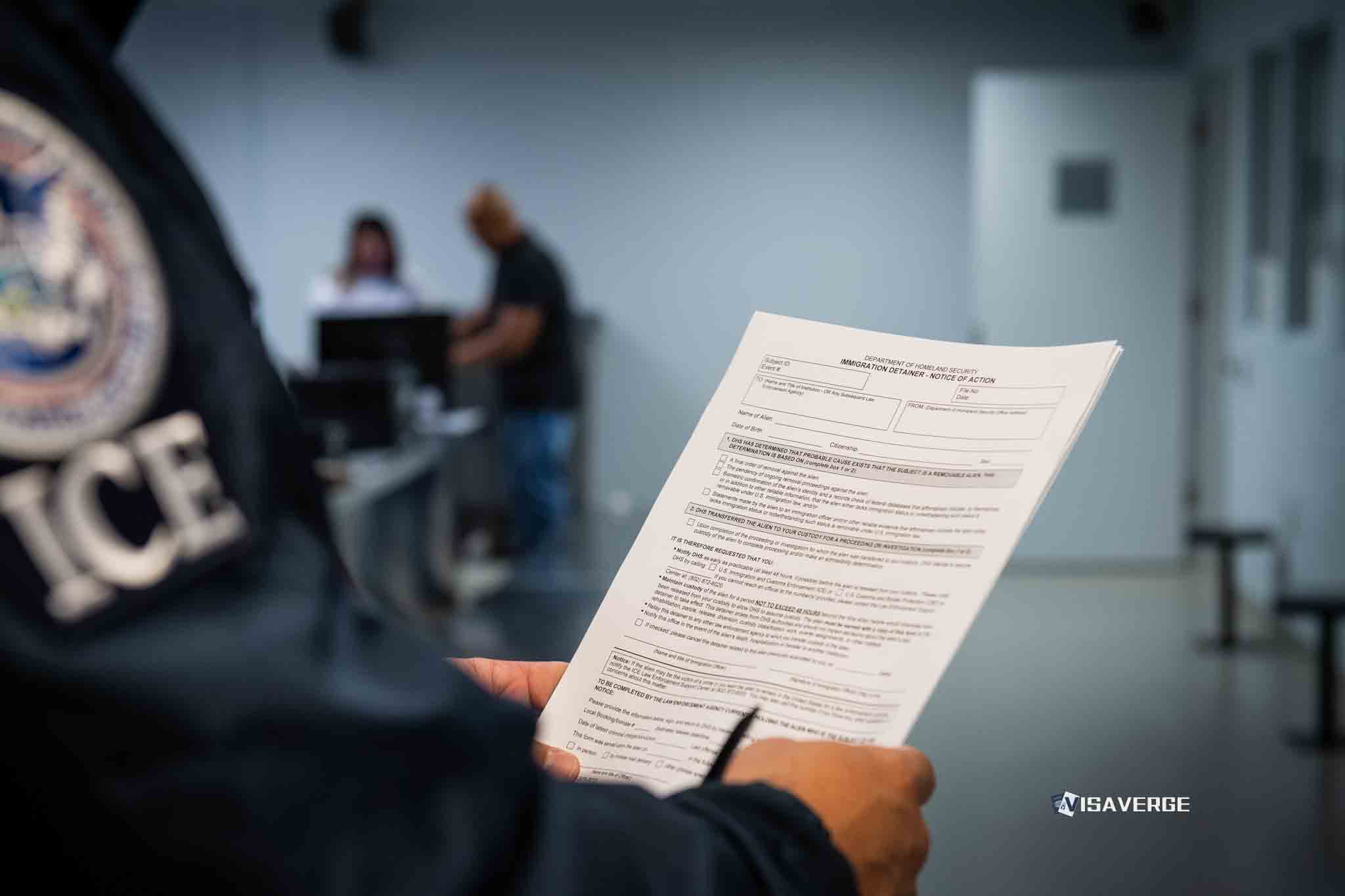
The ruling keeps TPS-related protections in place for covered Haitians in the United States, at least for now.
Court ruling and legal basis
Reyes said DHS’s termination decision was likely “arbitrary and capricious” under the Administrative Procedure Act, the main federal law governing how agencies make major decisions.
The APA requires DHS to give a reasoned explanation and to weigh the record before changing course.
Federal judges can intervene at an early stage when plaintiffs show they are likely to succeed on the merits and face irreparable harm without relief.
A preliminary injunction is not a final win, but it freezes the status quo during litigation.
Events timeline
| Event | Date | Source/Document | Impact |
|---|---|---|---|
| DHS issued a termination notice for Haiti’s TPS designation | November 28, 2025 | Federal Register notice | Set an end date for TPS-based protections and related work authorization rules |
| Ninth Circuit rejected DHS effort tied to shortening an extension (partial vacatur) | January 28, 2026 | Ninth Circuit action | Limited DHS flexibility and shaped legal arguments over statutory authority |
| Judge Reyes issued a preliminary injunction in Miot v. Trump | February 2, 2026 | 83-page opinion | Blocked DHS from implementing Haiti TPS termination while the case proceeds |
| Termination date DHS had set absent court action | February 3, 2026 | DHS/USCIS implementation timeline | Would have changed TPS-based protections at the specified effective time |
Reyes’ order said the termination “shall be null, void, and of no legal effect” during the injunction.
Procedurally, that language bars DHS from treating the termination as operative while the court continues to hear the case.
✅ If you are a Haitian TPS holder, verify current status on USCIS.gov and ensure your EAD and TPS documentation remain valid during the injunction period.
What the injunction does
The injunction blocks DHS from carrying out the termination that was scheduled to take effect at 11:59 p.m. on February 3, 2026.
While the order remains in place, Haitians covered by the Haiti TPS designation generally keep TPS-based protection from removal and the ability to work under TPS-linked employment authorization.
The court also restrained the government from invalidating existing work permits tied to TPS.
That matters for day-to-day employment, because many employers rely on TPS-related Employment Authorization Documents (EADs) and related validity rules when completing I-9 verification.
Government response and possible appeals
DHS signaled it will fight the ruling quickly. “Supreme Court, here we come. This is lawless activism that we will be vindicated on,” DHS Spokeswoman Tricia McLaughlin said, adding, “Temporary means temporary.”
An appeal could narrow or pause the injunction, depending on what a higher court orders.
In many cases, the government asks an appellate court to stay an injunction while the appeal is pending, which can change the practical effect on short notice.
What TPS is and DHS rationale
Temporary Protected Status is a humanitarian program that allows DHS to grant time-limited protection when conditions in a designated country prevent safe return, such as armed conflict, environmental disaster, or other extraordinary conditions.
TPS does not itself create permanent immigration status, but it can provide protection from removal and permission to work during the designation period.
DHS argued in public statements tied to its termination notice that Haiti “no longer meets the statutory requirements for TPS” and that continuing the designation would be “inconsistent with U.S. national interests.”
Secretary Kristi Noem concluded that, despite widespread gang violence, conditions were “safe enough” for return.
Judge’s findings on factual record and bias allegations
Reyes found that DHS likely failed to grapple with evidence of ongoing danger in Haiti when it decided to end the designation.
The opinion described “overwhelming evidence of present danger” and said Haiti remained in a humanitarian crisis, a key factual dispute in the APA review.
The judge also addressed allegations of bias. Reyes wrote it was “substantially likely” the decision was rooted in “racial animus,” citing public remarks attributed to Secretary Noem and President Trump describing immigrants as “killers, leeches, and entitlement junkies.”
Related litigation and statutory authority issues
The litigation also arrives after earlier court fights over how DHS set TPS timeframes.
In a separate action, the Ninth Circuit on January 28, 2026, rejected a DHS attempt connected to shortening a previous 18-month extension to 12 months, described in court filings as a partial vacatur, on the grounds that the Secretary exceeded her statutory authority.
Reyes’ order does not permanently extend Haiti’s TPS designation. It prevents DHS from implementing the termination while the court weighs the claims, including whether DHS stayed within its statutory authority and whether it complied with APA requirements.
Practical effects for families, employers, and TPS holders
For affected families and employers, the central question is what “protected from removal” means in practice.
TPS typically shields a beneficiary from removal based on immigration status during the designated period, but it does not erase other potential grounds for enforcement in many cases, such as certain criminal issues or other disqualifying conduct.
Work authorization continuity can also hinge on USCIS implementation details. During an injunction, USCIS may continue to process TPS-related filings and EAD applications under the operative designation rules, but applicants and employers often must track agency updates closely.
Population and estimates
Government estimates place the affected population at 352,959 Haitians. Many have lived and worked legally in the United States for years.
This includes people who first received TPS after Haiti’s 2010 earthquake and those covered by later redesignations.
| Metric | Number/Status | Notes |
|---|---|---|
| Estimated Haitians covered by Haiti TPS designation | 352,959 | Official estimate cited in litigation and agency materials |
| Approximate figure often referenced publicly | 350,000 | Rounded figure used in public discussion |
| Core protection during injunction | Continues | TPS-based protection from removal generally remains while the order is in force |
| TPS-linked employment authorization | Continues | EAD validity and related work authorization rules remain subject to USCIS guidance |
| Near-term legal risk | Appeal expected | DHS has said it will appeal; higher courts may alter the injunction |
USCIS is the agency that implements TPS benefits, including registration processes and EAD issuance.
As the injunction proceeds, Haitians with TPS may need to watch for USCIS updates on how it will treat pending applications, renewals, and employer verification questions.
Official sources, notices, and where to check
Official government sources can change quickly after emergency motions, appellate orders, or revised notices.
Readers can typically confirm the current Haiti TPS designation status on USCIS’s Haiti TPS page, and follow DHS statements through the DHS Newsroom.
Federal Register notices remain the government’s formal vehicle for TPS designation actions, including terminations and effective dates.
If DHS issues a revised notice or a court order forces changes, updates may appear there and in USCIS guidance.
⚠️ Monitor DHS/USCIS official updates for any changes to TPS designation status or new guidance on EAD issuance as the case proceeds
Next steps and practical advice
The next steps are likely to move fast. DHS can appeal Reyes’ injunction, seek a stay, and ask appellate courts to reinstate the termination while litigation continues, with possible Supreme Court involvement given DHS’s stated intent.
For TPS holders, the immediate task is documentation. Keep copies of TPS approval notices, EADs, and any USCIS receipt notices.
Verify current instructions directly on uscis.gov rather than relying on screenshots or third-party summaries.
This article involves immigration relief and could affect individuals’ legal status. Readers should consult official sources for current guidance.
Information reflects court filings and government statements available at the time of reporting.