- Form I-131 allows applicants with pending cases to request Advance Parole for temporary travel.
- Traveling to Canada for the World Cup requires Advance Parole to avoid abandoning U.S. applications.
- Both USCIS and Canada’s IRCC expect increased processing delays and higher scrutiny during the tournament.
Form I-131, Application for Travel Document: Who should file (especially for Canada travel during the FIFA World Cup)
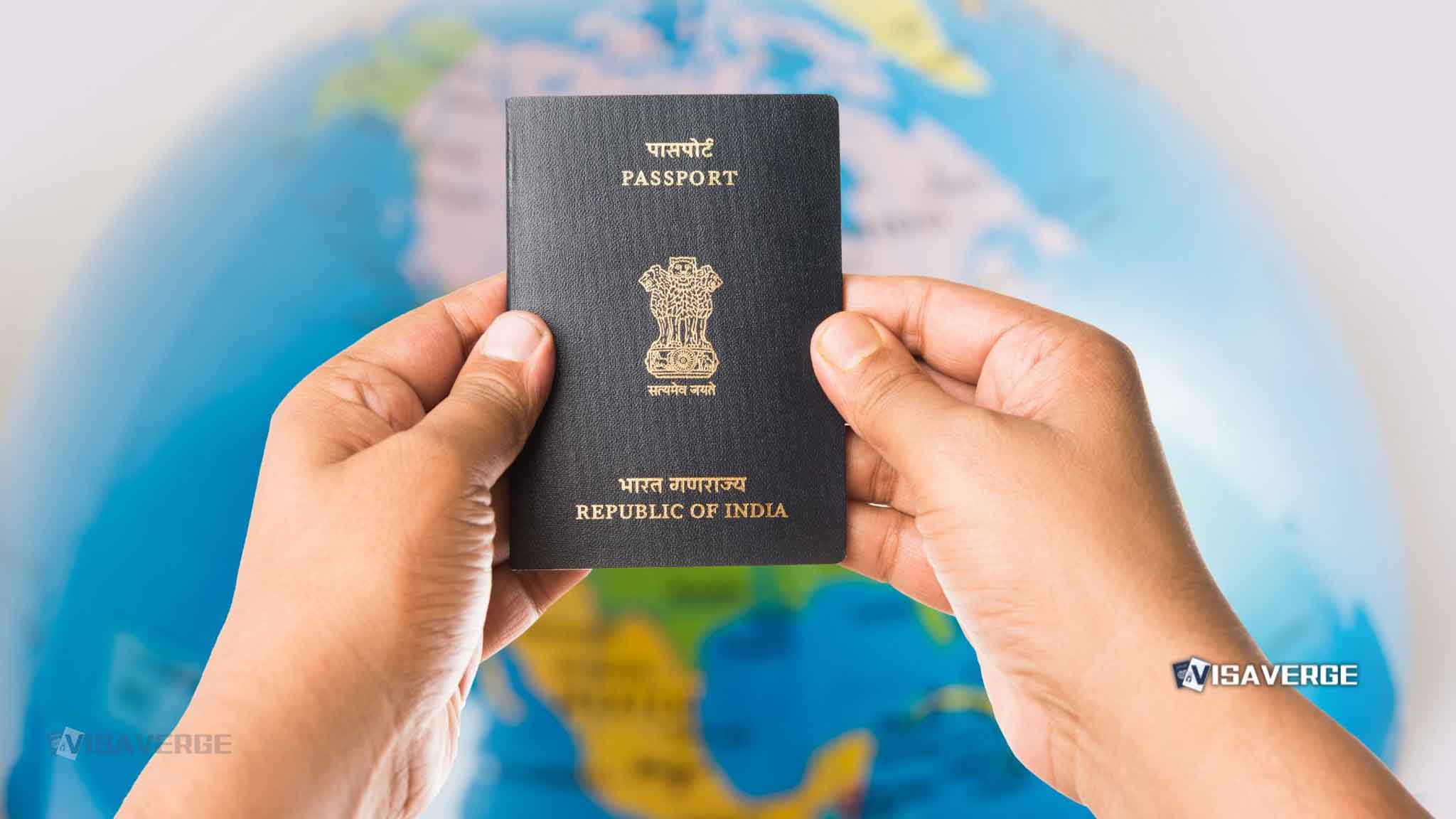
Form I-131, Application for Travel Document is the USCIS form you file to request certain travel documents, including Advance Parole. Advance Parole is the document many applicants need if they want to leave the United States temporarily and return while an immigration application is pending.

This matters for FIFA World Cup planning. Some 2026 matches are scheduled in Toronto and Vancouver starting June 2026. Many applicants in the U.S. want to travel to Canada for matches, then re-enter the U.S. If you depart without the correct permission, USCIS can treat certain pending applications as abandoned.
Canada’s own travel processing pressure is also part of the planning. IRCC (Immigration, Refugees and Citizenship Canada) has warned of capacity constraints ahead of the tournament. That can mean longer queues, more scrutiny, and higher document standards for travelers who still need Canadian authorization.
Quick reference box (Form I-131)
| Detail | Information |
|---|---|
| Form number | Form I-131 |
| Purpose | Request Advance Parole, Refugee Travel Document, or Reentry Permit |
| Typical World Cup use case | Advance Parole for U.S.-based applicants traveling to Canada and returning |
| Current fee | Fees vary by document type. Verify at uscis.gov/fees (as of February 2026) |
| Where to file | Depends on eligibility and category. Follow Form I-131 instructions on uscis.gov |
| Processing time | Varies by document type and office. Check https://www.visaverge.com/uncategorized/processing-times/ (as of February 2026) |
💰 Current Fee: Form I-131 fees depend on what you request (Advance Parole vs. Reentry Permit vs. Refugee Travel Document). Confirm the exact amount at uscis.gov/fees before filing. Wrong fees cause rejections.
⏱️ Processing Time: USCIS processing times are estimates, not guarantees. Check current Form I-131 timelines at https://www.visaverge.com/uncategorized/processing-times/ (as of February 2026). Times vary by category and office.
Why World Cup travel creates extra risk for pending USCIS cases
Many applicants assume a short trip is harmless. For some USCIS filings, departing the U.S. without the right travel document can cause serious consequences.
- Pending Form I-485, Application to Register Permanent Residence or Adjust Status cases where travel without Advance Parole may be treated as abandonment, unless an exception applies.
- DACA recipients, who generally must have Advance Parole to travel.
- Certain humanitarian or protected filings, where travel can create admissibility or eligibility questions.
Canada entry is a separate issue. Even with Advance Parole, you must still meet Canadian entry rules. For many nationals, that means a Temporary Resident Visa (TRV) or an eTA through IRCC. With World Cup demand, IRCC may apply more screening and ask for more documents.
Eligibility: who can file Form I-131 for Advance Parole
Eligibility depends on the travel document type. This guide focuses on Advance Parole for temporary travel.
You may be eligible to request Advance Parole if:
- You are in the U.S. and have a pending adjustment of status application (often Form I-485).
- You are a DACA recipient requesting Advance Parole (if currently permitted under USCIS rules).
- You have another qualifying pending USCIS benefit where Advance Parole is allowed.
You generally should not assume you can travel if:
- You are in the U.S. unlawfully and have accrued unlawful presence. Departure can trigger bars.
- You have certain arrests, charges, or removal history. Travel can increase risk.
- You have a pending case where travel is restricted by statute or policy.
USCIS can issue Advance Parole, but admission is never guaranteed. CBP makes the final decision at the port of entry.
⚠️ Common Mistake: Buying non-refundable FIFA World Cup tickets and flights before you have the travel document in hand. Processing times can move up or down, and security checks can extend them.
Processing times (mid-February 2026): how to read them without panic
USCIS “processing times” are estimates. They are not deadlines, and they are not promises. As of February 2026, Form I-131 timing varies widely based on:
- The type of travel document requested.
- The USCIS office handling the case.
- Whether USCIS issues an RFE (Request for Evidence).
- Background and security checks.
- Peaks in seasonal filing volume.
Use the official USCIS tool at https://www.visaverge.com/uncategorized/processing-times/ and select the correct:
- Form (I-131).
- Category (Advance Parole category that matches your basis).
- Office (if shown for your case type).
World Cup planning needs buffer time. If you must be in Canada for a specific match, plan for uncertainty. Avoid stacking tight connections, and avoid non-refundable commitments until you have your document.
Step-by-step: how to file Form I-131 for Advance Parole
Step 1: Download the current form and instructions
Get Form I-131 from the official USCIS page: https://www.uscis.gov/i-131.
Always use the current edition date listed on that page.
Step 2: Confirm your filing basis and category
Read the Form I-131 instructions carefully. Check:
- Whether you are filing based on a pending Form I-485.
- Whether you are filing under a different eligibility basis.
- Whether online filing is available for your category.
Step 3: Prepare your filing fee
Fees change periodically. Use uscis.gov/fees (as of February 2026).
If you qualify, you may request a fee waiver using Form I-912, Request for Fee Waiver, but not all categories qualify.
Step 4: Assemble your supporting documents
USCIS delays often come from missing identity documents or incomplete explanations. Use the checklist below.
Step 5: Complete Form I-131 carefully
Be consistent across all forms. Match names, dates, and addresses to:
- Passport biographic page.
- Form I-485 and Form I-130 filings, if applicable.
- Prior I-94 records, if any.
Step 6: File to the correct address or online channel
“Where to file” depends on your eligibility basis and category. Use the Form I-131 page and instructions on uscis.gov. If you mail the packet, use tracking.
Step 7: Attend biometrics if scheduled
USCIS may schedule biometrics. Attend on the date and time listed. Rescheduling can add weeks.
Step 8: Wait for a decision and verify the document
When approved, review:
- Your name spelling.
- Document validity dates.
- Any restrictions.
Do not depart until you have the physical document, unless USCIS guidance for your category clearly says otherwise.
📋 Required Form: Form I-131, Application for Travel Document is available at https://www.uscis.gov/i-131.
Supporting document checklist (Advance Parole)
USCIS document needs vary by category. The items below cover the most common Advance Parole filings.
| Document | Required | Notes |
|---|---|---|
| Form I-131 completed and signed | Yes | Unsigned forms are rejected |
| Government-issued photo ID | Usually | Passport biographic page is best |
| Proof of current status or pending case | Usually | I-797 receipt for Form I-485 or other basis |
| Photos | Sometimes | Follow Form I-131 instructions for photo specs |
| Explanation of travel | Often | Short statement: where, why, and dates |
| Evidence supporting the need for travel | Sometimes | Work, family, or humanitarian reason evidence |
| Fee payment | Yes (if required) | Use correct amount per uscis.gov/fees |
| Translations | If needed | Full certified translations for non-English documents |
If you are traveling to Canada for the tournament, your Canadian documentation also matters. Depending on nationality, that may include:
- IRCC TRV or eTA approval.
- Proof of ties and return plan.
- Proof of funds and itinerary.
There is no special “World Cup visa.” Travelers generally use normal IRCC channels. If IRCC requests event details for tracking, keep the description truthful and consistent.
Common mistakes that delay or derail Form I-131 cases
- Traveling before approval
Departing the U.S. without proper permission can harm pending cases. - Using the wrong fee
Fees change. A wrong fee often leads to rejection and lost time. - Filing the wrong category
Some applicants select a category that does not match their basis. That can trigger an RFE or denial. - Inconsistent personal information
Name format differences and date errors create delays. - Weak or confusing travel explanation
For event travel like the FIFA World Cup, keep it simple. Avoid exaggeration. - Assuming IRCC and USCIS timelines match
USCIS and IRCC processing times move for different reasons. Build buffer time for both.
Planning for Canada entry during FIFA World Cup 2026 (USCIS + IRCC reality)
Advance Parole helps you return to the U.S., but it does not guarantee Canada entry. IRCC has publicly flagged higher demand and tighter capacity around the tournament. Expect:
- Higher document standards for visa-required nationals.
- More verification and fraud screening.
- Longer wait times in some lines of business.
IRCC has also warned against misuse of visitor channels, including asylum-related intent tied to event travel. That warning increases scrutiny for applications referencing the tournament. Stay accurate. Misrepresentation can create multi-year consequences in Canada, and it can also affect U.S. immigration credibility.
Practical next steps
- Go to https://www.uscis.gov/i-131 and download the current Form I-131 and instructions.
- Confirm your eligibility basis, then check the correct fee at https://www.uscis.gov/fees (as of February 2026).
- Check Form I-131 processing times at https://www.visaverge.com/processing-times/ and build buffer time for World Cup travel.
- Prepare your Canada entry plan separately, including IRCC TRV or eTA if required, and keep your travel story consistent across applications.
📋 Official Resources: Download forms at uscis.gov/forms. Check processing times at egov.uscis.gov/processing-times. Fees and processing times are subject to change—always verify current information at uscis.gov.