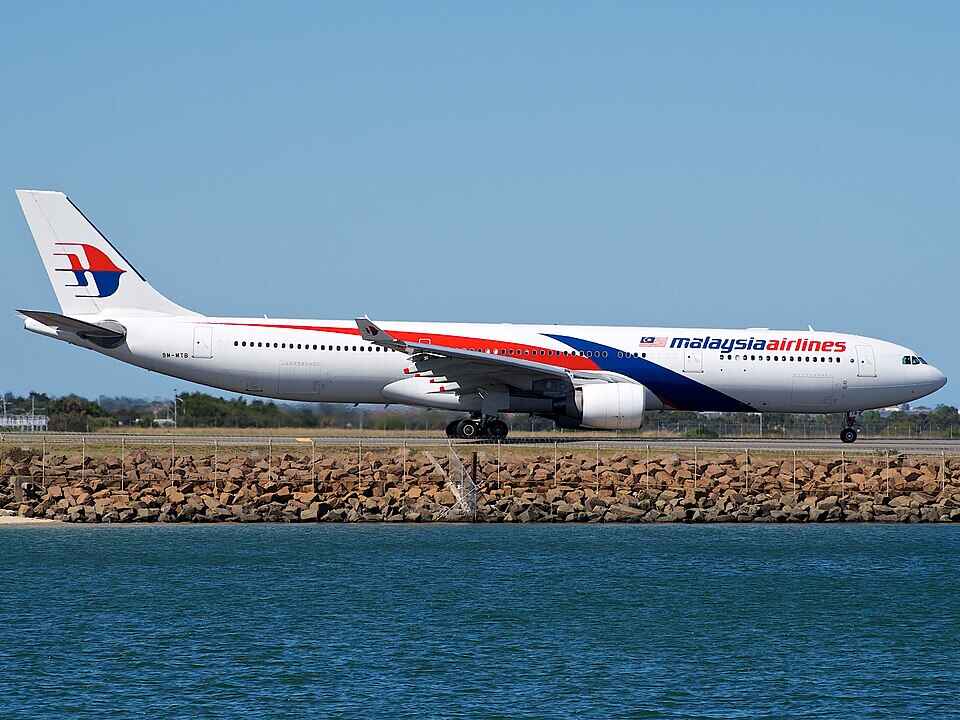
- A partial DHS shutdown concentrates disruptions in airport security and border operations across the United States.
- Essential personnel like TSA and CBP officers continue working without immediate pay during the funding lapse.
- Travelers should expect longer security wait times and potential cascading flight delays at major aviation hubs.
(MINNEAPOLIS, MINNESOTA) — A partial DHS shutdown means the Department of Homeland Security (DHS) has lost funding for some activities, while other parts keep running under separate funding streams or “excepted/essential” rules.
Unlike a full federal shutdown, this lapse is largely confined to DHS. Many other federal agencies remain funded, so the disruption is concentrated in airport screening, border operations, and other DHS-facing services. For travelers, that often shows up first at security checkpoints. Lines can get longer even when airports look “open.”
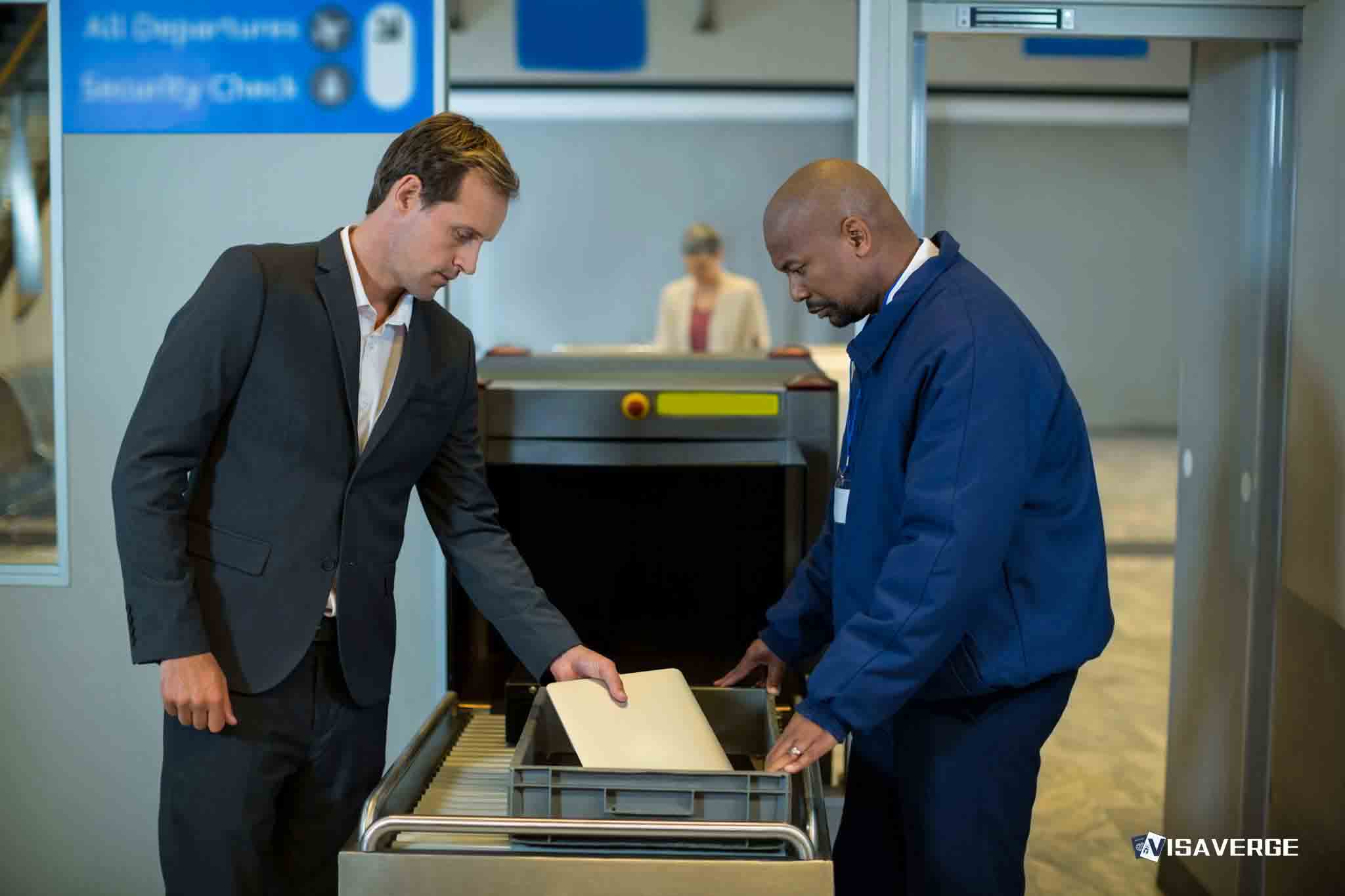
“Excepted/essential” work is the key concept. It means mission-critical roles continue even when pay is delayed at first. Furloughs still happen in non-essential roles or where funding cannot legally be used. Inside DHS, the U.S. Transportation Security Administration (TSA) is central to the travel experience, while U.S. Customs and Border Protection (CBP), U.S. Immigration and Customs Enforcement (ICE), the Secret Service, the U.S. Coast Guard, and Federal Emergency Management Agency (FEMA) also feel strain in different ways. USCIS is immigration-adjacent for many readers too, and its operations can look different because many services are fee-funded.
The immediate practical consequence for aviation is simple. TSA screening capacity can tighten, creating bottlenecks that ripple across an entire airport day.
2: Impacts on aviation sector and TSA operations
Airports run on staffing math. When the shutdown puts pay and scheduling under stress, TSA may have fewer officers available for each shift. That can mean fewer open lanes at checkpoints, slower bag screening, and longer waits during peak banks of departures. Some airports may consolidate checkpoints or run reduced hours at secondary screening points. The result is uneven. A mid-morning lull may feel normal, while early morning can snarl fast.
Missed connections are the next domino. When passengers arrive late to gates, airlines can face gate holds, delayed departures, and reworked boarding flows. Those delays do not stay local. A late departure from one hub can turn into a late arrival somewhere else, which then affects crews and aircraft rotations later in the day.
Airlines typically respond in a few practical ways once disruption becomes predictable. Schedule padding is one. Carriers may add a few minutes to block times on routes that often get caught in long taxi queues or gate congestion. Rebooking policies can also widen, especially when the airline believes the root issue is outside its control. Hub staffing matters too. Airlines may add customer-service staffing where lines form first: check-in, bag drop, and rebooking desks.
Past shutdown experience gives a helpful pattern without guaranteeing an identical outcome. During the weeks-long DHS shutdown in fall 2025, staffing stress and absenteeism concerns raised alarms about checkpoint performance. Senate Republican leader John Thune warned that “more travel problems” can follow as a shutdown drags on. The lesson for 2026 is not that every airport will melt down. It is that small changes in staffing can produce big changes in wait times.
Table 2: Aviation disruptions at a glance
| Airport/System | Potential Impact | Mitigation Considerations |
|---|---|---|
| TSA checkpoints (nationwide) | Reduced TSA screening capacity; longer lines; occasional lane closures | Arrive earlier; check airport wait-time feeds; consider off-peak flights |
| Hub airports with tight connection banks | Missed connections; gate holds; cascading delays | Choose longer connections; monitor airline rebooking options |
| International arrivals (CBP processing) | Slower passenger flow can back up baggage halls and curb areas | Use mobile passport tools where eligible; allow extra time for onward flights |
| Regional airports with limited staffing | Fewer lanes makes delays spike quickly | Track peak departure waves; pack to reduce bag checks |
3: Financial stakes and revenue risk in aviation
Aviation losses rarely come from one line item. They come from channels that stack.
Delays and cancellations reduce completed passenger volume. Even when flights still operate, reaccommodating disrupted travelers costs money. Airlines may need to rebook passengers, cover meal vouchers, or reposition aircraft and crews. Customer-service load rises fast, and so do overtime needs.
Operational costs climb in quieter ways too. Crews can time out. Aircraft can miss their next assignment. A single late arrival can force a substitution that burns an extra aircraft or triggers a ferry flight. Airports also feel it. Parking revenue, concessions, and ground handling all depend on predictable passenger flow.
Uncertainty changes behavior even before a cancellation wave appears. Travelers may book fewer trips, choose flexible fares, or avoid tight connections. Companies may delay non-essential travel. That demand hesitation can be hard to quantify in real time, but it is not the same as “no impact.”
4: Affected agencies, workforce, and funding mechanisms
DHS decides who works during a shutdown by matching each function to its legal funding source and mission priority. Appropriations-funded roles can be furloughed if Congress has not extended funding. “Excepted/essential” roles continue because they protect life, property, or national security. Working without pay initially means paychecks may pause until a funding bill passes, even though the work continues day-to-day.
OBBBA matters because prior allocations can keep some functions running even when new appropriations lapse. User fees matter for a different reason. Fee-funded services can continue in many cases because their operations are supported by collected fees rather than annual appropriations. That does not make them immune. Support functions can still slow down when contractors, scheduling units, and shared administrative staff are affected.
For immigration-adjacent operations, the split is familiar:
- CBP ports-of-entry work is generally treated as mission-critical, so travelers still pass through inspections. Staffing strain can still change wait times.
- ICE detention and enforcement functions often continue, but transportation, vendor coordination, and administrative processing can face stress.
- USCIS adjudications are often fee-funded, so many case processes may continue. Even so, biometrics scheduling, interviews, and call-center responsiveness can slow if supporting pieces are hit.
✅ Understand that fee-funded services may continue, but support functions (appointments, biometrics, call centers) can still be delayed; plan accordingly
Readers checking case progress can use official USCIS tools such as egov.uscis.gov or my.uscis.gov, and watch for field office alerts on uscis.gov.
5: Agency funding and shutdown impact snapshot
Funding source is the difference between “open” and “open but strained.” TSA screening is considered essential, yet it is highly sensitive to workforce stress. CBP and ICE have more continuity where prior funding and fees cover operations. FEMA, the Secret Service, and the U.S. Coast Guard keep mission-critical work going, but payroll strain can still hit morale and staffing.
Table 1: Snapshot of agency funding and continuity
| Agency | Funding from OBBBA | Shutdown Impact |
|---|---|---|
| U.S. Customs and Border Protection (CBP) | $12 billion | Ports/border operations largely continue; passenger processing may slow during staffing strain |
| U.S. Immigration and Customs Enforcement (ICE) | $45 billion + $30 billion | Detention/enforcement continues; support and admin processes may face delays |
| U.S. Transportation Security Administration (TSA) | OBBBA support varies; screening treated as essential | TSA screening capacity may drop due to staffing/pay uncertainty; bottlenecks more likely at peaks |
| Federal Emergency Management Agency (FEMA) | OBBBA support varies by program | Disaster reimbursements and training can slow; response missions continue where required |
| Secret Service | OBBBA support varies by account | Protective missions continue; workforce may work without pay initially |
| U.S. Coast Guard | OBBBA support varies by account | Operational missions continue; payroll strain can affect staffing resilience |
6: Political context, timeline, and negotiations
The current DHS shutdown grew out of a funding lapse after negotiations stalled over immigration enforcement restrictions. Democrats pushed changes after the Minneapolis shooting that killed Alex Pretti and Renee Good. President Trump agreed to strip DHS funding out of a broader package to keep talks focused on DHS-specific issues.
Any fix requires coordination across the House, the Senate, and the White House. The House can pass a DHS funding vehicle, but the Senate must clear it, and the President must sign it. Even short gaps can create scheduling shock. Longer gaps can cause attrition risk, increased sick leave, and lower throughput at high-friction points like TSA checkpoints.
Back pay is often provided after shutdowns end, but workers still face day-to-day uncertainty while the lapse continues. DHS Secretary Kristi Noem has pointed to how prior funding can insulate some components compared with earlier shutdowns. That insulation is real, but it does not prevent checkpoint stress if staffing frays.
DHS employs 260,000 workers. About 8% may face furlough depending on which offices lack usable funding. Many others keep working under essential designations.
7: Current status and next steps
As of February 16, 2026, negotiations are ongoing, and day-to-day conditions can change quickly by airport and by agency office. CBP and ICE core missions continue due to essential designations and prior funding coverage, which means inspections and enforcement activity do not simply pause. USCIS casework may keep moving in many fee-funded areas, while support touchpoints can lag.
Watch for practical signals that affect real travel outcomes. TSA checkpoint wait times and airport advisories often show stress first. Airline schedule waivers can follow, then more aggressive rebooking rules if delays compound. For cross-border trips, CBP processing times can affect onward connections and curb congestion.
A funding resolution typically restores pay and stabilizes staffing first. Backlog recovery takes longer. Airports and airlines then work through delayed rotations and staffing gaps over several days.
⚠️ What travelers should do now: monitor TSA wait times and airline waivers, verify status with airlines, and review airport advisories
This article discusses ongoing government funding and immigration enforcement matters; information may change quickly as negotiations continue
Readers should consult official DHS updates and airline advisories for real-time guidance