- Democrats delivered a counteroffer on ICE reforms as the DHS shutdown entered its fourth day.
- The standoff stems from fatal CBP shootings in Minneapolis that killed Alex Pretti and Renee Good.
- Proposed reforms include body cameras and warrant requirements to limit immigration enforcement authority.
(MINNEAPOLIS, MINNESOTA) — Democrats delivered a counteroffer on ICE reforms late February 16, 2026, as the DHS shutdown entered its fourth day, putting enforcement limits at the center of funding talks.
DHS funding lapsed at 12:01 a.m. ET on Saturday, February 14, 2026, halting parts of the department while keeping many essential functions running. The standoff has tied immigration enforcement policy demands to the basic question of reopening DHS agencies.
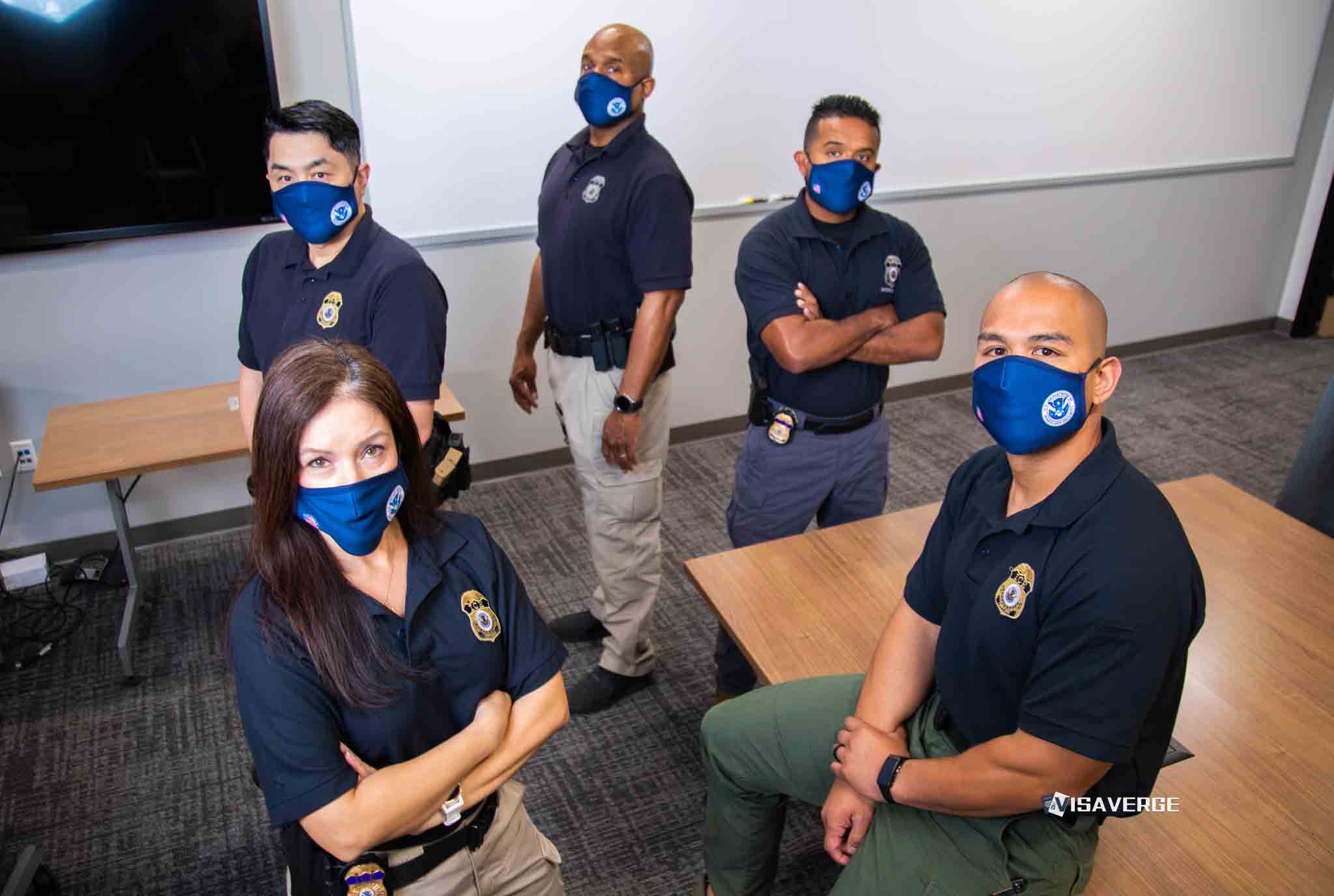
A DHS shutdown is an appropriations lapse that forces agencies to split work into “essential” functions that continue and “non-essential” functions that pause. That divide can create immediate uncertainty for travelers, detainees’ families, contractors, and communities that rely on federal support.
Immigration stakeholders can feel ripple effects even if they have no direct ICE case. Enforcement activity, detention support services, border processing, and travel screening can shift quickly under shutdown conditions.
DHS includes ICE and CBP, along with TSA, FEMA, Coast Guard, CISA, and Secret Service. Even when frontline operations continue, staffing, vendor payments, oversight work, and coordination may slow, affecting the public in uneven ways.
Democrats have framed the funding impasse as leverage to force rules on ICE and CBP agents, rather than passing a “clean” stopgap that keeps DHS open without policy changes. Republicans and the White House have argued the link would restrain law enforcement.
The trigger was an immigration crackdown in Minneapolis last month that ended with two fatal shootings by CBP agents on January 24, 2026, killing Alex Pretti and Renee Good. The incident intensified public pressure on enforcement practices and hardened negotiating positions.
After an initial four-day government-wide shutdown ended February 3, Democrats blocked DHS funding bills while pressing for reforms. A temporary two-week funding extension for DHS expired Friday, February 13, 2026, as Congress left town for the week.
Recess mechanics have shaped the pressure campaign. The Senate has been on 24-hour notice to return, and the House on 48-hour notice, meaning leaders can call members back quickly if talks produce an agreement.
At the core of Democrats’ move is the decision to put their proposals into legislative text, not just agency guidance. Senate Minority Leader Chuck Schumer said the counteroffer reflects Democrats’ 10-item list, and House Minority Leader Hakeem Jeffries has been involved in the effort.
Legislative text matters because it can be enforceable in ways memos are not. A statute can bind future administrations, shape oversight, and create clearer standards that courts may treat as controlling in disputes over compliance.
Democrats’ agenda calls for limits on ROVING patrols and tighter rules on when ICE can enter certain places, including expectations for judicial warrants in specified situations. In practice, warrant rules can slow or redirect enforcement, and can also change what evidence gets challenged later.
The 10-item list also centers on use-of-force standards that resemble police department codes. Supporters say clear rules can reduce violent encounters and make discipline more consistent.
Body cameras are another major demand, with Democrats arguing recordings can deter misconduct and resolve disputed facts. Video can become key evidence in complaints, criminal cases, and civil litigation, though outcomes vary by jurisdiction and facts.
Masking prohibitions for agents also appear in the package. Democrats have argued masking reduces accountability during operations, while opponents say it can expose agents and their families to threats.
Schumer called the package “common-sense proposals” and said Americans expect federal officers to follow standards closer to local policing. Sen. Elizabeth Warren has similarly cast the effort as applying familiar police rules to ICE.
Republicans have pushed back on the operational consequences. Senate Majority Leader John Thune said talks with the White House were “meaningful,” but he called some Democratic demands “non-starters” that would tie officers’ hands.
Thune urged a stopgap funding measure during negotiations, typically a continuing resolution that temporarily restores funding without settling the policy fight. Such a measure can reopen offices and resume payments, but it may also reduce leverage for whichever side wants deeper changes.
President Donald Trump said he would meet Democrats this week while rejecting parts of the reform push, saying he would “protect ICE” and law enforcement. White House border czar Tom Homan defended masks as a safety measure amid rising assaults on agents.
Administration officials have suggested possible alignment on body cameras, while resisting limits tied to warrants, entries, and enforcement flexibility. For readers, that split signals that any near-term deal could pair money with narrower reforms, leaving larger restrictions unresolved.
| Section | Key Figures/Entities | Position/Status |
|---|---|---|
| Overview: shutdown and reform linkage | DHS; ICE; CBP; TSA; FEMA; Coast Guard; CISA; Secret Service | DHS shutdown continues; immigration enforcement reforms tied to reopening funding |
| Trigger/background | Minneapolis; CBP agents | Fatal shootings in Minneapolis drove pressure to condition funding on reforms |
| Democratic counteroffer | Chuck Schumer; Hakeem Jeffries; Elizabeth Warren | Counteroffer delivered as proposed legislative text reflecting a 10-item list; framed as “common-sense” |
| Republican/White House response | John Thune; Donald Trump; Tom Homan | Stopgap urged; several demands labeled “non-starters”; openness on body cameras suggested |
| Negotiations/next steps | Senate and House leadership | Talks ongoing; recess return possible on short notice; no announced agreement |
| Operational impacts | ICE; CBP; TSA; FEMA; USCIS | Essential work continues; public-facing services may degrade; USCIS generally fee-funded but not isolated from strain |
Negotiation specifics have been kept private by both parties, a common move when leaders want room to trade language without triggering backlash. That secrecy can also limit the public’s ability to gauge how close a deal is.
Any return from recess could move quickly if leaders strike a framework. Congress could vote on a stopgap first, then attach reform language, or pursue a phased deal that funds DHS while setting timelines for separate votes.
Mixed signals have continued on Capitol Hill. Sen. Chris Murphy has warned against compromises filled with exceptions, while Sen. John Kennedy has predicted a prolonged stalemate, suggesting neither side expects easy agreement.
For immigrants and families, the near-term question is less about new rights and more about day-to-day posture. ICE arrest priorities, CBP processing tempo, detention logistics, and travel disruptions can shift as agencies manage staffing and payments.
⚠️ Negotiations are happening largely in private, and outcomes are not guaranteed; any stopgap funding deal would be conditional on what leaders can actually pass quickly.
Even in a shutdown, some ICE operations may feel less immediate impact because of prior funding allocations supported during the Trump administration. Still, other DHS functions can degrade, which can indirectly affect enforcement encounters and processing.
TSA disruptions may show up in staffing constraints and longer lines, especially if the shutdown drags on. CBP travelers may also see uneven impacts at ports of entry, depending on staffing and systems support.
FEMA assistance can slow when funding lapses and administrative functions pause, affecting disaster response timelines. Cybersecurity coordination through CISA can also be strained when support roles are curtailed, even if core monitoring continues.
USCIS, within DHS, is generally fee-funded in many cases, so many immigration benefits operations may continue during an appropriations lapse. Back-end dependencies can still be stressed, including coordination, contractor support, and interagency steps tied to enforcement and security checks.
Readers with pending matters typically get the clearest signals from official component notices and operational alerts. Airport advisories, DHS and congressional updates, and posted guidance from immigration agencies can change quickly during a funding fight.
✅ For readers with immigration-related matters, monitor DHS component notices and congressional updates for real-time shifts in enforcement posture and processing expectations.
This article discusses ongoing legislative and enforcement policy changes that can affect individuals in immigration processes; readers should consult official DHS/ICE updates and seek qualified legal advice for individual cases.