


2024 Educator Expense Deduction Rules and Qualified Expenses Explained
The Educator Expense Deduction stays at $300 and the Student Loan Interest Deduction remains up to $2,500 for…

Roth IRA Contribution Limits, MAGI Phases and 2024 Thresholds Explained
2024 Roth IRA eligibility depends on MAGI and filing status, with phase-outs for singles ($146k–$161k) and joint filers…
IRA Contribution Limits Hold at $7,000/$8,000 for 2024-2025
IRS held IRA limits at $7,000 (under 50) and $8,000 (50+) for 2024–2025; contributions are limited by the…

IRA Contribution Deadlines and 2025 Limits: Stay on Track
The 2025 IRA contribution window closes April 15, 2026. Savers can contribute up to $7,000 ($8,000 if 50+).…
What Counts as Compensation for IRA Contributions and Exceptions
In 2025, IRA contributions still require taxable earned income—compensation—with limits of $7,000/$8,000. Combat pay qualifies; excluded foreign earned…

2026 Spousal IRA Rules: Contribution Limits, MAGI Phaseouts, and Eligibility
For 2025, spouses filing jointly can use the spousal IRA: $7,000 each under 50, $8,000 if 50+. Full…

How Self‑Employed Taxpayers Compute Compensation for SEP Contributions
For 2025 SEP calculations, reduce net self‑employment earnings by 7.65% employer‑equivalent tax, then apply adjusted rate (rate ÷…

2025 SIMPLE Plan Limits: $16,500 Base and SECURE Act Increases
For 2025, SIMPLE plans get higher deferral limits: $16,500 base, $3,500 catch-up (50+), and a $5,250 special catch-up…
Health Savings Account (HSA) Basics: Eligibility, Contributions, Limits
Contribute only if you had an HSA-eligible HDHP on the first day of the month, no other disqualifying…

SEP IRA Limits 2026: 25% of Net Earnings or $72,000
For 2025 the IRS raised the SEP-IRA limit to $70,000 and the compensation cap to $350,000; contributions must…
Self‑Employed Retirement Plan Contributions: SEP, SIMPLE, Qualified Plans Explained
2024 rules cap defined contribution additions at the lesser of 100% of net self‑employment earnings or $66,000; SEP…

2025 Rules: Deduct Half Self-Employment Tax on Schedule 1
In 2025 self‑employed taxpayers can deduct 50% of Self‑Employment Tax and use Form 7206 for health insurance deductions;…
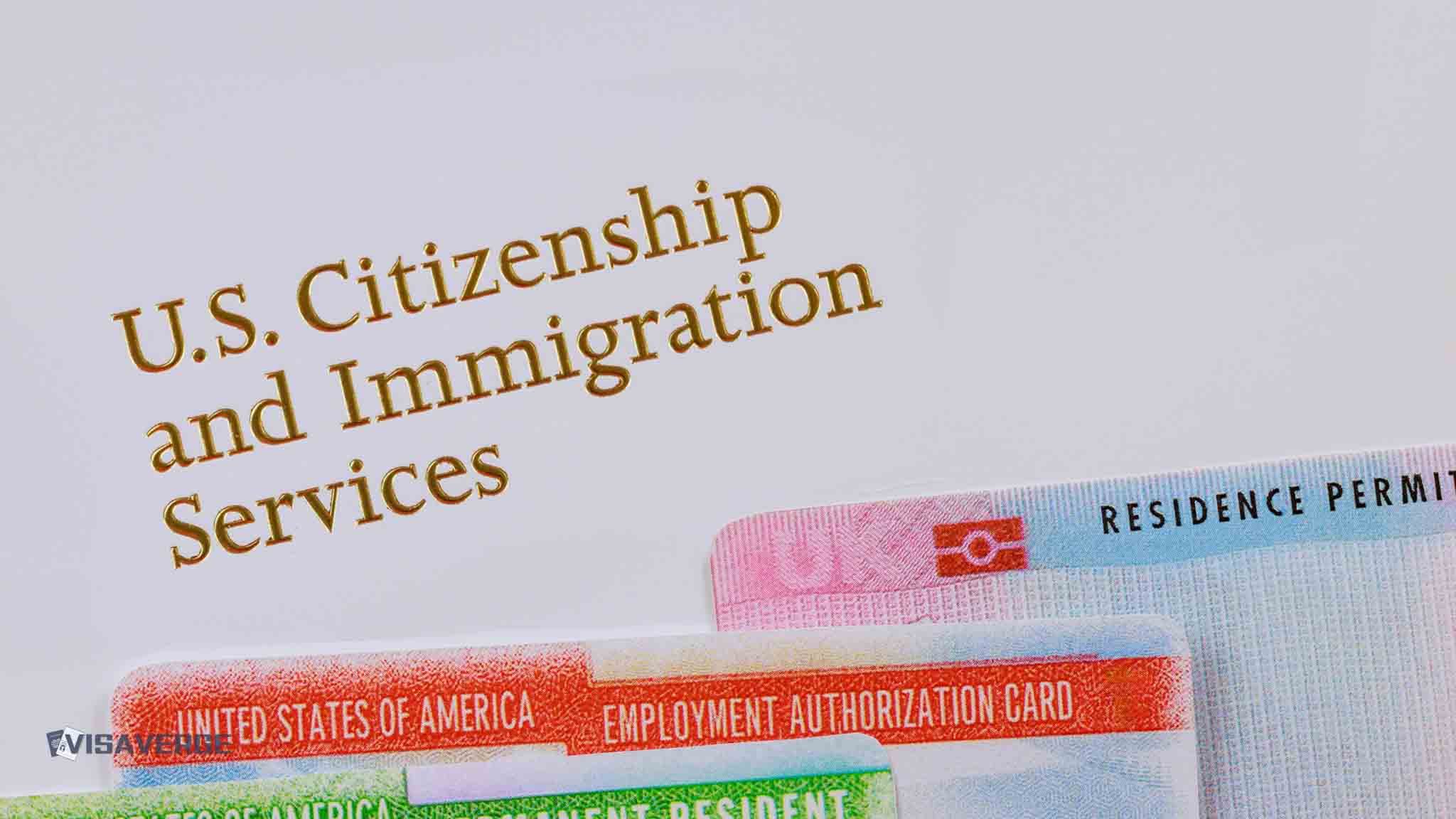
Does USCIS Still Use Neighborhood Checks for Naturalization Applicants?
USCIS intensifies 2026 naturalization vetting with neighborhood checks and social media reviews, extending N-400 processing times to 18…

US-bound parcel services not fully stopped; private couriers continue
India Post paused most U.S.-bound parcel services from August 25, 2025, accepting only letters, documents, and gifts ≤…