- Major UAE tourist attractions suspended operations on March 1 due to regional military escalation and safety precautions.
- Authorities implemented widespread remote work mandates for the private sector and the DIFC through early March.
- A total airspace closure remains effective until Monday afternoon, causing significant disruptions to international flight schedules.
(DUBAI, UAE) — UAE authorities closed and suspended operations at several of the country’s best-known tourist attractions on March 1 as a precautionary safety measure following regional military escalation in West Asia, affecting visitors with bookings, residents planning outings, and tour operators running group itineraries.
Global Village in Dubai closed on March 1, and Dubai Parks & Resorts also closed on March 1. Ain Dubai, the observation wheel, suspended operations. In Ras Al Khaimah, Jebel Jais closed all facilities, activities, and dining outlets. Abrahamic Family House suspended all activities and guided tours.

For many visitors, the practical impact is immediate and specific: “closed” typically means no entry and no on-site services, while “suspended operations” can indicate that a venue remains in place but stops admitting visitors or running scheduled experiences such as rides or guided tours. For attractions that include food, retail, and add-on activities, closures can also affect dining reservations, prepaid packages, and timed-entry slots, even if a visitor planned to spend only part of the day inside the venue.
Tourists already in Dubai and the wider UAE may need to restructure itineraries built around signature stops such as Global Village and Ain Dubai, while business travelers with short windows between meetings may find their evening plans abruptly canceled. Residents who booked weekend tickets, family packages, or group visits face the same disruption, and tour operators may need to reroute buses, reschedule guides, and renegotiate supplier timing across multiple venues in one day.
The shutdowns follow Iranian missile strikes on UAE targets, including damage to Dubai’s Palm Jumeirah area, Burj Al Hotel, and Dubai International Airport. Four people were injured from intercepted drone shrapnel.
Regional tensions and fast-moving security assessments can drive operational decisions that look sudden from the outside, including closures framed as precautionary rather than tied to structural damage at a specific attraction. That distinction matters for travelers trying to judge whether a shutdown signals a long halt or a short pause that can change quickly as assessments update.
In situations like this, visitors generally need to treat attraction access, transport availability, and ticket policies as moving parts that may change between the time they leave a hotel and the time they reach a venue. Even when an attraction posts an update, third-party booking platforms, tour operators, and resellers can take time to match those changes inside their own systems, which can affect QR codes, time slots, and refund workflows.
Global Village’s closure on March 1 affects visitors who typically plan multi-hour evening visits and arrive close to opening times, often combining the venue with dinner plans and transport bookings. Travelers holding dated tickets or packages may need to check what their booking channel offers, including whether it provides a refund, credit, or rebooking to a later date, and whether any add-ons sit under separate terms.
Dubai Parks & Resorts, which closed on March 1, can present similar ticketing complications because visitors often purchase multi-park passes, bundle entries, or buy tickets through hotel desks and tour sellers. When a complex venue shuts, the impact can reach beyond entry gates to include pre-booked dining, paid parking, and scheduled activities inside the property, leaving travelers to gather documentation and contact the specific seller that processed the payment.
Ain Dubai’s suspended operations affect travelers who planned a timed observation wheel visit as a central sightseeing moment, often paired with nearby dining and waterfront plans. When an attraction suspends operations rather than announcing a defined closure day, ticket-holders may need to watch for a reopening notice and keep confirmation emails and transaction records ready for rebooking or refund requests through their provider.
Jebel Jais in Ras Al Khaimah closed all facilities, activities, and dining outlets, a wider shutdown that can affect travelers in several ways at once. Visitors who planned to drive or take arranged transport up the mountain may now need to cancel vehicles and adjust schedules, while those who paid for activities and meals may face multiple separate reservations tied to one trip. Travelers should also consider that a closure of facilities and dining outlets can leave few on-site options even if someone reaches the area, making it essential to confirm status before departing.
Abrahamic Family House suspended all activities and guided tours, which can disrupt visitors whose bookings rely on scheduled entry times and organized tours. For travelers who planned a structured cultural visit, a suspension can mean that even if a site remains physically present, the core visitor experience—guided access and programmed activities—does not operate, and entry expectations can change quickly depending on venue decisions.
Across all venues, people with third-party bookings often need to start with the party that took payment, even if the attraction itself posted the first closure update. Travelers may also need to separate what they booked into categories—entry tickets, transport, dining, and bundled tours—because each can have different cancellation rules and timelines. Group travelers should confirm whether the group leader, tour operator, or each individual ticket-holder must submit requests, since a mismatch can slow refunds or rebooking.
Authorities emphasized that all closures are precautionary and urged the public to rely solely on verified official sources for updates on reopening dates and existing bookings. For visitors, that means prioritizing direct venue statements and the messages sent by the specific booking provider used for purchase, and treating forwarded screenshots and unofficial social media posts cautiously when making costly changes.
The precautions extend beyond tourism venues. The Ministry of Human Resources and Emiratisation (MOHRE) advised private sector companies to implement remote working from March 1–3, with only essential onsite roles continuing. The Dubai International Financial Centre (DIFC) Authority mandated remote work for employees from March 2–4, 2026, while maintaining client services.
Remote work windows can shape daily life and travel logistics even for short-stay visitors, because office attendance patterns influence traffic, building access, and how quickly some in-person tasks move. For employees, the concept of essential onsite roles can mean that a smaller number of staff members continue to report to workplaces while others work from home, which can shift how services are delivered and how meetings are scheduled.
Business travelers planning in-person meetings in the DIFC during March 2–4, 2026 may find counterparts switching to online calls while still maintaining client services. For companies, remote work requirements can also change the rhythm of approvals and signatures when key staff work off-site, and visitors may need to leave extra time for confirmations and rescheduling.
Employees and employers typically need to follow instructions from their workplace and, where relevant, their zone authority, especially when remote work is mandated or advised within a defined window. Travelers who planned to combine work and leisure—such as a morning meeting followed by an evening visit to Global Village or Ain Dubai—may need to rebuild schedules around both workplace arrangements and attraction closures.
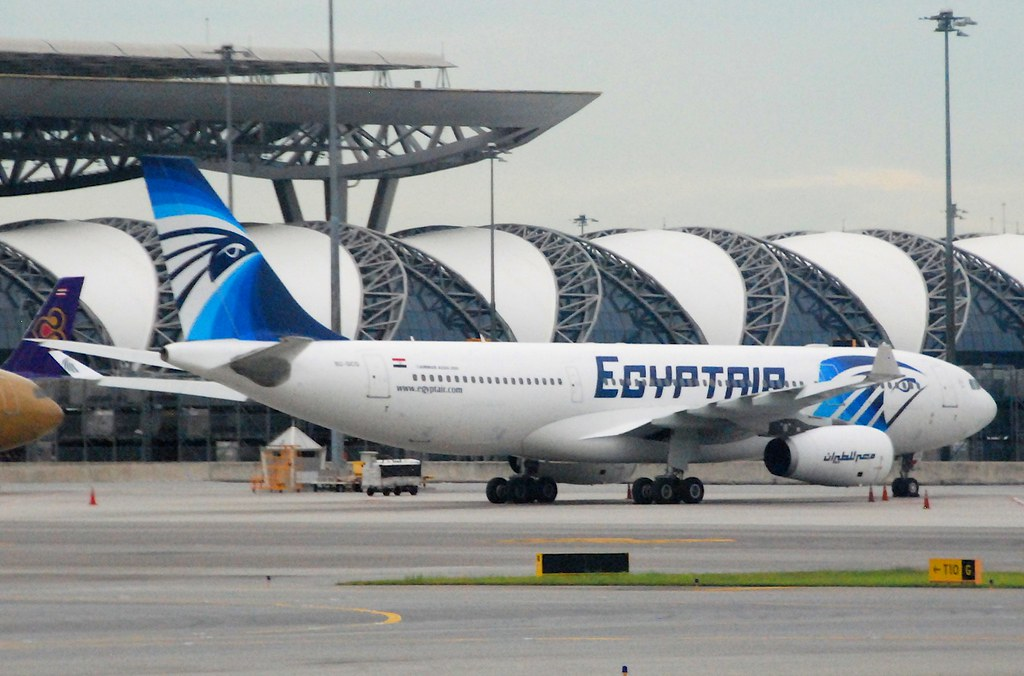
The travel picture also shifted as the UAE announced an airspace closure. UAE airspace will remain closed until Monday afternoon, March 2, 2026.
An airspace closure can trigger immediate flight disruptions that cascade into hotel bookings, day trips, and onward connections. Travelers should monitor airline notifications closely, because changes can arrive with little lead time, and reroutes and cancellations can affect both departures and arrivals. People heading to Dubai International Airport should confirm any airport access rules issued by their carrier or airport channels and anticipate knock-on delays that can hit connecting flights.
Passengers seeking refunds or rebooking often need to keep documents that show what they purchased and what changed, including booking confirmations, receipts, and written notices of schedule changes. Travelers with time-sensitive plans—such as pre-paid tours, attraction tickets, and hotel stays—may also need to communicate early with providers to document cancellation terms and preserve options while flights remain disrupted.
The combination of attraction shutdowns, remote work measures, and airspace closure creates a layered set of disruptions across the UAE, particularly for visitors who planned tightly scheduled trips. Tour operators may face a chain reaction: closed venues can force itinerary redesign, while flight disruptions can alter arrival times for groups, and remote work shifts can change when clients and corporate groups can meet.
For residents, the closures can disrupt weekend routines built around large family attractions and day trips, including outings to Jebel Jais that depend on the availability of activities and dining outlets. For tourists, the immediate task is to verify what remains open and what has paused, without assuming that a closure announced as precautionary automatically implies a long-term shutdown.
Authorities’ emphasis on verified official sources places a premium on careful, direct checking before leaving for a venue or heading to the airport. Travelers and residents can protect themselves by keeping booking confirmations, payment proofs, and the written terms for cancellation or rebooking that apply to their specific purchase route, whether direct or through a reseller.
With closures described as precautionary, reopening timelines can shift, and visitors may need to balance flexibility with documentation. For now, trips built around Global Village, Ain Dubai, Dubai Parks & Resorts, Jebel Jais, or Abrahamic Family House hinge on updates from official channels and booking providers, while air travel plans remain constrained by the airspace closure through Monday afternoon, March 2, 2026.