- The U.S. will soon require mandatory social media identifiers and expanded contact history for ESTA applicants.
- Applicants must provide ten years of email history and five years of phone and social media data.
- A new live selfie photo requirement and biometric matching will be integrated into the application process.
British and French travelers who use the Visa Waiver Program to visit the United States 🇺🇸 will soon have to provide more personal details in the ESTA application, including mandatory social media identifiers. The change raises the amount of information you must collect before you book and travel, and it increases the risk that a typo or mismatch slows your approval.
For most people, the biggest shift is practical, not legal. You still need an approved ESTA before boarding. But you should expect a longer form, more preparation, and more pressure to keep every detail consistent across your passport, travel plans, and online history.
1) What ESTA is, and why the U.S. is collecting more data now
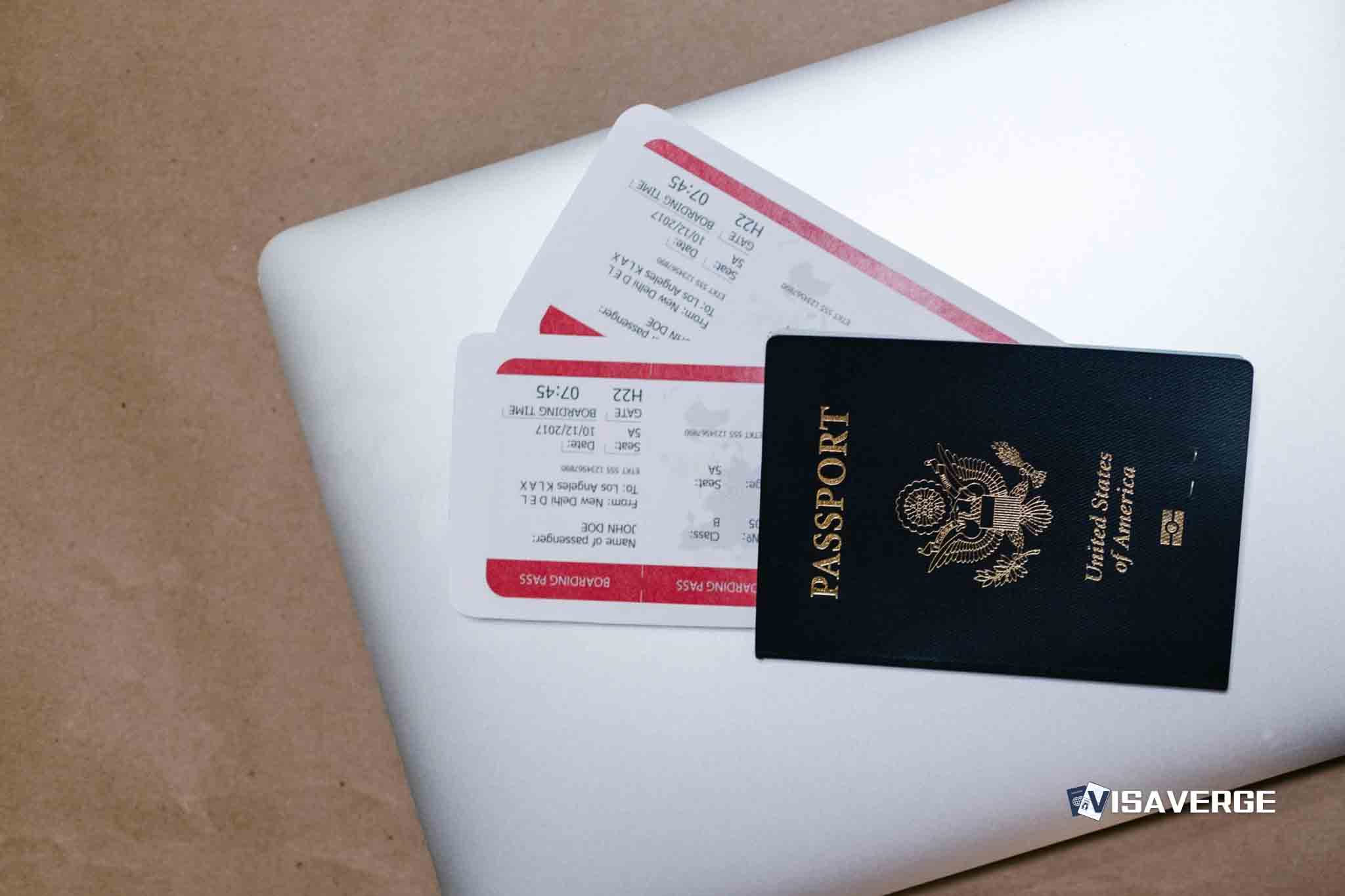
ESTA is the online travel authorization used by the United States 🇺🇸 for eligible visitors arriving under the Visa Waiver Program. If you’re a British or French citizen using the VWP, ESTA approval is a gate you must pass before an airline or ship will let you board.
The U.S. government is expanding the amount of data it collects through ESTA as part of a broader border screening approach. The stated goal is stronger identity checks and security screening before a traveler ever reaches the airport.
For UK and France travelers, that translates into a form that asks for a wider set of identifiers. it pushes ESTA beyond basic passport and trip questions and into contact history and online identity. Social media details that used to be optional are becoming mandatory for applicants from visa-waiver countries, including the UK and France.
The expanded fields cover more than one category of information. The updated questions reach into long time windows for emails, phone numbers, and social media handles, plus added technical and biometric-style elements. The full field-by-field list is lengthy, so the most helpful approach is to prepare by category rather than trying to remember everything at the last minute.
2) What “expanded ESTA requirements” means in real life
The new mandatory fields make ESTA feel less like a quick pre-travel check and more like a detailed identity questionnaire. That doesn’t automatically mean denial. It means you must be ready to account for your digital and contact history in a clean, consistent way.
Here’s what the expanded categories include, at a high level:
- Identity and contactability checks: more complete ways to reach you and confirm who you are over time.
- Contact history over long periods: telephone numbers used in the previous five years, and email addresses used in the previous ten years.
- Online identifiers: social media account identifiers from the past five years, now treated as mandatory information.
- Digital and device-linked data: references to IP addresses tied to photos and metadata.
- Family and associates references: names, birthplaces, and contact information of family members.
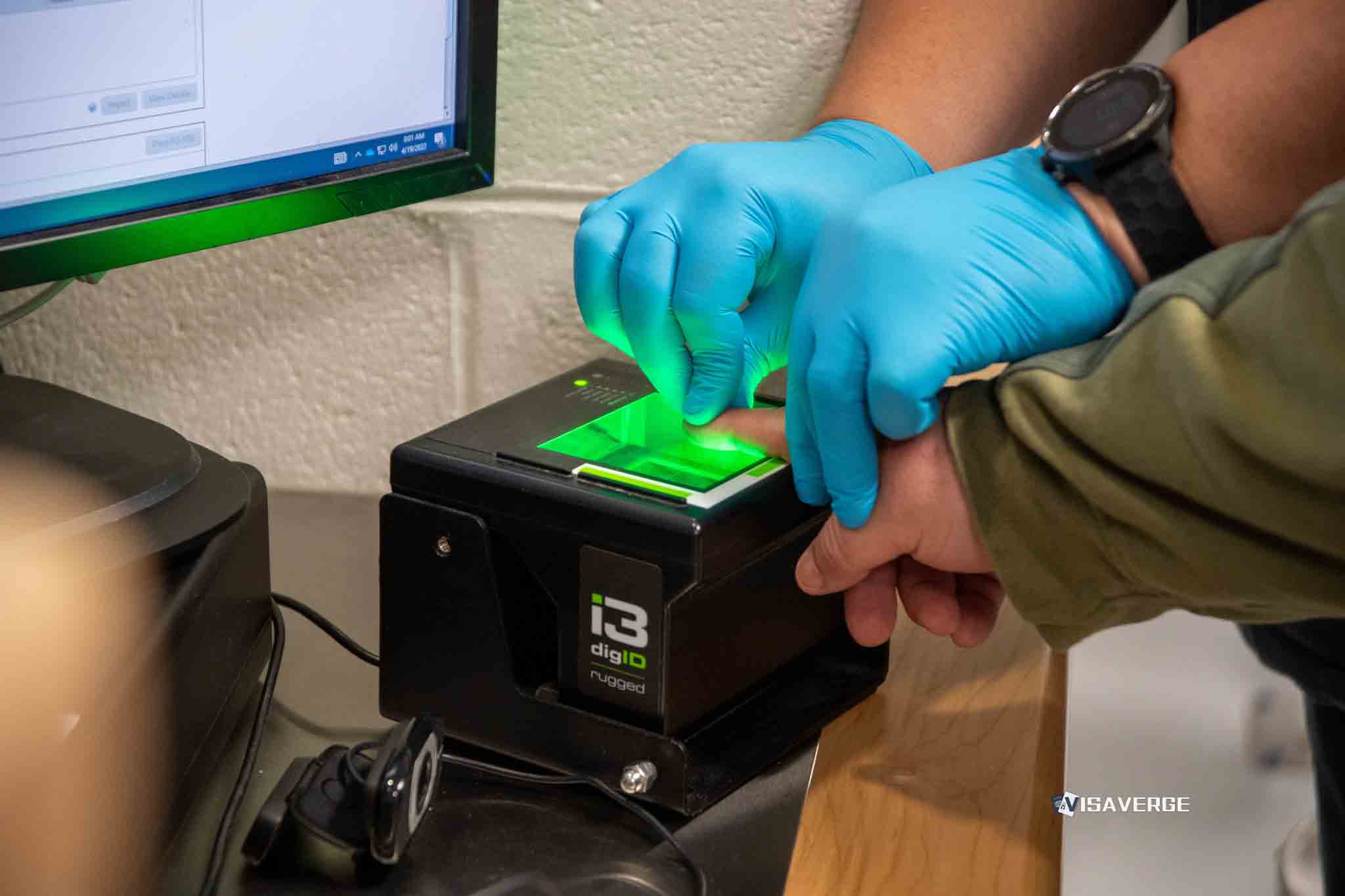
- Biometrics and facial matching: expanded biometrics described as including facial recognition, fingerprints, DNA, and other data.
- A live image step: upload of a live selfie photo, in addition to the passport biographical page.
Operationally, these additions matter for three reasons.
First, the form takes longer. Even if each question looks simple, the time burden comes from finding old information, checking dates, and confirming spellings.
Second, the chance of errors rises. Many travelers have multiple phone numbers, work emails, old personal addresses, and social accounts they rarely use. One missing digit or swapped character can create a mismatch.
Third, the U.S. can compare your answers against information in your passport and travel records. Consistency is the point of the exercise. If you list one name format on the form and a different one elsewhere, you invite questions.
Preparation is straightforward, but it’s not fast. Before you start the ESTA form, gather your details and write them down in one place:
- Your current passport data, copied exactly as shown.
- A list of phone numbers used in the last five years, including work numbers.
- A list of email addresses used in the last ten years, including old accounts you still control.
- Your social media identifiers from the last five years, using the same format you use on the platform.
- Family member names and contact information, so you don’t guess under pressure.
- A plan for the selfie upload, with good lighting and a steady camera.
Treat this like a consistency task. If you’re unsure about an old handle or email, don’t rush and “close enough” it. Take the time to confirm it.
3) Rollout timing: “imminent,” but without a fixed start date
The changes are expected to take effect imminently as of early 2026, but the U.S. has not published an exact implementation date for the new mandatory fields. That matters because travelers often apply right before a trip, expecting the older, shorter form.
In practice, you should prepare for the possibility that the ESTA site updates with little warning. A traveler who begins planning under one set of expectations may face a longer questionnaire days later.
Another planning issue is processing speed. Many travelers are used to quick turnaround, sometimes within 6 hours. With more fields to check, more data to match, and more chances for mistakes, it’s sensible to plan for longer waits than the typical experience.
That doesn’t mean every case will slow down. It means you should build time into your schedule so a delay doesn’t force you to cancel flights or scramble for alternatives.
4) The current ESTA validity rules and the end-to-end travel process
Even with expanded questions, ESTA remains a travel authorization under the Visa Waiver Program, not a visa. It’s used for short visits, and the basic rules stay the same.
Validity and trip limits
- An ESTA is generally valid for 2 years from the application date, or until your passport expires, whichever comes first.
- A valid ESTA can cover multiple trips.
- Under the VWP, you can stay up to 90 days per visit for tourism, business, or transit.
If your passport is close to expiration, that can shorten how long your ESTA remains usable. That’s one reason travelers often renew passports before starting travel planning.
A simple 5-step journey from planning to boarding
- Confirm you’re traveling under the Visa Waiver Program. Check that your nationality and passport status meet the program’s rules.
- Apply online through the official ESTA portal. Use the U.S. Customs and Border Protection site: CBP ESTA.
- Enter passport details exactly as printed. Copy the biographical page carefully, including spacing and order of names.
- Complete the expanded personal information fields. Use your prepared lists for phones, emails, and social media identifiers, and complete any selfie upload requirement.
- Wait for approval before boarding. Airlines and vessel operators rely on that approval to let you travel.
A practical note for families: if several people apply at once, the best way to avoid mix-ups is to prepare each traveler’s phone, email, and social details separately. Don’t assume everyone in a household shares the same contact history.
According to analysis by VisaVerge.com, the biggest real-world problem with expanded ESTA questions is not the questions themselves, but last-minute applications that force travelers to guess.
5) Eligibility points that trip up British and French travelers
The British and French experience under the Visa Waiver Program is not identical, even though both countries participate.
For British citizens, one eligibility detail matters every year: not all British passports qualify for VWP travel. The U.S. requires that British citizens have an unrestricted right of permanent abode in the United Kingdom. If your passport or status is unusual, check the passport notes and your status before you commit to nonrefundable travel.
For French citizens, France participates in the VWP, but standard ESTA conditions still apply. You still need to apply for ESTA and receive approval before boarding, and you must follow the 90-day limit and permitted purposes.
If your eligibility is borderline, the safest planning move is to verify your passport status early. Waiting until days before departure raises the stakes if the system flags your application for review.
6) Privacy concerns, why this is happening, and the main alternative if ESTA doesn’t work
The U.S. expansion of ESTA data collection sits in a wider environment of identity screening. U.S. authorities have steadily increased pre-travel checks across multiple traveler categories. Social media-related screening expectations already appear in U.S. Embassy guidance for some nonimmigrant visas, including F, M, or J.
That context helps explain why ESTA is moving in the same direction. From the government perspective, collecting more identifiers improves matching and may reduce the chance of travelers arriving with incomplete or misleading identity records.
Travelers see a different side of the same change. Privacy worries are common, especially when a form asks for social media identifiers, family details, and broader biometric-style data. The administrative burden also grows, because a traveler must store and recall years of digital history.
Travel industry critics have warned that the new requirements may deter tourists and complicate planning. Even travelers who have nothing to hide often dislike handing over more data, and many people simply don’t keep neat lists of old emails and phone numbers.
If ESTA is not workable, there is still a clear alternative path: apply for a visitor visa, typically B-1/B-2, through a U.S. embassy or consulate. Operationally, that route differs in three ways:
- It is a formal visa application process rather than a VWP travel authorization.
- It often includes an in-person interview requirement.
- It usually takes more time than ESTA, so it demands earlier planning.
For travelers who value certainty, the comparison is simple. ESTA is designed to be faster and lighter, while a visitor visa is more involved but can serve people who are ineligible for the VWP or who cannot obtain ESTA approval under the expanded requirements.