(DUBAI, UAE) — UAE expatriates flew into Muscat on Tuesday and hired cars and taxis for the drive to Dubai as Iranian missile strikes and airspace closures left most commercial flights to the Emirates suspended on the third day of the crisis.
The improvised route through Oman has become a fallback for residents who cannot find seats into UAE airports that are operating only limited repatriation and cargo flights, with most commercial services suspended through at least March 9.
Travelers arriving in Muscat described making quick decisions on flights, money and documents, then setting off toward the UAE-Oman border in hopes of reaching Dubai the same day.
Iran began the strikes on the UAE on February 28, 2026, prompting emergency alerts and flight disruptions that stranded residents, transit passengers and visitors, and left airlines and airports cycling through cancellations and reroutes.
By March 3, aviation disruptions had spread across typical routing patterns into the UAE, squeezing remaining capacity and forcing passengers onto longer itineraries, including indirect flights into Oman followed by overland travel.
The National Emergency Crisis and Disasters Management Authority issued public alerts urging people to “seek immediate shelter,” as residents weighed whether to move, wait indoors, or attempt to return to homes and employers under disrupted conditions.
Abu Dhabi Securities Exchange and Dubai Financial Market closed March 2-3, adding to the sense of disruption as people tried to contact employers, schools and landlords while monitoring travel advisories.
UAE airports including Dubai International and Abu Dhabi International limited operations, and many travelers reported finding no exit flights, no inbound seats, or broken connections after schedules changed.
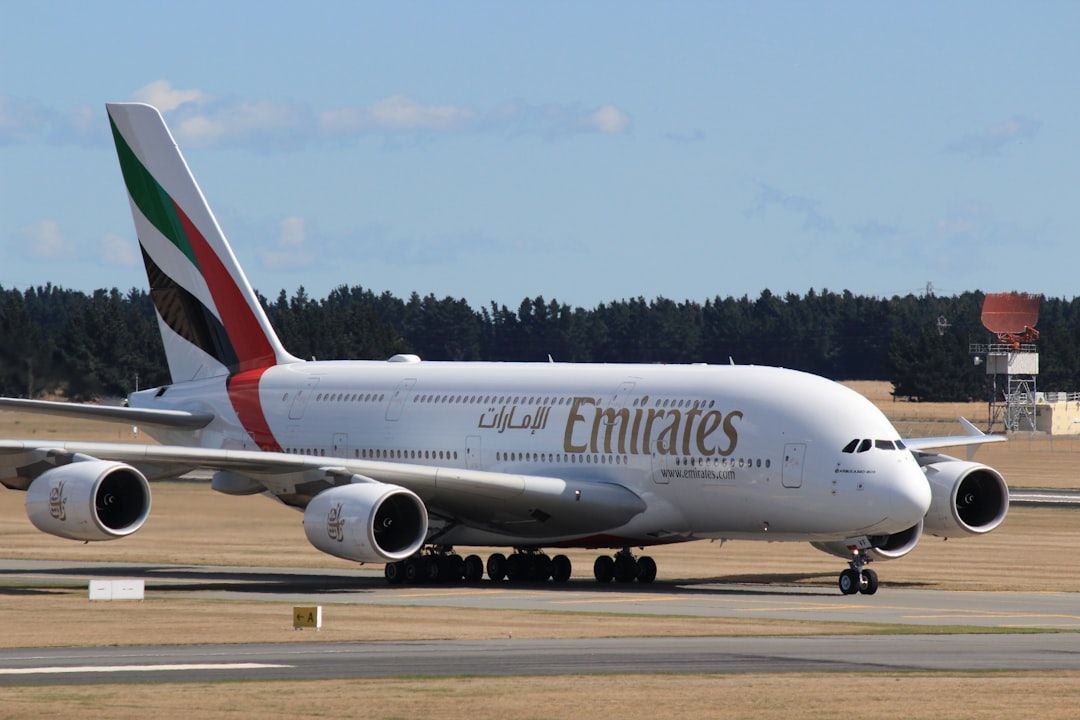
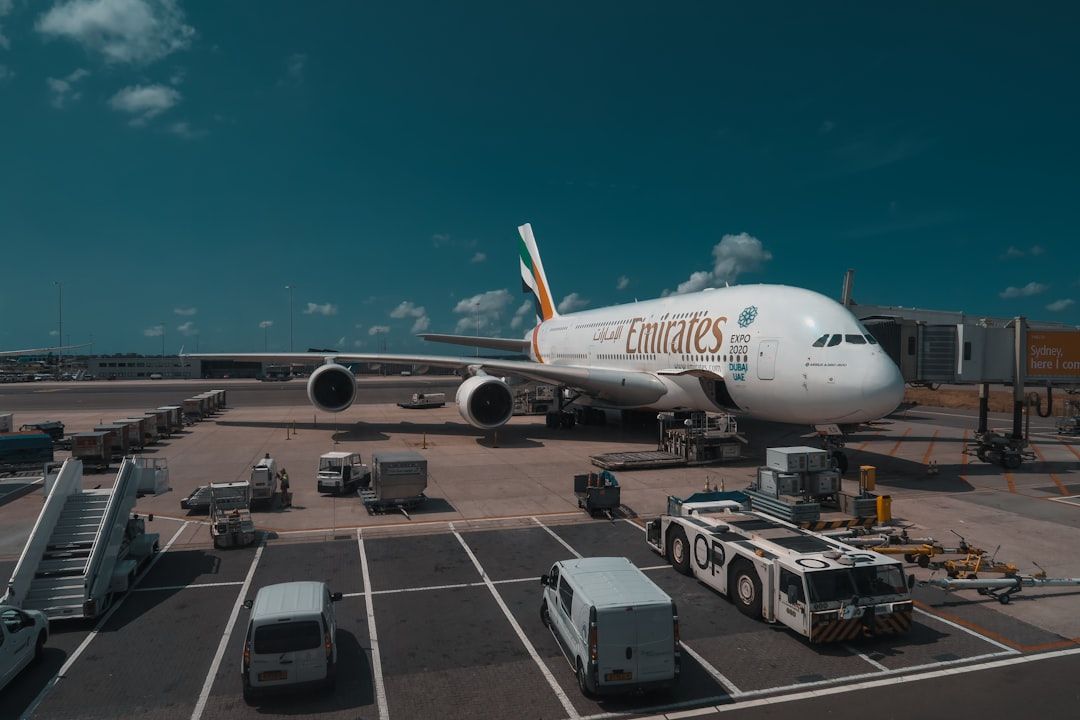
Emirates started minimal flights the evening of March 2, prioritizing rebooked passengers and telling customers not to go unless notified, as airports and airlines managed curtailed services and shifting restrictions.
Etihad canceled all commercial flights from Abu Dhabi and operated only repositioning, cargo and repatriation flights with approvals, narrowing options for residents who normally rely on frequent regional departures.
Royal Brunei canceled Dubai routes through March 9, another signal of the depth of schedule disruption facing travelers who typically would route into Dubai through a network of regional carriers.
A European aviation warning, in the form of EASA’s Conflict Zone Information Bulletin, banned flights over UAE and Oman until March 6, as airlines assessed operating risks and government restrictions.
Against that backdrop, Muscat International Airport continued to operate normally with Omani airspace open, and the airport received flights rerouted from the UAE, creating an entry point for people trying to reach the Emirates without flying directly into UAE airports.
For many UAE residents, the logic is simple: if passengers can reach Muscat reliably, a land crossing can bypass the bottleneck at UAE airports while commercial services remain suspended or severely limited.
The route generally runs from Muscat to Dubai by road, with travelers heading northwest through Oman and then crossing the UAE-Oman border before continuing into the UAE interior toward Dubai.
Expats and residents described the trip as feasible for those with valid UAE visas or residency, while stressing that border entry still depends on UAE immigration rules and a traveler’s documents rather than the road being open.
The land crossing most commonly cited was Al Wajajah/Sohar, which was described as open for residents and expatriates with valid UAE visas or residency.
Travelers said the drive from Muscat to Dubai runs roughly along the E44 highway and typically takes several hours by car, though the time depends on traffic, border queues and whether drivers travel in daytime or overnight.
For people making the trip with families, the attraction is control: a seat to Muscat, a vehicle for the drive, and a predictable set of checkpoints compared with shifting airline cancellations and airport restrictions.
Still, passengers arriving in Muscat said the plan requires careful preparation because problems at any stage — missed connections, a lack of ground transport, or unexpected delays at the UAE-Oman border — can strand travelers between countries.
Most began by searching for flights into Muscat from their origin points, including routes from India, and prioritizing itineraries with the fewest connection points because disruptions can cascade quickly across multi-leg trips.
Airlines that travelers looked at for the Muscat leg included SalamAir and Oman Air, and Flydubai was referred to in the context of pre-crisis travel patterns.
Some travelers tracked flight status in real time using Flightradar24, a strategy aimed at avoiding last-minute cancellations that can leave passengers stuck in transit cities with limited onward options.
Flexible ticket rules became a practical concern as expats tried to hedge against sudden schedule changes, while baggage limits mattered because travelers moving quickly by road often prefer to minimize checked luggage.
On arrival in Muscat, expatriates cleared immigration and prepared to show proof of their ability to enter the UAE, including UAE residence documentation such as an Emirates ID, and basic address and contact details.
Oman grants visa-on-arrival for most nationalities and provides a free 14 days for Indians and Pakistanis, a detail that eased immediate entry for many South Asian residents who make up a large share of the UAE workforce.
After immigration, the next decision was transport: whether to rent a car, hire a driver, take a taxi, or coordinate group travel with friends or co-workers to split costs and reduce the logistical burden.
Car rental was one option cited, with a benchmark price of about OMR 20/day, though travelers said availability can tighten quickly when large numbers of passengers arrive on similar rerouted flights.
Hiring a taxi or driver offered another path for people unwilling to drive a long cross-border route or those traveling with children, elderly relatives, or medical needs that make stop-and-start border queues harder to manage.
One-way taxi costs were put at about AED 800-1,200, with some groups organizing shared rides and splitting expenses four ways to bring down per-person costs.
Travelers also considered licensing and insurance questions before taking a rental car across the UAE-Oman border, and many carried extra cash because card payments and mobile networks can fail under heavy usage or localized disruptions.
Fuel planning mattered too. Fuel shortages in Dubai were reported, a factor that pushed some drivers to top up in Oman and carry enough to handle idling time at the border and slow traffic once inside the UAE.
At the border, expats said they expected document checks, possible questions about residency status, and queues that can extend travel times well beyond the drive itself.
The Al Wajajah crossing was described as operating 24/7, and travelers were told to be ready to present an Emirates ID on the UAE side.
People arriving by road said they packed water, snacks and portable phone chargers to manage waits, and prepared for mobile roaming gaps by arranging local connectivity in Oman before departing Muscat.
Once inside the UAE, travelers said they tried to keep plans flexible and avoid unnecessary movement during alerts, particularly if messaging from authorities urged residents to stay indoors.
The safety backdrop remained central. Interception debris remained possible and alerts urged avoiding windows and open areas, advice that shaped how families approached the final leg into Dubai.
Residents arriving in Dubai also had to coordinate quickly with employers and family members, particularly those whose workplaces set temporary lodging arrangements, transport guidance, or check-in procedures during the disruptions.
Some expatriates considered limited repatriation flights instead of the Muscat drive, including Etihad services such as flights to Delhi and Mumbai on March 2, though those options depended on approvals and seat availability.
Other evacuation routes circulated on social media, but sea evacuations were described as unconfirmed, leaving most travelers focused on the air-to-road workaround via Oman.
Cost remained one of the hardest variables for travelers to predict because seat scarcity, last-minute bookings and reroutes can swing airfares sharply, and a single canceled flight can force an extra night in Muscat.
Ground transport costs also moved quickly, driven by the one-way long-distance nature of the trip, fuel, and wait time, with late-night travel adding another layer of price pressure for those who arrived in Muscat after evening flights.
Some expats reduced costs by traveling with known contacts and splitting fixed expenses such as a hired car, while others prioritized paying more for a direct vehicle to reduce transfers and minimize time in crowded waiting areas.
Buffer planning became a common theme among travelers who made the journey: extra cash for food and lodging, a backup hotel plan in Muscat if onward transport fell through, and enough supplies to handle border slowdowns or temporary closures.
Officials and airlines remained the most reliable sources for operational updates, particularly as misinformation can spread quickly during disruptions and lead travelers to overcrowded terminals or to set off on long drives without confirmed border conditions.
For UAE residents, “official” guidance meant emergency authority alerts, airline notices, airport advisories and embassy or consulate updates, which many travelers checked repeatedly before departing for Muscat or leaving the airport by road.
The NCEMA hotline was listed as 800-1717, a contact point residents used while tracking alerts and instructions.
The Indian Embassy Dubai was listed at +971-4-397-1222 and the Pakistan Consulate Dubai at +971-4-397-0115, as expatriates sought consular help with documentation, family tracing and travel advice.
Residents were advised to monitor the UAE GCP app for alerts, and travelers said they relied on official notifications to decide whether to proceed, pause, or shelter.
As the crisis entered its third day, the Muscat-to-Dubai route remained a practical option for some UAE residents who could legally enter the Emirates and accept the risks and uncertainty of a long road journey during a period of alerts and reduced services.
Travelers who considered the route said they monitored airspace notices, airline cancellations and border operating status in real time, shared itineraries with family and employers, and kept document backups accessible in case phones lost power or networks failed.
Others chose to wait, citing health issues, missing documents or uncertainty about admissibility at the UAE-Oman border, and saying they would move only when official guidance and transport options aligned with a safer plan.