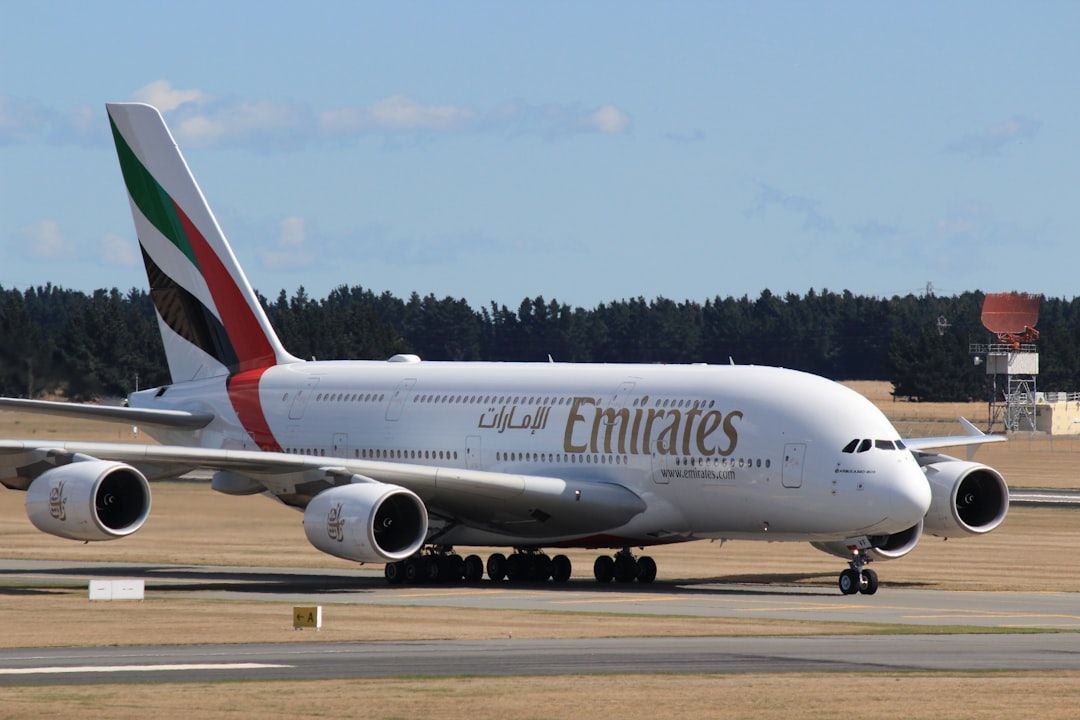
- The UAE closed its Tehran embassy on March 1, 2026, following Iranian missile attacks.
- Existing Iranian visas remain valid for travel despite the suspension of local UAE consular services.
- Travelers should anticipate significant delays for UAE visa processing previously handled in Iran.
(TEHRAN, IRAN) The UAE Closed Its Embassy in Tehran on March 1, 2026, after Iranian missile attacks, and the immediate effect is simple: UAE consular and visa services that were handled in Tehran are now disrupted. For most UAE residents who already hold a valid Iranian visa, this closure does not cancel that Iranian permission to enter Iran.
The practical split matters. UAE consular services are run by the UAE government, and they cover things like help for UAE nationals, document services, and processing UAE visas for foreign nationals. Iranian entry permission is controlled by Iran’s authorities at the border and through Iran’s visa system, and that control does not move to the UAE just because a UAE mission closes.
March 1, 2026: What the Tehran embassy closure changes right now
The closure means many Tehran-based touchpoints for UAE paperwork and consular help stop or slow. That includes in-country processing channels that Iranian nationals often rely on when they need a UAE-issued visa.
It does not automatically change:
- Iran’s rules for admitting travelers, including UAE residents arriving with an Iranian visa.
- The validity dates and conditions printed on an Iranian visa, because Iran issues and enforces those visas.
A clean way to think about it is “who issued it controls it.” A UAE visa is issued by UAE authorities. An Iranian visa is issued by Iranian authorities. A closure in Tehran interrupts UAE-side services delivered there, not Iran’s border decisions.
VisaVerge.com reports that confusion often spikes after an embassy shuts, because travelers assume a diplomatic move equals an entry ban. In immigration practice, those are different events, and the paperwork trail usually shows which one you are dealing with.
Who faces the biggest visa delays after the closure
Two groups feel this first, and in different ways.
- Iranian nationals seeking UAE visas through Tehran-based channels: expect interruptions and longer waits, because the UAE mission in Tehran was a practical place to submit, follow up, or resolve issues tied to UAE visa processing.
- UAE residents who hold Iranian visas or plan travel to Iran: the travel plan is mainly affected by airline operations, security measures, and border checks, not by the closure itself.
The reporting around the closure also includes examples of UAE visas that Iranian applicants seek, such as single-entry visit visas valid 60 days with a 30-day stay, or 3-month multiple-entry visas. The key point is that those are UAE-issued products, and the Tehran closure hits access to UAE processing where it was delivered locally.
For UAE residents, the most important operational fact remains: no reports describe Iran invalidating existing visas held by UAE residents, or adding new entry restrictions tied to the UAE’s Tehran closure during this timeframe.
How regional security affects flights and day-to-day travel logistics
The closure happened in a tense security moment, and travelers feel that most through air travel and local movement rules, not through a new stamp in a passport.
Iranian missile and drone attacks on UAE territory killed 3 people—citizens from Pakistan, Nepal, and Bangladesh—and injured 58 people from multiple nationalities. UAE officials condemned the attacks and described them as violations of sovereignty and international law. The UAE Ministry of Interior moved to its highest readiness level.
In practice, heightened tensions can trigger:
- Flight reroutes, as airlines avoid certain corridors or adjust for airspace risks.
- Cancellations and longer travel times, especially when regional airspace closures occur amid U.S., Israeli, and Iranian strikes.
- Reduced consular capacity, when multiple missions pause appointments, shorten hours, or cancel public-facing services.
An embassy closure still isn’t a travel ban. Airlines, however, can tighten check-in checks during security events, and that can feel like a sudden rule change at the counter. Plan for more document questions, especially if your route transits through busy hubs.
A practical, five-stage travel and status plan for UAE residents
This is the full journey most UAE residents face when they are trying to keep travel plans intact while protecting their UAE immigration status. The actions are sequenced so you do the highest-impact checks first.
- Confirm Iran entry readiness before you leave for the airport. Match your passport details to your Iranian visa exactly, including name order and passport number. Check that your visa type fits your purpose of trip, and carry any onward or return booking proof you plan to rely on.
- Treat airline check-in as a formal document screening step. Airlines often act as the first gate because they face penalties for boarding passengers who will be refused entry. Call your airline or check your booking messages for any added document requirements or routing changes.
- Plan for disruptions that stretch your time outside the UAE. If flight changes leave you stuck abroad longer than planned, keep a file of proof. Save cancellation notices, rebooking confirmations, and any public advisories your airline issued, because those records support extension requests and employer discussions.
- Protect your UAE residence compliance while you manage the disruption. UAE status is governed by UAE rules, not by Iran travel conditions. The common risk is missing a return date, then falling into overstay problems later. Overstay fines can apply once any grace period ends. A widely cited example is the investor visa category with 5–10 year validity, where grace periods extend to 6 months, followed by AED 50 per day in overstay fines. Readers should confirm their own category and dates through official channels. For UAE status checks and residency details, use the UAE’s official Federal Authority for Identity, Citizenship, Customs & Port Security portal at ICP Smart Services.
- Handle UAE visa cancellation correctly if your plans change jobs, sponsors, or visa type. “Cancellation” is a formal act in the UAE immigration system. A sponsor, employer, or the competent authority completes the cancellation steps before a new UAE visa can be issued. Keep copies of any cancellation confirmation and related sponsor communications, because timing affects what you can apply for next. If you become stranded or unable to travel, focus your communications on clear requests and clear proof. Ask your airline for written confirmation of schedule changes. Ask your employer or sponsor what they need to keep your file clean. Ask landlords, schools, or banks for deadline flexibility letters when you can document the disruption. The reporting during this period also described discussion of possible UAE stay extensions or emergency visas for stranded travelers, and even some accommodation support, while noting that no formal announcement had been made as of March 2, 2026. Treat that as a reason to gather documents early, not as a promise of approval.
What to monitor each day while consular services remain disrupted
A disciplined monitoring routine prevents last-minute panic and helps families make clean decisions about travel dates, school schedules, and work leave.
Watch three channels closely:
- UAE Ministry of Foreign Affairs statements, especially on consular availability and safety messages tied to the Tehran closure.
- Airline alerts, including route suspensions, transit rule changes, and check-in document reminders.
- Notices about consular appointment cancellations across the region, including the reported U.S. embassy cancellations in the UAE from March 2–4, 2026, because multiple closures at once often signal broad operational strain.
Treat third-country service pauses as a signal of pressure on travel systems, not as a hidden change in Iran’s legal entry rules. Iran’s border controls still decide admission on arrival, and that remains separate from whether the UAE can provide consular help inside Tehran while the embassy stays closed.