- The United States will pause immigrant visa processing in 75 countries starting January 21, 2026.
- The suspension targets permanent residency applications to reassess procedures regarding potential public charge concerns.
- Nonimmigrant visas remain active but face stricter screening and possible $15,000 bonds in certain regions.
(UNITED STATES) The United States 🇺🇸 has ordered a January 2026 pause on immigrant visa processing for people applying for green cards at consulates in 75 countries. The freeze starts January 21, 2026, and it stops many cases at the interview and visa-issuance stage.
For families and employers, the change lands at the worst moment: after petitions are approved and fees are paid, but before a relative or worker can travel. The pause matters most to applicants outside the United States 🇺🇸, because consular processing is the main path for getting an immigrant visa when you live abroad.
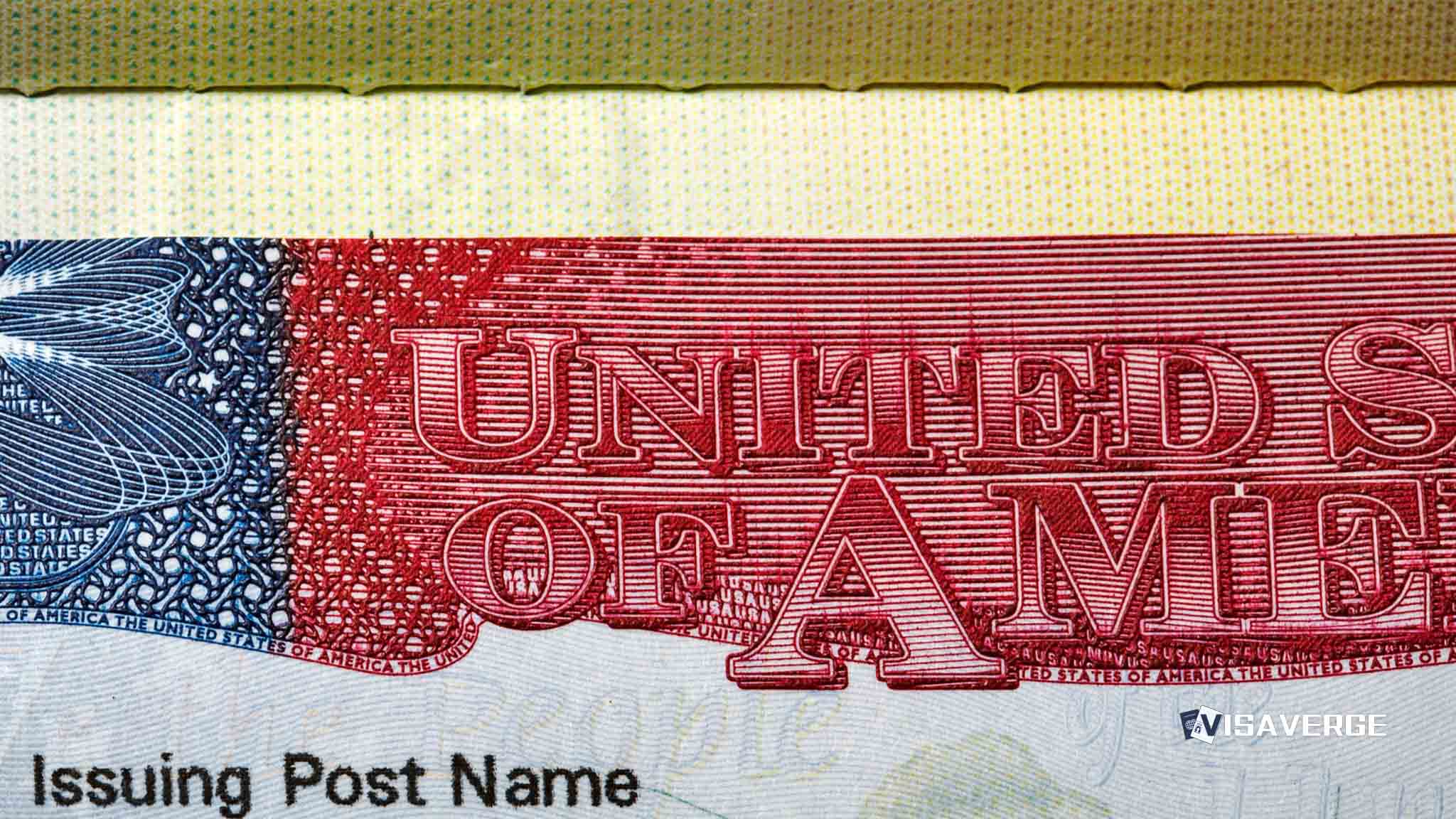
An “immigrant visa” is the stamp in your passport that lets you enter the United States 🇺🇸 as a permanent resident. It is different from a “nonimmigrant visa,” like a tourist or student visa, which is for a temporary stay.
The State Department says the new policy targets immigrant visas only, even though other categories may face tighter screening.
Announcement and official rationale
The public details came on January 14, 2026, when State Department spokesperson Tommy Piggott confirmed the pause and tied it to a reassessment of procedures.
“Immigrant visa processing from these 75 countries will be paused while the State Department reassesses immigration processing procedures to prevent the entry of foreign nationals who would take welfare and public benefits,” he said. He added: “The State Department will use its long-standing authority to deem ineligible potential immigrants who would become a public charge on the United States and exploit the generosity of the American people.”
VisaVerge.com reports that the announcement builds on wider reporting about visa processing for 75 countries and a separate pause on 39 countries.
In practice, the State Department runs embassies and consulates, while DHS oversees admission at the border and USCIS handles filings in the country. These lines shape what freezes now.
Sorting your case: immigrant vs nonimmigrant, consulate vs USCIS
Most people feel the pause at one chokepoint: the embassy or consulate that issues an immigrant visa. Immigrant visas include family-based categories, employment-based categories, and the diversity visa program.
If your case is abroad, you normally finish with a medical exam, a consular interview, and then visa printing.
If you are already in the United States 🇺🇸 and qualify to adjust status, you use a separate pipeline through USCIS. Adjustment of status leads to a green card without leaving.
The consular pause does not automatically stop that process, although policy shifts can affect screening and requests for evidence.
Nonimmigrant visas are officially outside the freeze, but “not paused” does not mean “fast.” Travelers should expect more questions, longer interview appointments, and more cases held for checks.
Examples include B-1/B-2 visitor visas, F-1 student visas, and J-1 exchange visas. Business travelers in other short-term categories can see similar friction.
Applicants often ask whether the pause cancels an approved petition. Approval of an immigrant petition usually remains valid, but the last step—visa issuance—stops when the post is told to halt immigrant visa processing.
The result is a case that sits in limbo, with medicals expiring and documents going stale.
A practical timeline during a pause
- Petition approval and National Visa Center fee stage continue, unless told otherwise.
- Interview slots stop being released, or interviews are canceled.
- Cases are “refused” for further review, then placed in administrative processing.
- Visas are issued only after the freeze is lifted and the post restarts printing.
This distinction mirrors reporting that immigrant visas only are targeted, even as officers apply tougher screening.
Employers with start dates should plan for delays and keep contingency staffing, especially for time-sensitive projects and relocations today.
Caribbean posts under pressure: 11 CARICOM states
In the Caribbean, the pause hits 11 CARICOM member states: Antigua and Barbuda, The Bahamas, Barbados, Belize, Dominica, Grenada, Haiti, Jamaica, Saint Kitts and Nevis, Saint Lucia, and Saint Vincent and the Grenadines.
For U.S. citizens and permanent residents sponsoring relatives, the regional clustering matters. Many applicants rely on a small number of consular posts, and when a post slows, queues spill over.
Even within the same country list, experiences can differ by embassy. Staffing, local security conditions, and the volume of cases already in the pipeline shape how cancellations and rescheduling play out.
Some posts will stop scheduling immigrant interviews outright. Others may keep interviews but issue 221(g) refusals so cases stay parked during the review.
Caribbean governments have also tried to protect tourism by clarifying that the U.S. action is about visas for foreign nationals, not entry rules for Americans.
Antigua and Barbuda’s tourism minister, The Honourable H. Charles Fernandez, said on January 13, 2026: “Antigua and Barbuda is open for business. Our tourism sector continues to operate normally, and travellers can plan their visits with complete confidence.”
The $15,000 visa bond and what “up to” means
Separate from the immigrant visa processing pause, the administration has tied some visitor visas to a financial guarantee. Starting January 21, 2026, certain B-1/B-2 applicants from Antigua and Barbuda and Dominica may be asked for a bond of up to $15,000.
A visa bond is not a filing fee. It is money held as a guarantee that the visitor will follow the terms of admission and depart on time.
“Up to” signals a case-by-case decision. Bring clear proof of your travel purpose, funds for the trip, and strong reasons to return home.
Wait for the embassy’s payment instructions, and keep official receipts in advance.
Administrative processing and INA 221(g)
During a pause, many applicants first learn about it through a refusal under Section 221(g) of the Immigration and Nationality Act. This is a temporary refusal that lets a consular officer hold a case while completing checks or collecting missing items.
It is not a final denial, and it does not erase an approved petition.
A 221(g) notice usually arrives as a letter at the interview window or as an email after the appointment. It tells you what the post needs next.
Common triggers include missing civil documents, unclear relationship evidence, new security vetting, or additional background questions. Some posts also use 221(g) when they are instructed to stop issuing immigrant visas but still want a formal case status in their system.
Responding well lowers the risk of extra delay:
- Send exactly what the notice requests, in the format the post lists.
- Keep copies and proof of delivery or upload.
- Do not send repeat submissions unless the consulate asks.
- Use the post’s stated channel for follow-up, and track any reference number.
Expect uneven timelines. Some 221(g) cases clear quickly once a document arrives. Others sit for months during broader reviews.
Policy context: public charge and “America First” framing
Tommy Piggott’s statements point to a policy focus on “public charge”, meaning whether an applicant is likely to rely on public benefits after entry. The administration has presented the pause as a way to tighten screening and prevent abuse of welfare programs.
That framing often increases document demands and interagency checks.
Operationally, consular officers may coordinate with DHS components and other partners when vetting expands. Readers who want more detail on agency roles can review VisaVerge reporting on asylum vetting roles, which describes how security reviews can involve multiple parts of government.
Delays hit households hard.
What to expect now: three common scenarios
- Immigrant visa applicants abroad. If your interview was scheduled after January 21, 2026, expect cancellation or a long reschedule window. If you already interviewed, your case may be held under 221(g). Watch your email and the consulate portal for instructions, and keep your passport valid.
- Nonimmigrant travelers from affected countries. The policy does not officially freeze visitor, student, or business visas, but interviews may feel tougher. Bring clear evidence of your ties to your home country, a detailed travel plan, and records that match your stated purpose. Some travelers may face long waits similar to those discussed in VisaVerge coverage of employment visa freezes and security rulings.
- U.S. citizens traveling to the Caribbean. Caribbean officials have stressed that Americans can still visit. The U.S. State Department raised Grenada to Level 2: Exercise Increased Caution on January 5, 2026, citing localized crime. Check the destination page and advisories before departure at travel.state.gov.
Plan for documents to expire. Medical exams and police certificates have limited validity, so track dates and budget for repeats if the pause drags on.
Keep a folder with updated civil documents, fresh contact details, and proof that your family relationship or job offer still exists.
Verifying updates and avoiding scams
Use a checklist before acting on rumors:
- Confirm announcements on the State Department visa site, USCIS updates at USCIS Newsroom, and the local embassy or tourism page, such as U.S. Embassy in Barbados & Eastern Caribbean and tourism authority.
- Save screenshots of notices for your records.
- Ignore anyone who demands money to “unlock” an interview or promises guaranteed approvals.
When policies move fast, patience and paperwork protect your place in line. If your case is stalled, keep contact details current, respond to consulate emails, and avoid booking travel until you hold a visa.