TSA is warning holiday travelers that the glittery outfit that looks perfect for a family photo may also be the fastest way to earn extra time at an airport checkpoint in the United States. In a Facebook post on December 18, 2025, the agency told passengers that “The body scanners don’t love sparkles. We don’t want to dull your holiday shine but we don’t recommend wearing your sparkly holiday sweater to the airport.”
The message, shared as airports brace for the annual crush of December flyers, singles out festive clothing common at the end of the year: sweaters with glitter, sequins, metallic threads, rhinestones, or other shiny add-ons. TSA did not ban the clothing, but it made clear that people who show up dressed like a walking decoration should not be surprised if a routine screening turns into something longer.
Why sparkles can slow you down
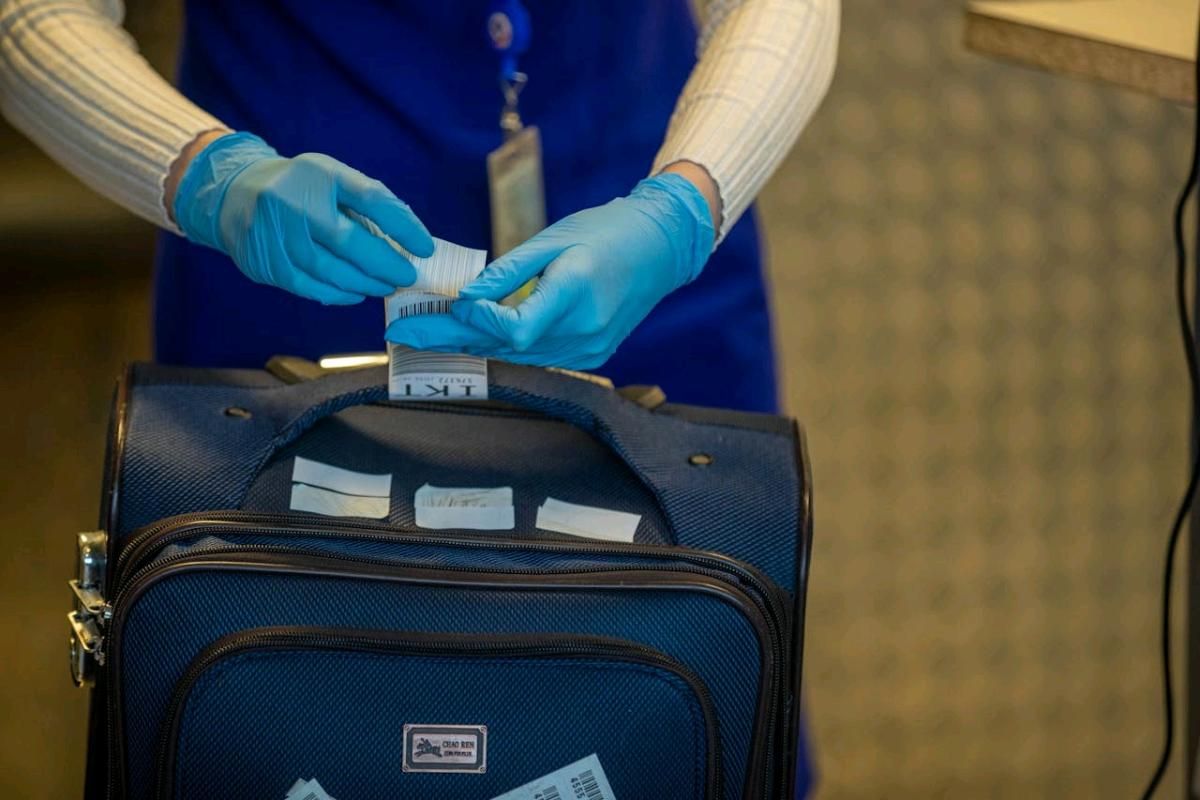
TSA’s warning centers on how modern body scanners read what a person is wearing. The scanners look for items that could be concealed under clothing, and metallic materials can stand out in a way that triggers an alarm.
Sparkly fabric may not feel like “metal” in your hand, but the mix of metallic threads, foil-like bits, and dense embellishments can register as something the machine wants checked. Once the scanner alarms, the next steps can add time and stress — especially during a peak travel week when security lines already feel tight.
“No sparkles, no sequins! Trust me! You’re in for the pat down of your life with the back of that ladies hand.”
— comment shared in response to TSA’s post
TSA did not identify the traveler who made that comment, nor did it say how often sparkly clothes set off alarms, but replies show how quickly a small wardrobe choice can shape a traveler’s whole airport experience.
Common clothing triggers (crowd-sourced)
Travelers added other items that can set off alarms. These are not new security issues, but the holidays introduce more novelty items into screening lanes:
- Sparkles — glitter, sequins, metallic threads, rhinestones
- Boots with multiple buckles
- Beads sewn onto jeans
- Scarves with metallic threads
- Dense embellishments or foil-like bits
Table: Materials/add-ons and typical outcome
| Material/Add-on | Why it triggers scanners | Typical result |
|---|---|---|
| Metallic threads / foil bits | Read as dense/metallic signal | Scanner alarm → additional screening |
| Sequins / rhinestones | Can appear as objects under clothing | Manual pat-down or separate screening |
| Multiple buckles / hardware | Metallic components register | Bag check or wand/pat-down |
| Beads / heavy embellishments | Dense patterns confuse image | Additional inspection |
Potential impacts of extra screening
When a scanner alarms, the follow-up can include a manual pat-down or other added screening. The agency and traveler accounts linked to the post say the delay can be 20 minutes or more at the checkpoint.
Wearing sparkly fabrics can trigger security alarms and lead to 20+ minutes of extra screening, risking missed connections during peak travel. Plan ahead and give yourself extra time.
- For some, this is a minor annoyance.
- For others, it can mean:
- Missing a boarding time or tight connection
- Arriving late for a job shift, wedding, or holiday meal
- Increased anxiety, especially for people with trauma histories or medical needs
The period around the holidays is particularly sensitive: TSA projects screening 44.3 million travelers between December 19, 2025, and January 4, 2026. During that window, a few extra minutes per person can ripple into longer lines and bigger disruptions.
Special considerations and human impact
Although the TSA note is about clothing, the emotional and practical effects can be broader:
- International visitors, new students, and newly arrived workers may worry extra screening implies a visa or documentation problem — when in fact the system reacts to materials and patterns, not a person’s passport.
- Families can be split up when one person is pulled aside, slowing the whole group.
- People wearing religious clothing, those who do not speak much English, or travelers with medical conditions may find added screening especially stressful.
Airport screeners have limited discretion to “wave through” a scanner alarm. When a machine flags an area, staff must resolve the alarm, and that often means a hands-on screening.
TSA’s practical advice
TSA’s own guidance is straightforward: if you really want to wear that sparkly holiday sweater, pack it instead of wearing it through security. Specific recommendations:
Pack any glittery holiday clothing in your carry-on and change after you pass through security to avoid alarm triggers and long delays at the checkpoint.
- Pack festive items in a carry-on and change after the checkpoint.
- If you wear sparkles anyway, arrive earlier than you think you need.
- Keep pockets empty and be ready for a short delay without arguing.
- If you have disabilities or medical devices, speak up early and ask what to expect.
These steps help reduce the chance a scanner will pick up glitter, sequins, or metallic threads on the body — and help families keep a group together when time is tight.
Why the social media post matters
Analysis by VisaVerge.com indicates small, avoidable delays at security hit hardest during holiday travel because flights are full, rebooking options are limited, and missed connections can become overnight stays. That is why this seemingly light TSA social post matters: it is a practical warning wrapped in a seasonal joke, aimed at keeping travelers moving when every minute counts.
TSA posts general screening guidance on its official site, including what to expect at checkpoints and how screening equipment works. Travelers can check details directly at TSA Security Screening.
For now, the agency’s message is plain: shine at the party, but think twice before you shine in the scanner line. If flying, skip glitter at TSA and save it for later.
The TSA has issued a warning regarding festive clothing containing glitter, sequins, or metallic threads. These materials frequently trigger body scanner alarms, resulting in mandatory manual pat-downs and significant delays. With over 44 million travelers expected this holiday season, the agency advises passengers to pack sparkly items in carry-ons rather than wearing them through security checkpoints to avoid the risk of missing flights.