- A partial DHS shutdown starting February 13, 2026 threatens to disrupt nationwide airport security operations.
- Unpaid TSA agents may face increased financial strain, leading to higher unscheduled absences and longer queues.
- Travelers should arrive early and monitor the MyTSA app for real-time checkpoint wait estimates.
As a DHS funding standoff looms, TSA warns that unpaid agents could lead to longer security lines, affecting air travelers nationwide and prompting airlines to adjust expectations and guidance.
1) Overview: what a partial DHS shutdown means for airport security
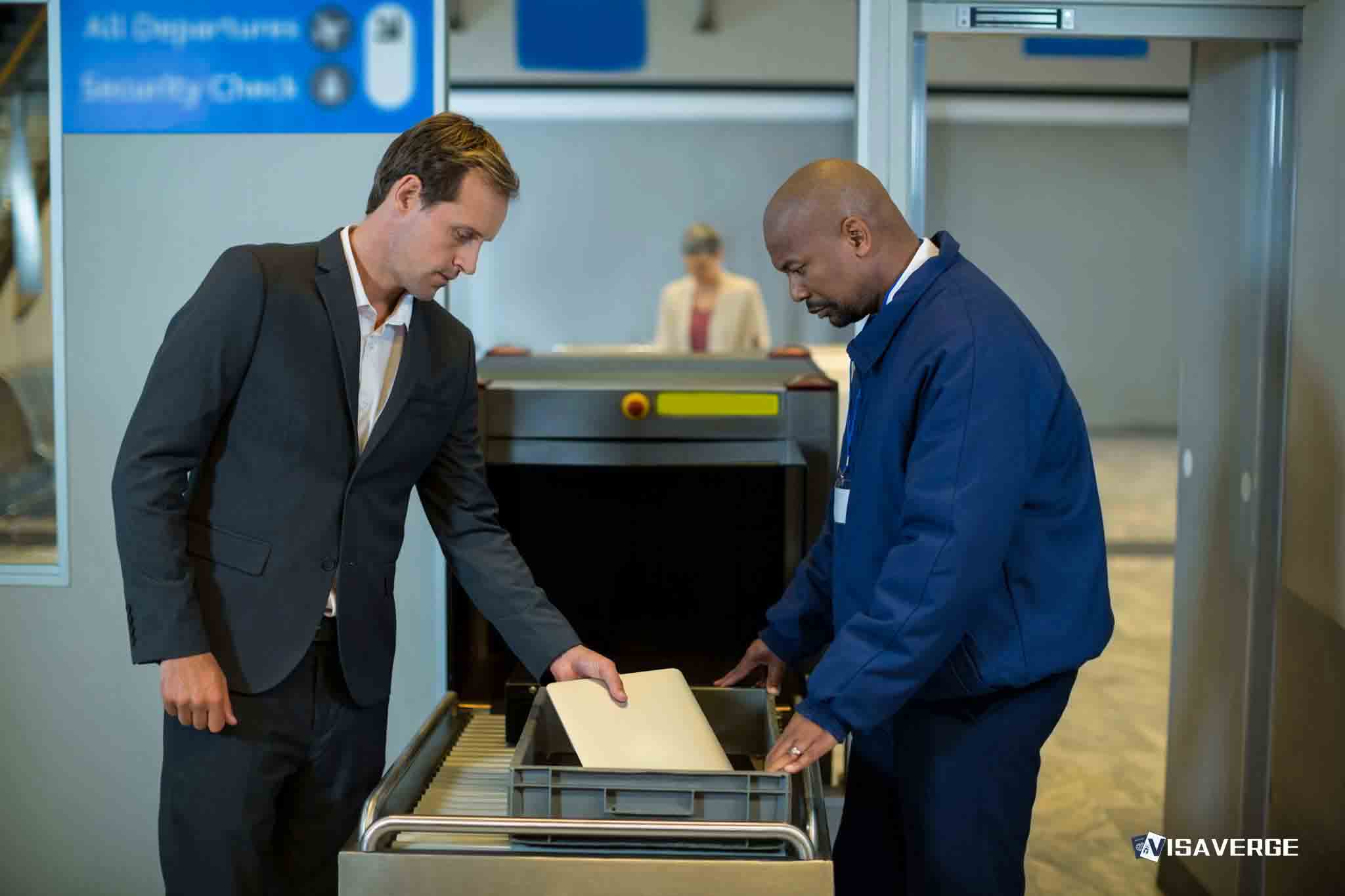
A “partial DHS shutdown” happens when the Department of Homeland Security loses funding for certain operations. Airport screening does not stop. TSA checkpoints stay open because many TSA staff are required to work, even without pay.
That requirement is the pressure point for passengers. When screeners miss paychecks, more people may call out sick, seek temporary work, or face commuting and childcare problems. Staffing gaps can turn a normal morning into a bottleneck fast.
TSA Acting Administrator Ha Nguyen McNeill raised that risk directly with a U.S. House Appropriations subcommittee, warning that financial strain on unpaid employees can lead to more unscheduled absences. If that happens, travelers can expect longer lines, slower bag screening, and more variability by airport, terminal, and time of day.
Scope also matters. A shutdown-related staffing squeeze could affect over 430 commercial airports in the United States. Not every airport will feel it equally. Some may look normal on Monday, then spike on Friday.
Timing is immediate. The anticipated partial shutdown start is February 13, 2026, midnight East Coast time. Treat the next several days and weeks as a planning window where you build extra margin into every trip.
Table 1: Key traveler guidance and expected impacts across airports
| Section | Main Impact | Traveler Action |
|---|---|---|
| Before you leave home | Checkpoint performance becomes less predictable | Build buffer time and avoid tight connections |
| Getting to the airport | Longer curb-to-gate time on some days | Leave earlier than you normally would |
| At the checkpoint | Waits may shift from typical 15-30 minutes to 45+ minutes during peaks | Use MyTSA estimates and watch for day-of swings |
| Connections | Missed connections may rise if checkpoints slow | Choose routings with more connection time |
| Irregular operations | Rebooking lines and app queues can grow | Use airline apps first, then phone/desk as backup |
2) Key impacts from past shutdowns: how problems build over time
Shutdown effects often follow a pattern. Early days can appear stable, because managers stretch schedules and staff push through. After that, reliability can slip.
A prior 43-day shutdown showed why. TSA kept average waits within standards at first, then absences increased and some airports saw sharp delays. The human side drove the operational side. Screeners reported severe measures to make ends meet, including sleeping in cars, selling blood plasma, or taking second jobs.
Pay cycles matter. When missed paychecks stack up, the risk of call-outs rises. McNeill flagged mid-March as the point when missed full paychecks can become an inflection point in a prolonged funding lapse. Stress, though, starts on day one.
Expect uneven impacts. A large hub can run smoothly at midday, then struggle at the first morning bank. A smaller airport can look fine most of the week, then hit a wall during a holiday weekend. Plan for swings, not averages.
3) Current shutdown context: what’s driving it and what changes for travelers
A standoff over DHS funding tied to immigration-related policy demands has brought the department to the edge of a partial shutdown. You do not need the full political back-and-forth to plan your trip. What matters is operational uncertainty.
TSA is central for air travelers, but it is not alone. Other DHS components, including FEMA and the Coast Guard, can also be affected by a funding lapse. Many employees may be required to work without pay, which can strain staffing across functions that support travel and emergency response.
Some immigration-enforcement pieces are funded differently. ICE and Border Patrol funding is separate and not guaranteed in the same way. For passengers, narrower: staffing levels at checkpoints and related operations can shift with little notice, and the risk increases the longer a shutdown lasts.
Daily change is the hallmark of this period. Staffing can fluctuate by shift, sick calls can cluster, and local conditions can flip quickly.
⚠️ Conditions can change daily and vary by airport and time of day; stay informed via official sources.
4) Airline reactions and traveler guidance: what to do before you fly
Airlines generally do not control TSA staffing, but they do manage the fallout. Even without carrier-by-carrier statements, you should expect standard rebooking workflows and triage if delays ripple:
- Missed-connection handling will prioritize rebooking passengers onto later flights.
- Rolling delays can compound late in the day as crews and aircraft rotate.
- Airport help desks may see longer lines, while apps and phone support queues also grow.
Step-by-step: reduce your risk of missing a flight
- Plan for checkpoint variability, not your usual routine. Arrive early enough that a surprise queue does not break your trip. Build extra margin for mornings, Mondays, and peak leisure periods.
- Check official wait-time tools more than once. Use the MyTSA app close to departure and again when you are about to leave for the airport. Treat estimates as directional. A sudden staffing gap can change the line quickly.
- Watch alerts where they actually reach you. Turn on notifications in your airline app. If your airport offers alerts, enable them too. Look for gate changes, departure delays, and boarding-time moves that can compress your timeline.
- Choose routings that tolerate disruption. If you can still adjust plans, consider flights with longer connection times. Tight connections become riskier when the checkpoint is unpredictable.
- Make the checkpoint easier on yourself.
Small steps save minutes:
- Keep your ID and boarding pass ready before you reach the podium.
- Pack liquids and electronics so they are easy to present if asked.
- Wear shoes and layers that are simple to remove and put back on.
- If you have TSA PreCheck or another trusted traveler benefit, confirm it appears on your boarding pass.
✅ What affected travelers should do now: plan buffer time, monitor MyTSA/app alerts, and keep receipts/documentation for potential rebooking/refund needs.
5) Steps to stay informed during the shutdown window (and document problems)
Use a simple routine. You want enough information to act, without spiraling into constant refreshes.
A practical monitoring cadence
- Night before travel
- Check MyTSA for your airport’s typical pattern.
- Open your airline app and confirm departure time, terminal, and baggage rules.
- Screenshot your itinerary and any schedule notices.
- Day of travel (before leaving home)
- Recheck MyTSA and your airline’s app.
- If the estimate looks worse than normal, leave earlier and assume slower curb-to-gate flow.
- If you have a connection, review later backup flights now so you can pivot fast.
- At the airport
- If you see the line accelerating, avoid last-minute tasks like checking bags late.
- If you must check a bag, do it earlier than you usually would to protect boarding time.
Decision points that can save your trip
- Leave earlier when MyTSA estimates jump, when your departure is in a peak bank, or when you see multiple delayed flights stacking up.
- Switch flights when you have a tight connection and the first leg is already slipping.
- Avoid checked bags if feasible when you are already time-compressed, since bag drop adds another queue.
If disruption hits, document it cleanly
- Keep records that help if you request rebooking help or a refund review:
- Screenshots of delays, cancellations, and new boarding times
- Photos of posted airport advisories
- Timestamps of when you entered the security line and reached the checkpoint
- Receipts for meals, lodging, or transport changes tied to the disruption
✅ What affected travelers should do now: plan buffer time, monitor MyTSA/app alerts, and keep receipts/documentation for potential rebooking/refund needs. ⚠️ Conditions can change daily and vary by airport and time of day; stay informed via official sources.
A DHS shutdown can turn routine airport security into a moving target. Treat February 13, 2026, midnight East Coast time as the moment to start adding buffer, checking MyTSA, and protecting your connections with safer scheduling.