- A proposal links renaming major transport hubs to the release of billions in infrastructure funding.
- Operational identifiers like IAD and NYP codes will remain unchanged despite any potential rebranding.
- The frozen $16 billion threatens the Gateway project, risking massive delays on the busy Northeast Corridor.
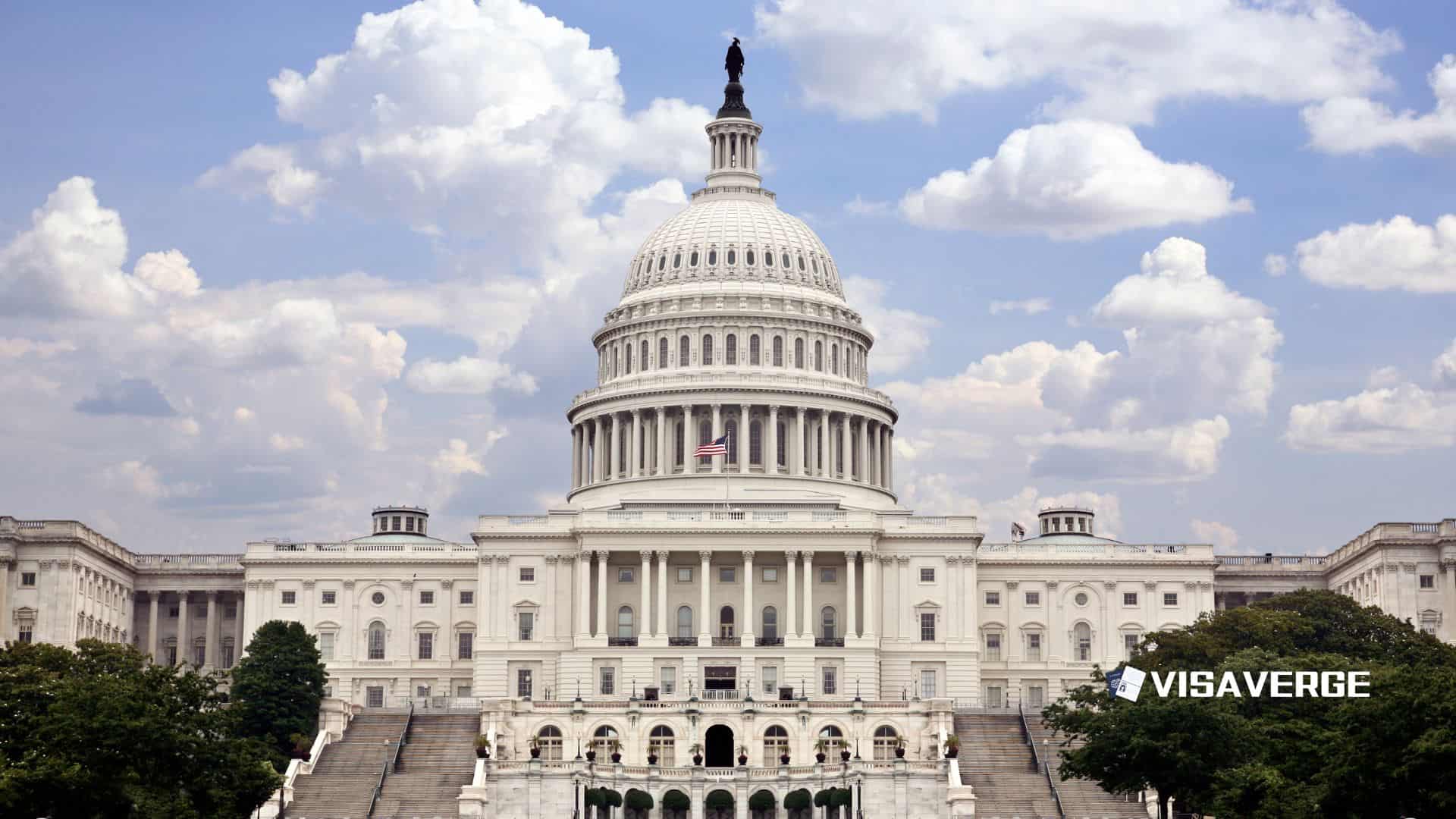
If you’re booking flights to Washington or trains through New York right now, the name on the building matters far less than the code in your itinerary. Even if President Donald Trump’s reported proposal to rename Penn Station and Dulles Airport moves forward, your tickets will still route you through NYP (New York Penn Station) and IAD (Washington Dulles) in the systems airlines, Amtrak, and apps actually use.
That said, the bigger travel story here isn’t branding. It’s the reported link to $16 billion in frozen federal support for the Gateway (Hudson Tunnel) project, a make-or-break rail program for the Northeast Corridor. If Gateway funding stays paused, you could feel it through crowding, knock-on delays, and rougher day-of-travel reliability in the New York–New Jersey choke point that feeds airports up and down the East Coast.

The comparison that matters: “What it’s called” vs. “How it works”
Here’s the cleanest way to think about this, as a traveler.
| Topic | Public name/branding (what you see) | Operational identifiers (what your booking uses) |
|---|---|---|
| Airports | Airport “name” on signs, press releases, maps, and terminal branding | IATA code (e.g., IAD), ICAO code, FAA listings, airline schedules, fare rules |
| Train stations | Station name on building signage and local wayfinding | Station code (e.g., NYP), timetable identifiers, ticket barcodes, platform messaging |
| What changes fastest | Websites, social media, some signage, local announcements | Reservation systems and fare filings change slowly, if at all |
| Traveler risk | Confusion in directions, rideshare drop-offs, and “which place is this?” moments | Low risk, unless codes or official station IDs change (rare) |
| What you should do | Verify addresses and terminal/station details before travel | Trust the code on your ticket: IAD, NYP, and your flight/train number |
So while the naming angle grabs headlines, the funding angle is the one that can actually change your trip.
Proposal overview: Trump seeks Penn Station and Dulles Airport naming in exchange for Gateway funding
The reported proposal is straightforward: Trump floated renaming New York City’s Penn Station and Washington Dulles International Airport (IAD) after himself. In return, the ask was to restart or release $16 billion in federal support tied to the Hudson Tunnel Project, often grouped under the broader Gateway Program.
Gateway is not a vanity project. It’s core infrastructure for the busiest rail corridor in the U.S. It includes:
- A new cross-Hudson passenger rail link between New York and New Jersey.
- Rehabilitation of the existing North River Tunnel.
- About nine miles of new passenger rail track, per the project description in the reporting.
This matters to airline travelers, too. The Northeast Corridor isn’t just an Amtrak story. It’s also how a lot of people reach airports like Newark (EWR), JFK, LaGuardia (LGA), and even Philadelphia (PHL) without driving. When the New York–New Jersey rail pinch point gets worse, the spillover shows up everywhere. You see it in car traffic, rideshare times, missed flights, and airport curb chaos.
There’s also a basic confusion risk. When major facilities get politically charged names, travelers second-guess what they’re searching for. People type “Trump Dulles” or “Trump Penn Station” into apps. That can produce bad directions during the changeover phase.
Airlines generally do not rename airports in their own vocabulary overnight. They sell the code and the city pair. “Washington (IAD)” doesn’t suddenly become something else unless the code changes. Codes almost never change, because they’re baked into global systems.
Funding status and timeline context: why the freeze is the real pressure point
The reported timeline is what gives this story urgency.
Federal commitments tied to Gateway were finalized in July 2024. Then, the Trump administration halted that funding in October 2025, in the context of a federal government shutdown.
A “freeze” like this typically doesn’t mean the project evaporates. It often means money can’t move on the planned schedule. That can slow contract awards, delay invoices getting paid, and create hesitation across the construction chain. Big infrastructure work depends on predictable cashflow.
Deadlines matter because construction doesn’t pause neatly. It can create:
- Work stoppage risk on active sites.
- Workforce instability, including subcontractors.
- Schedule knock-ons that can take months to unwind.
New York and New Jersey officials warned that if the funds weren’t released by Friday (in the late January to early February 2026 window referenced in the reporting), the project could stop and put about 1,000 construction jobs at risk.
For travelers, the near-term impact is indirect but real. If Gateway work slows or stops, you don’t necessarily see an instant timetable change the next morning. Instead, you get prolonged vulnerability in the Hudson crossing. That’s the place where a single bad day can cascade into missed connections.
If you ride Amtrak or NJ Transit into Manhattan for a flight, this is the corridor where “buffer time” stops being optional.
⚠️ Heads Up: If you have an early-morning departure from EWR or JFK, pad your plan. Use earlier trains and avoid tight same-day connections.
Political reactions and legal actions: what to watch that actually changes travel
Senate Minority Leader Chuck Schumer rejected the reported idea. People close to him framed it as there being “nothing to trade,” because the administration could restart funding on its own.
The more concrete development is legal. The Gateway Development Commission filed a federal lawsuit against the Trump administration on Monday, February 2, 2026, per the timeline in the reporting.
The core argument is about obligation. The commission says the grants and loans were contractually committed. They characterize it as an urgent investment in the passenger rail network. Schumer said the lawsuit would be unnecessary if the freeze were lifted. He also pointed to tens of thousands of union workers.
For travelers, what matters is procedural signals, not political heat. The meaningful updates are:
- A court order affecting the freeze.
- An announced resumption of funding.
- A revised construction or contracting timeline from the project sponsors.
Litigation timing matters because procurement is schedule-driven. If contractors think funding is uncertain, they price risk higher. That can translate into delays that outlive the news cycle.
Public and media coverage: how to verify any renaming without getting duped by rumors
At the time of reporting, neither the White House nor Schumer’s office publicly confirmed the naming proposal. The first report was attributed to Punchbowl News.
If you want to verify a renaming that affects travel, look for channels that trigger real-world changes:
- The airport operator or authority issuing an official statement.
- Updates to FAA-facing directories and airport information pages.
- Amtrak, NJ Transit, and station operator communications for Penn Station.
- Physical signage rollouts and wayfinding updates.
Most importantly, separate branding from operations. A facility can adopt a public-facing name while keeping the same code. That is how airports protect global interoperability.
A rename may show up on terminal signs and press releases first. Your airline app will still show IAD. Your bag tag will still say IAD.
Context: why Trump-branded naming keeps coming up
The reported proposal fits a broader pattern described in the coverage. Trump has leaned into branding public-facing institutions and initiatives.
Examples cited alongside this story include adding his name to the John F. Kennedy Center for the Performing Arts and the U.S. Institute for Peace, framed around claims that he “saved” them. The U.S. Navy also announced “Trump Class” battleships in December 2025. On Thursday, February 5, 2026, Trump unveiled TrumpRx, a government prescription drugs website.
Other Trump-branded initiatives cited include:
- A Trump Gold Card, launched last year, with a $15,000 application fee plus $1 million upon approval.
- A 2026 America the Beautiful National Park pass concept with Trump and George Washington imagery, facing a lawsuit over the governing act.
- Talk of Trump-linked naming around a potential new Washington Commanders stadium.
For travelers, the pattern is useful context because it explains why “naming” keeps coming up as a political tool. It also explains why you may see mixed references during any transition.
But even a high-profile rename rarely changes your core travel identifiers quickly. Airlines, railroads, and global distribution systems move slowly. That’s by design.
Related naming litigation: what these disputes look like in practice
Naming fights can also end up in court. A related example in the reporting is a lawsuit filed by Rep. Joyce Beatty in December 2025 seeking to remove Trump’s name from the Kennedy Center reference point. The White House response, via spokesperson Liz Huston, framed it as a board vote recognizing Trump’s contributions.
That “governance process” detail matters. Many facilities have boards, authorities, or commissions with formal naming powers. Even when politics drives the news, the mechanics can be procedural.
For travelers, the practical reality of a rename is usually a messy middle period:
- Maps and navigation apps update at different speeds.
- Rideshare drivers use old names for months.
- Customer service scripts lag behind signage.
- Media uses both names, which doubles confusion.
If any rename proceeds for Penn Station or Dulles Airport, expect a transition where you’ll hear both names. Expect your tickets to keep showing NYP and IAD.
💡 Pro Tip: When you’re giving directions during a naming transition, lead with the code. Say “IAD Dulles” or “NYP Penn Station,” then add the street address.
How this affects price, miles, comfort, and trip planning
This story isn’t a fare sale. Still, it touches the stuff frequent travelers care about.
Price
A rename itself won’t change airfare. Airports don’t reprice landing fees overnight because a sign changed.
Gateway delays can influence total trip cost in a quieter way. If trains become less reliable, you may pay more for:
- Earlier departures and pricier flights.
- Airport parking instead of rail.
- Rideshares in surge windows during disruptions.
Miles and points
Naming changes do not change how you earn miles. Your earning is tied to fare class, ticket number, and operating carrier rules.
Redemptions also won’t change because of a rename. Award charts don’t care what the terminal is called.
The place this can bite you is search behavior. If you’re hunting awards, always search the code:
- Search IAD, not “Trump Dulles.”
- Search NYP, not “Trump Penn Station.”
That keeps you from missing availability due to weird autocomplete results.
Comfort and reliability
Gateway is a reliability story. If work stalls, the corridor remains more brittle. That can mean more days where a minor incident turns into major delays.
For business travelers and investor visa applicants, reliability matters more than a fancy name. Missed appointments cost more than a train ticket.
Investor visas and international arrivals
If you’re traveling for an investor visa pathway, like an E-2 meeting or an EB-5 process, the naming drama is mostly background noise. Still, there are two practical angles:
- For international arrivals at IAD, keep your documentation consistent with your itinerary. Your flight will still list Washington Dulles (IAD).
- If you’re connecting from New York via rail, give yourself extra time. Reliability risk is higher when major infrastructure is under dispute.
Choose X if… / Choose Y if…
Choose “ignore the branding and trust the codes” if:
- You’re booking flights and award tickets in the next few weeks.
- You’re planning rideshares and want clean pickup and drop-off details.
- You’re coordinating travel for family members or colleagues who get confused easily.
Choose “build extra buffer and monitor Gateway funding” if:
- You regularly connect between Manhattan and airports by rail.
- You commute through the Hudson crossing on Amtrak or NJ Transit.
- You have time-sensitive travel tied to investor visa appointments or business meetings.
In other words: the name affects your directions. The funding affects your odds of being on time.
Final verdict
Treat the reported Trump proposal as a potential branding change with minimal impact on your bookings. The codes that run travel—IAD and NYP—are the anchors you should follow.
Put your real attention on the Gateway funding clock. If you have Northeast Corridor travel coming up, plan as if rail reliability could get worse before it gets better. If officials stick to the warning that a release is needed by Friday to avoid stoppages, that’s your cue to add time cushions now, not later.