- St Helena Airport suspended commercial flights through February 20 due to firefighting equipment safety downgrades.
- The airport currently operates at Category 4, allowing only medevacs and small aircraft movements.
- A Major Incident was declared to coordinate equipment repairs and restore international safety compliance standards.
St Helena Airport just became one of the rare places where the hardest part of your trip isn’t the fare or the weather. It’s the airport’s rescue-and-fire coverage. With commercial flights suspended after a safety downgrade tied to its fire tenders, your plans can change fast, even if your ticket looks “confirmed.” If you’re booked in February, treat your itinerary as disrupted until the airport returns to its normal certification.
What follows is a practical, flyer-focused review of the St Helena air trip experience and what the current suspension means in real life, from seat comfort to refunds, and from safety categories to travel requirements.
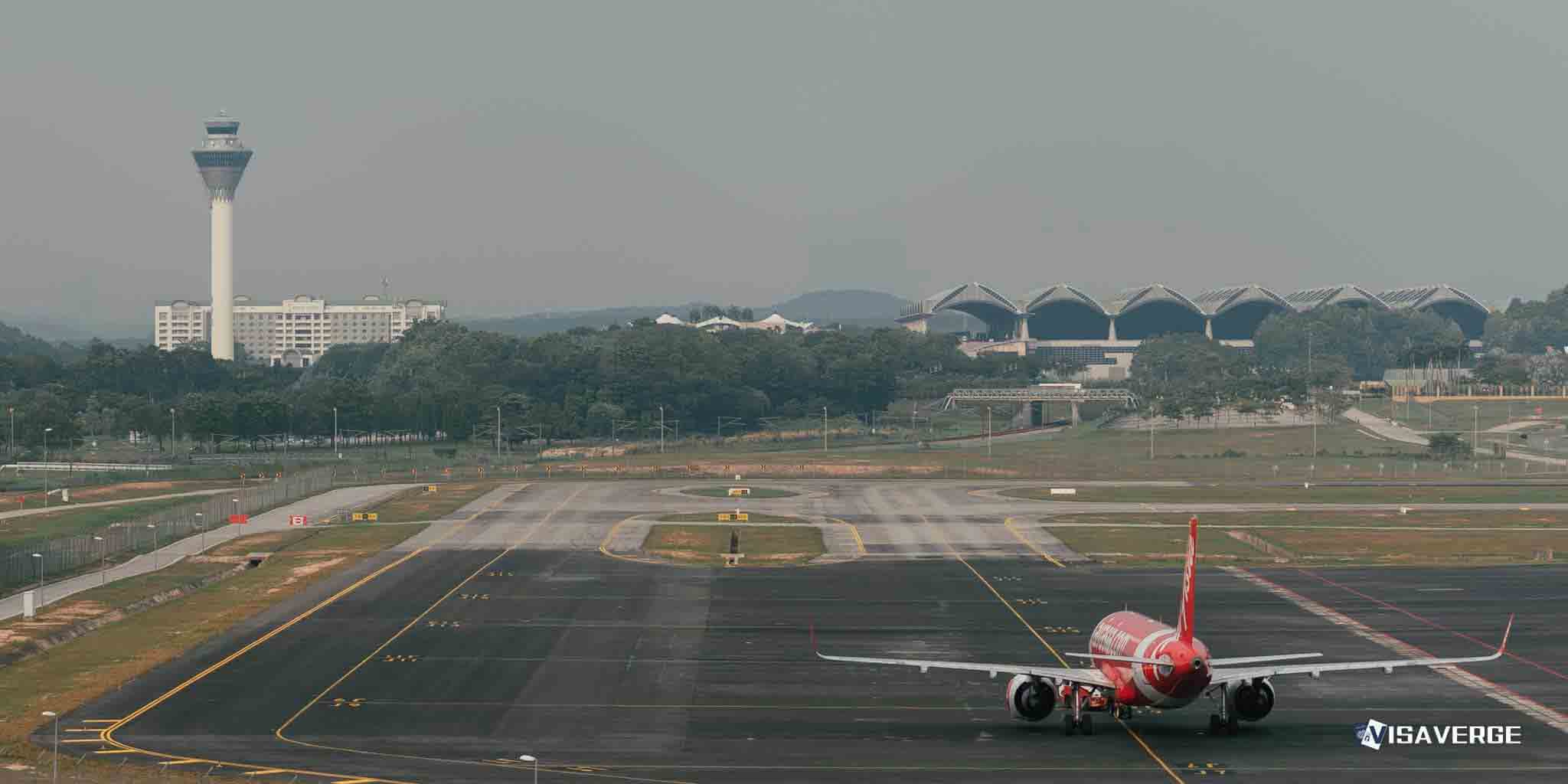
1) Incident overview and safety certification status
St Helena Airport has suspended commercial passenger operations after being downgraded from Category 6 rescue and firefighting coverage. The trigger is a technical assessment that found issues with the airport’s fire tenders against international safety standards.
For travelers, the headline is simple. Scheduled airline service can’t run without the right level of airport emergency capability. That includes trained personnel, response times, and equipment that matches the size and risk profile of the aircraft.
Here’s why the category matters.
| Item | What it means for you |
|---|---|
| Category 6 (previous) | Supports certain commercial jet operations, including the aircraft Airlink typically uses. |
| Downgrade from Category 6 | Forces airlines to pause service if the aircraft requires higher coverage. |
| Major Incident declaration | Signals heightened coordination, clearer public updates, and faster prioritization of critical work. |
The St Helena Resilience Forum declared a Major Incident on 6 February 2026. In aviation terms, that’s not a marketing label. It’s a public coordination switch.
It typically changes three things you’ll feel as a traveler:
- A single, formal command structure for decisions and updates.
- Faster alignment across airport ops, emergency services, and the government.
- More conservative operational choices until safety sign-offs are complete.
2) Flight suspension details: what’s canceled, for how long, and what to expect
The commercial impact is concentrated in one place: the scheduled link between South Africa and St Helena.
Airlink has cancelled services through at least 20 February 2026, with uncertainty beyond that date while the airport’s operating conditions remain under review. If your trip straddles that window, assume the “end date” can move.
This route also has an important operational twist. It’s typically operated by an Embraer regional jet. That’s a capable aircraft, but it still drives specific rescue-and-fire requirements. When the airport drops below those requirements, the airline can’t simply “try anyway.”
A quick route snapshot helps explain why the safety category is the gating item.
| Detail | Information |
|---|---|
| Route | South Africa (via Airlink’s network) → St Helena |
| Typical aircraft type | Embraer regional jet (E-Jet family) |
| Why aircraft type matters | Larger jets usually require higher airport rescue-and-fire category coverage. |
| Suspension window | Cancellations through at least 20 February 2026, and possibly longer. |
Airlines use phrases like “until further notice” for a reason. It usually means:
- Crew and aircraft schedules are not yet rebuildable.
- The airport’s operating restrictions are still changing.
- The carrier is waiting for a formal safety sign-off, not a hopeful estimate.
To track changes without driving yourself mad, focus on three channels:
- Airlink’s disruption notices for your flight number.
- Airport or government advisories tied to operations and safety category.
- Your booking channel, especially if you used an agent.
3) Current operational status and what “Category 4” allows
St Helena Airport received approval to operate at Category 4 from Airport Safety Support International (ASSI) on 8 February.
That does not mean “flights are back.” It means the airport can support a narrower set of operations under defined limits.
In practice, Category 4 can allow:
- Smaller aircraft movements.
- Specific mission flights under agreed constraints.
- Continuity for some essential logistics.
Medical evacuations are the big one. St Helena’s remoteness makes medevac capability a lifeline, not a nice-to-have. The airport’s focus is keeping that pathway open, even while scheduled service remains paused.
Still, medevac continuity has real-world limits:
- Aircraft availability can be tight.
- Prioritization rules can change fast during disruptions.
- Weather and staffing still matter, even with approval in place.
Why can’t Airlink resume normal passenger operations at Category 4? Because the aircraft and scheduled nature of the service typically require higher rescue-and-fire coverage. It’s not only about seat count. It’s also about certification rules and risk management.
⚠️ Heads Up: Don’t read “Category 4 approved” as “commercial flights returning.” It’s a limited-ops green light, not a full restart.
4) Incident response and coordination: who is in charge and how restoration works
During a Major Incident, clarity beats speed. That’s why St Helena’s Chief Secretary is leading the response as Gold Commander.
For travelers, this matters because it centralizes decisions that affect:
- When and how the airport can return to higher categories.
- What temporary mitigations are acceptable.
- How often the public receives formal updates.
Coordination includes several moving parts:
- The airport operator and emergency services.
- Airlink, which must meet its own operational and insurer requirements.
- Solomons, a key local booking channel for many passengers.
- Technical teams assessing equipment readiness and compliance.
A realistic restoration pathway usually looks like this:
- Assess fire tender capability and gaps versus required standards.
- Fix or replace equipment, then validate performance.
- Confirm staffing, training, and response-time requirements.
- Re-certify or re-approve the higher category level.
- Reintroduce scheduled flights in phases, once airlines can rebuild rotations.
Phasing matters. Even after the airport returns to a higher category, flights may not restart the next morning. Airlink still needs aircraft time, crew legality, and a workable network plan.
5) The “review” part: what the Airlink-to-St-Helena trip is like (when it’s running)
When St Helena Airport is operating normally, the Airlink experience is closer to a solid regional hop than a long-haul “event.” The destination is the trophy. The flight is the transport.
Cabin and seats: comfort you can count on, in a small-jet way
Airlink’s St Helena service is typically on an Embraer E-Jet. That’s good news for comfort in economy, because there’s no middle seat.
What you can generally expect on an Embraer E-Jet economy cabin:
- 2-2 seating, so every seat is aisle or window.
- Seat pitch around 31–32 inches in standard economy.
- Seat width around 18 inches, which often feels better than tight narrowbodies.
Overhead bin space is decent for roller bags, but not unlimited. If the flight is full, board early if your carry-on is important.
Power is the one area I treat as “plan for none.” On many regional jets, you won’t reliably find in-seat power. Bring a charged power bank and the right cable.
Food and service: friendly, but keep expectations realistic
Airlink’s onboard service on regional routes is usually simple. Think drinks and a light snack, rather than a tray meal.
On a remote route like St Helena, catering can also be sensitive to logistics. If anything is irregular with operations, food is often the first thing to simplify.
My practical approach:
- Eat in the terminal before boarding when you can.
- Pack something compact if you have dietary needs.
- Don’t assume you can buy a full meal onboard.
Entertainment: bring your own, and download before you go
E-Jets rarely have seatback screens. Wi-Fi is also not something I’d count on as a given.
Treat this as a “download-first” flight:
- Download shows, podcasts, and maps before leaving mainland coverage.
- Screenshot hotel confirmations and any onward plans.
Amenities and airports: where the remoteness shows up
St Helena Airport is not a mega-hub. That’s part of the charm, but it changes how you should plan:
- Fewer backup flights when something breaks.
- Fewer spare parts and replacement vehicles on hand.
- A disruption can last days, not hours.
That’s also why the current fire tenders issue has such an outsized effect. At a big airport, equipment redundancy is deeper. On an island airport, one gap can stop the schedule.
Competitive context: are there alternatives to Airlink?
In most weeks, Airlink is the only practical scheduled air option into St Helena. That lack of competition changes everything:
- Cash fares can be higher than you’d expect for a regional flight.
- Award-seat style redemptions are limited, even when programs allow them.
- Irregular operations are more punishing, because there’s no second carrier to rescue you.
If you must travel during the suspension, your realistic alternatives are limited:
- Wait for commercial service to resume.
- Ask your travel provider about charter or mission-flight options, if appropriate.
- Rework the trip entirely, including postponing hotels and tours.
This is one destination where travel insurance details really matter.
Miles and points: what this disruption means for earning and burning
When flights are operating, Airlink tickets can sometimes earn miles through partner relationships, depending on the fare and program rules.
During a suspension, the miles angle shifts from “how much will I earn?” to “how do I protect value?”
A few points that matter:
- If you’re rebooked, confirm your new ticket number and fare basis. That can change earning.
- If you’re refunded and later repurchase, you’re starting from scratch on price and inventory.
- If you’re chasing elite status, a cancelled segment can affect annual targets. Keep documentation for your records.
If you booked with points through a bank portal or agency, the rules can be stricter than booking direct. The party that issued the ticket controls the refund and reissue process.
Impact on travelers, residents, and businesses: what to do right now
Remote destinations magnify disruption costs. A cancelled flight can cascade into:
- Lost hotel nights.
- Missed tours.
- Extra meals and lodging during an unexpected stay.
- Rescheduling fees for onward travel.
If you already hold tickets:
- Do not cancel first if you want protection under the airline’s disruption policy. Wait for the airline’s cancellation notice when possible.
- Ask for your options in writing. Save emails and screenshots.
- Keep receipts for reasonable expenses if the carrier’s policy allows claims.
- If you used insurance, open a claim early. Insurers often want a timeline.
Contacting the right place matters. If you booked through an agent, the airline may direct you back to the agent for changes.
For St Helena bookings, Solomons is a key channel:
- Phone: 22523
- Email: [email protected]
Airlink is the operating carrier for the scheduled route. If you booked direct, start with the airline’s manage-booking tools and disruption messages.
💡 Pro Tip: If your flight is cancelled, ask for a “cancellation confirmation” note for insurance. It speeds up claims and reduces back-and-forth.
Travel requirements note: St Helena vs the UK
St Helena is a UK Overseas Territory, but it is not the same as entering the UK.
Plan for two separate questions:
- Entry to St Helena: check current entry rules for your nationality and trip purpose.
- Transit through South Africa or the UK: transit rules can be stricter than your destination’s rules.
If your routing touches the UK, remember UK immigration rules apply even if your final destination is St Helena. If you are transiting, verify whether you need a UK transit visa based on your passport and itinerary.
Who should book this?
Book the St Helena air trip if:
- You can travel outside tight windows, and you can absorb a schedule shift.
- You’re comfortable with a regional-jet experience and limited inflight extras.
- You’ve built buffer days into the trip, especially on the return.
Hold off, or delay your trip, if:
- You must travel before 20 February 2026 and can’t risk an extended delay.
- You have nonrefundable hotels and tours with no flexibility.
- You rely on tight connections for work, school, or medical appointments.
If you’re booked in February, treat 20 February 2026 as the first date that might change your options. Don’t make new nonrefundable plans until St Helena Airport returns to a higher rescue-and-fire category and commercial schedules are reloaded.