- Ryanair will cut 2.2 million seats in Belgium by 2027 due to new per-passenger taxes.
- Charleroi Airport faces significant capacity reductions starting in 2026 as costs for low-fare tickets rise.
- The airline may relocate aircraft to Italy, Sweden, and other markets with lower aviation taxes.
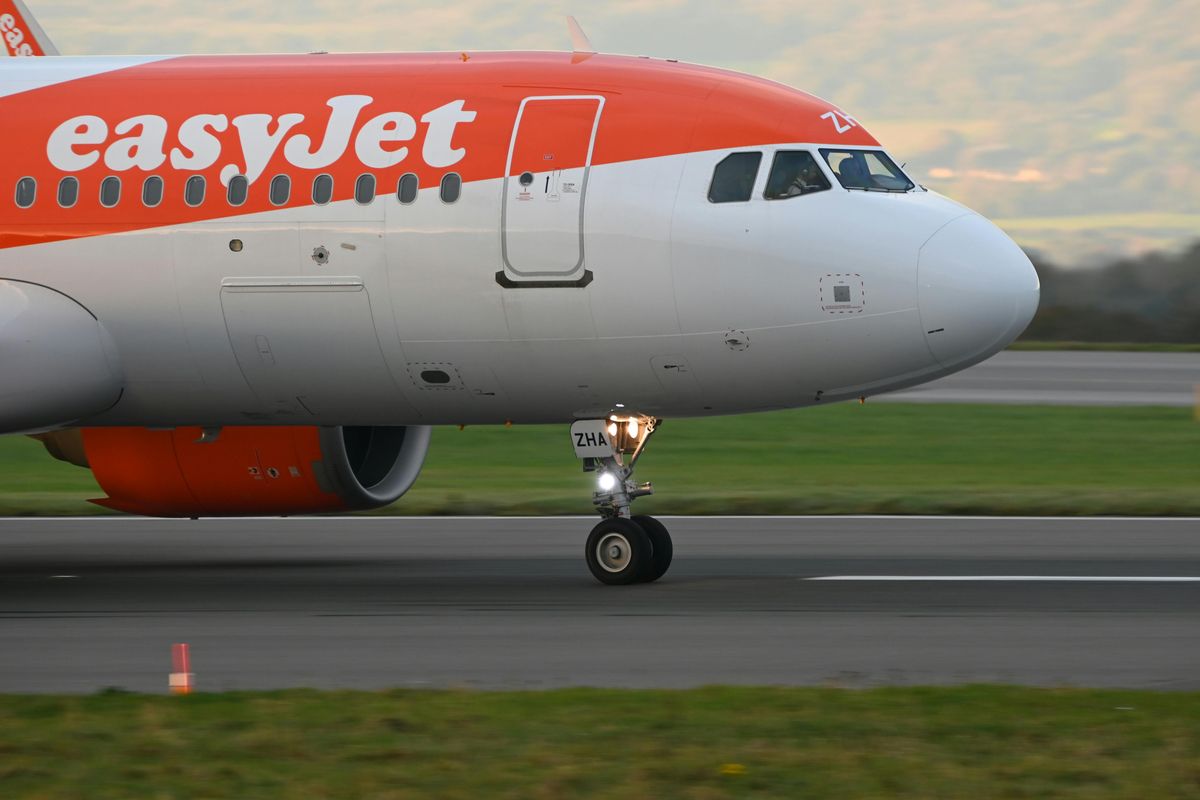
(CHARLEROI, BELGIUM) — ryanair has announced multi-year capacity cuts at Belgian airports—centered on Charleroi—after new per-passenger taxes raised the cost of selling low-fare tickets, and the airline is openly weighing whether to shift aircraft to other European markets instead.
Section 1: Overview: Ryanair cuts to Belgian capacity in response to new passenger taxes
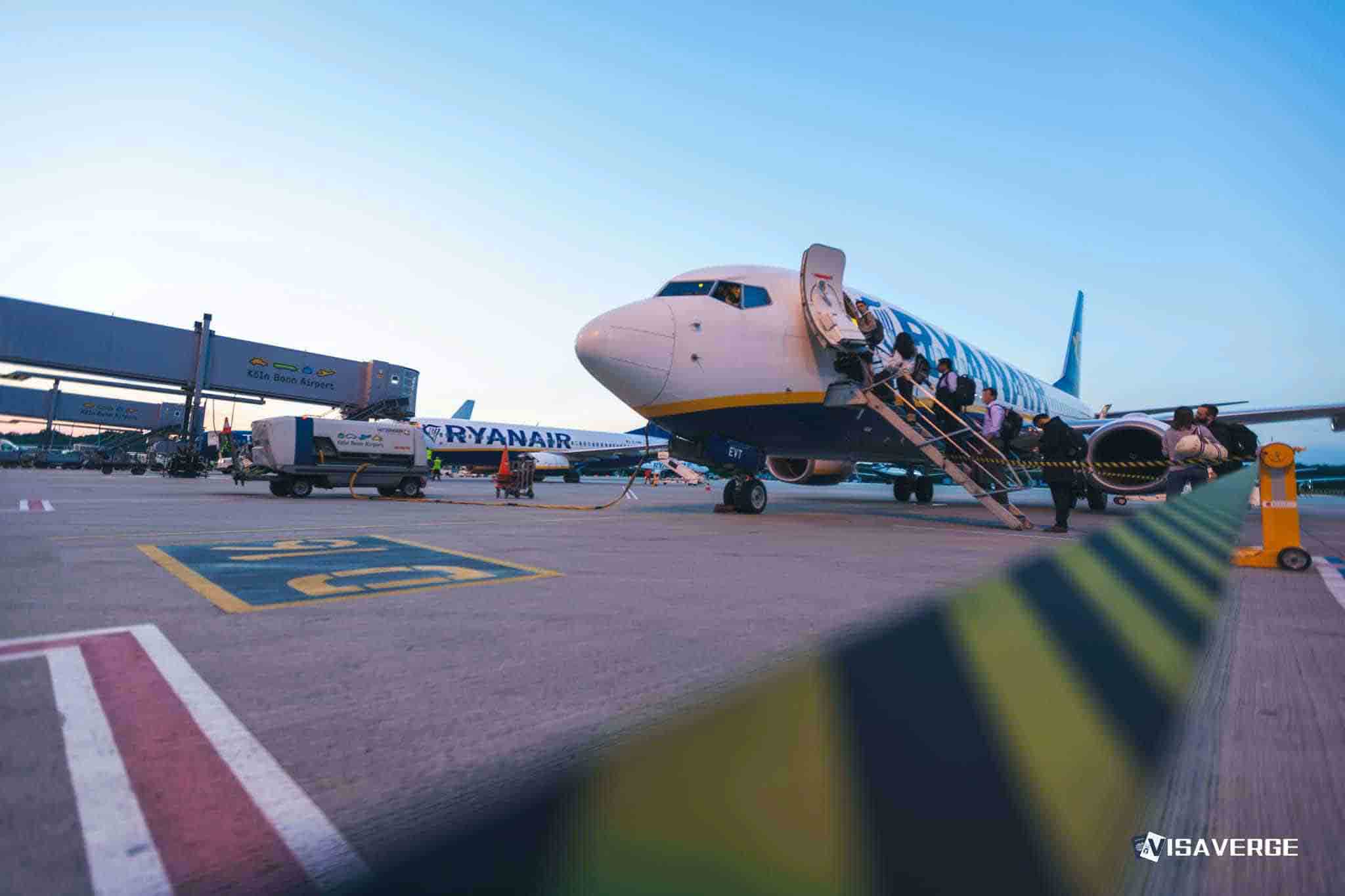
ryanair says it will cut 1.1 million seats in 2026 at Belgian airports and plans a further 1.1 million seat reduction in 2027. In airline terms, seat reductions usually show up as fewer weekly frequencies, the removal of certain seasonal routes, or the downgrading of year-round service into peak-only schedules.
Passengers often feel it first through less choice on departure times. Prices can also firm up when the lowest-fare inventory sells out faster.
Charleroi is the focal point because it is Ryanair’s biggest base in Belgium and a core driver of outbound leisure demand. Brussels Airport is also part of the Belgium picture, since Ryanair counts traffic there in its national totals and can shift emphasis between airports as costs change.
Michael O’Leary framed the policy dispute in blunt terms at a press conference, calling the tax increases “stupid” and “ridiculous.” That language matters beyond the headline. In many cases, public statements like these are also a form of negotiation pressure, aimed at influencing local and national decision-makers by tying policy choices to tangible capacity outcomes.
| Year | Seats Reduced (millions) | Affected Airports | Notes |
|---|---|---|---|
| 2026 | 1.1 million | Charleroi; Belgium market including Brussels Airport | Ryanair links the cut to new per-passenger charges that change route economics. |
| 2027 | 1.1 million | Charleroi; Belgium market including Brussels Airport | Planned additional reduction if higher federal tax levels proceed. |
Section 2: Tax measures driving the decision
Two separate per-passenger measures are at the center of the dispute. One is local, tied to the Charleroi area. The other is national, set by the Belgian federal government.
Both apply on a per-passenger basis, which is a sensitive design choice for low-cost carriers because it rises line-by-line with every additional traveler carried. Here is why per-passenger taxes bite harder for ultra-low fares: if a ticket sells for a low base fare, a flat charge per traveler can represent a large share of the total price paid.
Airlines can sometimes pass the cost through. Yet price is also the product for a carrier like Ryanair. When taxes push the “all-in” fare above what a route can sustain, the airline may reduce frequency, exit weaker city-pairs, or decide not to base as many aircraft locally.
Local versus national layers also shape planning in different ways. A Charleroi-area levy directly affects the competitiveness of Charleroi versus other nearby airports. A federal aviation tax affects the whole Belgium market, including Brussels Airport, and can influence whether Belgium remains attractive compared with other countries for basing aircraft.
Timing is central to how ryanair is staging its response. The Charleroi-related tax begins in 2026, while the national tax increase is tied to 2027. Ryanair’s own forecasts also reflect conditionality: it links 2027 outcomes to whether the federal level reverses course.
This section is followed by an interactive tool that breaks down the tax measures and timing for readers. The tool will provide a visual comparison of the local and national per-passenger measures and their start dates.
Tax policy risk: changes are subject to political decisions and could alter projections; read official updates for confirmation.
Section 3: Passenger traffic: current figures and projections
Ryanair’s passenger base in Belgium is heavily concentrated at Charleroi. In 2025, the airline carried 10.1 million passengers across Belgium, split between 8.9 million at Charleroi and 1.2 million at Brussels Airport.
That imbalance is the key exposure point. When a policy is tied to Charleroi, the effects land where the traffic is.
Ryanair’s projection for 2026 is 10.6 million passengers if the Charleroi tax proceeds. For 2027, it projects 9.6 million passengers if the Belgian federal government does not reverse its planned increase.
Those figures should be read as forecasts built on assumptions. Airlines typically model passenger outcomes based on planned schedules, expected fares, and expected demand response to higher all-in prices. If taxes shift again, capacity and traffic can shift again.
For travelers, the practical risk is straightforward. Less capacity usually means fewer departure options on popular days, tighter seat availability in school-holiday windows, and fewer of the very lowest fares that depend on surplus seats.
Some routes may remain but at reduced frequency. Others may become seasonal, especially where demand is already thin.
What affected travelers should consider now: monitor Ryanair schedules, look for alternative European routes, and stay alert for any further policy announcements.
Section 4: Strategic response: where Ryanair might relocate capacity
Airlines move aircraft to where the unit economics work. A narrowbody jet can be redeployed quickly across borders within Europe, and low-cost carrier networks are built to allow that flexibility.
When a government adds a per-passenger charge, it does not just raise revenue. It can also change where marginal growth goes, because the airline can compare after-tax returns route by route.
Michael O’Leary has already signaled a shortlist of countries that Ryanair views as more favorable for costs, specifically Sweden, Italy, Hungary, Slovakia, and Albania. In plain terms, “lower or no aviation taxes” can mean the airline expects it can sell the same seat for a lower all-in fare, stimulate demand, and still hit margin targets.
- Sweden
- Italy
- Hungary
- Slovakia
- Albania
Incentives and airport charges also matter, but a per-passenger tax is a simple, visible line item that scales with volume. Belgium-linked routes can still survive in that environment, but relocation talk is a warning about where new routes are more likely to appear.
Growth that might have become extra Charleroi frequencies could instead show up as new point-to-point services in those other countries, particularly from airports eager to attract based aircraft.
Section 5: Industry context and implications
Across the EU, aviation taxation is a patchwork. Member states make different choices based on budget needs, climate policy goals, and political priorities around mobility.
Some governments adjust aviation taxes upward to raise funds or influence travel behavior. Others reduce or remove them to attract connectivity and tourism spending. Ryanair is using Belgium as a test case in that broader competition for capacity.
For Belgian airports, sustained seat reductions can affect more than airline revenue. Charleroi’s model depends on high-volume, price-led traffic, so any drag on demand can ripple into retail spending, ground transport demand, and local employment tied to flight schedules.
Brussels Airport sits in a different segment, yet a national tax still changes the cost base for any carrier selling budget seats there. Passengers may see the effects unevenly: peak leisure periods often hold up because demand is strong even at higher prices, while shoulder-season travel can weaken faster.
Route maps can also become less diverse if marginal city-pairs no longer clear profitability thresholds once the passenger tax is included. To track what happens next, watch for schedule changes that usually precede full route exits. Frequency cuts, reduced winter flying, and aircraft base announcements tend to be early signals.
Travelers can also verify fare components during booking on the airline site, including at Ryanair, since per-passenger charges often appear in the total price breakdown.
The most immediate date to watch is 2026, when the Charleroi measure starts and the first 1.1 million seats are scheduled to come out. The next pivot point is 2027, when the planned federal level of €10 per passenger is set to reshape the national cost base and the second 1.1 million seats are at stake.
The information in this article is for informational purposes and may not constitute legal or tax advice.
Tax rules and airline scheduling are subject to change; readers should consult official sources or professionals for personalized guidance.
Ryanair plans to reduce its Belgian seat capacity by 2.2 million over the next two years. The move is a direct response to new per-passenger taxes at Charleroi and at the federal level. The airline warns that these costs threaten the viability of low-cost travel, prompting a potential shift of aircraft to countries like Italy and Sweden where aviation taxes are lower or non-existent.