- Major flight disruptions hit Madrid and Barcelona hubs on February 15, 2026.
- Over 400 flights were affected due to weather and staffing constraints.
- Travelers should prioritize Iberia for connections or Ryanair/Vueling for flexible nonstops.
(SPAIN) — If you’re flying through Madrid or Barcelona today, expect longer delays, tighter connections, and tougher rebooking choices, and pick your airline accordingly before you get stuck in a service-desk line.
On Sunday, Feb. 15, 2026, Spain’s two biggest hubs—Adolfo Suárez Madrid-Barajas (MAD) and Barcelona El Prat (BCN)—were hit by major disruption. The reported scale was 397 delayed flights and 12 cancellations. That mix matters. Delays keep aircraft and crews out of position, which can quietly turn into cancellations later in the day.
For travelers, the practical risk is missed connections. That risk rises fast when minimum connection times get squeezed. It’s also the kind of day when “tight but legal” connections fail in real life. If you’re connecting at MAD or BCN, pad time or reroute now, before the next wave of delays arrives.
Three carriers stood out in the disruption reports: Ryanair, Iberia, and Vueling. They were all affected, but not in the same way. Their business models also drive very different customer outcomes when things go wrong.
Quick recommendation: choose the airline that matches your disruption tolerance
If you must travel today and you can still change plans, here’s the traveler-first call:
- Best for protecting connections and long-haul plans: Iberia. You’ll usually have more reroute options through its hub network at MAD.
- Best for simple, nonstop trips when the price is right: Ryanair. But expect thinner support during irregular operations.
- Best for BCN-focused point-to-point trips: Vueling. It can be convenient, but BCN congestion can punish tight rotations.
The “best” choice depends less on the seat and more on how fast you can get rebooked when the day unravels.
Ryanair vs Iberia vs Vueling: side-by-side during disruptions
| Factor that matters today | Ryanair | Iberia | Vueling |
|---|---|---|---|
| Network style | Point-to-point | Hub-and-spoke via MAD | Point-to-point with heavy BCN focus |
| How delays spread | Aircraft rotations snowball across bases | Hub disruption hits banks of connections | Gate and turnaround congestion amplifies delays |
| Rebooking depth | Limited, often to next available Ryanair seat | Stronger reroute menu, including partners in many cases | Moderate, but BCN constraints can bottleneck options |
| Airport staffing experience | Leaner on-the-ground staffing | Typically more staffed at main hubs | Variable, often strained at BCN peaks |
| Best for | Cheap nonstop trips with flexibility | Connections, long-haul, time-sensitive travel | BCN-centric routes when you can absorb delays |
| Loyalty angle | No traditional miles program | Earn Avios and elite credit | Earn Avios when booked correctly |
| Who should avoid today | Tight connections, must-arrive meetings | Ultra-budget shoppers on short hops | Anyone relying on a very tight BCN connection |
Overview: what happened in Spain, and what to check first
MAD and BCN are not just big Spanish airports. They are connection engines for Europe, North Africa, and beyond. MAD funnels Iberia’s long-haul network, including traffic to Latin America and North America. BCN is a dense short-haul market with heavy low-cost traffic and fast turnarounds.
The disruption drivers were a familiar pile-up:
- Heavy rain and fog, cutting visibility and reducing runway throughput.
- Staffing constraints, slowing check-in, baggage, ramp, and customer service.
- Air traffic control congestion, which can delay you even when your local weather improves.
- A post-pandemic tourism surge, meaning fuller flights and fewer open seats for rebooking.
Here’s what to check right now, before you even think about lining up at the airport:
- Confirm your flight status in the airline app, not just the airport screen.
- Turn on app notifications, plus SMS and email if offered.
- Identify how you booked: direct with the airline or through an online travel agency. That changes who can reissue your ticket fastest.
- If you have a connection, look at alternatives proactively. Don’t wait for the misconnect.
⚠️ Heads Up: If your connection at MAD or BCN is under 90 minutes today, treat it as high-risk. Start shopping Plan B now.
Airline-specific impacts: what’s different by carrier
Ryanair: widespread delays and rotation chaos
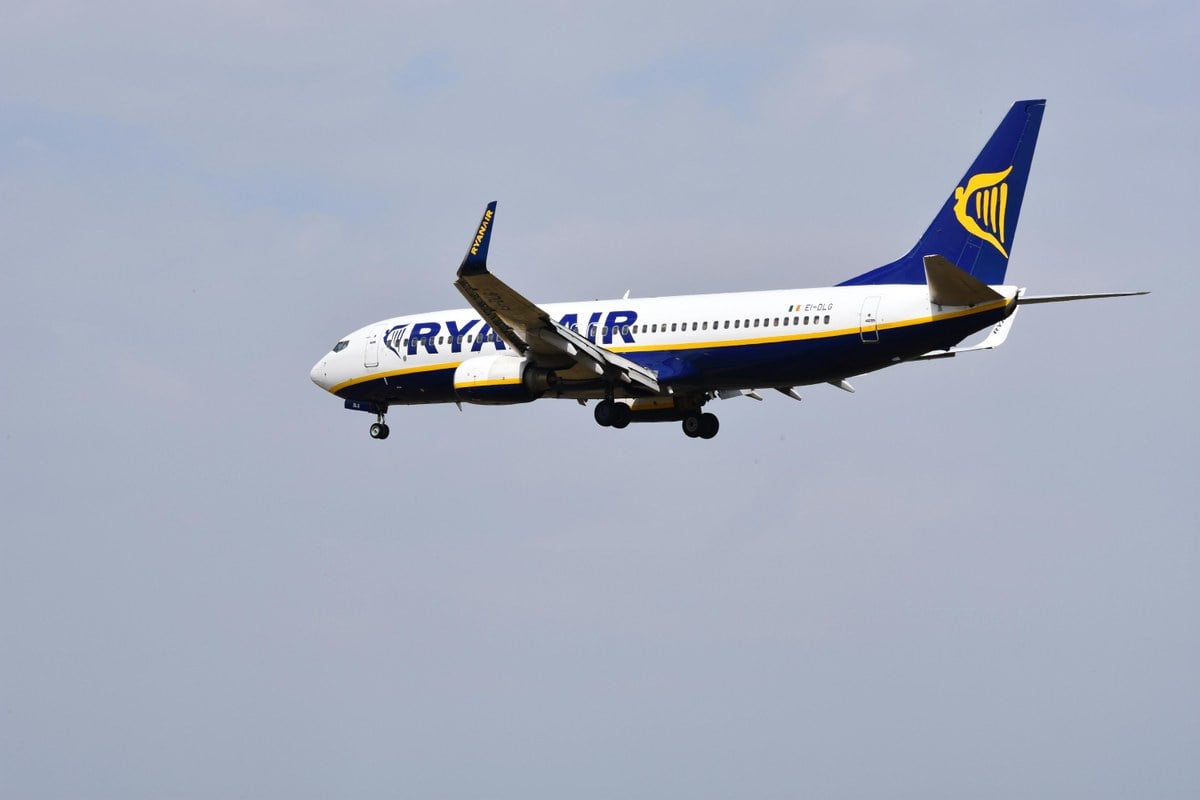
Ryanair saw broad delays, which is where its model can sting. A late inbound aircraft triggers a chain reaction across later flights. Even if your route is clear, your plane may be arriving late from somewhere messy.
One extra wrinkle this weekend: Ryanair’s disruption narrative included an emergency landing on Feb. 14 involving flight FR9448 (Malaga to Cornwall). It diverted to Madrid, extending travel time and keeping passengers onboard awaiting updates. Events like this can strand aircraft and crews away from where the next day’s schedule needs them.
What to do if you’re on Ryanair today:
- Use the app first. Ryanair’s self-service flows often beat the airport desk.
- If your flight is badly delayed, check later departures on the same route. Ask for a move before seats disappear.
- If you booked through an OTA, confirm who controls the ticket. Some changes may need to go through the seller.
Ryanair is often cheapest, but the trade is support depth. On days like today, that trade becomes very real.
Iberia: hub constraints and connection priorities
Iberia faced capacity strain, plus cancellations and delays at both MAD and BCN. The key traveler impact is connections. When MAD gets squeezed, Iberia protects the hub banks that feed long-haul routes. That’s good if you’re connecting. It’s less great if you’re on a marginal domestic hop that can be bumped to protect long-haul loads.
What to do if you’re on Iberia today:
- If you’re connecting long-haul, get into the rebooking queue early in the app. Protect your transatlantic segment first.
- Ask about reroutes via other Iberia-served European hubs if MAD banks are broken.
- If you’re an elite, use priority lines and dedicated phone support. This is where status actually pays.
Vueling: BCN exposure and gate congestion
Vueling took a harder hit at Barcelona El Prat, where congestion and quick turnarounds can turn a small delay into a multi-hour problem. BCN gets packed fast when gate plans fall apart. That leads to late gate assignments and boarding time whiplash.
What to do if you’re on Vueling today:
- Screenshot your boarding pass and keep your booking code handy. Gate moves can be last-minute.
- If you check a bag, allow extra time and keep essentials in your carry-on.
- If you can switch to a nonstop later in the day, do it early.
Competitive context: this is the downside of Europe’s dense short-haul market. Low-cost and hybrid carriers run tight schedules. Network carriers keep more recovery tools, but hubs create their own failure points.
What disruptions feel like as a passenger, and how to respond
Days like today produce the same set of pain points, regardless of logo on the tail:
- Service-desk lines that stretch for hours.
- Call and chat channels that lag behind real-time events.
- Gate changes that happen after you’ve already walked to the previous gate.
- Bags that don’t follow you when you misconnect.
Passengers in Barcelona reported waits exceeding five hours and missed onward flights. One traveler described the stress of missing a connection with no clear updates. That tracks with what I see most often in irregular operations. Information gaps cause more anxiety than the delay itself.
Your priorities should be simple and ordered:
- Preserve onward travel first. Rebook yourself before you argue about compensation.
- Protect overnight needs second. If you’re stuck, secure a bed near the airport quickly.
- Protect your receipts and timestamps. Save everything while it’s fresh.
- Reduce baggage risk. If your connection is fragile, carry on if you can.
Self-service rebooking often appears in waves. Airlines reset options after they cancel a batch of flights or retime a bank. Refresh the app periodically, especially after official notifications.
Why this happened: the operational drivers in plain English
Weather like fog and heavy rain doesn’t just make flying unpleasant. It triggers spacing rules. That reduces runway arrival and departure rates. When capacity drops, flights stack up. Even short hops get held for slots.
Staffing shortages are a separate drag. They hit different parts of the journey at different speeds:
- Check-in and bag drop back up early.
- Security and boarding get slower as queues swell.
- Ramp and baggage take the longest to recover once behind.
ATC congestion can compound everything. You can have improving weather at MAD, and still get delayed due to flow restrictions en route. That’s why you’ll sometimes see “ATC restrictions” even under clearing skies.
Add the 2026 demand picture. Planes are full. Schedules are tight. Spare aircraft are rare. That makes the recovery slower and more painful.
Spain and Europe context: Storm Nils, lingering displacement, and what to do after your trip
This Feb. 15 disruption didn’t come from nowhere. Storm Nils (Feb. 11–13) caused widespread European cancellation and delay numbers, including large BCN impacts. Multi-day events displace aircraft and crews. Those ripples can linger after the weather map looks better.
There’s also a broader trend. European airspace and major airports have been running close to the edge during peak periods. Spain is especially sensitive because of tourism volume and the role of MAD and BCN in connecting flows.
Refunds, reroutes, vouchers, and your rights
When your flight is delayed or canceled in Spain, you’re typically dealing with European passenger protections. The exact outcome depends on cause and thresholds. Weather and ATC can change what you receive. Care and rerouting duties often remain, even when cash compensation does not.
In practice, your decision tree should look like this:
- Reroute if you still need to travel soon and there are viable seats.
- Refund if the trip no longer makes sense or the airline can’t get you there in time.
- Vouchers can be fine if you’ll reuse them soon. Avoid them if dates are uncertain.
Travel insurance can help with hotels and meals, especially when the disruption cause falls outside compensation rules. But insurance usually wants documentation.
Documentation checklist that wins claims:
- Boarding pass and full itinerary receipt.
- Delay or cancellation notifications from the airline.
- Receipts for meals, transport, and hotels.
- Timestamps, including photos of airport boards and gate screens.
Miles and points: how today’s disruption changes the math
If you’re deciding between carriers during a messy travel day, loyalty value is not just about earning. It’s about recovery tools.
- Iberia (Avios): If you credit to Iberia Plus or British Airways Executive Club, your paid tickets can earn Avios and tier credit. More importantly, elites often get priority help. That can mean earlier reroutes.
- Vueling (Avios when eligible): Vueling can earn Avios on certain fares and booking paths. Double-check the fare family and how you booked.
- Ryanair: No traditional miles program. Your upside is usually price, not points.
Redemption angle: If cash fares spike after mass delays, Avios awards can sometimes look better on Iberia or partners. Award seats can also vanish quickly during recovery.
Choose Ryanair vs Iberia vs Vueling: real-world scenarios
Choose Iberia if:
- You’re connecting at MAD to long-haul.
- You must arrive the same day for work or family.
- You have oneworld status or value priority support.
- You want Avios earning and clearer rebooking pathways.
Choose Ryanair if:
- You’re flying nonstop and can tolerate a delay.
- You have no checked bag and can pivot quickly.
- Price is the deciding factor and you can accept thinner disruption support.
Choose Vueling if:
- Your trip is BCN-centered and you want lots of departure-time choices.
- You’re fine shifting to a later flight if the day collapses.
- You value Avios earning and can book an eligible fare.
Schengen and travel requirements: don’t let admin issues pile on
If you’re a non-EU traveler connecting through Spain, remember Spain is in the Schengen Area. That matters if your reroute changes your entry point.
A few practical reminders during rebooking:
- A reroute that forces an extra Schengen entry can trigger passport control you didn’t plan for.
- Keep your passport accessible during gate changes and bus-boardings.
- If you’re on a tight visa or entry clock, save proof of disruption. It can help explain overstays caused by cancellations.
A nuanced verdict for Feb. 15, 2026
On a clean travel day, Ryanair vs Vueling vs Iberia is mostly a price-and-schedule debate. Today, it’s a recovery debate.
If you’re already ticketed and stuck in the disruption, the best move is speed: rebook in-app, lock any workable routing, then sort refunds or claims later. If you’re still choosing a flight this afternoon, pay extra for Iberia when a missed connection would wreck your trip. If it’s a simple nonstop and you can flex, Ryanair or Vueling can still be the right buy.
For travel on Feb. 16–17, book with extra connection time at MAD and BCN, and keep screenshots of every schedule change as it happens.