(MONTEGO BAY) Delta Air Lines passengers heading to and from this Caribbean resort hub are facing fresh uncertainty, as winter storms in the United States and ongoing hurricane damage in Jamaica combine to snarl flights and raise new worries for travelers on tight immigration timelines.
The airline has issued multiple advisories in recent days, but has not confirmed any headline-grabbing figure such as a $200 million loss linked to what some social media users are calling a “shutdown travel chaos” event. As of December 3, 2025, there is no public statement from Delta saying that thousands of flights were canceled in a single system-wide meltdown or that such a crisis will cost the company a specific amount.
What Delta says and the actual causes
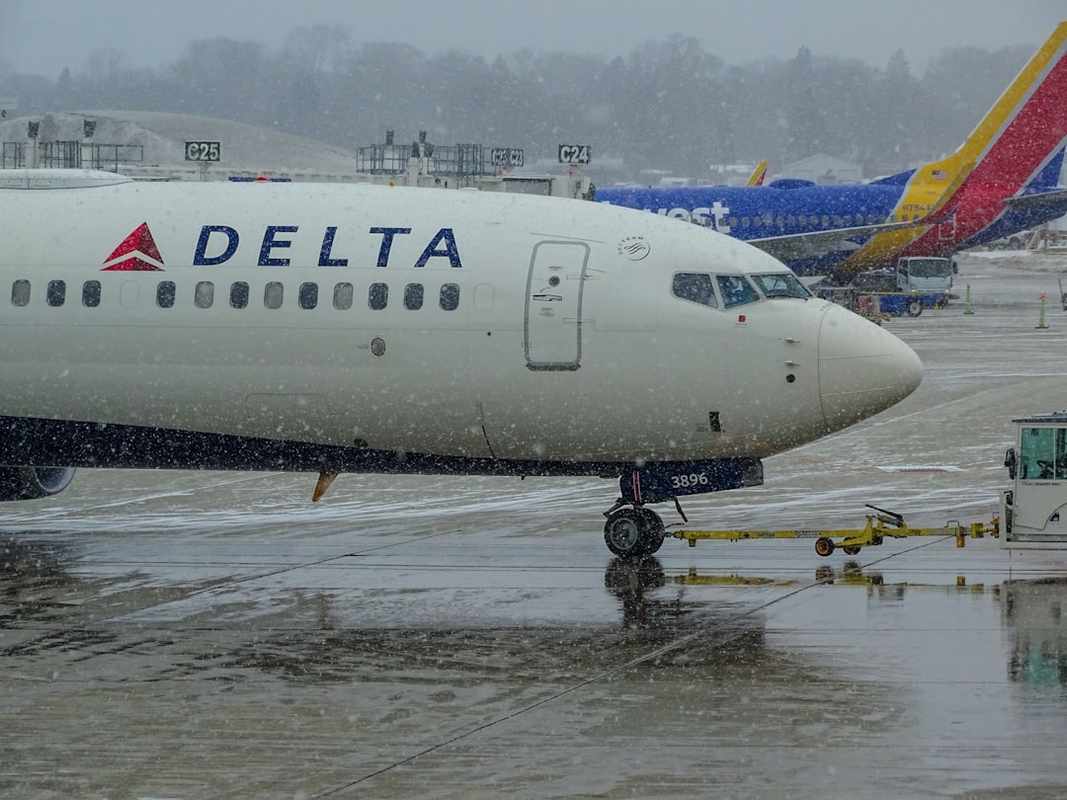
Delta has pointed to two separate problems:
- Severe winter weather affecting Midwestern hubs in late November.
- Infrastructure damage at Montego Bay’s Sangster International Airport caused by Hurricane Melissa.
Both issues have disrupted operations. Aviation analysts emphasize these are operational disruptions, not a global shutdown or a technology failure that instantly grounds an entire network.
Why timing matters for visa holders and short-stay travelers
For travelers connecting Montego Bay with U.S. or Canadian cities, delays are more than an inconvenience:
- Many are tourists on short-stay visitor visas or Caribbean nationals returning home after work or study abroad.
- When storms or damaged runways strand people for days, missed flights can lead to:
- missed visa interviews,
- inadvertent overstays,
- complications at the border.
Delta’s public guidance has focused on standard rebooking options:
- Waived change fees for certain routes and dates affected by the Midwestern storms or Montego Bay infrastructure issues.
- Full refunds in some cases when Delta cancels a flight or makes a large schedule change.
These are common airline measures during bad weather or natural disasters — not special concessions tied to any alleged shutdown travel chaos.
Important limitation for immigration-focused travelers
Crucially, Delta has not promised to cover:
- Hotel stays
- Lost wages
- Alternative transport if people are stuck abroad longer than planned
This leaves visa holders vulnerable. Examples:
- An F-1 student flying home to Montego Bay for a short break could see a one-day delay become a week-long wait.
- A Jamaican professional visiting relatives in Detroit on a B-1/B-2 visa might face the same risk.
If a U.S. entry stamp or I-94 record is close to expiring, extra days raise anxiety about future trips — even if border officers ultimately treat the delay as unavoidable.
Don’t assume hotels, per diem, or extra transport will be covered. Airlines rarely guarantee these, so plan for out-of-pocket costs and potential longer stays if weather or repairs cause delays.
The U.S. Department of State advises visa holders to keep proof of disrupted flights and airline notices when travel emergencies occur, in case they need to explain a short overstay or missed consular appointment later on. Official guidance is available at travel.state.gov.
Legal and consumer-rights perspective
According to VisaVerge.com analysis:
- The current wave of weather-related disruptions does not create new legal rights beyond established consumer and immigration protections.
- U.S. airlines are not required to guarantee foreign travelers will make it to consular interviews or the end of their authorized stays, even when disruptions are beyond passengers’ control.
Scale of uncertainty and timeline
What has changed is the scale of uncertainty for travelers using hubs linked to Montego Bay.
- Delta has warned flights to and from Montego Bay could face disruptions through January 31, 2026, while repair work continues after Hurricane Melissa.
- Combined with rolling winter storms in the American Midwest, some itineraries now depend on two vulnerable points instead of one.
Impact on travelers and advice from agents and lawyers
Travel agents in Jamaica and the U.S. report increased calls from worried families. Common concerns include:
- Whether students returning to college on student visas will face trouble if re-entry is delayed.
- Whether a canceled connection could make border officers question whether visitors have strong ties at home.
Immigration lawyers note:
- Consular officers and border inspectors look at the whole picture.
- Travelers with clear proof — passport stamps, airline records, email alerts — showing that weather or airport repairs caused a delay are unlikely to be barred from future trips solely for that reason.
- However, repeated borderline stays (habitually leaving just before authorized time runs out) combined with one storm-related overstay can raise doubts.
Misinformation and social media confusion
The confusion around the supposed $200 million hit and a “shutdown travel chaos” episode illustrates how rumors spread in the social media age. Often, real operational problems are blended with exaggerated claims about losses, bailouts, or legal fallout.
- There is no evidence from Delta’s public communications, regulatory filings, or major news outlets that the airline faces a single catastrophic bill or is framing recent disruptions as a systemic shutdown.
Practical steps for affected passengers
Passengers currently facing delays are advised to:
- Watch airline alerts closely.
- Keep digital copies of boarding passes and cancellation/rebooking emails.
- Document every change — take screenshots, keep receipts.
- Build extra time in travel plans:
- Avoid same-day connections before visa interviews.
- Leave extra time before the last day of authorized stay.
A clear paper trail can help explain a short overstay or a missed biometrics appointment later to consular officers.
Key takeaway: Patience and careful planning remain essential. For now, follow airline notices, document disruptions thoroughly, and allow extra buffer time in itineraries to reduce immigration risks linked to ongoing weather and infrastructure problems.
Winter storms in the U.S. Midwest and Hurricane Melissa damage at Montego Bay’s Sangster International Airport have disrupted Delta flights. Delta has issued fee waivers and some refunds, but denies any single catastrophic system-wide collapse or confirmed $200 million loss. Visa holders face risks like missed interviews or inadvertent overstays; authorities advise documenting disruptions, keeping airline notices, and building extra buffer time to reduce immigration complications.