- JKIA operations resume following a two-day labor strike in Nairobi ending February 17, 2026.
- Travelers are advised to use single-ticket bookings to ensure protection during the schedule recovery phase.
- Lingering disruptions include crew rotations and cargo backlogs affecting baggage and turnaround times.
(NAIROBI, KENYA) — If you’re flying through Nairobi this week, the smartest move is simple: stick with a single, protected ticket on one airline group (or alliance) rather than mixing separate bookings, because the JKIA strike may be over but the aftershocks can still break tight connections.
The two-day disruption at Jomo Kenyatta International Airport (JKIA) began Monday, February 16, 2026, and ended Tuesday, February 17, 2026. A return-to-work agreement was reached with the Kenya Civil Aviation Authority and Kenya’s transport ministry. That’s the good news. The harder truth is that “operations resuming” rarely means “everything runs perfectly” right away.
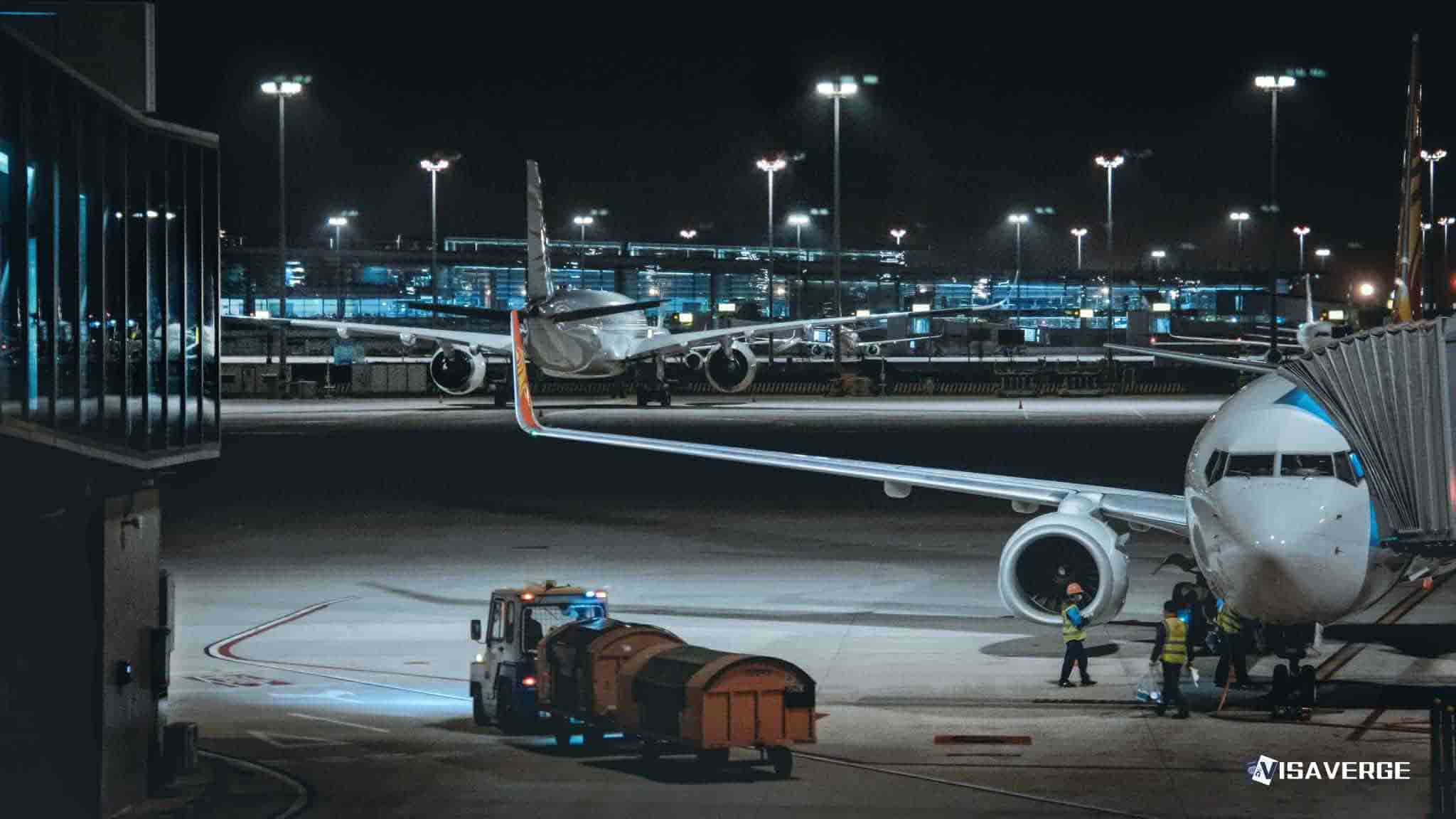
Strike overview and what “back to work” really means
JKIA is East Africa’s key passenger and cargo hub, and it functions like a domino line. When workers walk out, arrivals don’t park, departures don’t push, and aircraft end up in the wrong cities. Even when staff return, schedules can wobble as airlines rebuild their aircraft and crew rotations.
Kenya Airways says it expects to normalize schedules within 24 hours. Operationally, that implies a short window of heavy triage. Airlines prioritize long-haul flights, protected connections, and aircraft that must be positioned for the next day’s bank. That can still leave short-haul and extra sections vulnerable.
How recovery plays out for passengers (and why delays linger)
During the stoppage, reported delays stretched up to six hours, and cargo operations were disrupted too. That matters even if you never ship freight. Cargo backlogs compete for handling equipment, staff, and ramp space, which can slow turnarounds and baggage delivery.
A post-strike recovery usually looks like this: fewer aircraft available at the right time, crews timing out, and last-minute aircraft swaps. You’ll often see more gate changes, more rolling delays, and longer customer-service lines. If you’re connecting in Nairobi, even a “small” delay can wipe out a legal connection time.
In airline advisories during recovery, pay attention to three phrases: travel waivers, reaccommodation, and standby. A waiver can let you move flights without a change fee or fare difference, but only on specific dates and routes. Reaccommodation can protect you onto the next available seat, including on partners, if your ticket allows it. Standby is usually the least predictable option after a disruption, because loads spike.
Who does what: KCAA, the ministry, and the airline you actually deal with
The Kenya Civil Aviation Authority (KCAA) is the regulator and a key player in airport continuity. The transport ministry’s involvement matters because it can unlock broader agreements and keep pressure on stability. Transport Minister Davies Chirchir’s stability messaging isn’t just political. Airlines plan schedules and sell tickets on confidence.
For you, the most important stakeholder is still the airline that issued your ticket. That’s the entity that can rebook, refund, or endorse you to another carrier. If your trip includes a codeshare, focus on the ticketing carrier and the six-digit ticket number in your receipt.
Before you contact any airline, gather the essentials first. Have your booking reference, flight number, dates, and connection city list ready. If you’re on separate tickets, pull up both reservations, because each carrier may blame the other.
⚠️ Heads Up: If you booked separate tickets through Nairobi, assume you are not protected if the first flight arrives late. Build a buffer or rebook onto one ticket.
What workers wanted, and why that still matters after flights resume
The workers’ demands centered on working conditions, pay, and benefits, after authorities failed to implement a prior agreement. That kind of dispute can cool quickly, but it can also flare again. A return-to-work agreement typically signals immediate resumption of duties, continued negotiations, and steps to prevent another sudden stoppage.
For travelers, the short-term watch list is practical. Monitor staffing levels at check-in, security, ramp, and baggage belts. Also watch cargo backlog, because it can quietly delay aircraft turn times. Even if your flight is “on time,” baggage delivery can lag.
The comparison: Kenya Airways vs Gulf hubs vs alternate routings (UAE + NZ)
If you’re flying to the UAE or connecting onward toward New Zealand, your post-strike decision comes down to one question: do you value simplicity and protection more than optional reroutes and product consistency?
Here’s the side-by-side view most travelers need right now.
| Factor that matters this week | Kenya Airways (via JKIA) | Gulf carriers via their hubs (DXB/DOH/AUH) | Other regional connections (e.g., via another African hub) |
|---|---|---|---|
| Best for | Travelers already ticketed on KQ; tight schedules; protected NBO connections | Travelers who want multiple daily long-haul options and larger rebooking pools | Travelers who can reposition and want to avoid JKIA connection risk |
| Disruption risk after a hub strike | Medium for the next 24–72 hours as rotations rebuild | Medium if departing NBO, but strong recovery options once at hub | Lower if you avoid NBO connections entirely |
| Rebooking flexibility | Strongest if KQ issued the ticket and you stay within its network/partners | Strong if you’re on one carrier ticket; mixed if you self-connect | Often weakest if it requires separate tickets or repositioning |
| Cabin comfort consistency | Varies by aircraft and route; fewer “backup” widebodies | Usually consistent long-haul cabins and multiple frequencies | Varies widely by carrier and aircraft |
| Loyalty earning | Kenya Airways flights earn in Flying Blue; status perks depend on fare | Emirates Skywards, Qatar Privilege Club (Avios), Etihad Guest rules vary | Varies by carrier; partner earning can be limited on deep-discount fares |
| Award tickets after disruptions | Can open seats for reaccommodation, but inventory is limited | Big hubs sometimes release more seats, but pricing is dynamic | Mixed; fewer seats means fewer rescue options |
| Best advice | Stay on one itinerary and avoid tight connections | Book as one ticket and pick longer connection times | Only if you can afford time and complexity |
Price: what you should (and shouldn’t) chase after a strike
Right after a disruption, the cheapest fare is often the riskiest choice. Ultra-tight connections, separate tickets, and “last seat” routings can look great on a search screen and fall apart at the airport.
Instead of hunting rock-bottom pricing, look for value in flexibility. A changeable fare, a protected connection, or a waiver-eligible rebook can be worth more than a small cash difference. This matters even more on Nairobi–UAE itineraries, where many travelers book short trips with little margin.
Miles and points: how to protect status progress during irregular operations
For Kenya Airways flyers, the key loyalty angle is Flying Blue. If you’re chasing elite status, reaccommodation can sometimes move you onto a different flight number or partner. Keep your boarding passes and e-ticket receipts so you can request missing credit later.
If you switch to a Gulf carrier for Dubai, Abu Dhabi, or onward to Auckland, check earning before you buy. Deep-discount economy fares can earn fewer miles, or none, when credited to a partner program. If you’re booking last minute, it can be smarter to credit to the airline you’re actually flying, even if it’s not your usual program.
Award tickets deserve special caution this week. Dynamic pricing can spike when demand surges after cancellations. If you must use miles, focus on routings with multiple daily frequencies. That gives you more “next flight” options.
Comfort and reliability: what really reduces stress right now
After a hub disruption, reliability is less about seat pitch and more about schedule depth. Airlines with multiple daily departures can recover faster because they have more “spare” capacity. That’s one reason Gulf hubs are popular for UAE travel and for long-haul itineraries that continue toward Asia-Pacific, including New Zealand.
Kenya Airways can still be the best pick if you’re already in its system and can be rolled to the next flight with minimal fuss. In irregular operations, being the airline’s “own passenger” can matter. Rebooking tends to be faster when your ticket is issued by the operating airline.
Use-case scenarios: which option fits your trip?
- Choose Kenya Airways if you’re already ticketed, you need to depart within the next day, and your itinerary is on one Kenya Airways-issued ticket. This is also best if you’re connecting to regional destinations KQ serves best.
- Choose a Gulf carrier routing if you’re headed to the UAE or beyond and you can book everything on one ticket. You’ll usually get more schedule choice and better recovery options at the hub.
- Choose an alternate regional connection if you can reposition without separate-ticket risk and your priority is avoiding a Nairobi connection during the recovery window.
💡 Pro Tip: For UAE or NZ trips this week, aim for longer connections in Nairobi than you normally would. Give yourself time for gate changes and baggage backlogs.
Practical playbook for travel in the 48–72 hours after the JKIA strike
First, monitor your itinerary like it’s a moving target. Watch for updated departure times, aircraft changes, and gate swaps. If your airline offers app alerts, turn on push notifications now. Also re-check your seat assignment, because reaccommodation can reshuffle cabins.
Second, decide quickly between rebooking and refund paths. If you have a time-sensitive reason to travel—work meetings in Dubai, a cruise connection, or a once-weekly onward flight toward New Zealand—rebooking is usually better than waiting for refunds and re-shopping. If your trip is discretionary and prices are spiking, a refund can be the cleaner call.
Third, document everything. Keep receipts for meals, transport, and hotels if you’re stranded. Save screenshots of delay notifications and any waiver language. Hold onto boarding passes for mileage claims, especially if you’re rebooked onto a different flight number.
Finally, remember that passenger rights can vary by itinerary. EU or UK departures can trigger different compensation rules than Kenya-origin trips. U.S. DOT refund rules are separate again, and they usually hinge on cancellations or major schedule changes. The airline’s contract of carriage still matters, even when the disruption began with an airport labor action.
If you’re booked to fly through Nairobi between February 17 and February 19, lock in a protected rebook now, keep your connections generous, and show up earlier than usual. The strike is over, but the recovery rush is when small delays turn into missed trips.