- Heathrow has ended the 100ml liquid limit across all terminals (T2, T3, T4, T5) starting January 2026.
- New CT scanners allow passengers to keep liquids and electronics inside their carry-on bags during security.
- Travelers must still pack for 100ml rules if connecting through airports that haven’t updated their technology.
(LONDON, UNITED KINGDOM) — Heathrow just ditched the 100ml liquids rule across every departure terminal, which makes connecting and packing far easier if you start your trip in London. If your itinerary includes an onward airport that still enforces 100ml, though, you’ll want to plan like the old rules still apply.
For travelers, this is less about “airport tech bragging rights” and more about choosing the right connection and the right airline itinerary. Heathrow is Europe’s busiest hub for British Airways and a major long-haul gateway for Virgin Atlantic and dozens of partners.
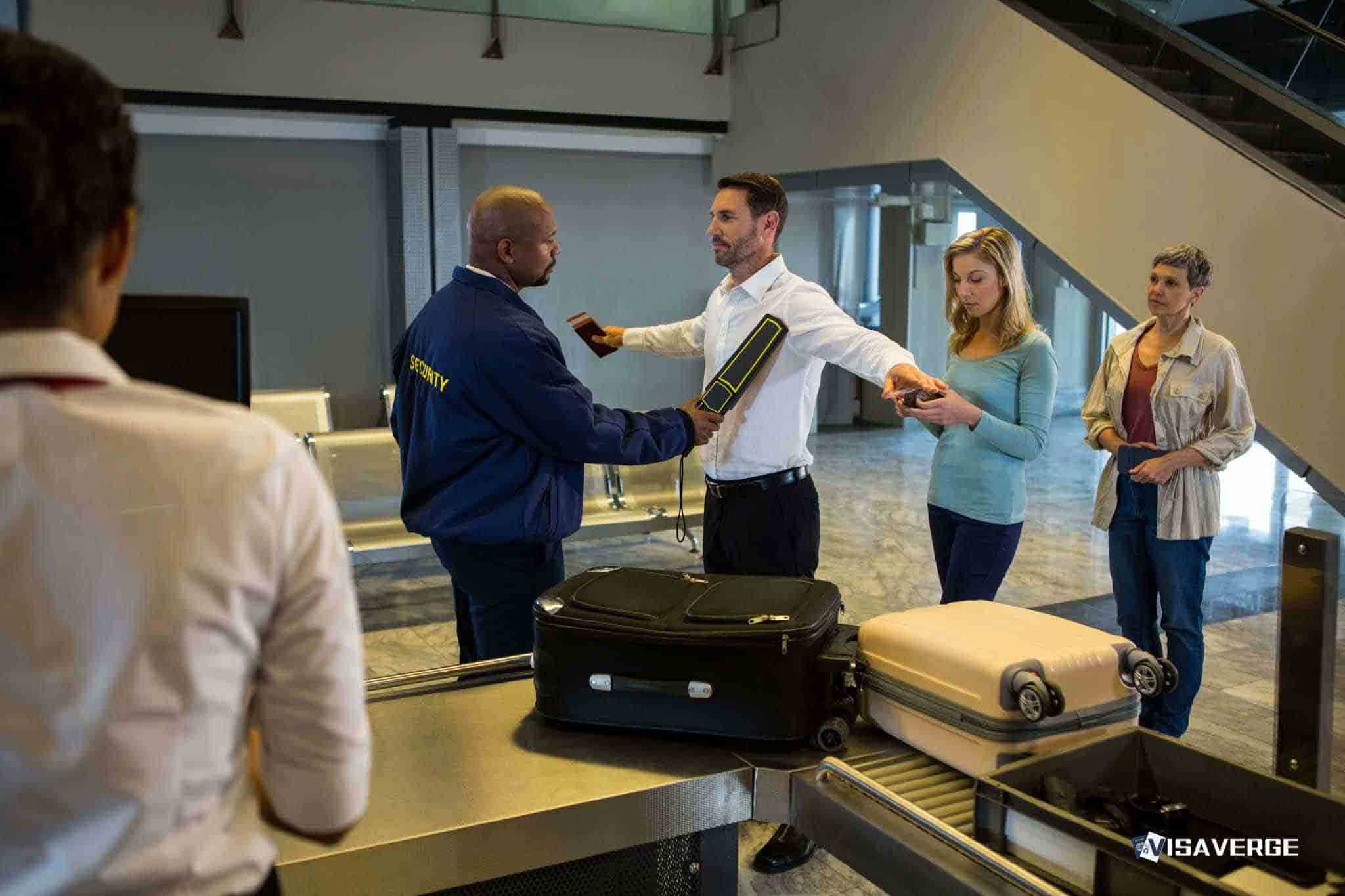
When the security routine changes at an airport this large, it can change which connection you should book. Below is the traveler-first comparison that matters: departing Heathrow under the new rules versus transiting airports that still run traditional liquid limits.
Quick recommendation: pick Heathrow as your starting point, but be careful with connections
If London is your origin, Heathrow is now one of the easiest big-airport departures in the world for carry-on travelers. You can keep liquids and common electronics in your bag, which cuts down on the “bin ballet.”
If Heathrow is only your first stop and you connect onward, the advantage can evaporate fast. Many airports still require 100ml containers, and they may make you unpack liquids and laptops again.
Heathrow vs. “old rules” airports: side-by-side comparison
| Category | Heathrow departures (effective Jan. 23, 2026) | Airports still on traditional screening |
|---|---|---|
| Liquids in carry-on | Liquids in containers up to 2 litres | Typically limited to 100ml containers |
| Liquids at the lane | Liquids can usually stay in your bag | Liquids often must be separated in a clear bag |
| Electronics at the lane | Laptops and tablets can usually stay packed | Laptops and tablets often must be removed |
| Screening tech | Computed tomography (CT) scanners with 3D images | Traditional X-ray lanes are still common |
| Best for | Carry-on travelers, families, long-haul departures, tight morning schedules | Simple domestic trips, travelers checking bags, airports with light queues |
| Connection risk | Higher if you re-clear security at a stricter onward airport | Predictable if you pack for the 100ml rule everywhere |
This is a security-rule change, not an airline policy change. But it can absolutely change which flights are smartest to book.
1) Overview of the policy change (and why it matters for your departure)
As of Friday, Jan. 23, 2026, Heathrow has ended the 100ml liquids rule for departing passengers across all four terminals: T2, T3, T4, and T5.
In practical terms, you’ll notice three things at security: you can bring larger liquid containers in your cabin bag, up to 2 litres per container, and you can usually keep liquids and many electronics inside your bag.
You should still expect staff to direct you lane-by-lane during the transition period. Heathrow is not a small regional airport testing a pilot lane; it’s a global connector for Europe, North America, Asia, Africa, and the Middle East.
2) Upgrade scope and financial impact: why “full coverage” is the big deal
Heathrow’s security overhaul cost £1 billion, and it wasn’t just a few new machines. This type of investment generally covers new lane hardware and scanning units, installation and terminal-by-terminal lane replacement, staff training and new operating procedures, and maintenance readiness plus spare capacity planning.
The traveler benefit is consistency. Heathrow says the new setup is in place across all terminals, which matters because terminal “lottery” is a real pain point. If only one terminal had new lanes, your experience would hinge on your airline assignment.
With airport-wide rollout, a British Airways departure from T5 and a Star Alliance departure from T2 should feel closer in routine. Still, expect a stabilization period with occasional lane variance, extra staff coaching, and extra bag checks when passengers overpack or misunderstand the new limits.
3) New liquids policy and hand luggage handling: how to pack so you don’t get pulled aside
Heathrow’s new policy is simple on paper: you can carry liquids in containers up to 2 litres, and you usually don’t need to remove them at the lane. The same is generally true for common electronics like laptops and tablets.
In real life, how you pack still matters. CT screening sees more, but it also flags clutter. Here’s how to reduce your odds of secondary screening:
- Group liquids together in a single pouch, even if you don’t need a plastic bag.
- Separate spill-risk items, like oils, syrups, and thin caps.
- Keep labels visible on bottles when possible, especially on decanted toiletries.
- Avoid “liquid soup” packing, where gels, creams, and drinks are scattered everywhere.
Also, remember the practical boundaries that still trip people up. Duty-free liquids can be subject to extra scrutiny during connections, especially if seals look disturbed.
Odd containers and dense toiletry kits can still trigger a manual check. Anything that looks like a battery brick plus liquid bundle may get extra attention.
Heathrow has changed the routine, but it hasn’t changed the basic truth of airport security. If the screener can’t interpret the image quickly, your bag is more likely to get pulled.
4) The tech shift: CT scanners and what you’ll see at the lane
Heathrow’s new lanes rely on computed tomography (CT) scanners, similar in concept to medical CT imaging. Instead of a flatter X-ray view, screeners get a 3D image of what’s inside your bag.
That 3D view is the reason the “unpack everything” era is fading at Heathrow. The machine can better separate overlapping items and highlight shapes that deserve a closer look.
What the lane experience can feel like: you’ll still use trays, and you’ll still follow staff instructions. You’ll place your bag on the belt, often without removing liquids or laptops, but you may still be asked to separate items if you’ve packed densely.
Secondary screening can still happen. Common triggers include very dense packing, unusual shapes, stacked metal objects, and thick toiletry bundles. CT doesn’t remove the need to comply — it just changes what “compliance” looks like.
5) Capacity and environmental impact: what improves, and what doesn’t
Modern lanes can improve throughput because they reduce “stop-and-start” moments. Those moments usually come from unpacking, repacking, and lane-by-lane confusion.
No airport can promise a faster experience every hour of every day. Peak periods will still vary based on staffing levels and lane openings, passenger mix, and alarm rates plus bag-check staffing.
One clear passenger-facing shift is waste. Heathrow estimates the change removes the need for about 16 million plastic bags per year. That’s great, but you still might prefer a pouch to stay organized and speed any bag checks.
6) Caveats that matter most: connections, onward rules, and refillable bottles
This is the part that can save your trip. Heathrow’s relaxed process applies to departures at Heathrow and to security lanes equipped for the new routine. It does not rewrite the rules at your connecting airport.
If you connect from Heathrow to another airport and you re-clear security under older rules, you can get caught out. That risk is higher on self-transfers and some multi-airport itineraries.
- Assume your next airport may still enforce the 100ml rule.
- Keep a “compliance mode” option in your bag, like smaller decanted bottles.
- Be conservative with duty-free liquids if you’ll re-clear security.
A very specific gotcha: refillable metal or double-walled containers. These often must be emptied before screening because screeners can’t verify contents visually. You can usually refill airside after security.
⚠️ Heads Up: If you’re booking separate tickets through Heathrow, treat your connection like a fresh departure. Your next airport may still require 100ml containers.
How this compares to other major hubs
Heathrow’s full-terminal rollout puts it ahead of many big hubs where CT lanes exist but aren’t universal. At those airports, your experience can depend on which checkpoint you’re routed to.
In the U.S., many TSA checkpoints still operate with traditional rules, even when newer machines appear in some lanes. In Europe, the picture is mixed: some airports have introduced CT screening in parts of the terminal, while others have paused or limited broader relaxations.
For travelers, the takeaway is simple: Heathrow is now one of the clearest examples of “new rules everywhere,” which makes it easier to pack with confidence when London is your origin.
What this means for your airline choice, miles, and elite status
This isn’t a loyalty-program change, but it affects how you should book. If you’re chasing elite status, smoother departures can make tight day trips more realistic and influence whether you book certain itineraries.
- If you’re chasing elite status, smoother departures can make tight day trips more realistic.
- On redemptions, Heathrow’s simpler routine makes it less painful to travel carry-on in premium cabins.
- Misconnect risk may fall at origin, which can make shorter connections more viable — but see the connection caveats above.
Heathrow’s simpler security routine makes mixed-cabin itineraries less annoying, since you can keep your tech packed. It also makes same-day segments and award travel easier to manage when you want to avoid checked-bag delays.
Choose Heathrow vs. choose a different routing: real-world scenarios
Choose Heathrow (as your origin) if:
- You travel carry-on with toiletries, baby liquids, or larger personal-care bottles.
- You fly with a laptop, tablet, or camera kit and hate unpacking.
- You’re departing in peak hours and want fewer packing steps.
- You’re booking a long-haul premium trip and want a calmer start.
Choose a routing that avoids re-clearing security after Heathrow if:
- You’re carrying larger liquids and your connection likely enforces 100ml.
- You’re doing a self-transfer or separate-ticket itinerary.
- You plan to buy duty-free liquids and connect onward.
Choose “pack for 100ml everywhere” if:
- Your trip includes multiple airports and you can’t predict re-screening.
- You’re doing a multi-city itinerary with mixed carriers and terminals.
- You’d rather sacrifice convenience than risk bin delays.
Final verdict: Heathrow is now a packing-friendly powerhouse, but don’t let it trick you on connections
Heathrow’s move to CT screening across T2, T3, T4, and T5 is a real quality-of-life win. Being able to keep your liquids and electronics packed changes the feel of departure day, and the move away from plastic liquid bags is overdue.
The catch is the same catch as always with airport rules: they don’t travel with you. If your itinerary involves re-clearing security elsewhere, you should assume the 100ml liquids rule still applies after Heathrow.
If London is your origin on Jan. 23, 2026 or later, pack your liquids thoughtfully, keep them grouped, and enjoy the rare feeling of leaving your bag zipped at security. If you’re connecting onward, keep a backup plan that still works under 100ml rules, and avoid buying large duty-free liquids until your final airport.