January 3, 2026
- Updated title and framing to focus on Japan visa requirements for 2026
- Added specific visa-exemption count: 74 countries/regions with up to 90-day stays
- Included Japan eVISA launch date (September 1, 2025) and eligible nationalities list
- Added processing time estimates (commonly 5–14 business days; two weeks+ in peak periods)
- Introduced Digital Nomad Visa details: 2024 launch, six-month stay, ¥10 million income requirement
- Added practical fees and examples: single-entry ¥3,300, multiple-entry ¥6,600, and cost notes
(JAPAN) Japan’s 2026 entry rules are simple in principle: if you qualify for visa exemptions, you can usually arrive for up to 90 days with no visa, and if you don’t, you’ll apply through an embassy, a consulate, or the new eVISA system. The catch is preparation, because document checks and processing queues are longer during peak travel months.

For travelers planning tourism, business meetings, study, paid work, or the Digital Nomad Visa, Japan’s mix of visa-free access and tighter compliance checks affects real timelines, flight bookings, and even family plans. Processing commonly runs 5–14 business days or more, and some posts have warned applicants to expect two weeks or longer during high-volume periods.
Step 1: Confirm whether you enter under visa exemptions or need a visa
Japan grants visa exemptions for short stays to nationals of 74 countries and regions, generally for up to 90 days. This covers tourism, unpaid business activities like meetings or conferences, transit, and visiting relatives, as long as you do no paid work in Japan.
If you’re from a nationality that is not on the exempt list, you need a visa even for a short trip. Examples include India, China, the Philippines, Vietnam, Indonesia, Nepal, and Myanmar. Nationality drives the rule, not your residence address, so a long-term resident of another country still follows their passport’s visa rules.
Even with visa-free entry, border officers still decide admission at arrival and issue landing permission. Plan to carry:
– A passport valid for the entire stay (many travelers aim for six months validity beyond entry)
– Proof of onward or return travel
– Proof of funds for your visit
Many travelers also use the government’s online pre-registration tool for faster airport procedures. It isn’t a visa, but it reduces paperwork and time at the counter.
Important: nationality matters more than residence. Carry consistent, credible documents to avoid being denied landing permission.
Step 2: Match your purpose to the right visa category
Japan separates short-term stays (up to 90 days) from long-term stays and paid work. The biggest mistake is picking a category that conflicts with your real plan — for example, working remotely for pay while entering as a tourist.
Common short-term options include tourist and business visas. Typical fees (from 2024 onward) and processing expectations:
– Single-entry: ¥3,300 (about $20–$22)
– Multiple-entry: ¥6,600 (about $40–$43)
– Standard processing: often five business days, but high demand can stretch waits to two weeks or more
For long-term stays or paid work, Japan typically expects you to obtain a Certificate of Eligibility (COE) first through Japan’s Immigration Services process, then use that to support the visa application at an embassy or consulate. Students also follow this COE pathway through their school.
Practical tip: applicants who prepare evidence packs early face fewer last-minute requests and fewer missed start dates.
Step 3: Use eVISA when eligible — what it does and doesn’t do
Japan launched JAPAN eVISA on September 1, 2025, starting with single-entry tourist visas for select nationalities: Australia, Brazil, Cambodia, Canada, Saudi Arabia, South Africa, Taiwan, the UK, and the United States.
Key points about eVISA:
– It reduces in-person visits but does not remove document requirements.
– It does not convert a tourist purpose into work permission.
– Treat eVISA as a digital submission channel, not a lighter standard — details must be consistent across itinerary, accommodation, and proof of funds.
For the authoritative government overview of visa categories and application pathways, including the eVISA framework, use Japan’s Ministry of Foreign Affairs page on visa information and application procedures. Applicants should also check the specific embassy or consulate instructions for their place of residence, because local submission rules can differ.
Step 4: Prepare documents as a single, organized packet
Japan’s document lists vary by visa type and nationality, but most applications rely on the same foundation. Build a packet you can reuse if the consulate asks for a clearer copy or an extra page.
Core items commonly include:
– Valid passport
– Completed visa application form and photo
– Itinerary and accommodation details
– Financial proof (bank statements, tax records)
– Employment verification or business registration if self-employed
– Invitation or guarantee letter for hosted visits
– Certificate of Eligibility (COE) for long-term study or work categories
Common friction points:
– Financial proof that doesn’t match the trip length or claimed budget
– Remote workers assuming foreign income is always acceptable on a tourist entry — Japan separates “visitor” activity from “work,” even if the employer is overseas
Suggested organization (numbered sequence for submission readiness):
1. Check passport validity and photocopy main ID page
2. Complete and attach application form and photo
3. Add itinerary and accommodation confirmations
4. Place financial documents next, matching dates and amounts to your claimed plan
5. Include employment or business documentation and any invitation letters
6. If required, attach COE or school/employer correspondence
Step 5: If you’re a remote worker, assess the Digital Nomad Visa carefully
Japan introduced the Digital Nomad Visa in 2024. It remains a major option in 2026 for high-earning remote workers who want a defined legal status. It grants a six-month stay for people working remotely for non-Japanese employers or clients, with clear guardrails.
Eligibility highlights:
– Citizenship from 49+ designated countries and regions
– Annual income of at least ¥10 million (about $67,000–$68,328)
– Proof of remote work, such as a contract and tax certificate
– Private health insurance with at least ¥10 million in coverage (including family coverage where relevant)
– A passport with strong remaining validity (commonly planned as six months or more)
Family provisions:
– Spouses and children can accompany the main applicant with marriage and birth certificates.
Costs to budget beyond the visa fee:
– Application fee: ¥3,300
– Typical extra costs: translations ($20–$100) and courier service (~$20)
Note: The status is meant for remote work tied to non-Japanese income. It is not a route to local employment in Japan.
Expected timeline, real-world delays, and what authorities check
A realistic planning timeline:
– Start one to two months before travel for most visa applicants
– Start earlier if you need a COE
– Many consular offices pause operations during major holiday periods; a year-end shutdown can affect early January travel
| Country/Type | Visa Category | Processing Time |
|---|---|---|
| Japan | Typical visa processing | 5–14 business days or more |
| Japan | Standard processing (short-term visas) | often five business days; high demand can stretch to two weeks or more |
| Japan | Planning lead time for most visa applicants | start one to two months before travel |
| Japan | Digital Nomad Visa (stay length) | six-month stay |
| Japan | JAPAN eVISA (launch date) | September 1, 2025 |
Authorities focus on consistency. They check:
– Whether documents support your stated purpose
– Whether your funds match your plan
– Whether your work or study claims fit the visa category
– Signs that an applicant plans to overstay
Health-related screening:
– Pre-entry TB screening applies for long-term applicants from the Philippines, Vietnam, Indonesia, Nepal, Myanmar, and China
Programs and future changes:
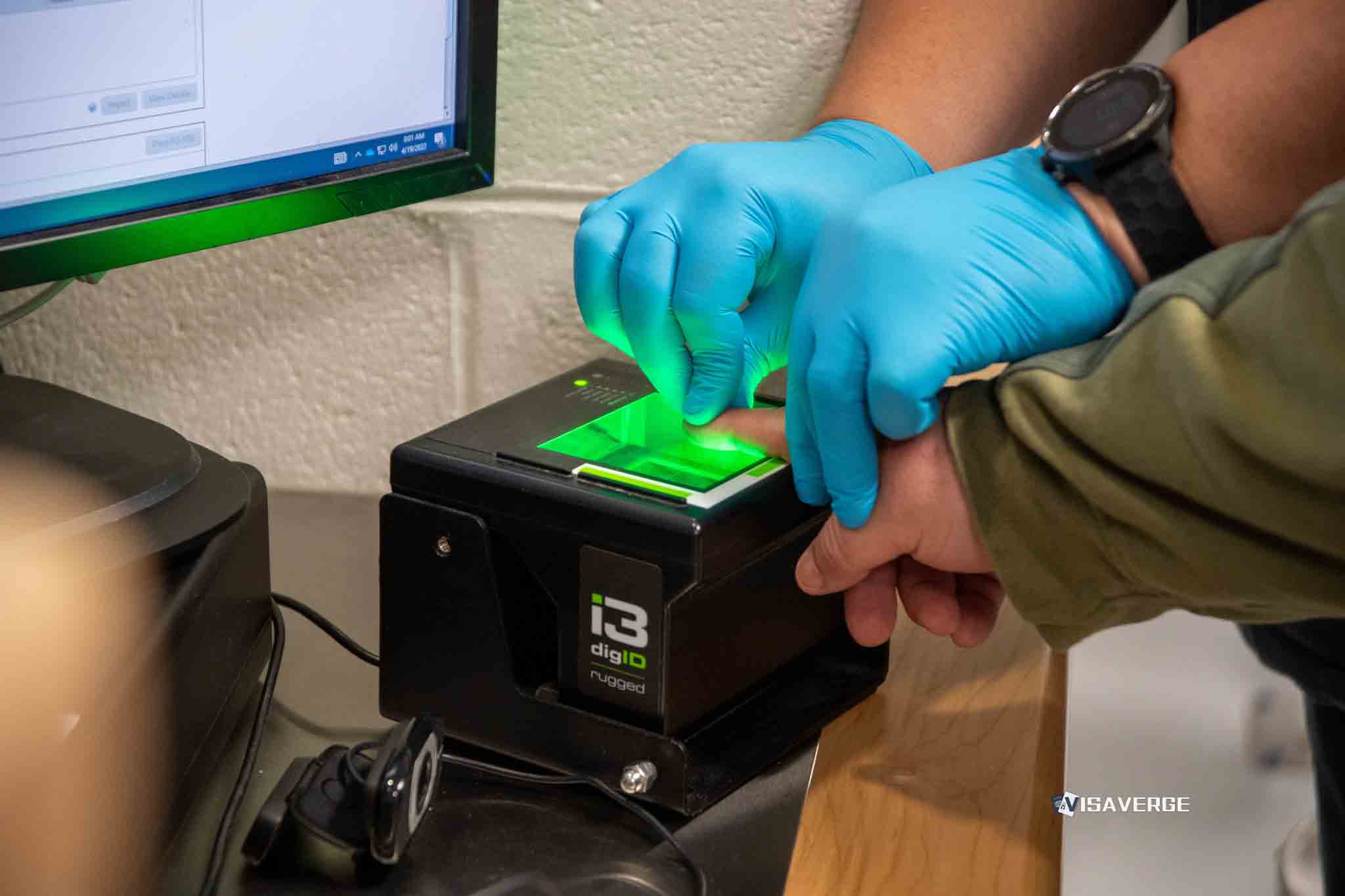
– Frequent visitors who qualify can apply to Japan’s Designated Registered Traveler (DRT) program to reduce airport friction (automated gates after online application and post-arrival biometrics)
– Digital pre-registration and careful paperwork remain the best time-savers for most travelers
– Japan is preparing an online pre-departure screening system for visa-exempt travelers in fiscal year 2028, similar to the U.S. ESTA — it won’t change 2026 trips but signals tighter data collection ahead
Fees and common cost items (quick reference)
| Item | Typical amount |
|---|---|
| Single-entry short-term visa fee | ¥3,300 (~$20–$22) |
| Multiple-entry short-term visa fee | ¥6,600 (~$40–$43) |
| Digital Nomad Visa application fee | ¥3,300 |
| Translation costs (estimate) | $20–$100 |
| Courier service (estimate) | $20 |
| Digital Nomad income threshold | ¥10,000,000 (~$67,000–$68,328) |
| Required private health insurance (Digital Nomad) | ¥10,000,000 coverage |
Key takeaways and warnings
- Start early: aim to prepare documents one to two months before travel, earlier if you need a COE.
- Expect 5–14 business days processing commonly, with two weeks or longer during high-volume periods.
- Treat the eVISA as a full document submission channel — it does not relax requirements.
- The Digital Nomad Visa has high income and insurance thresholds; budget for translation and courier costs, especially for family applications.
- Nationality, not residency, determines visa-exempt status. Carry consistent, credible documentation to avoid denial at the border.
Keep records consistent across passport details, itinerary, accommodation, financial evidence, and employment contracts — clean and consistent travel records now make future visa-free and eVISA travel smoother.
Japan’s 2026 visa framework balances ease of access for 74 exempt countries with strict documentation for others. Essential updates include the eVISA system and the Digital Nomad Visa, which caters to high-income remote workers. Successful entry relies on aligning travel purposes with correct categories, maintaining consistent financial documentation, and applying at least 14 business days in advance to avoid peak-season processing delays.