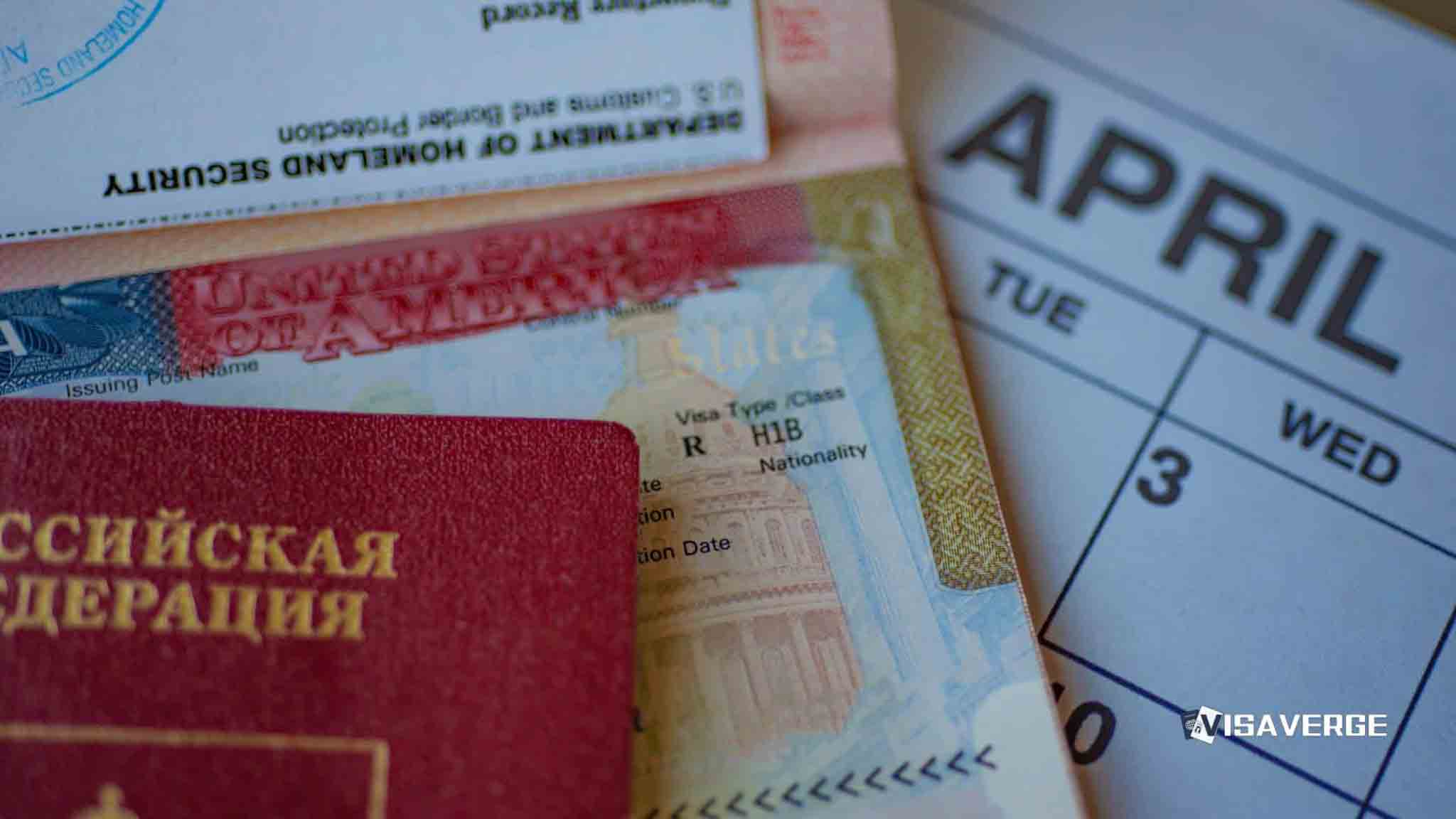
Regional airports across the United States 🇺🇸 are facing a fresh wave of cancellations and thinning schedules after major hub airports began rolling out a mandatory 10% reduction in air traffic, a phased cut that reached full effect on Nov. 14. While the cap targets 40 high-volume hubs, the deepest pain is showing up hundreds of miles away at smaller fields that rely on those hubs for most of their passenger and cargo links. United Airlines confirmed it would cut about 200 flights on Friday, with most reductions hitting regional routes, and similar cuts were planned for Saturday and Sunday, compounding the disruption.
How hub cuts spill over to regional airports
What began as a capacity-control effort at the largest airports has quickly spilled into places that aren’t on the official list but are connected to those hubs in practical ways every day. When hubs like Atlanta, Dallas, and New York trim their schedules to meet the 10% reduction, the first flights to disappear are often the short-haul connections that feed the bigger networks.
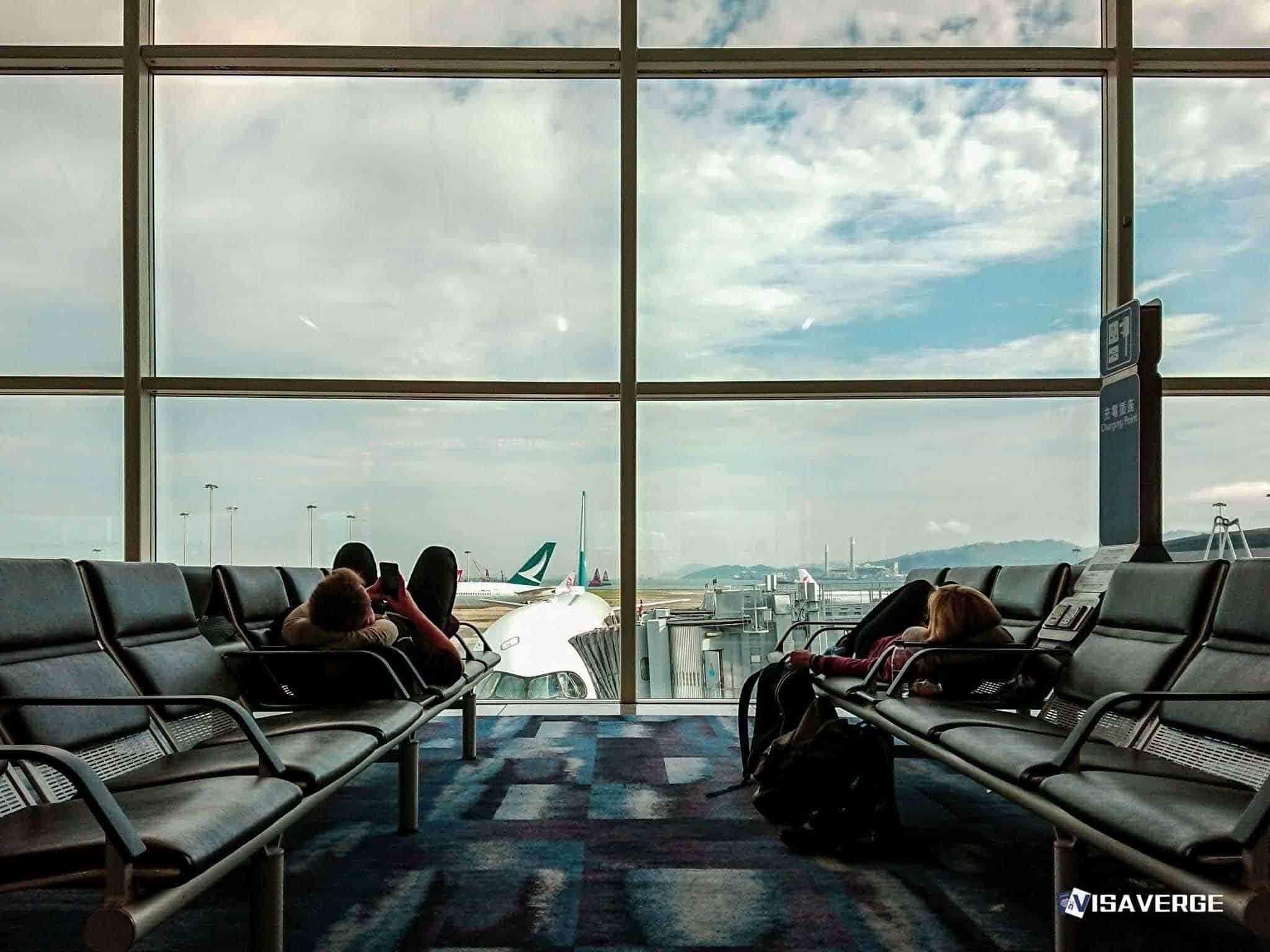
For residents in small and mid-size cities, this means:
– Fewer options and longer trips
– Loss of direct links to the national system in some cases
– Narrower choices leading to inconvenient departure times or long drives to distant hubs
Airlines are reshuffling schedules to stay under the cap and avoid fines, but the network effect is immediate: a missed inbound from a hub can cancel an outbound that relies on the same aircraft and crew, cascading cancelations at airports with only a few daily flights.
FAA rationale, timeline, and penalties
The Federal Aviation Administration framed the cuts as a safety and system-management move amid intense pressure on airspace and staffing.
“Our sole role is to make sure that we keep this airspace as safe as possible. Reduction in capacity at 40 of our locations…is about where the pressure is and how to really deviate the pressure,” FAA Administrator Bryan Bedford said.
The rollout timeline:
1. 4% reduction on Friday
2. 6% by Nov. 11
3. 8% by Nov. 13
4. 10% by Nov. 14
Airlines were warned they face fines of $75,000 per flight that exceeds the cap after the final deadline. FAA guidance and resources are available on the Federal Aviation Administration (FAA) website.
Scale of the impact
Analysts and industry figures highlight how severe the ripple effects are:
– Cirium, an aviation analytics firm, estimates combined cuts could reach up to 1,800 flights and 268,000 seats.
– United cutting ~200 flights a day removes several thousand feeder seats that populate larger planes bound for long-haul and international routes.
– Many carriers shifted regional frequencies to keep mainline schedules closer to intact.
These cuts affect not only leisure travelers but also corporate travel, which remains slower to return in some markets.
Economic consequences for communities
Airports are anchors for local economies. The Regional Airline Association estimates regional facilities support $134 billion in economic activity and about 1 million jobs nationwide.
Key local impacts:
– Canceled meetings and slumping hotel occupancy
– Declines in rental car bookings and ground-transport revenue
– Potential review, delay, or cancellation of planned airport upgrades and contracts
– Job losses in airline operations, catering, maintenance, and ground services
Economic multipliers:
– A typical regional airport often supports around 5,000 jobs (local planning models).
– For every $1 million invested in airport operations, about 11 jobs are created.
– Studies show hotel occupancy can drop by as much as 15% when direct air links are lost; tourist spending may fall up to 30%.
– Some real estate brokers report home values sliding by up to 20% near affected airports.
Patrick Anderson, CEO of Anderson Economic Group, warned: “The reductions on short notice are likely to have an economic effect,” noting the wider risks when schedules shift with little time for adjustment.
Effects on travelers and essential services
Passengers are already seeing the human toll:
– Weekend plans reshuffled, advance bookings reissued with longer layovers or new routings
– Short-notice change notifications, especially on peak days
– Rural families driving 2–3 hours to larger airports, turning manageable trips into exhausting marathons
– Greater difficulty for medical appointments, college visits, and other time-sensitive travel
Connectivity loss can isolate communities that depend on air links for essential services:
– Increased travel time to reach major hospitals or universities
– Business owners seeing staff productivity decline due to added travel time
– Supply-chain disruptions when belly-cargo capacity on passenger flights is lost
Government and industry response
Transportation Secretary Sean Duffy warned of near-term fallout: “I think it’s going to lead to more cancellations,” calling the situation a potential recipe for “mass chaos” if cuts continue.
Airline strategies include:
– Consolidating loads onto fewer flights
– Timing connections more carefully
– Shifting larger aircraft onto remaining services to preserve seat counts
However, priority often goes to longer-haul, higher-yield routes, leaving short regional flights exposed.
Local mitigation efforts and community advocacy
Mayors, county leaders, and airport boards are taking steps:
– Offering temporary fee waivers or marketing support to keep flights listed
– Advocating that carriers protect the most critical links for healthcare and education
– Considering incentive programs to help carriers test or sustain routes
– Coordinating ground transport to improve access to larger hubs during the crunch
Airport directors are collecting data on canceled segments, missed connections, and terminal spending to build the case for service restoration once the cap eases.
Labor and downstream business effects
Airport employees and contractors report immediate impacts:
– Part-time shifts cut, overtime eliminated, new-hire classes on hold
– Catering, cleaning, and ramp-service contractors trimming schedules
– Shuttle and taxi drivers facing fewer fares
– Neighborhood businesses (diners, shops, mom-and-pop hotels) seeing quick drops in foot traffic
For families and small firms, the costs add up: extra hotel nights, meals, ground transport, lost work time, and the difficulty of rebooking alternatives when seats are consolidated and fares rise.
Broader mobility and workforce implications
Analysts note reduced air links can affect cross-border mobility and workforce flows:
– Seasonal and specialized workers may face travel delays
– Students and academics can have difficulty aligning schedules with academic calendars
– International connections can be strained when feeder flights misconnect or force rebookings
VisaVerge.com analysis suggests prolonged schedule cuts at hubs can slow movement of workers and students through the air system.
Signs of adjustment and ways forward
Not all developments are negative:
– Some airlines are using larger aircraft on remaining flights to maintain seat counts and keep fares in check.
– Airports and carriers are collaborating to protect essential routes tied to medical travel and regional business hubs.
– Businesses are adapting: hotels adjusting staffing and promotions, car rental agencies repositioning fleets, and conferences shifting to hybrid formats.
Community suggestions to mitigate harm:
– Maintain at least one early morning and one evening connection where possible
– Prioritize flights essential for healthcare and education access
– Use targeted incentives and joint marketing to sustain critical routes
– Improve ground-transit connections to larger hubs as a temporary measure
Immediate outlook and stakes for the holidays
With the holiday season approaching, pressure on schedules will intensify:
– Less slack to absorb weather or mechanical disruptions
– Airlines urging passengers to arrive early and monitor apps for updates
– Travelers advised to consider travel insurance for time-sensitive trips
– Airport staff asking for patience as they cope with uncertain schedules
The central fact remains: a 10% reduction at the nation’s largest hubs has outsize consequences at the edges of the map. It strips regional airports of connectivity, dents local economies, and upends daily life for people who rely on quick and predictable air links.
Whether this period becomes a brief disruption or a lasting setback depends on how quickly safety pressures ease and how aggressively airlines and communities work to rebuild the fragile web of regional connections. Local leaders say they will push for resilience strategies to keep a minimal schedule in place during future constraints so that entire spokes don’t go dark. Carriers say they are listening, but math and safety limits shape every decision.
For now, ticket counters in small cities will keep opening before dawn, hoping the first inbound from the hub arrives on time and the day’s plan holds.
This Article in a Nutshell
The FAA ordered a phased 10% reduction in air traffic at 40 major hubs, culminating on Nov. 14, to ease airspace and staffing strains. Airlines, including United (cutting about 200 flights), reshuffled schedules to avoid fines, producing cascading cancellations at regional airports that depend on hub feeders. Analysts warn cuts could total up to 1,800 flights and 268,000 seats. Local economies risk job losses, lower hotel occupancy, and reduced ground-transport revenue. Communities, airlines, and officials are seeking temporary incentives and improved ground links to sustain essential connections through the holiday period.