(NEW YORK, UNITED STATES) — Delta’s flight 760 from Boston to Dallas diverted and landed at New York–JFK after a cabin pressurization abnormality, a reminder that even routine domestic trips can turn into a long travel day.
For you, the practical takeaway is simple: diversions can scramble connections and plans, but they also show why airlines treat pressurization alerts as immediate, no‑debate safety events.
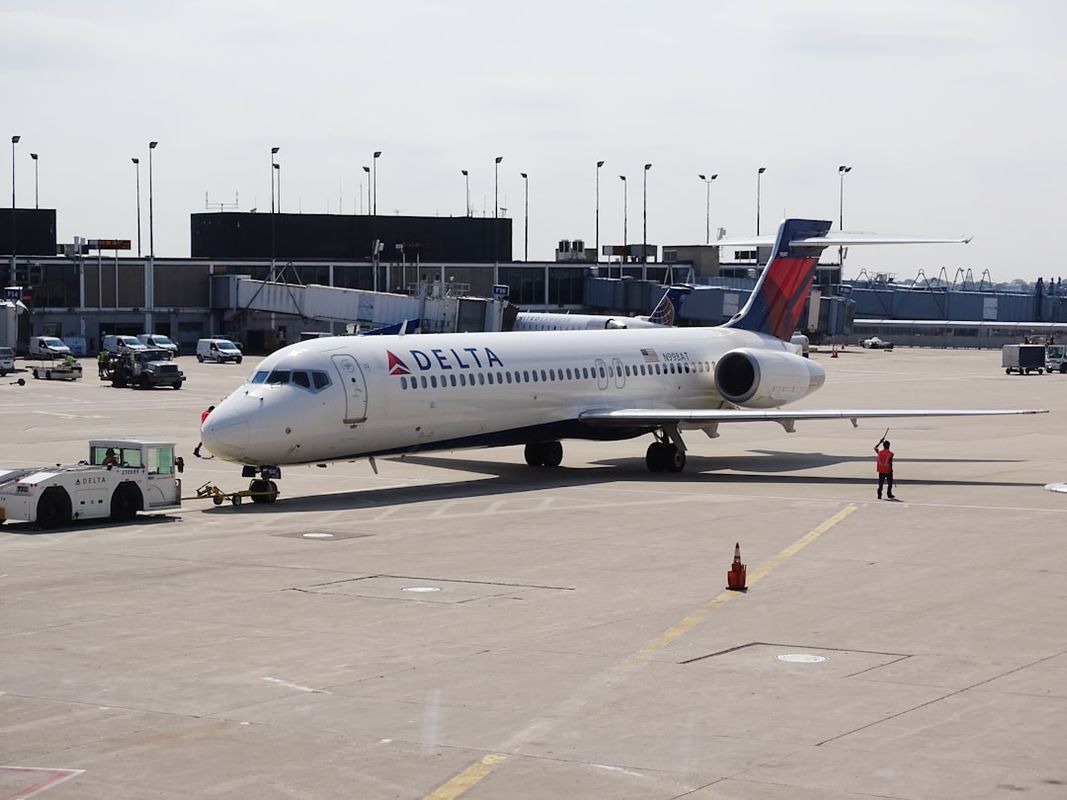
What happened
delta air lines flight 760 (DL 760) was operating from boston logan international airport (BOS) to Dallas–Fort Worth International Airport (DFW) when the crew diverted to JFK after the pressurization issue developed near New York airspace.
the flight landed safely at JFK, and no injuries have been reported among passengers or crew. Diversions tied to cabin pressurization are handled with extra urgency because the cabin environment is a core life-support system at altitude.
Early reporting also outlined the event flow in a clear sequence, which the timeline tool will lay out in full.
In broad terms, the aircraft was cruising, an abnormal cabin pressurization condition was identified, and the crew began emergency procedures and a descent before choosing JFK for landing. That “identify, descend, divert, land” rhythm is typical for this kind of event.
Aircraft and route context
Flight 760 was operated by an Airbus A319, a narrow-body workhorse used across Delta’s domestic network. The BOS–DFW corridor is a classic business-and-leisure route, with year-round demand and plenty of onward connections at both ends.
When a flight like this diverts, the knock-on effects often include missed DFW connections, misaligned crews, and aircraft that need inspection before flying again.
Practical passenger details
It also helps to know how to track what you’re actually booked on. “DL 760” is the flight identifier you’ll see in your reservation and in airline alerts.
That number is what gate agents and call centers use to pull up the flight record quickly. It’s also what you’ll want when you rebook, request meal vouchers, or file an expense report.
What a pressurization abnormality means
A cabin pressurization abnormality can mean several things, and airlines usually avoid specifics until maintenance reviews the aircraft.
In plain English, the pressurization system manages cabin altitude as the jet climbs, keeping the cabin comfortable and safe. If the system can’t maintain targets, the safest response is to get lower, fast, while coordinating with air traffic control.
For passengers, an emergency descent can feel dramatic even when everything is controlled. You may notice ear pressure changes, a shift in engine sound, and a rapid change in altitude.
Cabin crew typically pause service and focus on safety checks and instructions. Importantly, there have been no confirmed public reports here of oxygen mask deployment, and the absence of such reports is not confirmation either way.
Reported details and timeline
The tools accompanying this story show three details worth keeping in mind. First, the flight’s cruise altitude is shown as 36,000 feet, which is a standard high-altitude profile for a domestic A319.
Second, the tool lists the ordered sequence of events in detail, which aligns with standard pressurization response steps.
Third, the incident was reported on January 11, 2026, with coverage citing Aviation A2Z and Travel And Tour World.
Why JFK was chosen
JFK was a practical diversion choice because it’s a major hub with deep resources. Large airports can marshal emergency services quickly, and they have more options for gates, maintenance staffing, and parts.
They also have more capacity to handle disrupted passengers, even if rebooking lines can still get long.
Operational aftermath
After a diversion like this, passengers should expect a few operational realities. The aircraft may need to be taken out of service for inspection and testing before it flies again.
Crews can time out under federal duty limits, which can force cancellations even if the airplane is fine. And re-accommodation can mean anything from a later nonstop to DFW, to a same-day connection via another Delta hub.
So far, detailed technical specifics have not been released publicly by Delta. That’s common after safety-related diversions, especially early on.
Airlines typically confirm the diversion, the safe landing, and whether anyone was injured. Maintenance findings, if shared at all, often come later, and sometimes never in public detail.
Reporting and verification
Timing matters because early reports can change as airlines reconcile logs, maintenance notes, and air traffic communications. The best practice for travelers is to prioritize official flight notifications, app updates, and airport agent instructions over viral cockpit-audio clips or social posts.
As more operational data is finalized, you may see follow-up reporting that clarifies the maintenance outcome and whether the aircraft returned to service quickly.
SkyMiles and loyalty considerations
For SkyMiles members booked on disrupted itineraries, the loyalty angle is mostly about documentation and rebooking flexibility. If your flight diverts or cancels and Delta rebooks you, you generally still earn miles on the flown segments under your ticketed fare rules.
If you’re chasing Medallion Status, keep an eye on MQD credit posting if your routing changes or you accept a refund. Save your receipts, and screenshot rebooking offers in the Delta app before you pick one.
| What this can mean after a diversion | Delta (typical) | Other major U.S. airlines (typical) |
|---|---|---|
| Rebooking options | Same airline, same day when possible | Similar, often via hubs with available seats |
| Hotel/meals | Case-by-case, often tied to controllable causes | Similar policies, with lots of gray areas |
| Miles/status credit | Usually based on flown segments and final ticket | Generally similar across major carriers |
| Communications | App/SMS updates plus gate announcements | Similar, with variability by airport staffing |
⚠️ Heads Up: If you’re rerouted, confirm your new flight numbers and departure airport. New York has multiple airports, and misreads happen fast during disruptions.
💡 Pro Tip: If you have a tight connection at DFW, rebook proactively in the app as soon as a diversion posts. The best seats vanish first.
Incident Specifics
The timeline and interactive tools accompanying this story will provide a detailed, chronological view of the event, including the cruise altitude, the moment the pressurization abnormality was identified, the descent, and the diversion to JFK.
Rather than reproducing complex visual data here, this section leads into the interactive timeline and mapping tools that show the ordered sequence and the flight’s altitude profile in real time.
Final notes for travelers
If you were on Flight 760 or have upcoming travel during winter disruption season, set up Delta app notifications now and keep a backup routing in mind.
On a route like BOS–DFW, a single diversion can turn into an overnight, so aim for earlier departures when you can.
Delta Flight 760 from Boston to Dallas diverted to New York-JFK after a cabin pressurization issue occurred at 36,000 feet. The Airbus A319 landed safely with no injuries. The event caused logistical challenges, including missed connections at DFW. Experts emphasize that pressurization alerts are treated as high-priority safety events requiring immediate descent and landing to ensure the well-being of all on board.