- Bering Air’s Cessna 208B provides essential connectivity in Western Alaska despite rugged conditions.
- The Flight 445 investigation explores weight and icing factors following the 2025 crash.
- Passengers should expect minimal onboard amenities and prioritize flexibility due to unpredictable weather.
Bering Air’s Cessna 208B Grand Caravan EX is still one of the most practical ways to get around Western Alaska quickly. But after the Feb. 6, 2025 crash of Bering Air Flight 445, it’s also a reminder that bush flying is different. You’re trading lounge-grade comfort for essential connectivity in tough weather. If you book these flights with clear expectations—and you’re willing to be flexible when conditions deteriorate—it can be absolutely worth it.
What you’re really booking with Bering Air in Alaska
In much of Alaska, small aircraft aren’t a “regional jet alternative.” They’re the transportation system. Communities are separated by water, mountains, and long stretches with no roads. Flights like Unalakleet (UNK) to Nome (OME) can turn an all-day logistical puzzle into a short hop.
Here’s the basic framing for this review. It’s a look at the onboard experience on the Cessna 208B Grand Caravan EX, plus what the ongoing Flight 445 investigation has taught travelers about weather, weight, and operational decision-making in the region.
| Item | What to know |
|---|---|
| Airline | Bering Air |
| Aircraft | Cessna 208B Grand Caravan EX |
| Where you’ll see it | Short hops across Western Alaska, including Norton Sound communities |
| Typical vibe | “Commuter bus in the sky,” with serious weather rules and real-world delays |
Cabin and seat comfort: small plane, big tradeoffs
The Grand Caravan EX is a single-engine turboprop built for short runways and rugged schedules. Onboard, the experience is simple and functional.
Seating layout and personal space
Most Caravan passenger cabins use a single-aisle, small-seat layout, often in a 1–2 configuration. That usually means:
- No middle seat experience.
- Quick boarding and deplaning.
- A more intimate cabin, where every sound carries.
Seat comfort is closer to a commuter shuttle than an Airbus or Boeing cabin. Cushioning is modest. Recline is limited or absent on many commuter setups.
Seat pitch and width: On aircraft this small, seat measurements vary by operator and configuration, and they often aren’t published the way they are for mainline airlines. Expect “tight-but-manageable,” especially in winter clothing. If you’re tall or broad-shouldered, you’ll feel the cabin’s narrowness quickly.
Noise, vibration, and temperature
This is a loud ride compared with jets. Engine and prop noise are constant, and vibration is normal. Bring earplugs or noise-canceling headphones.
In winter, you’ll also notice temperature swings. The door opens directly to the outside, and loading can be fast. Dress like you might stand on the ramp in wind.
Bags: think “small and soft”
Overhead bins are not the point of this aircraft. Space is limited, and baggage handling is more hands-on.
- A small personal item that fits at your feet.
- Soft-sided bags that are easier to load.
- Being asked to gate-check items more often than you would on a jet.
💡 Pro Tip: Pack medications, chargers, and a warm layer in a small pouch you can keep with you. Gate-checked bags and quick turnarounds are normal here.
Food and service: friendly, minimal, and very Alaska
On short segments like UNK–OME, you should not expect a “service flow.” There’s usually no beverage cart, no buy-on-board menu, and no snacks in the way you’d think of them on a major airline.
What you do get is typically the best part of the experience: human-scale service. On small-community routes, crews often recognize regulars, help newcomers, and keep the cabin calm when weather forces changes.
Just recalibrate what “good service” means on a Caravan. It’s clear communication, safe decisions, and getting everyone where they need to go—when conditions allow.
Entertainment and connectivity: bring your own, and plan for dead zones
There are no seatback screens. There is no streaming portal. Wi-Fi is generally not part of the Caravan experience.
Power outlets and charging
On most small commuter aircraft, in-seat power is not a given, and often isn’t available. Treat your phone like it needs to last all day.
What to do instead
- Download maps, music, podcasts, and movies before you leave Anchorage or Nome.
- Screenshot hotel details and pickup instructions.
- Keep a printed or offline copy of your itinerary.
If you’re a remote worker, these flights can be the “gap” in your day. Plan your calls and uploads around them, not during them.
Amenities and accessibility: function first
Expect basic amenities. The cabin is compact, and that affects everything.
- Lavatory: Many Caravan configurations do not have a standard onboard lavatory, especially on short routes. Plan accordingly.
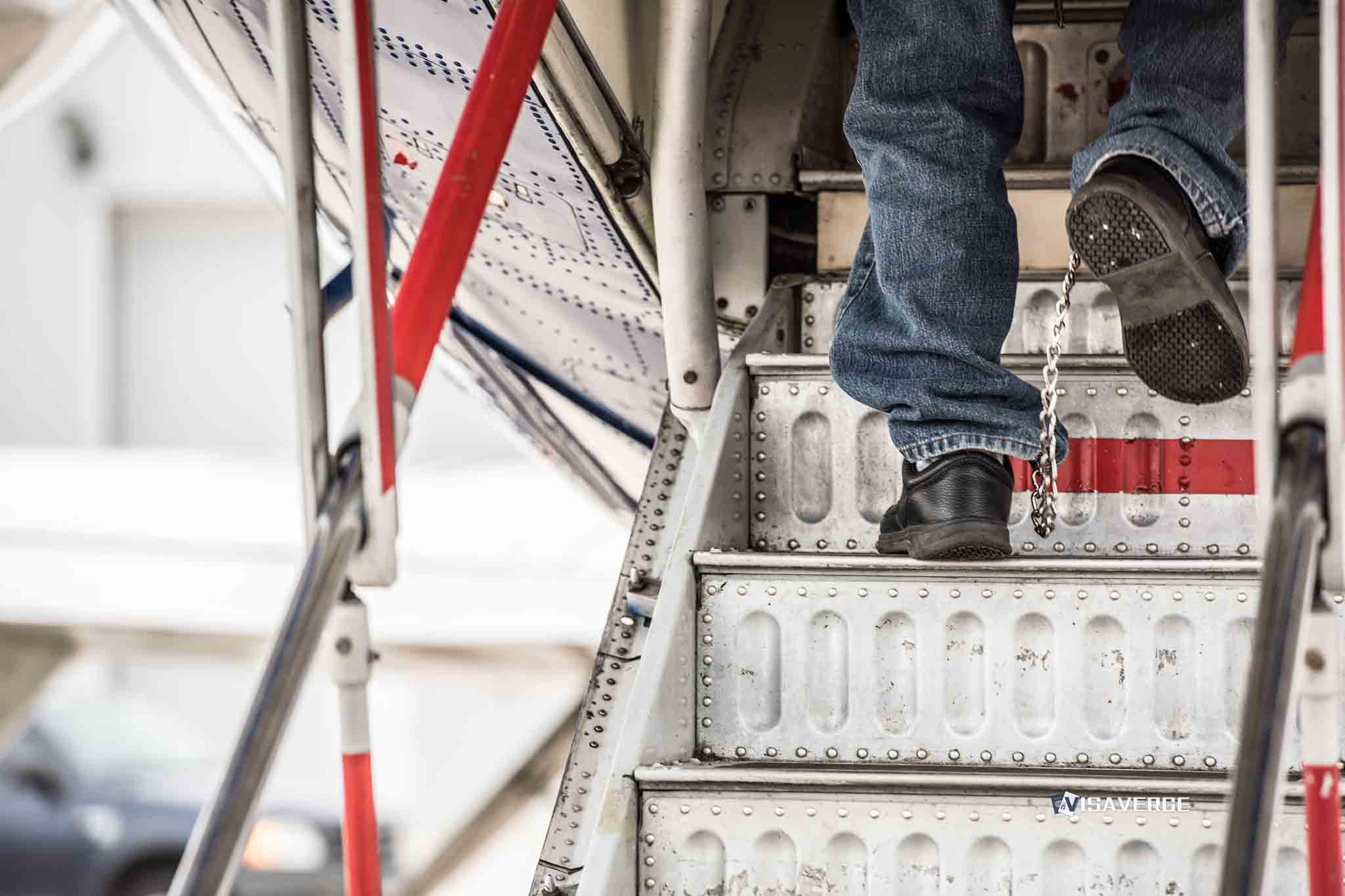
- Boarding: Often ramp boarding, sometimes in snow and wind. Footwear matters.
- Motion sensitivity: If you’re prone to motion sickness, a small aircraft in winter weather can be challenging.
This is not meant to scare you. It’s meant to set expectations. In Alaska, comfort is partly about preparation.
Flight 445: what happened, and why travelers paid attention
1) Incident overview and timeline
Bering Air Flight 445 drew national attention because it combined several realities of Alaska flying in one event. It involved a small commuter aircraft, winter conditions, and a remote crash site that complicated response.
The flight was operated by Bering Air using a Cessna 208B Grand Caravan EX with tail number N321BA. It was flying from Unalakleet Airport to Nome Airport.
There were 10 people onboard, including one pilot and nine passengers. The aircraft crashed about 34 miles southeast of Nome on a moving ice floe in Norton Sound. No distress signal was received. All onboard died.
The publicly discussed timeline includes the departure, a rapid loss of altitude and speed, and recovery efforts over the following days. The detailed dated entries are best read as a sequence of confirmed milestones, not a narrative of cause.
What’s known is the route, the aircraft, the general location, and the outcomes. What remains under investigation is the chain of decisions and conditions that led to the crash.
2) Aircraft details and weight/icing factors
The Cessna 208B Caravan is a workhorse in Alaska. It’s built to move people and cargo into communities with short runways and limited infrastructure.
Two terms matter here, and they’re useful for any traveler flying small aircraft in Alaska.
What “overweight” means operationally
“Overweight” is not a vibe. It’s a defined condition where the aircraft’s takeoff weight exceeds approved limits.
When an aircraft is overweight, performance margins shrink. That can affect:
- Climb performance, especially after takeoff.
- Stall speed, which can increase with weight.
- Options in deteriorating weather, because you have less margin to maneuver.
The NTSB preliminary report states the aircraft was almost 1,000 pounds overweight when it entered icing conditions. That statement is an early factual datapoint, not a final conclusion about causation.
What “known icing conditions” implies
“Known icing conditions” means weather that can produce ice on the aircraft. Ice changes how wings and control surfaces behave.
Even small amounts can:
- Reduce lift.
- Increase drag.
- Make controls feel less responsive.
On a small turboprop, that combination can compress the time a pilot has to respond if conditions worsen.
How preliminary findings should be read
An NTSB preliminary report is an early snapshot. It focuses on factual information available soon after the event. It is not the final analysis.
The full report is expected in early summer 2026. Final reports often add deeper performance work, systems review, operational context, and human-factors analysis.
3) Crash location and environmental conditions
Norton Sound is beautiful and unforgiving. For travelers, it’s also a lesson in why Alaska operations don’t behave like the Lower 48.
Remote-region constraints
Remote areas have:
- Sparse weather sensors.
- Patchy radar and communications coverage.
- Fewer suitable alternates when weather drops.
Those gaps complicate both flight planning and post-crash response. Search and recovery can be slowed by wind, visibility, and sea ice conditions.
Why a moving ice floe changes everything
A crash on a moving ice floe creates practical problems:
- Recovery equipment must move with the floe.
- Reference points shift, which complicates documentation.
- Evidence preservation becomes harder because the “scene” is literally moving.
That doesn’t prove why the accident happened. It explains why response and investigation logistics are more complex than a land-based site.
4) Investigation status and leadership
The NTSB investigates accidents. The FAA regulates aviation and supports oversight. They work together, but their jobs are different.
A preliminary report usually includes:
- Basic flight and aircraft information.
- Known weather context.
- Early factual findings.
- A roadmap of what’s still being examined.
It generally excludes:
- A probable cause.
- A full performance and human-factors analysis.
- Final safety recommendations.
The investigation has involved NTSB leadership including Clint Johnson, the NTSB Alaska Region Chief, and Jennifer Homendy, the NTSB Chair, in public-facing updates.
Expect additional work in areas like records review, performance calculations, maintenance and operational procedures, and weather reconstruction before the final report arrives in early summer 2026.
5) Legal actions and victims
Several wrongful death lawsuits have been filed in Nome Superior Court. These claims typically seek accountability and damages for families.
Publicly reported filings include families connected to:
- JaDee Moncur
- Talaluk Katchatag
- Donnell Erickson and Kameron Hartvigson
The victims’ roles mattered in their communities. Reporting has noted educators and health services workers among those lost, including people tied to essential services.
Civil litigation and NTSB investigations run on different tracks. Lawsuits move through discovery and court timelines. The NTSB process focuses on safety findings and recommendations, not fault in a legal sense.
6) Alaska regional aviation safety context
If you fly in rural Alaska, you’re participating in a system that has to work around geography and weather.
Why this flying is essential
Roadless regions rely on aircraft the way other places rely on highways. That means:
- More frequent short flights.
- Tighter scheduling pressure during good-weather windows.
- Real consequences when flights can’t go.
Weather and infrastructure shape go/no-go decisions
Two concepts matter here.
VFR vs. IFR:
- VFR (Visual Flight Rules) means flying primarily by outside visual reference, within defined weather minimums.
- IFR (Instrument Flight Rules) means flying using instruments and air traffic procedures, often with instrument approaches.
In remote Alaska, VFR can be practical on clear days. It can also be limiting when fog or low ceilings roll in. IFR capability helps, but it depends on equipment, crew qualifications, and whether an airport has instrument procedures.
Part 135 is the regulatory framework that covers many commuter and air taxi operations. It includes specific training, maintenance, and operational requirements. It’s not the same as Part 121 airline operations used by major carriers.
Safety programs like the FAA’s Don Young Alaska Aviation Safety Initiative (DYAASI) exist because the operating environment is distinct.
What passengers can reasonably verify
You can’t audit a flight from seat 3A. But you can ask smart, respectful questions.
- Is the flight planned VFR or IFR today?
- What happens if weather drops below minimums?
- Is there an alternate plan, or will the flight return or divert?
⚠️ Heads Up: In Alaska, “delayed” often means “waiting for a safe window.” Build buffer time for connections, lodging, and essential appointments.
7) What’s confirmed now, and what to watch next
As of Saturday, Feb. 14, 2026, there is no final cause determination for Flight 445. That matters because early facts can be important without telling the full story.
The final NTSB report, expected in early summer 2026, should include a probable cause finding, contributing factors, and safety recommendations. Those recommendations can influence training, dispatch procedures, weather planning, and equipment decisions across regional operators.
If you’re booking Bering Air or any similar Alaska commuter flight this winter, plan like a local: travel with buffers, pack for ramp conditions, keep essentials in a small personal item, and treat weather-related delays as part of the ticket.
Who should book this?
Book Bering Air on the Grand Caravan EX if:
- You need the most direct link between Western Alaska communities.
- You value getting there over onboard perks.
- You can stay flexible when weather forces delays or cancellations.
Consider alternatives, when available, if:
- You need guaranteed connectivity, power, or work-friendly uptime.
- You have a tight same-day connection to a long-haul flight.
- You’re uncomfortable with small-aircraft noise, motion, or winter ramp boarding.
If you’re traveling in spring or early summer 2026, keep an eye on the final NTSB report timing. It’s the next major milestone that could shape policy and procedures for Alaska’s commuter flying.