- A passenger was involuntarily downgraded from first class to accommodate deadheading pilots on an 8-hour flight.
- Airline contracts often prioritize premium seating for crew on long-haul positioning flights to maintain operational legality.
- Affected travelers should request a fare-difference refund and document their original booking for proper compensation.
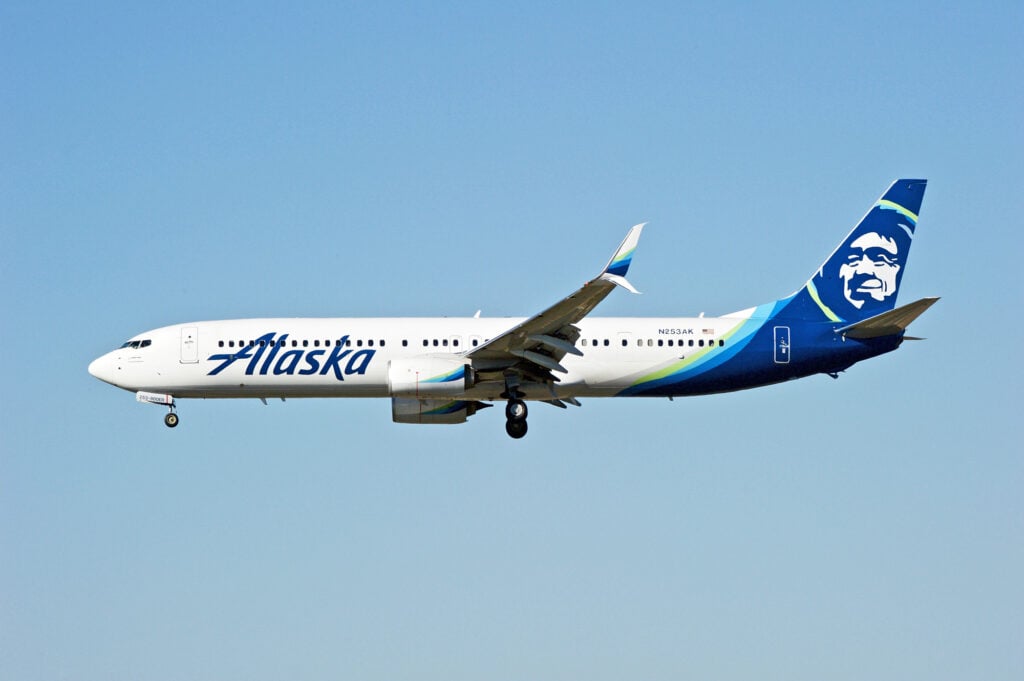
Starting this winter, one Alaska Airlines policy reality is getting a lot more attention: even a paid first class seat isn’t always “yours” until the aircraft door closes. On a recent nearly 8-hour Alaska flight from Liberia, Costa Rica (LIR) to Seattle (SEA), a passenger with a paid first-class ticket was involuntarily downgraded to economy at the gate so the airline could seat two deadheading pilots in the premium cabin. If you’re chasing Alaska elite status or paying extra for the front of the plane, this matters because it changes how “secure” that premium purchase can feel—especially on long-haul leisure routes.
1) What happened: a paid first-class customer was downgraded on LIR–SEA
The basics are simple, and that’s why it hit a nerve.
- Route: Liberia, Costa Rica (LIR) to Seattle (SEA)
- Flight time: just under 8 hours
- Ticket: paid first class (not an upgrade)
- Timing: the passenger had checked in the night before without any red flags
- Trigger: two pilots needed premium seats while traveling on duty
In plain English, an involuntary downgrade is when you paid for one cabin but the airline moves you to a lower cabin for operational reasons. You didn’t choose it, and you didn’t cause it.
What made this example especially frustrating is the “stakes” of a long international flight. On a segment approaching eight hours, first class isn’t just a wider seat. It’s meal service, space to work, a calmer ride, and a very different fatigue level on arrival.
The passenger was called to the gate during boarding and told they were being moved back. Gate staff reportedly pointed to the need to accommodate pilots, and also weighed the traveler’s elite standing when picking who lost the seat.
For frequent flyers, that last piece is the loyalty gut punch: if you’re low on the status ladder, you can feel like your paid premium seat is less protected.
2) Why deadheading pilots can outrank customers on some flights
Deadheading is one of those airline terms you don’t think about until it hits your boarding pass.
Deadheading is when pilots or flight attendants fly as passengers on duty and on the clock to position for another flight. Airlines do it constantly to keep the schedule running.
Common reasons include:
- Keeping crews within legal duty-time limits
- Fixing misaligned schedules after delays or cancellations
- Moving crews to cover aircraft that would otherwise cancel
- Recovering the operation during irregular operations
Here’s the important part for travelers: pilot and flight attendant work rules are shaped by collective bargaining agreements. Those agreements can include seating priorities for deadheading crew, especially on longer flights.
In this Alaska case, the reported contract framework works like this:
- On flights above a certain duration threshold (described as five hours), pilots must be offered premium seating when available.
- If premium seats aren’t otherwise available, the contract can allow the airline to take a premium seat from a revenue customer to meet the requirement.
That’s why these situations often happen at the worst possible moment: at the gate, during boarding, when the last seat assignments are being finalized and crew positioning becomes non-negotiable.
From a passenger standpoint, the most maddening feature is the lack of transparency. Gate agents often can’t share much detail. The result is a last-minute “your seat changed” moment, with little context and even less time to react.
| What you expect with paid first class | What can happen with premium deadheading |
|---|---|
| Seat is stable after check-in | Seat can be reassigned at the gate |
| Cabin reflects what you purchased | Operational needs can override the cabin you paid for |
| Longer flights feel “safer” to pay up for | Longer flights can be the very ones where premium crew seating is prioritized |
3) What you actually lose when first class becomes economy mid-boarding
A downgrade is not just a smaller seat. On a long flight, it can unravel your whole plan for eating, sleeping, and arriving functional.
Typical first-class losses include:
- A larger seat with more recline and shoulder room
- More personal space and easier access to power and storage
- A different service cadence, with more attentive pacing
- Better odds of getting the meal you selected
This incident had a very real example: the passenger reportedly lost access to their preordered first-class meal and received a limited economy snack option that didn’t match vegetarian needs. The result was an uncomfortable, hungry flight.
That “meal mismatch” happens for a reason. Catering is planned with cabin manifests. Special meals and preorders are tied to cabin counts and service flow. When you move cabins minutes before departure, the crew often can’t magically “port” your preorder into economy. The food might not exist back there.
This is also why downgrades feel so personal. You didn’t just lose a nicer chair. You lost the thing you counted on for eight hours.
💡 Pro Tip: If you have dietary needs, bring a real backup meal on long flights. It’s insurance against delays, swaps, and last-minute cabin changes.
4) How common is this, and why it feels more visible now
Premium deadheading itself is not new. Airlines have always needed to reposition crews, and premium seats are often the most practical place to put them on long segments.
What feels new is the visibility of confirmed premium customers being moved, even late in boarding. A few industry dynamics help explain why:
- Tight staffing makes schedule recovery more fragile.
- Pilot contracts have strengthened as bargaining power rose.
- Long leisure routes often run very full, especially in peak seasons.
- Irregular operations can force last-minute crew moves onto already-full flights.
It’s still fair to say this is high-impact when it happens, even if it isn’t something most travelers see every trip. A single downgrade story travels fast because it hits a nerve: “If I pay for first, can they still take it?”
And on long-haul or near-long-haul flights, the answer can be “yes,” depending on the airline, the contract terms, and the day’s operational mess.
5) Your rights and compensation after an involuntary downgrade
If you’re downgraded, two things matter right away:
- Document what you bought and what you flew. Save your original confirmation, receipts, and both boarding passes if you have them. Take a screenshot in the app if the cabin changes.
- Ask for the correct remedy using the right words. Use the phrase “involuntary downgrade” and request a “refund of the fare difference.”
In the U.S., the Department of Transportation framework generally expects airlines to refund the difference when you’re placed in a lower class than purchased. How it’s calculated can vary by fare type and how the ticket was priced, but the principle is consistent: you shouldn’t pay first-class money for an economy seat.
Outside the U.S., rules can be stronger. In parts of Europe, EU-style consumer protections can require set refund percentages based on distance bands and jurisdiction triggers. Those rules are very itinerary-specific, so your origin, destination, and operating carrier matter.
Beyond cash, airlines sometimes offer goodwill compensation. Think travel credit, miles, or a service recovery certificate. That’s not guaranteed, and it varies by carrier and situation.
The loyalty angle matters here, too. If you paid for first class to earn more redeemable miles, or to maximize elite-qualifying credit, check your posting. In many programs, you should be credited based on the fare you purchased when the downgrade was involuntary. If your account shows economy earning, that’s when you push back with receipts.
⚠️ Heads Up: Don’t accept a voluntary change at the gate unless the offer is worth it. Voluntary often weakens your refund position versus involuntary.
How this hits Alaska Mileage Plan members by elite tier
Alaska’s reported gate logic in this incident included elite status. That makes it worth talking about what different Mileage Plan members should expect.
| Mileage Plan level | What this can mean in a downgrade scenario | What to do immediately |
|---|---|---|
| General member (no status) | You’re more likely to be the “easy” choice if the cabin must be freed | Ask for written confirmation of involuntary downgrade and fare-difference refund |
| MVP | Slightly better protection, but not bulletproof on a full flight | Request goodwill miles or credit on top of the refund if the flight is long |
| MVP Gold | Better priority in many operational situations | Escalate politely if moved to a poor economy seat, not just “any” economy seat |
| MVP Gold 75K / 100K | Strongest protection, but still not absolute if contract priorities apply | Push for reaccommodation in first class on a later flight if the downgrade ruins the trip value |
6) Why these stories spread, and what to watch when booking premium
Incidents like this often surface in frequent-flyer forums and social media groups because they’re shocking and easy to understand. A paid premium passenger got moved back. That’s the whole story, and it makes people wonder if premium is worth it.
A common reporting pattern shows up again and again:
- The explanation is brief or unclear at the gate.
- The change happens late, sometimes after boarding has started.
- The replacement seat can be mediocre, not just “any economy seat.”
- The passenger has to do the paperwork to get made whole.
Anecdotes aren’t statistics, but they are signals. If you see multiple similar accounts on the same carrier and route type, treat it like a risk factor when you book.
Practical booking advice for premium travelers on Alaska Airlines
If you’re paying for first class, especially on flights around or above five hours:
- Favor flights with more first-class seats (aircraft type matters).
- Choose earlier departures when the operation is less “broken.”
- Avoid tight connections that force crew repositioning.
- Bring a backup meal if you have dietary needs.
- Screenshot your cabin and seat after check-in and again at the gate.
- If downgraded, ask for the fare difference refund before you leave the airport.
If you’re sitting on an upcoming long Alaska itinerary and first class is a must-have, book with a backup plan in mind. The simplest protection is flexibility: take the earlier flight, keep an alternate routing in your pocket, and don’t board without a screenshot of what you paid for.