- Air India’s Delhi-New York flight suffered significant engine damage after ingesting an unsecured cargo container.
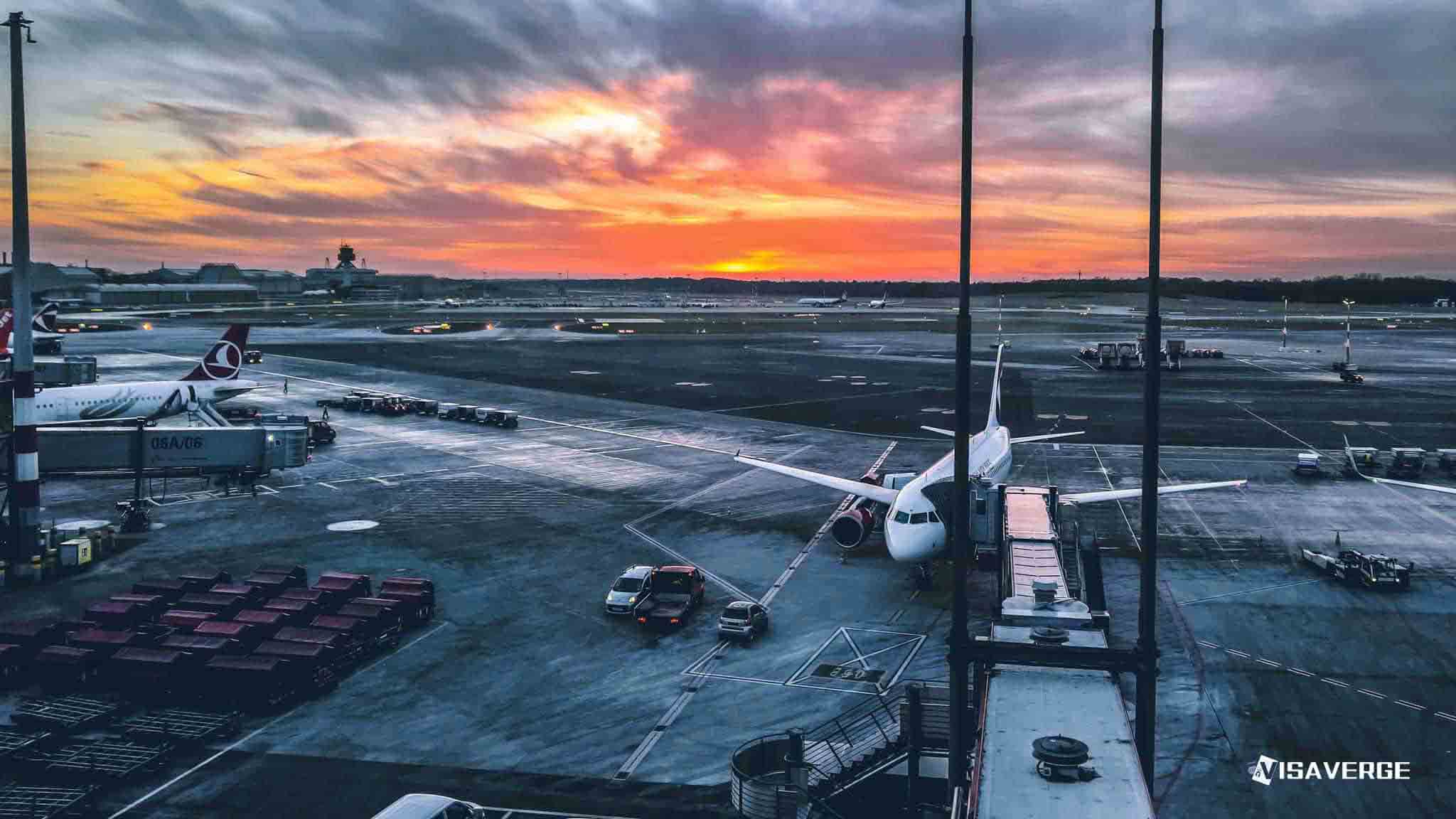
- The incident involved an Airbus A350-900 taxiing in dense fog at Indira Gandhi International Airport.
- Ground handling failures and Iranian airspace closures have triggered widespread cancellations and rebooking delays.
(DELHI, INDIA) — Air India’s flagship Delhi–New York service, Flight AI101, was disrupted Thursday after an Airbus A350 suffered right-engine damage when it ingested an unsecured cargo container while taxiing at Indira Gandhi International Airport (IGI). If you were booked to the U.S. today, expect rebookings, longer routings, and tighter premium-seat availability as the airline juggles both aircraft downtime and airspace-driven cancellations.
The aircraft involved was an Airbus A350-900 registered VT-JRB. Air India said it is assisting customers with alternative travel and refunds. No injuries were reported among the 250-plus passengers onboard.
Incident overview
The event happened after AI101 returned to Delhi shortly after departure due to an unexpected closure of Iranian airspace. The flight landed safely on Runway 28.
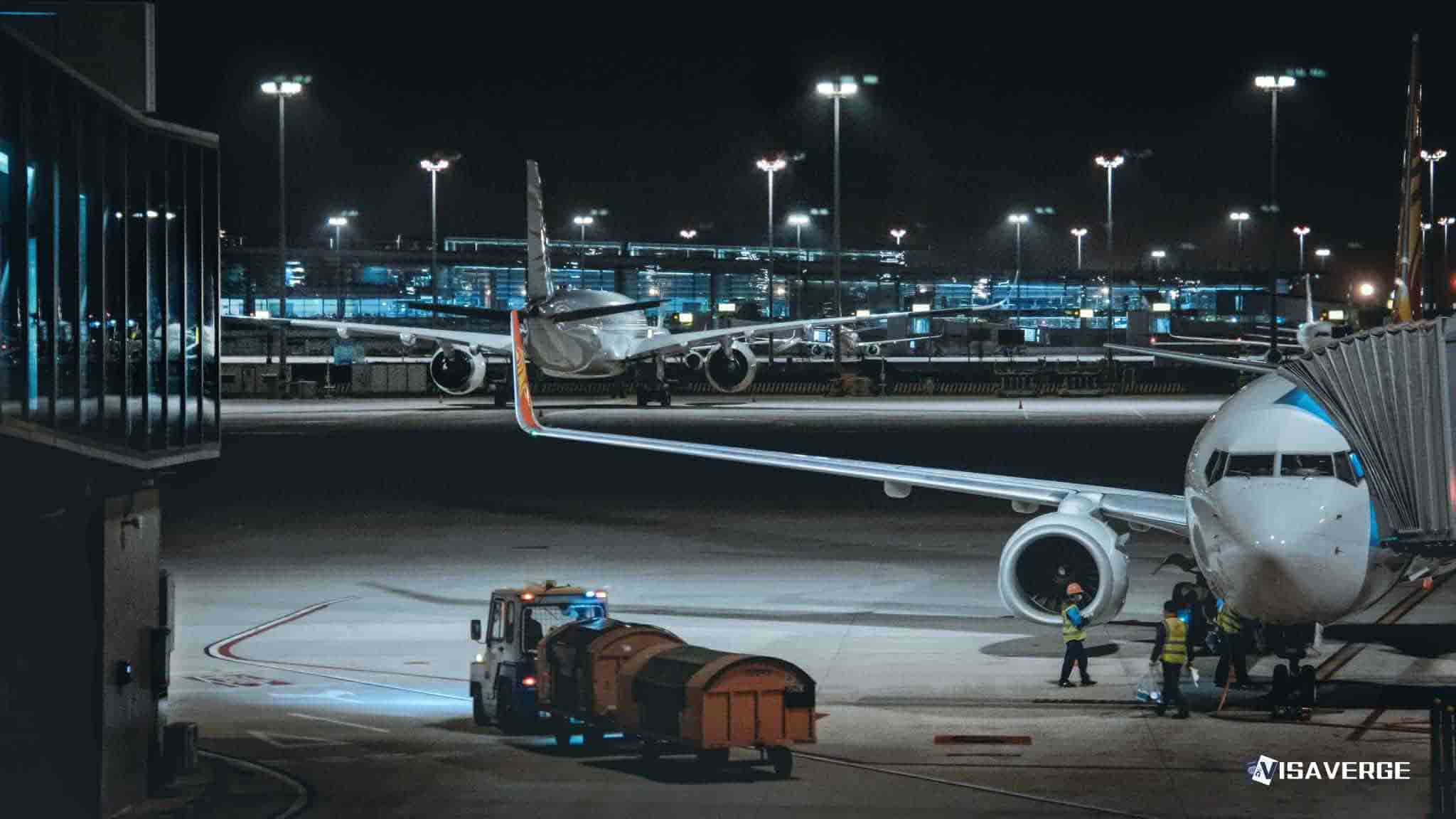
While taxiing to its parking position in dense fog, the jet’s No. 2 (right) engine ingested a cargo container that had toppled onto the taxiway near the N/N4 junction, close to Bay 242.
The aircraft ultimately reached a designated stand. It has been grounded for repairs and technical checks, which will ripple across Air India’s long-haul schedule in the coming days.
| Detail | Information |
|---|---|
| Airline / Flight | Air India Flight AI101 |
| Route | Delhi (DEL) → New York (NYC area) |
| Airport | Indira Gandhi International Airport (IGI) |
| Aircraft | Airbus A350-900 |
| Registration | VT-JRB |
| Incident | Engine damage after ingesting unsecured cargo container |
| Injuries | None reported |
| Status | Aircraft grounded for repair and investigation |
Timeline of key events
The sequence matters, because this was not a typical “after landing” incident. It was the result of rapid operational changes caused by geopolitical disruption, followed by a ground-safety failure.
- 2:36 a.m.: AI101 departed Delhi.
- Shortly after takeoff.: Iranian airspace closed, blocking the planned westbound routing.
- Around 5:25 a.m.: The flight landed back in Delhi and began taxiing in dense fog.
- During taxi to parking.: A cargo container on the taxiway was ingested by the right engine.
Air India’s same-day transatlantic flying was already under pressure. Two other flights were canceled that day due to the Iranian airspace closure: Delhi–Newark and Mumbai–New York (JFK).
That combination is what makes this more than a single-aircraft incident for U.S.-bound travelers.
Root cause and technical details
India’s aviation regulator, the DGCA, issued preliminary findings focused on ground handling. A vehicle operated by Bird Worldwide Flight Services (BWFS) was transporting containers toward the baggage makeup area.
During the move, a wheel reportedly came off a container dolly. That failure caused the container to topple onto the taxiway.
The DGCA’s initial account says the container was left unsecured on the taxiway. The equipment operator moved away with the remaining containers, leaving the toppled one behind.
As AI101 taxied past, the engine ingested the container, leading to damage.
Foreign object damage (FOD) events are rare but serious. Jet engines can ingest small debris with limited consequences. A full cargo container is a different order of risk.
Even when everyone walks away unhurt, the repair work can take an aircraft out of rotation for days or longer.
What this means for passengers
For customers, the immediate impact is simple: cancellations, misconnects, and rebooking delays will be more likely on Air India’s U.S. routes while the A350 is sidelined. Air India said it is offering alternative arrangements and refunds for affected travelers.
If you are traveling between India and the U.S. in the next several days, watch for these pinch points:
- Premium cabins selling out faster. When a widebody drops from the schedule, business-class seats disappear first.
- Longer routings and extra stops. Airspace closures can force detours, and cancellations can force connections.
- Tighter onward connections in the U.S. A same-day misconnect can mean an overnight delay in New York or Newark.
This also matters for visa-dependent travelers, including H-1B holders and other work visa passengers. A forced return and reschedule can change your arrival date.
That can complicate planned domestic connections, appointments, or time-sensitive documentation plans.
Loyalty and miles: what to expect
If your flight is canceled and you are rebooked, your mileage outcome depends on what you actually fly.
- If Air India rebooks you onto another Air India flight, your earning should generally follow your original credited program rules and fare class.
- If you are moved to a partner or another carrier due to disruption, earnings can change fast. Partner crediting often depends on the reissued ticket and booking class.
Award travelers should also pay attention. When long-haul capacity tightens, last-minute award space often dries up. If you redeemed points for AI101 and get rerouted, confirm the cabin and flight numbers before accepting changes.
Broader operational implications and competitive context
Air India currently has six A350s, and this incident puts one out of service. On paper, that is “just” one aircraft. In practice, long-haul networks are built on thin margins.
One missing widebody can trigger a cascade of aircraft swaps, schedule trims, and fewer backup options.
Competitors will likely benefit in the short term. On India–U.S. travel, many flyers compare:
- One-stop itineraries via the Gulf on carriers with large widebody fleets.
- European connections when routings and visas line up.
- Nonstop versus one-stop value depending on timing, price, and total travel time.
Air India’s advantage is clear when it can operate its planned schedule: fewer stops and a simpler trip. When disruptions stack up, larger connecting networks can be easier to re-accommodate.
Investigation and accountability
The DGCA has launched a formal investigation into the ground-handling procedures that allowed a container to become loose and remain on an active taxiway. Expect scrutiny of equipment maintenance, ramp training, and FOD response protocols.
For travelers, the practical question is reliability. Airlines can control maintenance and training. They cannot control airspace closures. When both hit in the same morning, the result is what passengers saw today.
If you’re booked on Air India to the U.S. this week, check your reservation status before heading to Indira Gandhi International Airport, and arrive with a backup plan for connections in New York or Newark. If your trip is flexible, shifting departure by 24–48 hours may open more seats and better rebooking options.
An Air India Airbus A350-900 sustained engine damage at Delhi’s airport after ingesting a cargo container left on the taxiway. The incident, compounded by Iranian airspace closures, has forced cancellations of several U.S.-bound flights. While no injuries occurred among the 250 passengers, the grounding of the aircraft has caused a shortage in long-haul capacity, affecting seat availability and flight schedules for travelers heading to New York and Newark.