- Air Force One returned to base after a minor electrical issue was detected mid-flight.
- President Trump was traveling to Davos for the World Economic Forum during the incident.
- Safety protocols prioritized a precautionary landing at Joint Base Andrews for inspection.
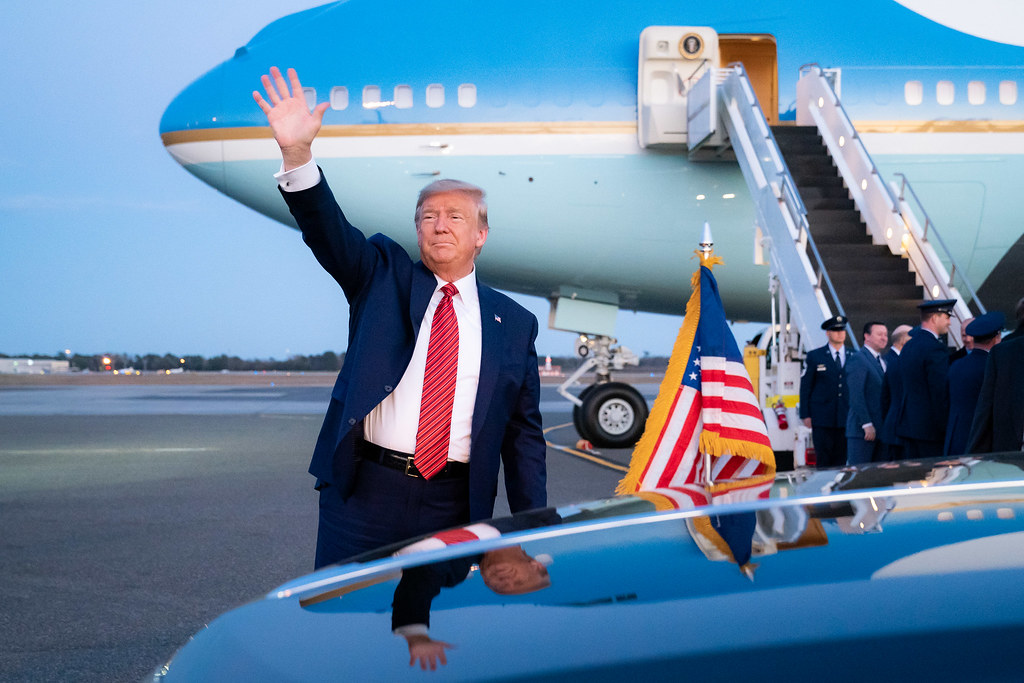
(MARYLAND) — Air Force One returned to Joint Base Andrews about one hour after takeoff on January 21, 2026, from Washington toward Davos, Switzerland, due to a minor electrical issue identified by the crew.
President Trump was traveling to the World Economic Forum when the crew opted to turn back, reflecting how presidential aviation treats even minor technical anomalies as grounds for precautionary action. The aircraft landed safely at Joint Base Andrews, Maryland.
Operational context and safety protocols
Such returns are built into presidential travel safety protocols, which favor conservative decisions over pressing ahead with unresolved cockpit indications. For high-profile movements, the operational threshold for stopping a trip is intentionally low.
About an hour into the flight, the Boeing airframe operating under the Air Force One call sign reversed course and headed back to the Washington area. It touched down at Joint Base Andrews, where maintenance and security teams can conduct controlled inspections.
Operationally, a turnback typically triggers troubleshooting, documentation of the reported fault, and follow-on checks before any aircraft is cleared to depart again. That process can also require reworking departure slots, motorcade timing, and ground security footprints.
Any schedule shift may ripple beyond the presidential party, because airport access controls and short-term airspace measures around senior leader movements can alter normal traffic flow. Even when commercial flights are not directly delayed, gate access and perimeter restrictions can change quickly.
Aircraft identity and fleet context
Air Force One is not the aircraft’s model name, but the call sign used when the U.S. president is aboard, and the aircraft involved was one of two long-serving Boeing planes used for presidential transport. Public reporting has also pointed to broader modernization and maintenance challenges for the fleet, though no link to this electrical issue has been asserted.
[information]: ✅ Important: Air Force One is a call sign, not the aircraft type; the aircraft involved is one of two long-serving Boeing planes used for presidential transport
Flight status information circulating after the return indicated the trip did not continue as planned and was redirected back to base, pending checks. That high-level status, without technical detail, is typical when an inspection is underway.
| Item | Details |
|---|---|
| Date | January 21, 2026 |
| Who was aboard | President Trump |
| Intended route | Washington area toward Davos, Switzerland |
| When the turnback occurred | about one hour after takeoff |
| Reason cited | minor electrical issue identified by the crew |
| Landing location | Joint Base Andrews, Maryland |
| Aircraft context | one of two long-serving Boeing planes used for presidential transport |
| Immediate operational effects | inspection, troubleshooting, possible aircraft swap, schedule revisions |
Media reporting and official communications
NBC News journalist Kelly O’Donnell reported that the plane turned around safely and that the president was safely back on the ground. CBS Pittsburgh’s Megan Shinn also confirmed the electrical issue and said the press secretary referenced the return.
Early official and media descriptions in such cases are often brief, reflecting security constraints and the need to confirm technical findings before releasing specifics. Initial communications commonly focus on safe landing confirmation and the basic category of the issue.
What to watch next
For travelers and planners, the next steps to watch are procedural rather than dramatic: inspection results, any decision to swap aircraft, and an updated departure timeline for the Davos, Switzerland trip. The severity of the electrical issue and the resolution timeline were not publicly detailed in initial reports.
Presidential movements can affect airport operations in ways that touch other itineraries, including changes to access roads, screening footprints, and short-notice constraints near airfields. International travel planning can also face knock-on timing pressure, and in many cases travelers may need to adjust connections, lodging, or meeting schedules if arrivals shift.
[action]: ✅ Travelers with itineraries affected by presidential movements should monitor carrier communications for changes, and prepare for potential schedule volatility or security-related airport access adjustments
Those connecting onward to Switzerland or within the Schengen area typically benefit from keeping travel documents accessible, confirming entry requirements through official channels, and checking whether revised arrival times alter connection feasibility. Travelers should rely on carrier notifications and government advisories, and consult a qualified professional for individual compliance questions.
Reporting note
This report covers sensitive presidential travel and safety considerations. Information is based on publicly reported facts and corroborated sources; no speculative conclusions about motives or internal assessments are made.
Readers should consult official carrier and government communications for the latest travel requirements and travel advisories.