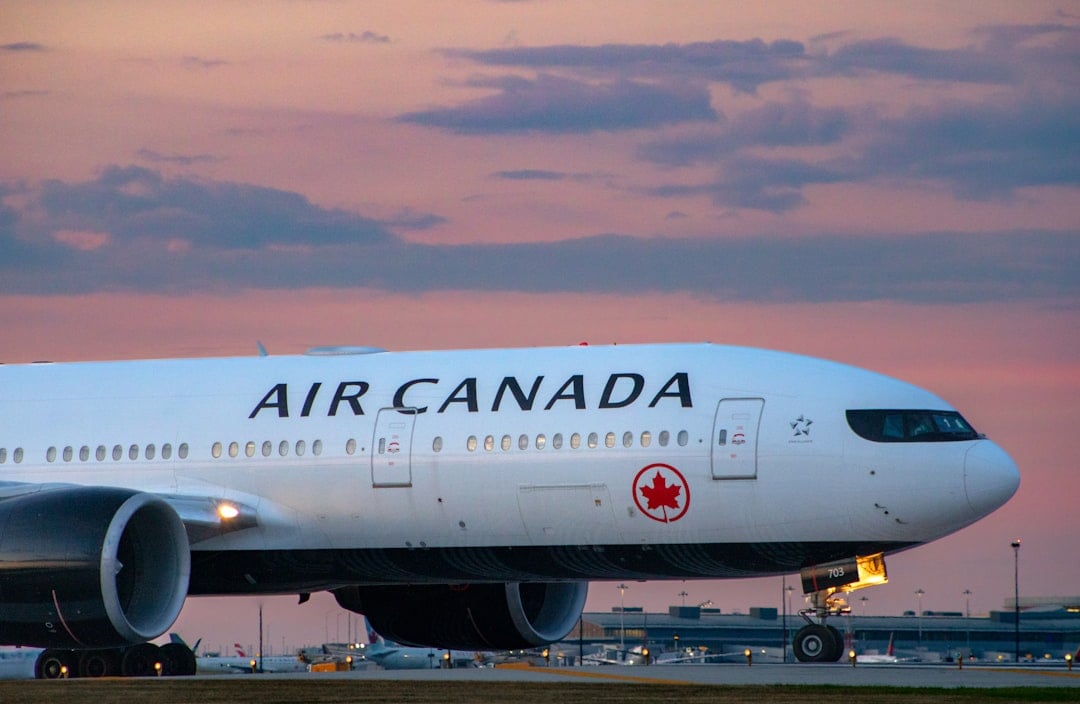
- Air Canada has suspended all Cuba flights starting February 9, 2026, due to a severe fuel shortage.
- A ground refueling blackout affects nine international airports across the island through at least March 11.
- The airline offers automatic full refunds for canceled flights with tentative service restarts scheduled for May 1.
Air Canada just pulled the plug on all Cuba flying as of Feb. 9, 2026, and the reason matters for your next move. This isn’t a routine schedule tweak. It’s a fuel shortage problem that can’t be fixed with a quick aircraft swap. If you’re holding an Air Canada or Air Canada Vacations booking, act now to lock in the easiest refund or rebooking path.
From a “should you book it?” standpoint, Air Canada’s Cuba operation is usually a solid, predictable choice for Canadians. On a normal day, the onboard experience is perfectly fine for a 3–5 hour hop. Right now, though, reliability beats seat comfort. Until Cuban airports have steady Jet A‑1 supply again, I’d avoid any itinerary that depends on Air Canada operating to Cuba.

1) Overview of the suspension (and what it means for your trip)
Air Canada suspended all flights to Cuba effective Feb. 9, 2026, after official aviation notices warned that fuel would be unreliable across the island. The core issue is simple: many Cuban airports can’t count on normal on-ground refueling, which is a nonstarter for safe, repeatable airline operations.
What makes this different from weather is that you can’t “wait it out” at the gate. If fuel isn’t there, the airplane can arrive and still be unable to depart on schedule. That’s why airlines end up canceling, adding technical stops, or re-timing flights at the last minute.
Air Canada is handling repatriation with empty southbound ferry flights that carry extra fuel from Canada. Those flights are designed to bring home roughly 3,000 customers currently in Cuba, many on vacation packages. For you, that can mean unusual routings, earlier hotel pickups, and possible technical stops for refueling.
⚠️ Heads Up: If you’re currently in Cuba, watch your email and phone closely. Repatriation flight details can change quickly.
2) Affected routes and how long this may last
The disruptions aren’t identical across the network. Some routes are canceled for the season, while others are “paused” with a tentative restart date. That affects what you can reasonably rebook to, especially during peak winter travel.
Here’s the clearest way to think about it: seasonal sun routes got cut for the rest of the season, while year-round markets are suspended with a target return that may shift. Air Canada also frees up narrow-body aircraft when it drops Cuba flying. That helps it protect other routes, but it also limits “like-for-like” rebooking options to similar beach destinations.
| Cuba destination | Air Canada service type | Status | Timing |
|---|---|---|---|
| Holguín (HOG) | Seasonal | Cancelled | Rest of season |
| Santa Clara (SNU) | Seasonal | Cancelled | Rest of season |
| Varadero (VRA) | Year-round | Suspended | Tentative restart May 1, 2026 |
| Cayo Coco (CCC) | Year-round | Suspended | Tentative restart May 1, 2026 |
That May 1, 2026 target is a planning marker, not a promise. If you’re traveling in March or April, treat it as “not happening” unless you see confirmed schedule restoration and fuel stability.
3) How widespread the fuel shortage is (and why “no refueling” breaks schedules)
This shortage is not limited to one airport. The impact spans nine international airports: Havana (José Martí), Varadero, Cienfuegos, Santa Clara, Camagüey, Cayo Coco (Jardines del Rey), Holguín, Santiago de Cuba, and Manzanillo.
The operational trigger is a refueling blackout window. The warning period runs from Feb. 10, 2026 at 05:00 UTC through Mar. 11, 2026 at 05:00 UTC, during which no on-ground Jet A‑1 refueling is available at the impacted airports. When airlines can’t refuel reliably, they must tanker fuel in, schedule technical stops, or cancel.
Cayo Coco is the riskiest of the bunch. It has limited services, plus reported issues with DME navigation reliability. That combination raises the odds of disruptions, because diversion options and on-site support can be thinner when things go sideways.
For travelers, “no refueling” can look like chaos even when crews are doing everything right. You might see day-of cancellations, flight times that swing by hours, or routings that add a stop you never planned for.
4) Industry context: why alternatives may be limited (and schedules can flip fast)
Air Canada isn’t acting alone, and that’s the part many vacationers miss. When a destination has a systemic fuel problem, switching airlines often just switches the logo on the same underlying risk.
The disruption is tied to halted or paused shipments that have tightened supply. The result is broad: more than 400 weekly flights are affected across multiple carriers. The figures tell you how big the Cuba market normally is, with airlines like WestJet (97 weekly flights), American (73 weekly), and Copa (29 weekly) also in the mix.
Different airlines are responding in different ways. Some are winding down service and focusing on getting customers home. Others plan technical stops to keep flying, which can turn a simple nonstop into a longer travel day with more moving parts.
Competitive context matters here. Air Canada’s choice to suspend is conservative, but it’s also straightforward. A technical-stop strategy can “save” a schedule, yet it increases missed-connection risk and can strain crew duty times.
5) The onboard “review” you’re missing: Air Canada to Cuba experience (when it’s running)
Most Air Canada Cuba flights are on narrow-body aircraft from Air Canada mainline and Air Canada Rouge. Think standard North American short-haul flying. You’re not booking this for glamour, but you can still choose seats and fare types that make the trip much easier.
On typical Airbus A320-family flying, you can expect economy seating around 17–18 inches wide with about 30–32 inches of pitch, depending on the exact aircraft and seat row. Comfort is workable for a beach run, especially if you avoid the very last rows. If you’re tall, a preferred seat can be worth paying for on a four-hour sector.
Power is inconsistent on these leisure-focused deployments. Some aircraft have in-seat power or USB, and some don’t. If you’re heading to Cuba with a phone-as-boarding-pass plan, carry a small power bank.
Food and service are route-and-fare dependent. On many short-haul flights, you should expect buy-on-board snacks and drinks in economy, with better inclusions up front. Rouge leisure flying can feel more vacation-oriented, but it’s still a narrow-body cabin with standard service flow.
For entertainment, don’t count on seatback screens. Plan on streaming to your own device when available, and download content before leaving Canada. Wi‑Fi can be hit-or-miss depending on the aircraft.
Amenities are basic. Bring a refillable bottle, a light layer for cabin temperature swings, and any motion-sickness essentials. Those matter more when disruptions force a longer day or an unexpected technical stop.
6) Customer policies and assistance (refunds, rebooking, and your rights)
If your Air Canada Cuba flight is canceled in this window, the airline says full refunds are automatic for cancellations from Feb. 9 to May 1, 2026. Refunds go back to the original form of payment, including Aeroplan points and gift cards. The stated timeline is within 10 business days of departure, and you generally don’t need to contact the airline to start it.
Rebooking flexibility is more specific. The free-change or credit option applies to tickets purchased by Feb. 8, 2026, for travel Feb. 9–18, involving Cayo Coco (CCC), Holguín (HOG), Santa Clara (SNU), or Varadero (VRA). Changes run through 1‑888‑247‑2262, but fare differences can still apply. That last part matters if you’re rebooking into peak dates or limited inventory.
If you’re stranded, Air Canada says local representatives are assisting on the ground. Most people will get updates by email or phone, so keep notifications on and roaming enabled if possible. If you booked a package, contact Air Canada Vacations at 1‑800‑296‑3408, since the airline and tour operator workflows differ.
Now, the compensation and consumer-rights angle. Your protections depend on things like where your flight departs, where it arrives, which carrier is operating, and how your itinerary is ticketed. Canadian rules can apply to certain Canada-related itineraries, and other regulators can apply on other routings. In a fuel-supply event, the key question is often whether the disruption is within the airline’s control, which can change what compensation is owed versus simple rebooking or refunds.
Mileage and points also deserve a quick reality check. If your flight doesn’t operate, you generally won’t earn miles on it. For Aeroplan redemptions, an automatic points refund is helpful, but it can strand you with higher cash fares if you need to travel anyway. If you’re chasing elite status, canceled segments also mean lost credit, so consider rerouting to protect your qualifying activity.
| Option | When it’s best | Watch-outs |
|---|---|---|
| Automatic refund | You can skip Cuba or travel later | Rebooking later may cost more |
| Rebook under flexibility | You must travel soon and can shift dates | Fare difference may apply |
| Vacation package support | You need hotel/transfer help | Airline and tour operator rules differ |
Operational notes, contacts, and what to document next
Air Canada is monitoring the situation, and restart timing can move. Treat May 1, 2026 as a tentative target, not a firm return date. If fuel supply remains unstable after Mar. 11, the disruption window may effectively extend in practice.
Use the right contact for the right problem. For flight tickets and rebooking, use Air Canada’s customer channels, including the rebooking number above when it applies. For package travelers, Air Canada Vacations is usually the fastest path for hotel and transfer changes. For media inquiries, Air Canada listed [email protected], which won’t help with a passenger case.
Document everything like you expect an insurance claim. Save receipts for meals, hotels, and transport you paid out of pocket. Screenshot app notifications and keep written confirmation of cancellation, rebooking, or refund. If you used a credit card with trip protections, those documents are what make reimbursement possible.
Who should book this?
Book Air Canada to Cuba when regular fuel operations return, and you want straightforward nonstop service from Canada on a familiar narrow-body product. Skip it for now if your dates are between Feb. 9 and May 1, 2026, or if you can’t tolerate last-minute changes. If you must travel soon, prioritize an itinerary with strong rebooking options and minimal connections, and confirm your plan no later than 24 hours before departure.