January 3, 2026
- Updated timeline with arbitration hearing dates: January 19, January 28, and February 19, 2026
- Added financial impact details including $375 million strike cost and 3,200+ canceled flights
- Included company financials: $8.4 billion liquidity, 1.4x leverage ratio, and $831 million Q1 free cash flow
- Added proposed wage schedule (8–12% Year 1, then 3%, 2.5%, 2.75%) and ~40% total four-year increase
- Clarified ratification outcome: wage portion rejected by 99.1%, triggering arbitration and retroactive lump-sum payout
(CANADA) — Air Canada will head into binding arbitration later this month to settle unresolved flight attendant wages after an August 2025 strike ended without a ratified pay deal.
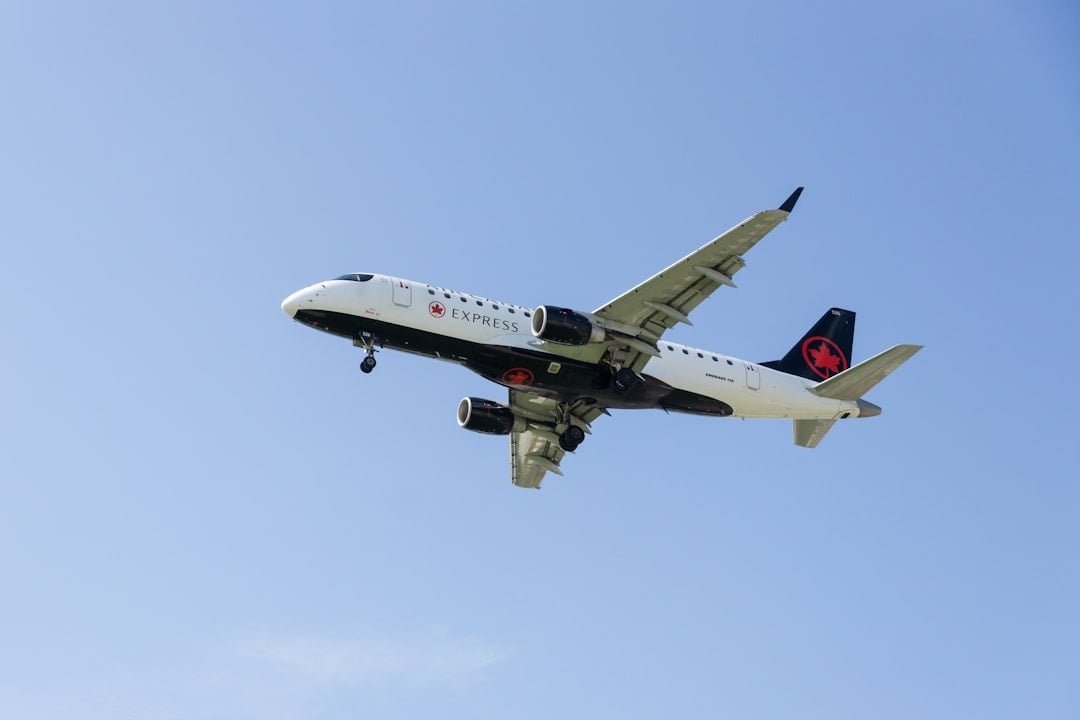
Hearings are scheduled for January 19, January 28, and February 19, 2026, after flight attendants rejected the wage portion of a tentative agreement reached during the three-day walkout.
The arbitration process was built into the pre-negotiated framework and is designed to ensure operational continuity, with no strike or lockout regardless of the outcome.
Financial impact and retroactive costs
Air Canada faces a financial headwind because the final award will be paid retroactively in a lump sum. The airline is budgeting for potential 8–12% retroactive wage increases tied to the first year of the contract framework.
- Air Canada estimated the strike disruption cost $375 million in operating income and adjusted EBITDA, after more than 3,200 canceled flights and associated customer compensation.
- Avoided fuel costs partially offset losses; Air Canada reported adjusted EBITDA for Q3 2025 of $961 million.
- The airline entered 2026 holding $8.4 billion in liquidity and maintaining a 1.4x leverage ratio, among the lowest in the industry.
- Management pointed to $831 million in free cash flow in the first quarter as evidence of durability in core operations, even after the strike.
If you’re budgeting around this dispute, set aside a contingency for a potential retroactive lump-sum payment (about 8–12% of first-year wages) and adjust forecasts accordingly.
The arbitration outcome will lock in a major cost component for Air Canada, with the lump-sum retroactive payment adding pressure as the company plans its year under heightened labor risk.
Timeline of the strike and negotiations
- August 16, 2025 — CUPE flight attendants began striking at 01:00 EDT after a 72-hour notice, forcing suspension of more than 700 daily flights and affecting approximately 130,000 passengers per day.
- August 17, 2025 — Jobs Minister Patty Hajdu ordered binding arbitration and a return to work by 14:00 EDT; CUPE initially defied the order. National President Mark Hancock called the process “unfair” and urged the airline to return to negotiations.
- August 19, 2025 — After three days of intensive talks, Air Canada and CUPE reached a tentative agreement with mediator assistance.
- Air Canada announced a gradual resumption of service, with flights scheduled to resume by the evening of August 19, and warned a full return to normal operations would take 7–10 days.
- August 27 – September 6, 2025 — CUPE held a ratification vote. The wage portion of the tentative agreement was rejected by 99.1%, triggering the arbitration clause.
CUPE flight attendants began strike at 01:00 EDT
Jobs Minister ordered binding arbitration and return to work by 14:00 EDT
Tentative agreement reached after three days of talks; gradual resumption of service announced
CUPE ratification vote held; wage portion rejected by 99.1%
Winter storm caused operational disruptions
First scheduled arbitration hearing
Second scheduled arbitration hearing
Third scheduled arbitration hearing
Proposed wage schedule (from the rejected agreement)
The rejected agreement set a multi-year wage progression. Key figures:
| Year / Date | Increase |
|---|---|
| Year 1 — April 1, 2025 | 8–12% (depending on length of service) |
| April 1, 2026 | 3% |
| April 1, 2027 | 2.5% |
| April 1, 2028 | 2.75% |
- The tentative deal proposed total compensation increases of ~40% over the four-year contract term, which would have made Air Canada flight attendants the best compensated in Canada.
- Ground pay provisions were implemented immediately and remain in force — described as a historic first in over 30 years of negotiations.
Ground pay specifics
- Narrow-body aircraft flight attendants: 60 minutes paid at 50% of regular hourly wage in Year 1, gradually rising to 70% by Year 4.
- Wide-body aircraft crews: 70 minutes paid at the same rates under the same ground pay structure.
Procedural disputes and arbitration scope
A procedural dispute will surface during the arbitration timeline after Air Canada objected to union requests for financial data. That disagreement is scheduled to be heard later in January 2026.
- The arbitration process will determine wage outcomes and could require a retroactive lump-sum payout.
- The pre-negotiated arbitration clause prevents further strike or lockout during the process.
Air Canada’s arbitration removes the option for a strike; passengers should not expect cash compensation for labor disruptions but may seek rebooking or refunds under applicable rules.
Broader labor context and industry outlook
Labor volatility is expected to remain central for Canadian carriers through 2026, with most major airlines facing expiring labor contracts during the year.
- Air Canada’s labor file extends beyond flight attendants: ground crew and baggage handler contracts are also expiring.
- Unions are seeking significant gains to catch up with inflation and U.S. counterparts.
- Management is cautious about cost escalation.
Experts describe the wider industry as being in a “shakeout” phase after a decade of long-term deals expired, raising the probability of further disruptions.
Operational pressures early in 2026
Operational pressures followed Air Canada into the opening days of the year as weather-driven instability tested recovery capacity after the summer strike.
- January 2, 2026 — A powerful winter storm caused at least 598 flight delays and 98 cancellations across major Canadian hubs, affecting Air Canada and other carriers.
Air Canada has framed 2026 planning as a steady (not explosive) recovery, with modest capacity growth after a constrained 2025.
Financial strategy and business priorities
Primary financial aim for 2026: return to positive free cash flow as labor disruption impacts fade and cost structures stabilize.
Key strategic priorities include:
- Targeted investments in high-margin segments and fleet modernization.
- Redirecting capacity toward more profitable routes.
- Bolstering non-passenger businesses (notably Aeroplan and Air Canada Vacations) which were described as stabilizers contributing to adjusted EBITDA and ancillary revenue.
Longer-term ambitions:
- 17%+ EBITDA margins by 2028
- 5% free cash flow margins
These goals depend in part on how wage costs are ultimately set through binding arbitration.
Passenger rights and compensation during the strike
Under Canada’s Airline Passenger Protection Regulations:
- Airlines are not required to pay compensation for delays or cancellations caused by labor disruptions.
- Travelers can seek rebooking or a refund, but should not expect cash compensation for incidentals (meals, hotels) tied directly to the strike.
Note the arbitration hearing dates: Jan 19, Jan 28, and Feb 19, 2026. Check for updates and plan travel with possible delays or changes in service.
Air Canada’s customer measures during the strike:
- Free changes to new dates between August 21 – September 12, 2025, for passengers with bookings between August 15–19.
- Full refunds for unused tickets purchased on or before August 15 for travel between August 16–17, 2025.
Key takeaway
The arbitration outcome in early 2026 will fix a major cost component for Air Canada. The lump-sum retroactive payment and the broader risk of escalating labor costs across the sector add financial and operational pressure as the airline seeks to stabilize results and pursue modest growth.
Air Canada is heading to binding arbitration in early 2026 to settle flight attendant wages after a 2025 strike and rejected pay deal. The airline faces retroactive costs but remains financially stable with $8.4 billion in liquidity. The outcome will lock in long-term labor costs as the company targets a return to positive free cash flow and fleet modernization amidst broader industry labor volatility.