Booking through a travel agent often leaves immigration travelers with less control when plans shift, prices jump, or paperwork needs change fast. In 2026’s high-cost, rule-heavy travel market, even small delays or hidden fees can snowball into missed flights, lost refunds, and extra days away from work or family.
That matters if you’re traveling for a visa interview, consular “stamping,” a relocation start date, a family emergency abroad, or a tight return window to keep lawful status. It also matters for employers moving staff across borders, where expense records and change speed can decide whether a trip stays compliant and reimbursable.
Why agent-made trips feel harder in 2026’s self-serve travel world
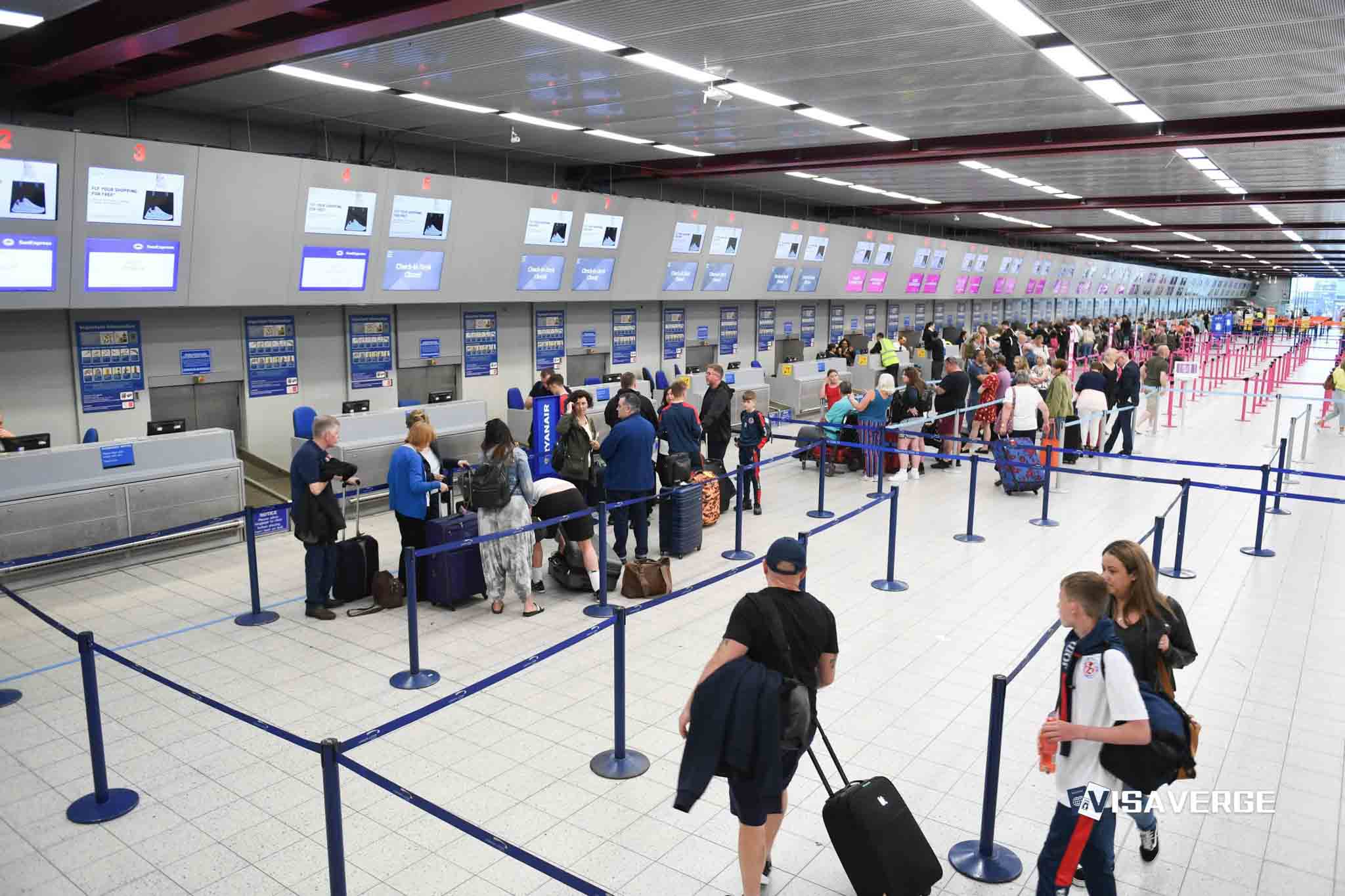
Airlines, hotels, and credit cards built strong “book-direct” ecosystems. They reward travelers who manage their own reservations in apps, accept rule-heavy fares, and respond quickly to disruption alerts. That system clashes with the older model where an agent sits between you and the airline or hotel.
The friction shows up in ordinary moments. You want to change a flight after a consular appointment moves. You need a hotel receipt that matches your passport name for reimbursement. You want to add bags because you’re returning with documents and personal items. When a third party owns the booking, the provider often pushes you back to that third party.
For immigration travel, control is not a luxury. It’s time, proof, and predictability.
The concrete disadvantages: flexibility, total cost, rewards, and paperwork
Start with flexibility. Many agent itineraries lean on preferred vendors or pre-set packages. That can limit choices like a specific hotel near an embassy, a late checkout after an interview, or a same-day flight that fits administrative processing risk.
Changes also slow down. With a direct booking, you usually open the airline or hotel app and rebook in minutes. With an agent booking, you often request the change, wait for a response, then approve a revised option. That delay matters when seats disappear fast.
Cost friction comes next. Commissions might be baked into pricing, and extra service charges can stack on top. The hard part is that travelers often notice the extra cost late, because hidden fees can appear as markups, service charges, or “ticketing” fees rather than a clear line item.
In the current market, that can wipe out savings you expected from a deal. Some brands also use best-price guarantees to encourage direct booking. Hilton, for example, advertises a rate match and an extra 25% discount on matched rates, which is hard to capture if you never see the direct offer.
Rewards and elite benefits also change by channel. Booking outside a hotel’s direct site can reduce points earning, block elite recognition, or limit upgrade priority. On the credit-card side, some issuers award the richest multipliers only through their own portals, not through a travel agent.
Finally, administrative burden hits both individuals and companies. Agent invoices can be hard to reconcile with corporate expense tools. If the traveler needs a corrected receipt for a per diem audit, a visa reimbursement file, or a relocation package, the back-and-forth adds stress and delay.
Why the pain is sharper in 2026: higher prices, tighter rules, and more volatility
Higher baseline prices magnify every add-on. A small markup, a service fee, or a change penalty matters more when flights and hotels already cost more than they did a few years ago. Travelers feel that instantly when plans shift.
Deal visibility also matters more. Pricing is dynamic, flash sales come and go, and targeted direct offers appear inside apps or loyalty accounts. When an intermediary sits in the middle, you can lose sight of what the airline or hotel would have offered you directly.
Volatility adds another layer. Disruptions tied to weather, staffing, geopolitics, and rolling schedule changes make fast self-service changes more valuable than ever. Direct channels usually show rebooking options first, while third-party channels can lag.
At the same time, the scale of advisor bookings remains large. Advisor channels book $141.3 billion, representing 26% of the U.S. travel market, which helps explain why suppliers keep strict rules about who can change what.
For immigration travelers, volatility is not theoretical. A delay can affect a return-to-work date, a school start date, or the timing of a lawful admission at the border.
A process view: agent booking versus direct booking, from planning to return
Stage 1 (same day to 1 week): Set the trip’s non‑negotiables before you shop
Write down what cannot move. For immigration travel, that often includes:
- Embassy or consulate location, appointment time window, and document pickup expectations
- A buffer of at least one extra night when timing is uncertain
- Refund and change flexibility, even if the fare costs more
Direct booking makes it easier to compare fare rules side by side. A travel agent can still help here, but only if they quote the same fare class and cancellation terms you would see on the provider site.
Stage 2 (same day): Price the same trip in two places, then compare like-for-like
Compare identical components: same flight numbers, same hotel room type, same boarding and baggage terms, and the same cancellation rules. If the agent’s option includes extras, treat them as priced add-ons, not as “free.”
This is also where best-price guarantees matter. If a hotel promises a direct-match policy, you need the direct rate visible and documented to use it.
Stage 3 (within 24–72 hours): Confirm who controls changes and refunds
Before you pay, confirm who can execute:
- Voluntary changes you request
- Involuntary changes after a schedule disruption
- Refund processing and the expected timeline for credits
If the answer is “the agent must do it,” set a response-time expectation in writing. Immigration travelers often need same-day action, not “next business day.”
Stage 4 (week of travel): Lock down names, receipts, and proof for border questions
Name matching is where small errors become big problems. Your reservation name should match your passport biographic page, including spacing and order when the system allows it.
Keep proof of onward travel, lodging, and contact details. Border officers can ask for them, and having clean documentation helps the inspection move faster.
One solid official reference point for entry and inspection expectations in the United States 🇺🇸 is U.S. Customs and Border Protection’s traveler guidance: CBP “Know Before You Go”. It explains what travelers should be ready to present and what to expect at arrival.
Stage 5 (day of disruption): Act fast, then document the outcome
During a cancellation or missed connection, speed beats perfection. Direct-booked travelers usually see rebooking options instantly in the provider app. Agent-booked travelers often wait for the intermediary, even when the airline is willing to reroute.
If you must use an agent, get a clear emergency plan: after-hours contact, maximum callback time, and whether you have authority to accept changes yourself when time is short.
According to analysis by VisaVerge.com, immigration-linked travel has become more time-sensitive as employers tighten start dates and consular backlogs keep outcomes uncertain, making control and refund clarity more important than small headline savings.
Choosing direct booking or an agent without guessing
Direct booking fits best when the itinerary is simple and time-sensitive. That includes frequent flyers, travelers who rely on points, and anyone who expects last-minute shifts around appointments. It also fits travelers who want to reduce hidden fees and who actively use best-price guarantees.
A travel agent fits best when the trip is genuinely complex. Think multi-stop international routes, group coordination, cruises and tours, or niche destinations with limited inventory. Agents also help when you need hands-on planning and you’re willing to trade some control for that service.
The decision is not about loyalty to a channel. It’s about who can act fastest, show the full cost clearly, and give you paperwork that stands up to employer audits and immigration travel scrutiny.
Practical ways to reduce downsides when you do use an agent
Ask for an itemized quote that separates the base fare, taxes, and the agent’s service charges. That is the simplest way to spot hidden fees early.
Validate rewards before payment. Confirm whether the hotel booking will earn points, whether your loyalty number will attach, and whether elite perks like breakfast or Wi‑Fi will apply.
Compare against direct options using the same rules, not just the same headline price. Match fare class, baggage, seat selection, cancellation terms, and refund method. If a supplier offers best-price guarantees, ask how the agent will support a claim.
Reduce admin friction upfront. Ask for receipts in a format your employer accepts, with consistent traveler names, travel dates, and property addresses. That prevents painful corrections when you’re already back home and trying to close an expense report.