January 3, 2026
- Rewrote title to focus on practical work authorization guidance (Navigating F2 to A3)
- Added 2026 timeline estimates: 4–8 months for change-of-status and 2–4 months consular route
- Included FY2025 and FY2024 data: 1,200+ A3 visas issued (up 8%) and 15% I-539 rejection rate
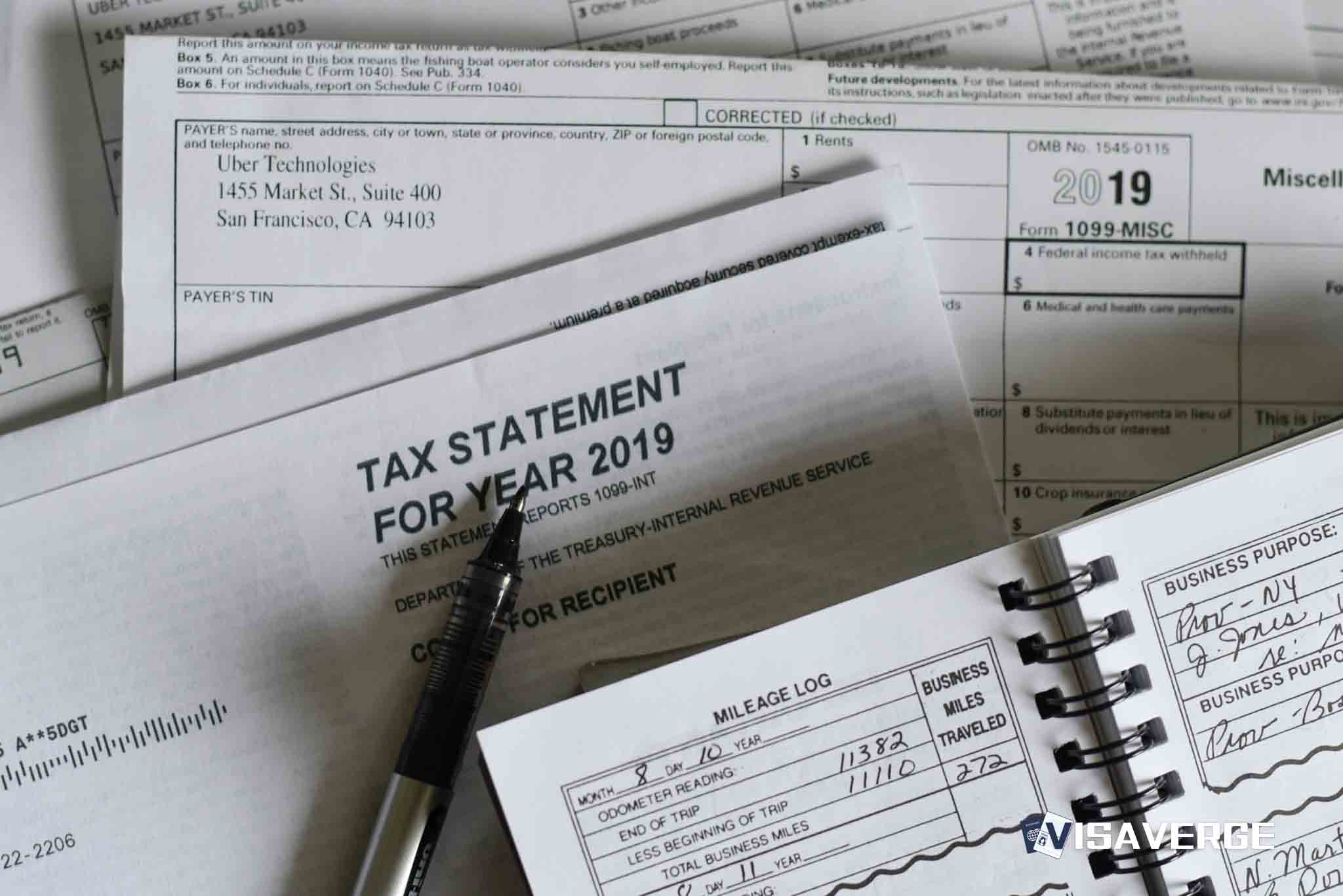
- Added specific fees and processing times: I-129 $460+$500 fraud fee, premium processing $2,805 (15 days), I-539 $370+$85
- Expanded step-by-step filing sequence with employer notification, LCA (FLAG portal), and common RFE/denial causes
- Updated official form editions and expiration (January 2025 editions expire 02/21/28)
An F2 dependent in the United States 🇺🇸 can move into A3 status only through a real job offer from an A1 or A2 diplomatic principal and a tight paper trail. In 2026, the practical timeline stays 4–8 months for change of status, and the most common failures come from missing employer notifications and Labor Condition details.

This switch matters because F2 visas don’t allow work, while A3 visas let you work legally for the diplomat who sponsors you. It also carries real risk: if the principal’s mission ends, State Department rules give you 30 days to depart unless you change status again.
Who this F2→A3 path fits
F2 visas cover the spouse and unmarried children under 21 of an F1 student who is in full-time study. The F2 status is tied to the F1’s I-20 end date and includes a 60-day grace period after completion.
F2 holders may study but cannot work, so an A3 offer is a meaningful opportunity. A3 visas are for attendants, servants, personal employees, or domestic workers of A1 diplomats or A2 foreign government officials. The A3 stay normally tracks the principal’s assignment, often 1–5 years.
VisaVerge.com reports that more than 1,200 A3 visas were issued in FY2025, up 8%, as diplomatic postings expanded after 2024 global summits.
Decide early: in-country vs consular route
You can change status either:
- Inside the United States — file a change-of-status and remain in the U.S. while
Form I-539is pending. Note: travel abandons the pending request. - Through a consulate — leave the U.S., obtain an A3 visa at a consulate, then re-enter.
The consular route often finishes in 2–4 months (2026 data) but adds the stress of a visa interview and timing your return. If you need work authorization quickly, the key is premium processing on the employer’s petition, not on your change-of-status form. As of October 2025, premium processing for the petition costs $2,805, and USCIS aims to act in 15 days.
| Country/Type | Visa Category | Processing Time |
|---|---|---|
| USA | Change of status (Form I-539) F2→A3 | 4–8 months |
| USA | Consular route — A3 visa issuance | 2–4 months |
| USA | Premium processing (I-129 petition) | 15 days |
| USA | LCA approval via DOL FLAG portal (if uncontested) | 7 days |
| USA | EAD for derivative spouse (Form I-765) | 3–5 months |
| USA | USCIS backlog examples (FY2025) | 6+ months |
Step-by-step filing sequence (with timeframes)
Keep your F2 status valid the entire time. USCIS reported a 15% rejection rate for Form I-539 in FY2025, often tied to basic filing gaps. A complete packet starts with an employer who already holds A1 or A2 status and agrees to the U.S. worker-protection rules for A3 employees.
Here’s the usual sequence, grouped into five actions:
- Lock in the job offer and contract
– The principal must offer at least a one-year contract and pay at or above the prevailing wage.
– The employer must notify the State Department Office of Protocol in writing before you start.
- Get the Labor Condition Application (LCA) cleared
– Employer files Form ETA-9035 through the DOL FLAG portal: FLAG portal
– The portal is free and electronic; approval often comes in 7 days if uncontested.
- Employer files
Form I-129with USCIS
– Petition must include the approved LCA, proof of the principal’s A1/A2 status, and your supporting documents.
– Fees: $460 plus a $500 fraud fee.
- You file
Form I-539to change status from F2 to A3
– Filing fee: $370, plus $85 for biometrics.
– USCIS processing averages 4–8 months.
- Wait for the I-797 notice and start work only after approval
– USCIS issues Form I-797 Notice of Action; your status changes on the approval date.
– FY2025 data shows 92% approval for complete A3 petitions.
What government offices review at each stage
Three agencies touch most F2-to-A3 filings:
- State Department
- Focuses on the relationship to the diplomat and the employer notification through the Office of Protocol.
- AILA reports 20% of denials trace back to incomplete or late notifications.
-
Department of Labor (DOL)
- Checks that wages and working conditions won’t undercut U.S. workers.
-
The guide notes 10% RFEs in 2025 tied to LCA issues.
-
USCIS
- Confirms eligibility, reviews
Form I-129, and decidesForm I-539change-of-status requests.
Ensure the contract, duties, and pay details match across every document. Mismatches are a common denial trigger.
Fees, documents, and everyday preparation
Important fees and timelines:
| Item | Fee | Typical processing |
|---|---|---|
Employer petition (Form I-129) |
$460 + $500 fraud fee | Varies; premium processing option |
| Premium processing (petition) | $2,805 | USCIS aims for 15 days |
Your change (Form I-539) |
$370 + $85 biometrics | 4–8 months (no premium) |
EAD for derivative spouse (Form I-765) |
$410 | 3–5 months processing |
Collect and keep copies of these documents before filing:
- Passport, visa, and I-94 record for every applicant.
- Proof of maintained F2 status, including the F1 principal’s school documents and your own history.
- Employment contract and duties statement signed by the A1/A2 principal.
- Approved LCA and a copy of the filed
Form ETA-9035.
If a spouse will also work after your A3 approval, they file Form I-765 for an EAD with a $410 fee and 3–5 months processing.
After approval: work, travel, and family implications
- A3 status authorizes work only for the sponsoring principal. Taking a second job will break status.
- A change of status inside the U.S. does not give you a fresh visa stamp. After approval, you normally need to visit a consulate to obtain an A3 visa for re-entry.
- CBP data in the guide shows 95% re-entry success when travelers carry proper documents, including proof of employment, a letter from the principal, and evidence of the principal’s A1/A2 assignment.
- Children in A3 derivative status retain K-12 public school access. State Department guidance: “Children of A-3 visa holders are entitled to all benefits of A status.”
Risk points that commonly end cases
- Timing is the biggest hidden risk: status depends on staying lawful while USCIS backlogs stretched 6+ months in FY2025.
- If the F1 principal falls out of status, your F2 status falls with it and an A3 filing cannot rescue an overstay.
- If the diplomat leaves the post or ends employment, 9 FAM 402.3-5(D) gives 30 days to depart. FY2025 enforcement required 150+ departures.
- Paperwork mistakes that frequently cause denials:
- Mismatched names
- Missing I-94 records
- Contracts that do not match the LCA wage and hours
Official forms and where to file
Use the editions listed on the USCIS and DOL pages. The guide points to the January 2025 editions that expire 02/21/28.
- Employer petition: Form I-129
- Change of status: Form I-539
- Derivative spouse EAD: Form I-765
- LCA filing and status tools: DOL FLAG portal
Managing expectations while you wait
Backlogs eased slightly after 2024 staffing boosts, but many F2-to-A3 change-of-status cases remain in the 4–8 month range. During that time:
- Keep your address updated with USCIS.
- Attend biometrics when scheduled.
- Respond quickly to RFEs — agencies treat silence as abandonment.
The reward is real: work authorization that F2 visas do not provide. However, maintain backup plans (for example, timely change to B-2) before an A3 assignment ends, because the 30-day exit window and administrative enforcement remain real constraints.
This guide outlines the transition from F2 dependent status to A3 diplomatic employee status. It details the 2026 processing timelines, necessary forms like the I-129 and I-539, and the critical role of the Department of Labor. Key highlights include the ability to work legally for diplomats, the importance of maintaining status during the 4–8 month processing window, and risks associated with diplomatic mission endings.