- The IRS can deduct 15 percent from monthly Social Security payments for delinquent federal tax debts.
- Taxpayers must receive a final notice of intent and have the right to a hearing before levies.
- New benefit overpayments are subject to 100 percent withholding of tax refunds or monthly checks.
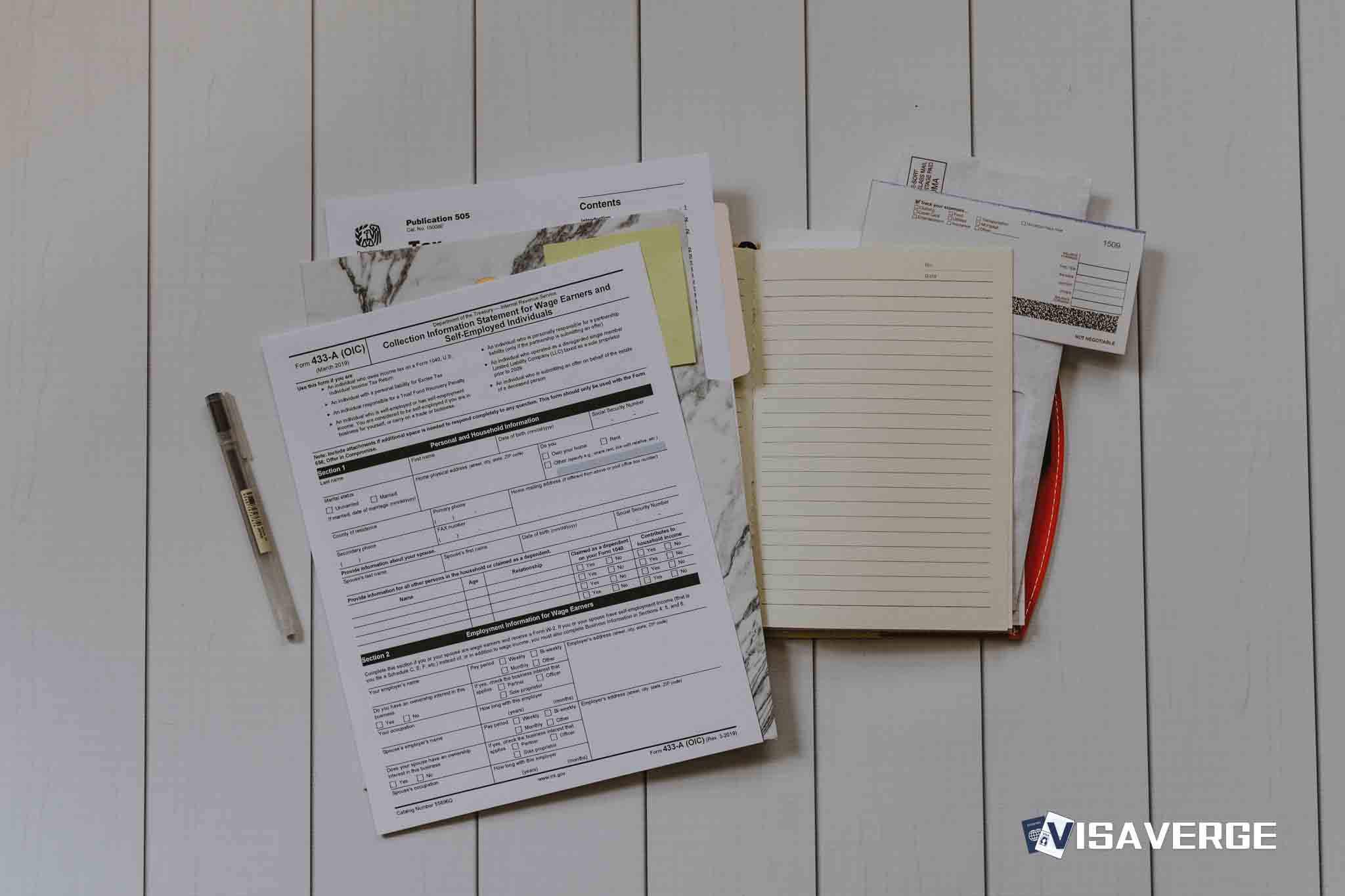
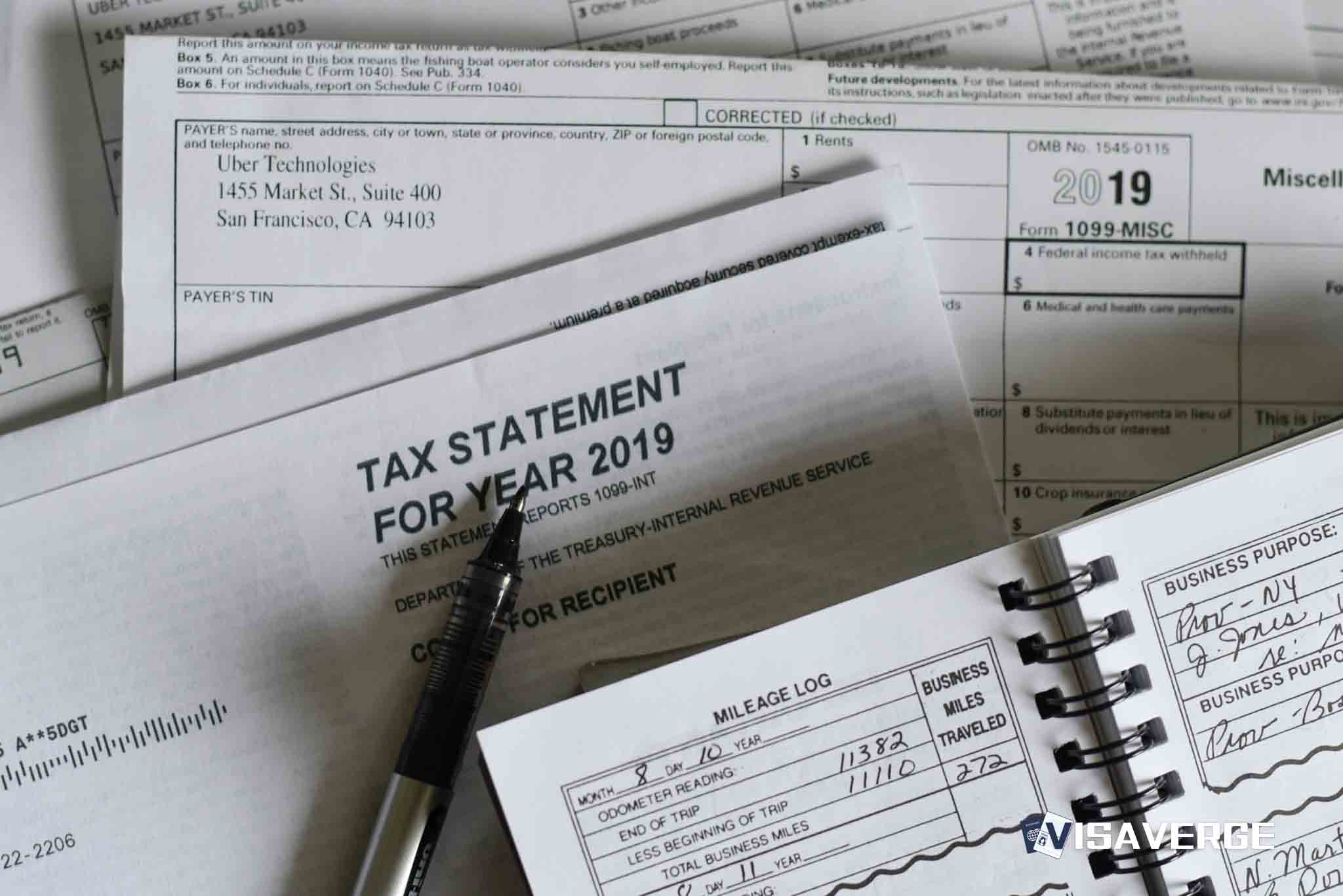
The IRS can deduct 15% from monthly Social Security Title II payments when a person owes delinquent federal taxes. The reduction does not start automatically.
The agency must first send a “Final Notice of Intent to Levy and Your Right to a Hearing.” That notice gives the recipient an opportunity to challenge the levy before deductions begin.
Free toolSubstantial Presence Test Calculator
The collection operates through the Federal Payment Levy Program, or FPLP. Under the program, the IRS can take 15% of a monthly payment until the eligible tax debt is resolved.
A second federal system handles a broader range of debts. The Bureau of the Fiscal Service operates the Treasury Offset Program, which can intercept tax refunds and other federal payments for delinquent taxes, student loans, child support and other government obligations.
The two systems do not impose the same withholding limit. A tax levy generally involves 15% of the monthly Title II payment, while a separate rule covers debts created by benefit overpayments.
Nearly 40% of seniors rely on these payments as their primary income. A monthly reduction can therefore affect money used for basic expenses, including food, housing and utilities.
Tax levies and benefit overpayments use separate collection rules
The Social Security Administration returned to 100% withholding for new benefit overpayments on March 27, 2025. Under that policy, the agency can take an individual’s entire tax refund or monthly check until the overpayment debt is satisfied.
That rule concerns money the agency says it paid in error. It is distinct from the IRS process for collecting unpaid federal tax debts.
| Debt or payment issue | Collection system | Withholding described in the material |
|---|---|---|
| Delinquent federal taxes | IRS Federal Payment Levy Program | 15% of monthly Title II payments |
| Other delinquent government debts | Treasury Offset Program | Federal payments, including tax refunds and payments |
| New benefit overpayments | Social Security Administration | 100% of an individual’s tax refund or monthly check |
The Treasury Offset Program covers more than tax liabilities. The Bureau of the Fiscal Service uses it to recover several categories of money owed to the federal government.
Unpaid tax debts can create immigration complications
Noncitizens can face an additional review when they seek adjustment of status. USCIS treats tax delinquency as a “negative discretionary factor” in Green Card applications, under a May 22, 2026, memorandum identified as PM-602-0199.
The memo says unresolved tax issues can contribute to residency denials based on a lack of “good moral character.” The question can therefore reach beyond the monthly payment itself.
USCIS issued updated guidance on the Public Charge ground of inadmissibility on August 18, 2026. The guidance takes effect Sept. 18, 2026.
It says that “receipt of any means-tested public benefit may be considered” and advises immigration applicants to “not depend on taxpayer-funded benefits.”
USCIS spokesperson Zach Kahler connected the administration’s approach to taxpayer protection in a July 16, 2026, statement:
“The Trump administration is upholding the rule of law and protecting American taxpayers from subsidizing aliens who may become dependent on public benefits. USCIS is committed to safeguarding the safety, security, and financial well-being of Americans.”
The USCIS Newsroom provides the agency’s public announcements. The Social Security Administration press office publishes updates from the benefits agency.
Collection powers are part of a broader federal benefits policy
Frank Bisignano serves as both Commissioner of the SSA and CEO of the IRS. The arrangement supports coordination between the two agencies in identifying beneficiaries with delinquent tax debts.
Federal officials have described the wider strategy using the terms “self-sufficiency” and “fiscal integrity.” A presidential message issued August 14, 2026, placed Social Security enforcement within that broader approach:
“These benefits belong to the American citizens who earned them. my Administration will never allow criminal illegal aliens and fraudsters to raid a system they never paid into. we are restoring integrity to Social Security and safeguarding every last dollar for the hardworking Americans who fund it.”
The One Big Beautiful Bill Act, passed in 2025, created a $6,000 “senior bonus deduction” intended to offset the taxation of benefits. For tax year 2025, filed in 2026, the measure also figures in the financing outlook for the program.
The legislation contributed to a revised trust fund depletion date of 2032, because of reduced tax revenue. That projection concerns the system’s finances, not the percentage applied to an individual levy.
Recipients seeking to stop a levy can pay the debt in full or sign an Installment Payment Plan. They can also try to show that the deduction creates “extreme economic hardship” by preventing payment of basic living expenses.
The IRS notice remains the first formal step before a tax levy begins. A recipient who receives it can use the hearing process described in the notice.
This article is for informational purposes only and does not constitute tax advice. Consult a qualified tax professional or CPA about your specific situation.