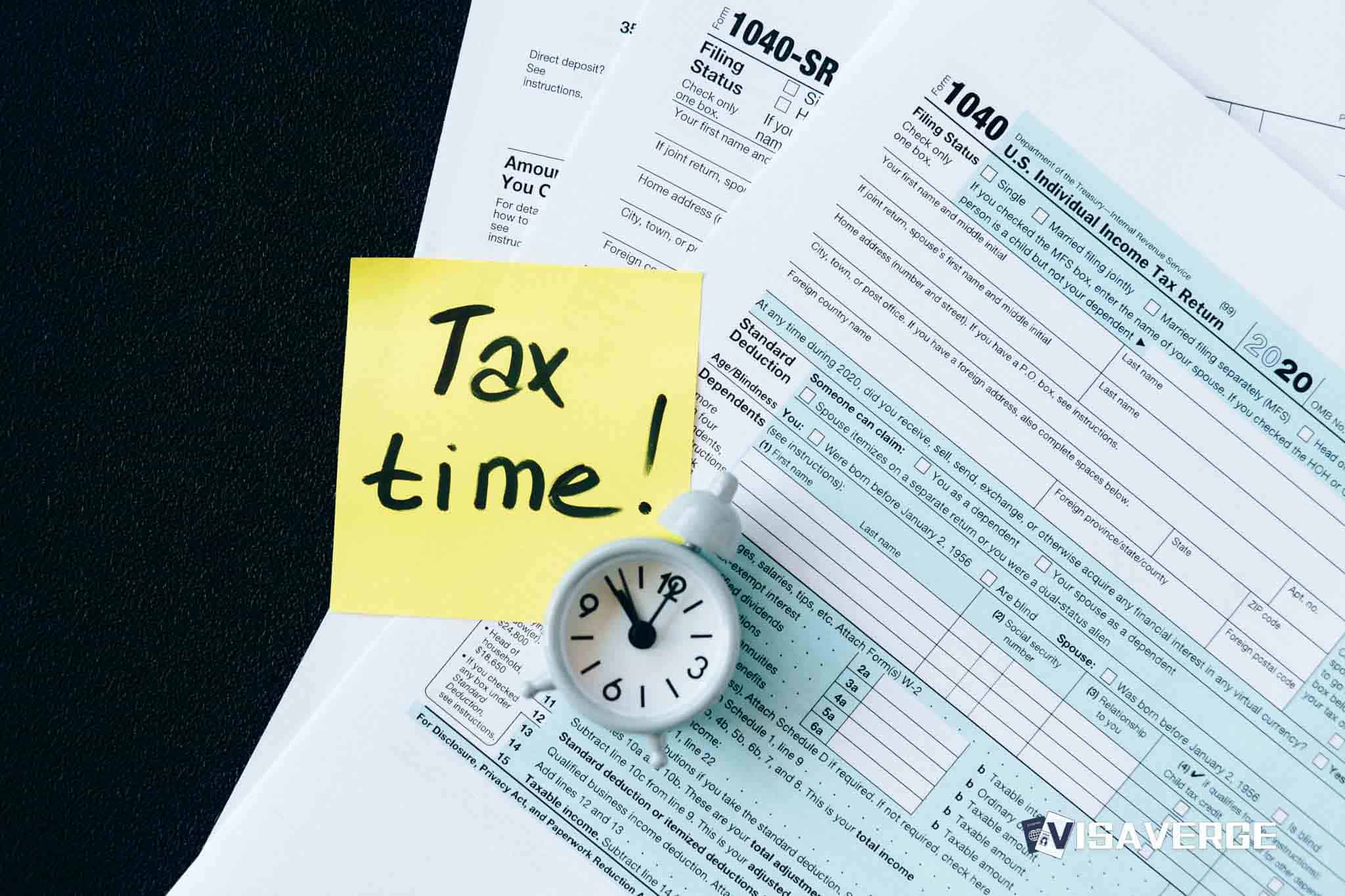
- Kansas City Public Schools warns that Missouri Amendment 5 could destabilize state-wide public education funding.
- The proposed measure aims to gradually eliminate income tax, Missouri’s largest source of general state revenue.
- The district recently approved five percent staff raises, increasing financial pressure amid potential revenue contractions.
(KANSAS CITY, MISSOURI) Kansas City Public Schools is warning that a proposed Missouri income tax repeal could destabilize school funding across the state. District officials cite newly approved staff raises as evidence that stable revenue matters now more than ever.
The KCPS board has raised alarms about Missouri Amendment 5, a ballot measure that would gradually eliminate the state individual income tax. The amendment would phase out the tax over several years and replace it with a different tax mix. The specific replacement structure remains undefined in the ballot language.

Missouri’s individual income tax currently represents the largest single source of state general revenue. Public school funding depends on this stream through the state foundation formula, which distributes money to districts based on enrollment and local tax effort. When collections decline, the formula allocates less to districts.
Free toolSubstantial Presence Test CalculatorKCPS receives a substantial share of its operating budget from state aid tied to this formula. The district’s leadership has argued that eliminating the income tax without a guaranteed replacement would force cuts to programs, staffing, and services across Kansas City-area schools.
The timing sharpens the district’s concerns. On June 15, 2026, KCPS announced that base teacher pay would increase by 5%. One week later, on June 22, 2026, the board approved a 5% raise for teachers, counselors, nurses, and all other staff. These wage commitments lock the district into higher recurring costs as state revenue could contract.
Immigrant workers in Missouri face separate considerations. H-1B, L-1, O-1, and TN visa holders pay Missouri income tax on wages earned locally. F-1 and J-1 visa holders may qualify for treaty-based exemptions depending on their country of origin. Federal tax obligations remain unchanged regardless of the amendment’s outcome.
IRS Publication 17 covers general federal filing requirements. IRS Publication 519 addresses residency determination for international taxpayers, including the substantial presence test and green card test. Neither publication addresses state-level tax, which each state’s revenue department governs separately.
For tax year 2026 (returns filed in 2027), Missouri residents currently pay a state individual income tax based on income brackets set by the Missouri Department of Revenue. If Amendment 5 passes, that rate would decrease on a predetermined schedule until reaching zero, though the specific timeline has not been finalized.
| Tax Obligation | Affected by Amendment 5? | Notes |
|---|---|---|
| Missouri individual income tax | Yes | Phased out gradually |
| Federal income tax | No | File Form 1040 as usual |
| Missouri property tax | Potentially | Could rise to offset lost revenue |
| Federal Schedule A deduction | Yes | State income tax currently deductible |
⚠️ Warning: Missouri Amendment 5 would not eliminate federal income tax obligations. All residents, including visa holders, must continue filing federal returns using Form 1040.
The financial risks extend beyond KCPS. Districts statewide could face budget cuts if replacement revenue falls short. Staffing pressure would follow, particularly in districts with high turnover. Program reductions in arts, athletics, and advanced coursework represent another likely consequence.
Supporters argue that eliminating the income tax would attract businesses and residents to Missouri, expanding the tax base. No independent fiscal analysis has confirmed this projection. Opponents warn that public education could lose a major funding stream, with campaign messaging stating school funding would be put “in jeopardy.”
The KCPS board has not released a specific dollar estimate of potential losses. Statewide projections from amendment opponents suggest public education could lose hundreds of millions annually once the phase-out completes. No official legislative fiscal note has confirmed this figure.
Missouri voters will decide Amendment 5 at the polls. The exact election date depends on certification by the Secretary of State’s office, which has not yet confirmed whether the measure will appear on the November 2026 general election ballot or a subsequent special election.
📅 Deadline Alert: Missouri residents should monitor the November 2026 election calendar for Amendment 5 ballot placement. If passed, the phase-out schedule would likely begin in the 2027 tax year.
Taxpayers who itemize deductions on federal returns should note that state income tax is currently deductible on Schedule A.