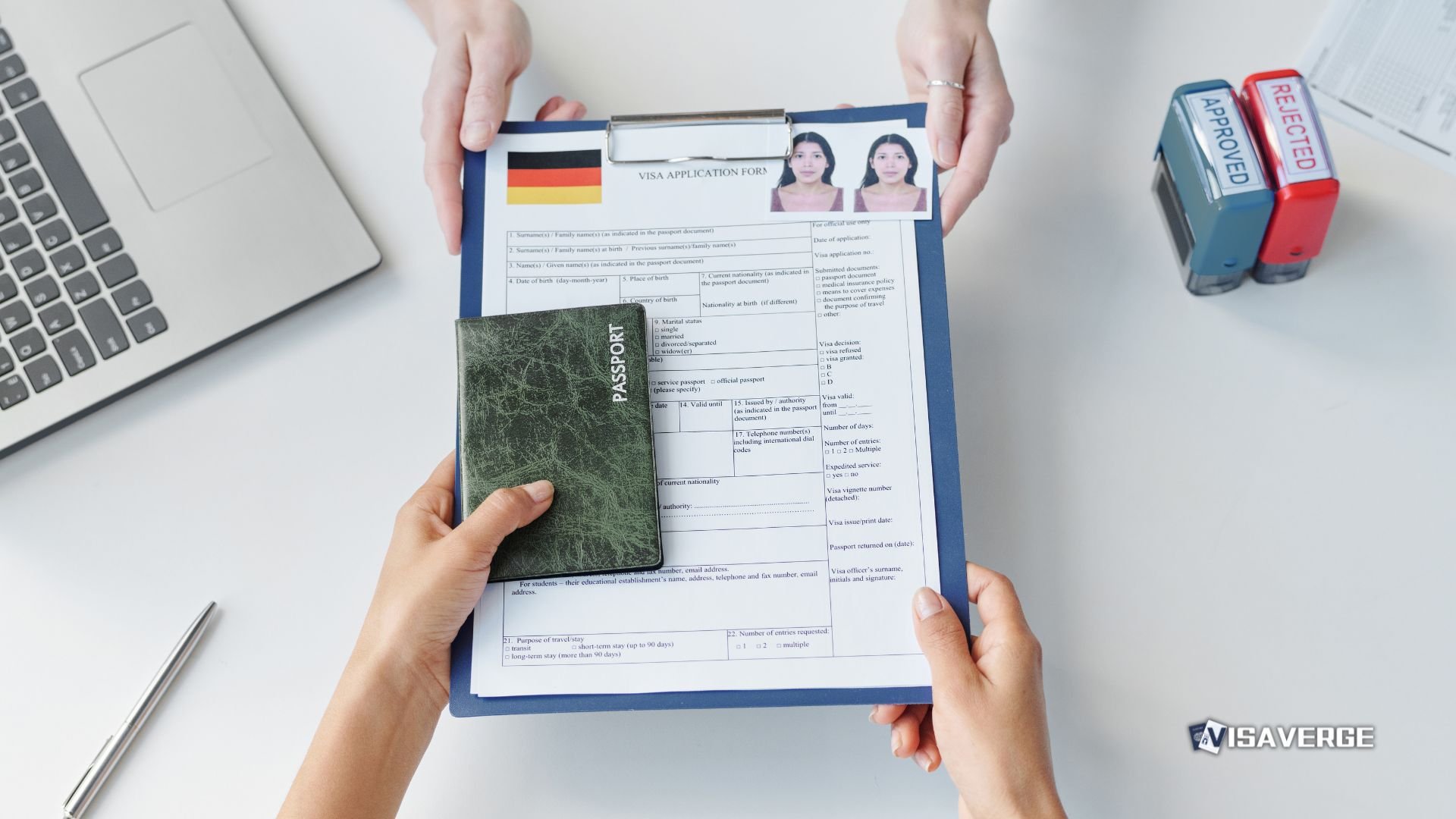
- Denmark introduces a specific work exemption for international event teams delivering large-scale indoor events.
- Unlike Dubai’s residency, Denmark’s rule is for short-term service providers rather than remote workers.
- Mandatory pre-work notification (RUT) is required before any event-related work begins on Danish soil.
(DENMARK) — Denmark just drew a sharp line between digital nomad visas and a work permit exemption built for fast, high-pressure event deployments, and that difference matters if your “remote work” is actually a badge, a headset, and a show-call.
The key differentiator is simple: Denmark’s new rule is not a remote-work residency program. It is a narrow exemption for a permanent international event team delivering a large-scale, closed indoor event on Danish soil. By contrast, Dubai’s Virtual Working Program is a classic one-year “live here, work for abroad” setup. New Zealand sits in a third lane, with strong lifestyle appeal but no dedicated digital nomad visa, so most people rely on visitor rules or standard work visas.
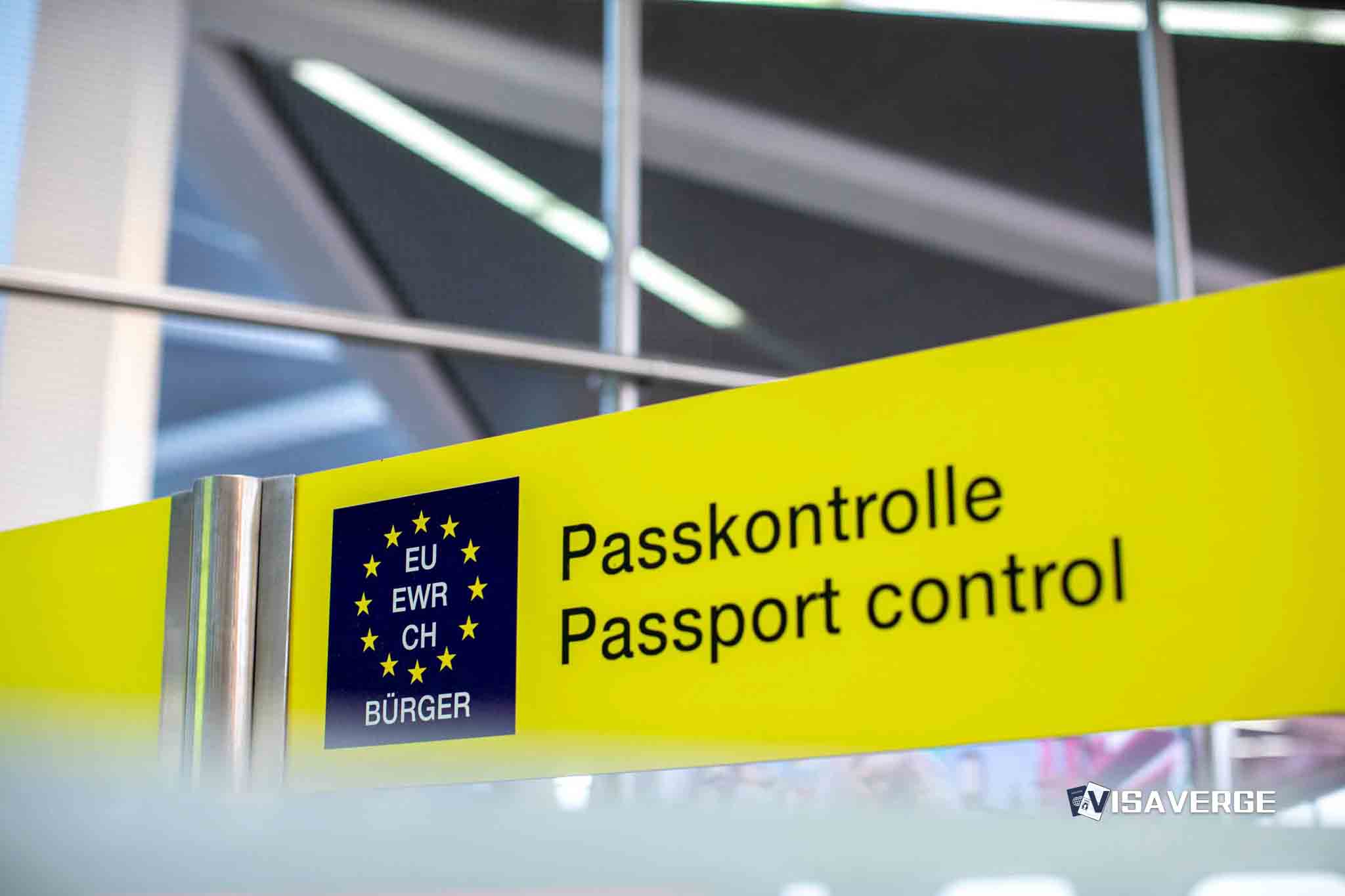
Denmark vs Dubai vs New Zealand: side-by-side comparison
| Factor | Denmark (Event Work Exemption) | Dubai, UAE (Virtual Working Program) | New Zealand (Visitor + Standard Visas) |
|---|---|---|---|
| Best described as | Short-stay service-provider work permission for event delivery | 1-year remote work residency | Tourism-first entry; remote work depends on activity and visa |
| Duration | Short, per event, measured in working days | 12 months, renewable (program-dependent) | Visitor stays commonly up to 90 days for many nationalities (varies), longer via visitor visas |
| Income requirement | No stated minimum income for the exemption itself | $5,000/month (approx. AED 18,365/month) | No nomad threshold; visitor visas can require proof of funds (case-by-case) |
| Tax status (high level) | Usually short enough to avoid residency, but facts matter | No personal income tax in UAE (many cases) | Potential tax residency if you stay long enough or meet tests |
| Cost of living (major hub) | Copenhagen: high | Dubai: medium-high | Auckland: high; smaller towns vary |
| Internet speed (typical in hubs) | 100–300 Mbps common in cities | 200–500 Mbps common in many areas | 100–300 Mbps common in cities |
| Processing time | No permit filing, but pre-work notification is required | Often 2–6 weeks | Visitor approvals vary widely by nationality and season |
| Difficulty | Low paperwork, strict conditions | Medium paperwork, predictable | Low for short visits, higher for work pathways |
🌍 Visa Highlight: Denmark’s rule is built for an international event team doing on-site delivery. It’s not a “remote-work-from-Copenhagen” visa.
1) Denmark’s exemption: what it is, and why event teams care
Denmark introduced a targeted exemption so certain third-country nationals can do short, defined event work without a Danish residence or work permit. Think: build days, show days, and strike. It is designed for high-intensity assignments where flying in specialist crew is normal.
This matters because Denmark has seen real compliance friction at conferences. The rule gives clearer permission for qualifying teams, as long as the conditions are met. It does not replace normal border rules for entering the Schengen Area.
2) Eligibility: who qualifies (and who does not)
This exemption is role-based and tied to the employer relationship. Eligible people are typically permanent members of an international event team. In practice, that can include operations leads, technical crew, producers, planners, exhibitor support, and comms staff.
A “service provider” here usually means a person sent by a foreign host, organizer, or supplier to deliver a defined service in Denmark. The employer must generally be established outside Denmark. Freelancers can still fit, when they are contracted by a foreign host or supplier.
The event itself must be a large-scale, closed indoor event. “Closed” usually means attendance is controlled. People register, receive invitations, or otherwise cannot just walk in off the street.
Entry permission and work permission are separate. You still need sufficient Schengen allowance, either visa-free days or a valid Schengen visa. The exemption only addresses Danish work authorization.
One operational requirement is mandatory: you must file a pre-work notification to Denmark’s Register of Foreign Service Providers (RUT) before work begins. If you miss a condition, you can fall back into standard work-permit rules.
3) Scope: what counts as a qualifying event, and who is “working”
Qualifying events often look like trade fairs, conferences, and major company events held indoors. The “large-scale” element is tied to a minimum participant threshold in the rules. In practice, think several hundred registered or invited participants.
Organizers can typically document “closed” and scale with practical evidence. Examples include registration lists, invitation records, exhibitor lists, and event credential logs.
A helpful distinction: attendees are not ‘working’ simply by attending. If you fly in to sit in sessions and network, you usually are not providing labor in Denmark. The exemption is for people delivering the event as staff or suppliers.
4) Official grounding and compliance steps: SIRI, nyidanmark.dk, and RUT
For the official framework, Denmark points to the Danish Agency for International Recruitment and Integration (SIRI). The reference hub is nyidanmark.dk, where SIRI describes exemptions and work authorization pathways.
This exemption sits under “service provider” rules, not general long-stay work permits. That matters when you describe your activity. “I’m here to deliver an event for a foreign organizer” is different from “I’m taking a Danish job.”
There are also related business traveler provisions that can cover certain preparatory tasks for organizers, such as tender work and contracting. Those rules are activity-specific. Match the rule to the task list.
RUT is the practical compliance step. Someone must submit the notification before work starts. It is often the foreign employer, but teams should confirm who files it. If you arrive on-site without a valid submission, you are exposed.
📋 Pro Tip: Put RUT submission in your show timeline next to freight deadlines and crew manifests. Treat it like a critical path item.
5) Limitations: what Denmark’s exemption does *not* do
This is aimed at third-country nationals. EU/EEA/Swiss nationals generally have different work rights in Denmark, though they may still face registration steps.
It is not a pathway to permanent residence. It is not built for long-term stays. It is not meant for “moving to Copenhagen for a year.”
It also cannot be used to stretch beyond the rule’s time limits per event. If your engagement becomes longer, you usually need a different status or a standard permit route.
6) Practical implications for production managers and event suppliers
Denmark’s goal is to reduce uncertainty for legitimate international teams, while still drawing a firm compliance line. Past enforcement cases made crews nervous, especially for conference delivery and technical work.
For planning, it pushes you to define roles clearly. “Technician” and “producer” are easier to justify than vague titles. It also pushes better day-count discipline across setup, event days, and teardown.
Finally, it rewards clean contracting. Your paperwork should show you are dispatched by a foreign host or supplier for a defined event scope, inside a defined window.
⚠️ Tax Disclaimer: Tax obligations for digital nomads are complex and depend on your citizenship, tax residency, and the countries involved. This article provides general information only. Consult a qualified international tax professional before making decisions that affect your tax status.
How Dubai compares: the opposite of Denmark’s short-stay model
Dubai’s Virtual Working Program is designed for people who want a stable base with year-long validity. You typically prove a minimum monthly income, show employment or company ownership, and carry health insurance.
The upside is lifestyle stability. You can rent normally, join coworking spaces, and build routine. The trade-off is paperwork and higher fixed costs than many budget nomad hubs.
⏰ Time Zone: Dubai runs on UTC+4, which is friendly for Europe and manageable for Asia. It can be rough for U.S. West Coast calls.
How New Zealand compares: amazing lifestyle, but not a nomad-visa machine
New Zealand is attractive for nature, safety, and English-speaking ease. For many travelers, entry starts as a visitor. Remote work is a gray area if it looks like you are entering the local labor market.
If you need certainty for work on the ground, New Zealand typically expects you to use standard work visa pathways. That process can be heavier, but it is clearer once approved.
For nomads, NZ often works best as a shorter “life break” stop, unless you qualify for a longer visa category.
Cost of living snapshot (one-month, solo nomad)
Approximate ranges for major hubs, converted to USD for comparison. Actual rent swings hard by season and neighborhood.
| Expense | Budget | Comfortable | Premium |
|---|---|---|---|
| Rent (1BR) | $1,300 | $2,200 | $3,800 |
| Coworking | $150 | $250 | $450 |
| Food | $450 | $750 | $1,200 |
| Transport | $90 | $160 | $300 |
| Health Insurance | $120 | $250 | $500 |
| Entertainment | $200 | $400 | $800 |
| Total | $2,310 | $4,010 | $7,050 |
Use that as a “Copenhagen/Dubai/Auckland big-city” reality check. Copenhagen and Auckland tend to push rent higher. Dubai can push premiums on lifestyle.
Use-case winners
| Category | Top Choice | Why |
|---|---|---|
| Best for budget | New Zealand (short stays) | You can control spend by choosing smaller towns and shorter visits |
| Best for EU access | Denmark (for event deployments) | Schengen entry plus clear short-stay event work permission, if you qualify |
| Best for families | Dubai | Predictable year-long status, housing options, and modern infrastructure |
⚠️ Tax Warning: Working remotely from another country creates complex tax obligations. A digital nomad visa does NOT automatically exempt you from taxes in your home country or host country. U.S. citizens are taxed on worldwide income regardless of where they live. Consult an international tax professional before relocating.
Choose Denmark if…
Choose Denmark if you are flying in as an international event team member for a large-scale, closed indoor event, and your work is confined to a short event window. Start planning at least 4–6 weeks out. Confirm Schengen entry rules for your nationality, align your role description with the exemption, and ensure the RUT notification is submitted before the first workday. Keep contracts, schedules, and crew lists in a single travel folder.
Choose Dubai if…
Choose Dubai if you want a one-year base with clear permission to live locally while working for a foreign employer. Start the application 6–10 weeks before arrival. Prepare proof of income meeting the threshold, employment or company documents, health insurance, and bank statements. Plan housing around commute times and coworking access, not just rent deals.
Choose New Zealand if…
Choose New Zealand if you want an English-speaking stop with epic outdoors and you can keep your stay short and simple. Start checking rules 8–12 weeks ahead, because processing varies. Carry onward travel proof, evidence of funds, and a clear explanation that your income source is offshore. If you need on-the-ground work rights, shift early into the correct New Zealand work visa path via the official immigration website.
Next steps this week: confirm your intended activities in writing, map your day-by-day presence (including setup and teardown), and save screenshots or PDFs of the relevant pages on nyidanmark.dk, the official UAE government portal for residency entry points, and Immigration New Zealand’s official guidance. For community intel, Nomad List is useful for city costs and internet expectations, and SafetyWing is a common baseline for travel medical coverage for mobile workers.