(INDIA) — The US Embassy in United States issued a cautionary advisory on Wednesday warning international students that breaking US laws can lead to a student visa being revoked, being deported, and becoming ineligible for future US visas.
“Breaking U.S. laws can have serious consequences for your student visa. If you are arrested or violate any laws, your visa may be revoked, you may be deported, and you could be ineligible for future U.S. visas. Follow the rules and don’t jeopardize your travel. A U.S. visa is a privilege, not a right,”
The embassy wrote in a post on X, formerly Twitter.
The advisory told students that entry to the United States depends on ongoing compliance with US laws and regulations even after a visa is issued.
US officials framed the message as a warning to students heading to the United States for higher education, as enforcement and monitoring of legal status increases.
The embassy’s advisory highlighted that consequences can follow even minor infractions, including arrests, criminal offenses and violations of visa conditions such as falling out of status or overstaying.
It also warned against unauthorized activities that could prompt immediate action by US authorities, including visa cancellation and deportation.
The cautionary message came as US authorities expand identity and travel tracking for non-US citizens, including green card holders.
Mandatory biometric screening began December 26, 2025, requiring photos at all entry and exit points—airports, land borders and seaports—for all non-US citizens, including children under 14 and adults over 79.
The system is intended to track identities and departures and to address visa overstays, according to the broader context cited alongside the embassy’s advisory.
University international student offices have also reinforced that legal violations can create immediate immigration risks for students in the United States, including termination of their SEVIS records.
Those offices have warned that serious crimes, including felonies such as aggravated assault, illegal firearms possession and drug offenses, can lead to SEVIS record termination, visa revocation and deportation risks.
Some university guidance has also cautioned that involvement in political protests can trigger immigration consequences for students, including visa problems and possible removal, within the same broader set of warnings.
In one example cited from spring 2025, the Department of Homeland Security terminated SEVIS records for F-1 students nationwide during March-April, including 23 at UC Davis.
Those SEVIS records were later restored by April 26, 2025, according to the same cited account.
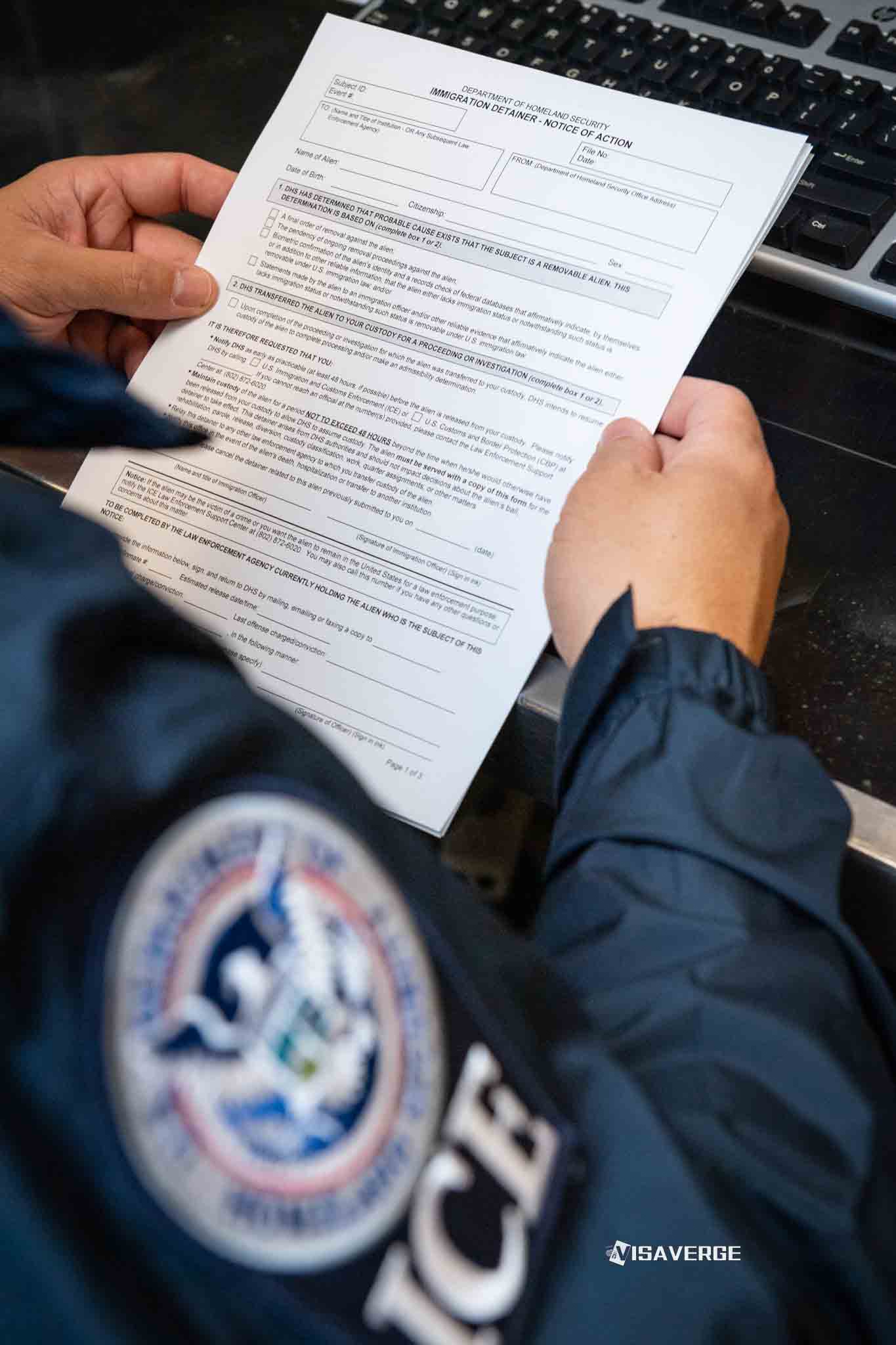
Immigration and Customs Enforcement indicated future guidelines for terminations based on “serious infractions of the law,” advising consultation with immigration attorneys.
A SEVIS termination does not mandate instant departure, and students have been urged to seek legal advice before deciding what steps to take.
The embassy advisory and campus guidance have also emphasized that a visa’s validity does not guarantee re-entry if a student falls out of compliance.
For students who travel, the warnings intersect with US entry restrictions issued under Presidential Proclamations 10949 and 10998.
Presidential Proclamation 10949 is dated June 4, 2025, while Presidential Proclamation 10998 is dated December 16, 2025 and took effect January 1, 2026, 12:01 a.m. EST.
Under those proclamations, students from countries subject to entry bans face limits on returning to the United States, with full restrictions for 19 countries, including Afghanistan, Iran and Haiti, and partial restrictions for others.
Students already in the United States with valid visas are described as unaffected by the bans, but have been cautioned against travel without re-entry visas.
The embassy’s message tied its warning to a broader compliance framework, stressing that access to the United States depends on continuing to follow the rules after arrival.
By stating that “a U.S. visa is a privilege, not a right,” the advisory underlined that the government can revisit visa status when students are arrested or otherwise violate laws.
In practical terms, the guidance has urged students to maintain valid documentation, adhere to visa terms, and avoid any legal violations to preserve their status.
Universities have also described their limits in helping students navigate enforcement actions, saying they monitor updates but do not provide legal advice and instead connect students to attorneys.
UC Davis listed a contact email for its student office, [email protected], as part of the practical guidance cited alongside the embassy warning.
The University of Washington was also cited as monitoring updates while not offering legal advice, with referrals to attorneys for students who need counsel.
The embassy advisory aligns with executive actions described as stepping up enforcement, with priorities that include national security and public safety.
For many international students, the immediate takeaway is the embassy’s blunt warning that even an arrest can have immigration consequences beyond the criminal process.
“If you are arrested or violate any laws, your visa may be revoked, you may be deported, and you could be ineligible for future U.S. visas,”
the embassy wrote.
The US Embassy’s latest advisory warns international students that legal compliance is mandatory for maintaining visa status. Arrests or violations can lead to deportation and permanent ineligibility for future visas. With new biometric tracking systems in place at borders since December 2025, authorities are increasing monitoring of non-citizens. Universities emphasize that maintaining SEVIS records is critical, as criminal offenses or unauthorized activities can trigger immediate termination and legal complications.