(UNITED STATES) — International travelers, including H‑1B workers and their employers, should prepare for a new normal of biometric checks, enhanced data use, and expanded screening at U.S. ports of entry that could affect status verification and travel timelines.
Airports have become a more technology-driven checkpoint than many travelers remember. For H‑1B workers in particular, airport screening is no longer just a quick passport scan and a few questions. It can include facial biometrics tied to government systems, closer review of work-related documents, and more frequent referrals to secondary inspection when anything looks inconsistent.
What changed, in plain terms
CBP officers have always had authority to inspect travelers seeking admission. The shift is that identity checks and risk reviews are increasingly backed by large datasets and biometric matching, including at departure.
A central policy change took effect on December 26, 2025, when DHS implemented the Final Rule, “Collection of Biometric Data from Aliens Upon Entry to and Departure from the United States.” It mandates facial biometric collection for all non-citizens, including groups previously exempt in many settings, such as Lawful Permanent Residents, children under 14, and seniors over 79.
Acting Executive Assistant Commissioner Diane J. Sabatino described the intent in a CBP statement:
“This final rule marks a major milestone towards our efforts to successfully implement the Biometric Entry/Exit mandate and strengthen the security of the United States. With increased funding to support this critical mission, we will continue to expand facial biometrics and advanced technology for identity verification to further secure and innovate the entry/exit process at air, land, and sea.”
⚠️ Be aware that biometric data collection is expanding to new groups; ensure privacy considerations and understand your rights to speak with a supervisor or counsel in complex situations.
What H‑1B workers should expect at U.S. airports
CBP’s initial interaction is often called primary inspection. It is the first check of your identity, admissibility, and documents. Many travelers pass in minutes.
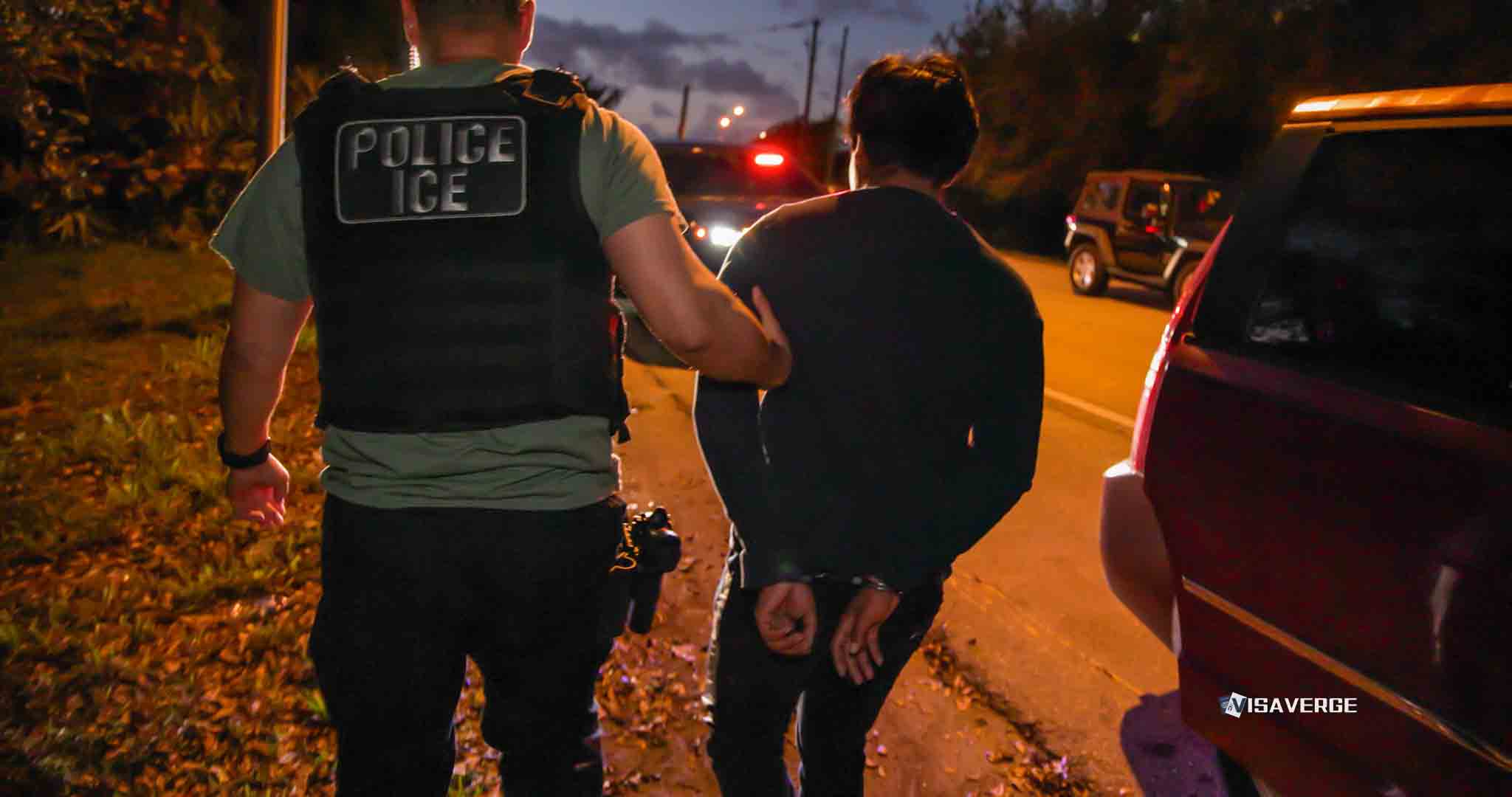
Secondary inspection is different. It is a separate area where CBP can take more time to verify facts or resolve questions. Secondary inspection can be routine, but it can still disrupt tight travel plans.
For H‑1B workers, common lines of questioning and inspection may focus on:
– Whether the traveler is returning to the same employer and role described in the H‑1B petition
– Where the work will be performed, especially if the worksite location changed
– Whether the traveler can show consistent documentation for employment and status
– Whether travel patterns or past entries raise questions that require verification
Even small inconsistencies may trigger secondary inspection. Examples include a worksite location that differs from what a traveler states, missing supporting paperwork, or confusing timelines in travel history.
In many cases, issues are resolved at the airport. Still, case reports have described H‑1B travelers facing surprise visa cancellations at entry points due to administrative errors or officer discretion. That risk is one reason employers often treat international travel planning as part of compliance.
What travelers can expect at the airport
CBP will typically:
– Verify your passport, visa, and supporting documents
– Ask direct questions about your trip, your plans, and your admissibility
– Collect biometrics, commonly a photo and sometimes fingerprints
– Refer you to secondary inspection for added questioning and inspection, if needed
Technology is now a bigger part of the process. Facial scans at many airports are supported by TVS (Traveler Verification Service), a cloud-based backend used for identity matching.
Secondary inspection may also include review of luggage and, in some cases, electronic devices. The decision can depend on the officer’s assessment and the facts of the situation.
Table 1: Groups affected by enhanced airport screening and new requirements
| Group | New Requirements & Scrutiny | Related Policy/Date |
|---|---|---|
| H‑1B workers and H‑4 applicants | Expanded social media vetting for applicants; closer questioning and inspection at entry about job role, employer, and documentation | December 15, 2025 (social media vetting expansion) |
| All non-citizens (including Lawful Permanent Residents) | Mandatory facial biometrics at entry and departure; broader collection across ages previously exempt in many settings | DHS biometrics Final Rule, December 26, 2025 |
| Travelers tied to “high-risk” nationality reviews | More detailed questioning and inspection, plus repeated biometric checks connected to benefit application re-review | USCIS Policy Memorandum PM-602-0192, December 2, 2025 |
| Travelers affected by expanded entry restrictions | Higher scrutiny at ports of entry and possible inability to board or be admitted, depending on facts and classification | Proclamation effective January 1, 2026 (restrictions expanded to 39 countries) |
⚠️ Be aware that biometric data collection is expanding to new groups; ensure privacy considerations and understand your rights to speak with a supervisor or counsel in complex situations.
Official facts and statistics: how common is secondary inspection?
Numbers help set expectations. Secondary inspection is not rare, even if it feels stressful in the moment.
Table 2: Key statistics on screening and device searches
| Metric | Value | Year |
|---|---|---|
| Travelers processed by CBP | 419,000,000 travelers | FY 2025 |
| Referred to secondary inspection | 11,612,366 (3%) | FY 2025 |
| Travelers whose devices were searched | 55,318 devices searched | FY 2025 |
Device searches remain a small fraction of overall arrivals. Still, the possibility shapes what many travelers carry and how they prepare.
Extra scrutiny factors that can affect H‑1B re‑entry
Three developments are shaping questioning and inspection for work-authorized travelers.
1) Biometrics expanded at entry and exit (effective December 26, 2025).
A photo at the airport is increasingly more than a picture. It can be a biometric match event, recorded at entry and departure, and supported by TVS.
2) More social media screening during the visa process (as of December 15, 2025).
The Department of State expanded social media screening for H‑1B and H‑4 applicants. That change sits upstream of the airport, but it can affect what is in government records when you arrive.
3) USCIS re‑review rules for certain nationalities (PM‑602‑0192, December 2, 2025).
USCIS Policy Memorandum PM‑602‑0192 requires a “comprehensive re‑review” of benefit applications filed by people from certain countries who entered on or after January 20, 2021. Travelers who fall into that category may face more detailed airport questions tied to verification.
Separately, entry restrictions expanded on January 1, 2026, to 39 countries, including 12 countries with full suspensions and 13 countries with partial bans. Affected travelers should confirm how the proclamation applies to their specific situation before travel.
Practical travel planning: reduce avoidable delays
Preparation cannot prevent every referral. It can reduce confusion that leads to longer waits.
For H‑1B workers, consider carrying:
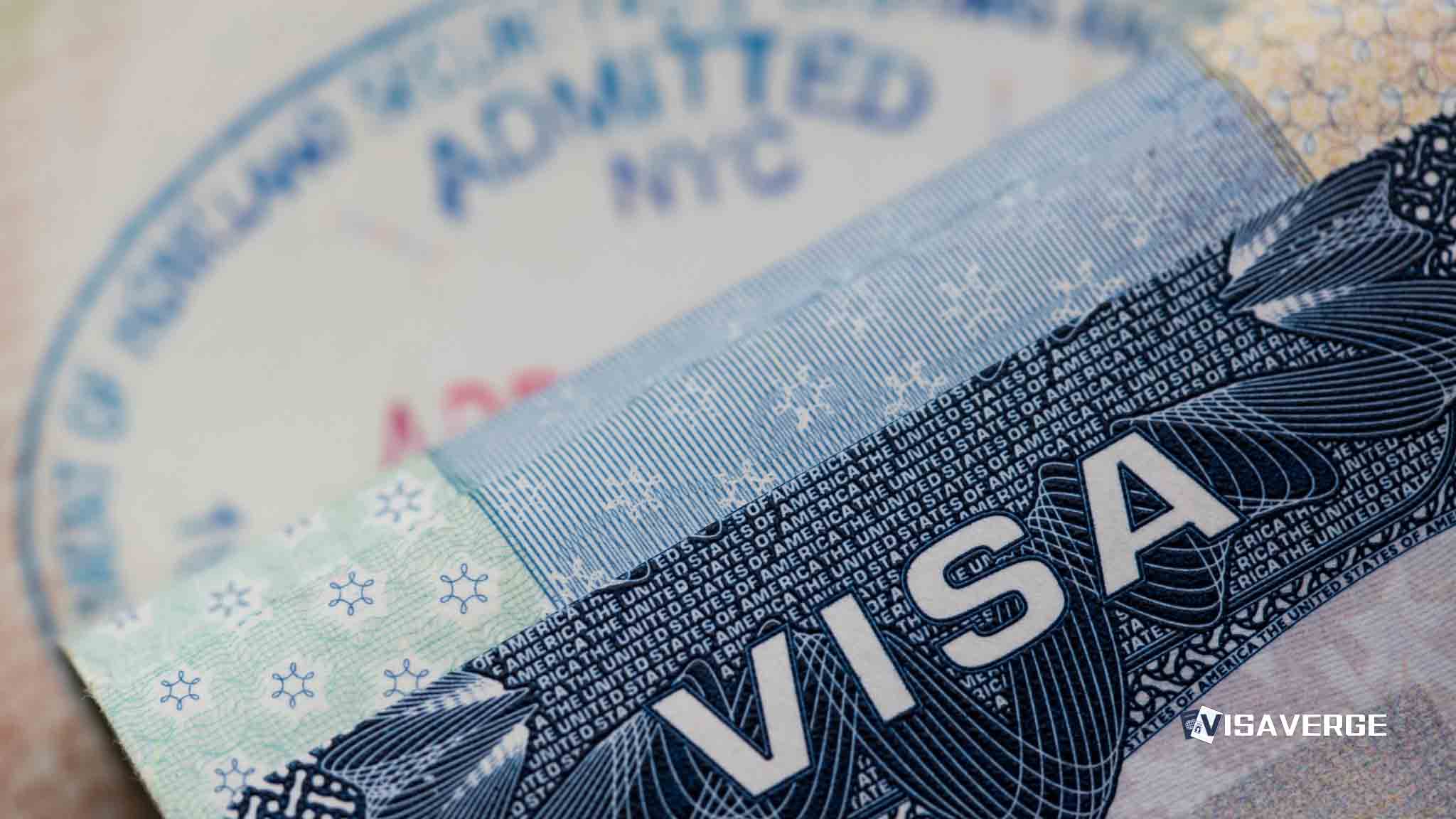
– A valid passport and the correct visa stamp, if required for your travel pattern
– Proof of current employment and role, such as a recent employment verification letter
– Information that matches the petition details, including worksite and job title
– Contact details for the employer’s immigration team, if available
Answering questions clearly matters. So does consistency. If you changed worksites, moved, or shifted to hybrid work, an immigration attorney can help confirm what documents and approvals may be needed before you fly.
Know your options if you are repeatedly screened
Repeated secondary inspection can happen because of similar names, data errors, or recurring flags in travel records. When it feels unfair or plainly wrong, formal remedies exist.
- DHS TRIP (Travel Redress Inquiry Program) lets travelers request correction of erroneous data that may trigger extra screening.
- Keep a simple log: dates, flight numbers, airports, and what happened during questioning and inspection.
- Ask to speak with a supervisor during inspection when appropriate.
- Seek legal counsel in complex situations, especially when a traveler is worried about admissibility or a status-related allegation.
✅ What H‑1B travelers should do now: verify travel documents, prepare for potential secondary inspections, and consider filing a DHS TRIP case if unfairly targeted.
Why employers should pay attention, too
Re-entry is part of employment continuity. If an H‑1B worker is delayed in secondary inspection or faces an unexpected status dispute, the impact can reach project timelines, start dates, and payroll.
Many companies now:
– Build buffer time into return flights
– Avoid same‑day connections after U.S. arrival
– Keep updated employment letters ready for travel
That planning is especially relevant under the biometric entry‑exit system that took effect on December 26, 2025.
Travel is still possible. It just needs more room for inspection.
Disclaimer
This article discusses immigration policy changes and screening procedures. Information is time‑sensitive and subject to evolving regulations. Readers should consult official sources or an immigration attorney for personalized guidance.
YMYL language is used to describe potentially sensitive legal and regulatory information; verify details with USCIS.gov, dhs.gov, and cbp.gov.
The U.S. government has expanded biometric data collection and digital screening at ports of entry. As of late 2025, non-citizens face mandatory facial scans and rigorous document verification. H-1B workers specifically must prepare for detailed questioning regarding their employment status and worksite locations. While most travelers pass primary inspection quickly, about 3% are referred to secondary screening for further verification of their admissibility and identity.