(WASHINGTON) — Central Washington orchards kept picking apples and other crops across Central Washington orchards in late 2025 even as deportation fears rose under Trump administration enforcement, with industry leaders saying some workers avoided traveling for jobs they once would have taken.
“more reluctance to feel free to move around and look for work,” choosing jobs closer to home that felt safer
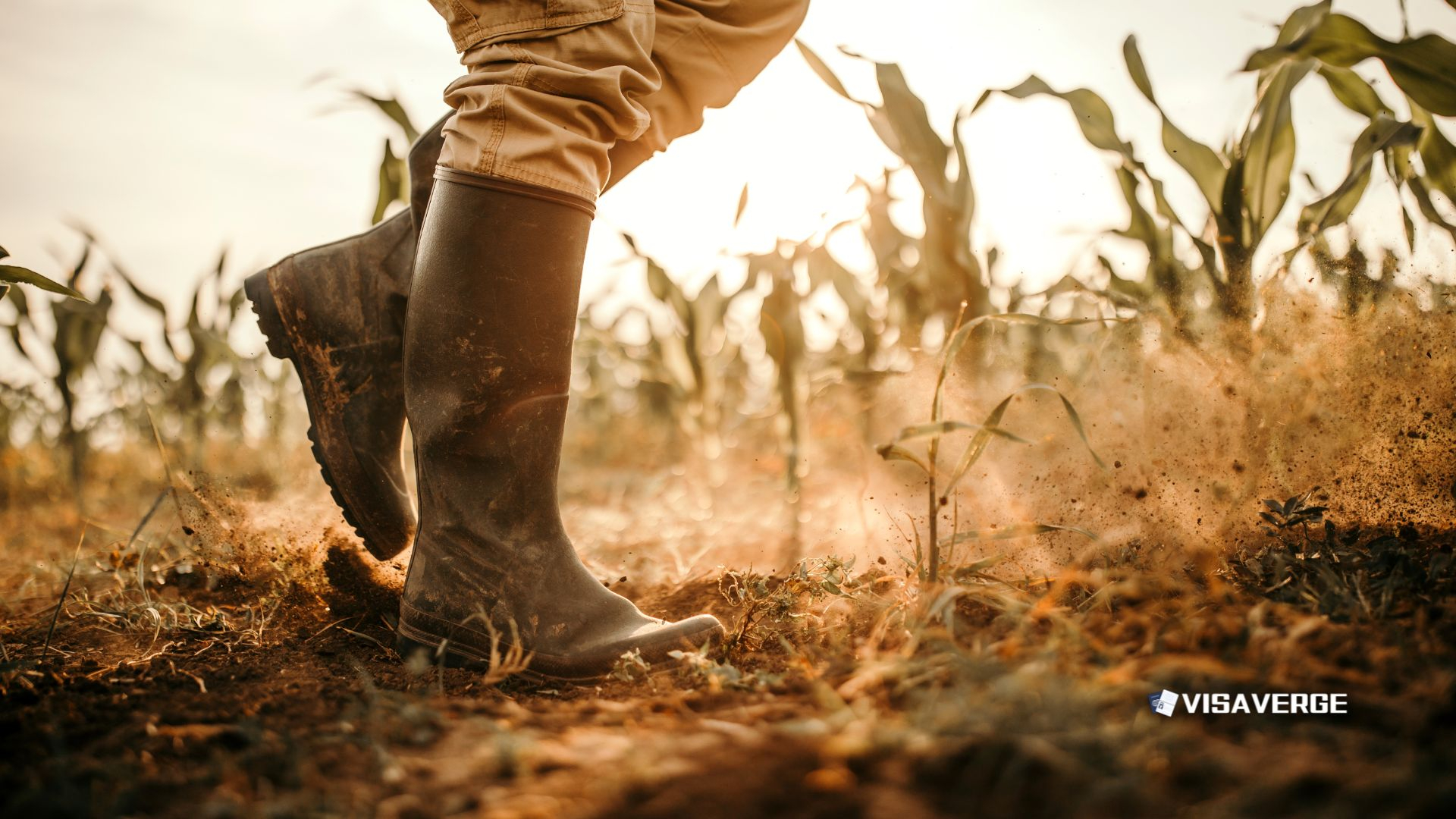
Workers showed “more reluctance to feel free to move around and look for work,” choosing jobs closer to home that felt safer, according to industry leaders cited in the report.
Jeff Luckstead, a professor of agricultural economics at Washington State University, warned that deportations could squeeze an already tight workforce.
“The real issue is there’s this relatively small labor supply, and if mass deportation occurs, that’s going to shrink the labor supply further. Simple supply and demand tells us that’s going to drive the wage rate up. The issue with H-2A visas is they’re expensive for farmers. There is a large overhead cost.”
No workplace raids were reported in Central Washington orchards or packing plants during the 2025 fall harvest, but targeted Immigration and Customs Enforcement enforcement increased detentions statewide, the report said.
Washington hosts over 340,000 unauthorized immigrants, ninth highest in the U.S., based on 2022 Office of Homeland Security Statistics data cited in the report. A significant portion work in the state’s $12.8 billion agriculture sector spread across 35,900 farms, 95% family-owned, according to Washington State Department of Agriculture figures included in the report.
Nationally, over 70% of agricultural workers are foreign-born, many undocumented, the report said. The Congressional Research Service estimated 35% of U.S. crop workers in 2024 lacked legal authorization.
In the Yakima Valley, 2025 harvest volumes were described as stable despite the anxiety and the reluctance to travel. The report also said that unpicked fruit visible in Central Washington orchards reflected market conditions, not immigration enforcement.
Specific detentions elsewhere in Washington underscored why fear persisted, the report said. The cases included the detention of 37 workers at Mount Baker Roofing in Bellingham and the arrest of Alfredo Juarez, a longtime farmworker and labor rights advocate in Sedro-Woolley.
Expect disruption from enforcement waves and wage adjustments to influence labor supply. Relying on undocumented workers is riskier; delays or raids can leave fields unharvested and prices volatile.
Those enforcement worries played out alongside shifts in migration patterns cited in the report, including 592 voluntary departures in February 2025 rising to 4,241 by July. The report described the trend as part of the national backdrop shaping how farmworkers, including undocumented workers, weighed the risks of traveling for work.
With farmers still facing labor shortages, some growers leaned more heavily on the H-2A visa program, even as they warned it can be out of reach for smaller operations. The report said usage has “increased dramatically,” while small farms struggle most, attributing that assessment to Gallardo, described in the report as an agriculture expert.
Luckstead said the economics could push farms toward consolidation if deportations reduce the labor pool and wages rise. Larger operations could be better positioned to absorb the overhead tied to H-2A hiring, while smaller farms might not, the report said.
A June 2025 Labor Department update reduced H-2A hourly wages and allowed housing cost deductions from pay, according to the report. Ramon Franks, described in the report as a farmworker advocate, criticized the changes in blunt terms.
Monitor Labor Department updates (AEWR changes, housing deductions) and October shutdown impacts. Set alerts for policy shifts so you can adjust hiring plans before peak harvest windows.
“Franks called wage cuts “a really big deal. an overall attack on farm workers that already are some of the poorest workers in the state.” He also said the Farm Workforce Modernization Act has left workers “in limbo,” according to the report.”
Federal disruptions added another layer of uncertainty for growers and farmworkers. The report said an October 1 government shutdown suspended processing under a Labor Department notice titled “Training and Employment Notice, No. 02-25,” delaying applications until mid-October updates.
Florida Fruit and Vegetable Association warned that the interruption threatened production, the report said. It also cited a proposed October 2 rule that would cut the adverse effect wage rate (AEWR) because of a “current and imminent labor shortage exacerbated by. increased enforcement,” while also warning the change risked food shortages.
The report described a political split in Washington as Trump administration officials pushed expanded access to H-2A while prioritizing deportations. It said Agriculture Secretary Brooke Rollins promoted H-2A expansion and pointed to a June 23 Labor Department memo that established an Office of Immigration Policy to streamline processing.
“The mass deportations continue, but in a strategic way, and we move the workforce towards automation and 100% American participation. With 34 million people, able-bodied adults on Medicaid, we should be able to do that fairly quickly,” she said, according to the report.
Tom Homan, described in the report as the border czar, affirmed there would be no amnesty while saying “options for farms” were under discussion in September 2025.
Farm groups and labor advocates cited in the report diverged over what would work best, including whether amnesty for agricultural workers should take priority over expanding H-2A. The report said the United Farm Workers and Washington Growers League were among those calling for reform, and it noted there was no major congressional action amid the October shutdown and recess.
John Walt Boatright, American Farm Bureau Federation government affairs director, framed the program as a stopgap rather than a long-term fix.
“The H-2A program is not the sustainable solution, but it is a short-term solution,” Boatright said, according to the report.
Daniel Costa, an Economic Policy Institute researcher, criticized the approach in starker language.
“Basically, they’re saying, ‘We want workers, but we don’t want people,’” Costa said, according to the report.
The report said Washington growers worried that mass deportations could push up consumer prices, weaken the state’s apple export competitiveness, and hit small farms hardest. It also described the risk of accelerating consolidation, as smaller farms face higher labor costs or struggle to pay the overhead tied to H-2A hiring.
Across the country, the report said, roughly 750,000 immigrants have left the labor force since January 2025, citing a Pew estimate. It also cited examples of strain and disruption in other states, including unharvested fields reported in California, Pennsylvania dairy sales, and labor shortages in Idaho.
In Washington’s orchards, the report described a workforce still showing up despite the fear, with farmworkers continuing to harvest even as enforcement elsewhere in the state made the threat of deportation feel closer. Franks, the farmworker advocate, argued the policy shifts and wage changes were compounding pressure on a labor force he described as already among the state’s poorest workers.
Washington’s agricultural industry is grappling with labor instability as 2025 deportation fears discourage migrant workers from traveling for harvests. While production remains steady in the Yakima Valley, experts predict that a shrinking labor pool will force wage increases and industry consolidation. Growers are caught between a need for labor and the high costs of legal visa programs, while advocates criticize recent wage cuts as attacks on poor workers.