(MINNEAPOLIS, MINNESOTA) Minnesota Governor Tim Walz is set to appear with Twin Cities leaders on Tuesday, December 23, 2025, at 10:30 a.m. CT, to press federal officials about ICE activity in the region under Operation Metro Surge, after local leaders said the sweep has spread fear in immigrant neighborhoods and raised alarms that U.S. citizens have been detained during the fast-moving push.
Who is appearing and why
Governor Walz will be joined by:

- Minneapolis Mayor Jacob Frey
- St. Paul Mayor Melvin Carter
- Bishop Richard D. Howell, Jr.
- Unidos MN Executive Director Emilia Gonzalez Avalos
- Other faith and community leaders
Organizers say the news conference will focus on public safety, reports that ICE is “targeting” U.S. citizens, and concerns about a lack of due process during the current round of immigration enforcement.
Background on Operation Metro Surge
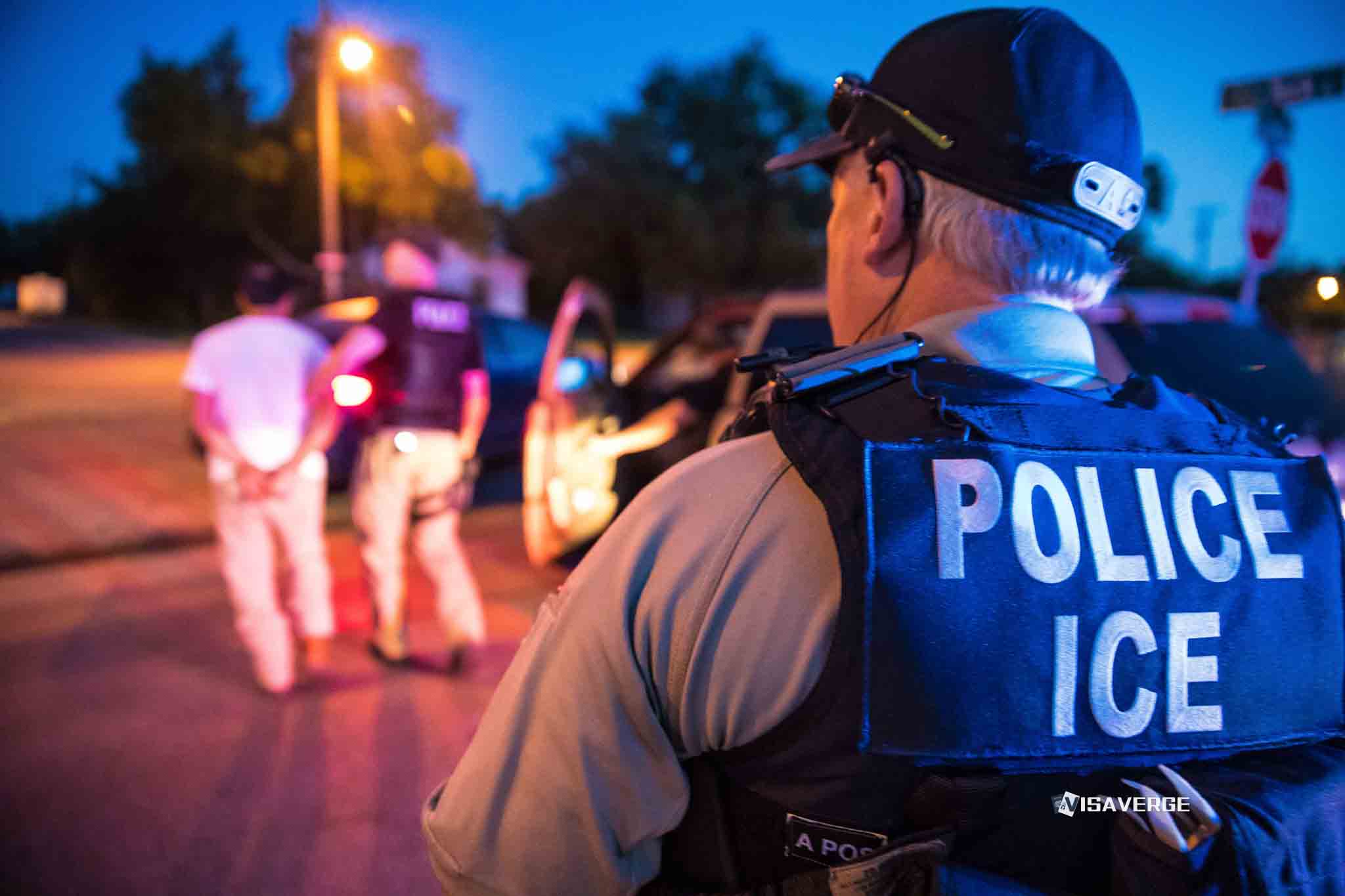
Operation Metro Surge began in early December and has centered heavy federal attention on the Twin Cities’ Somali community.
- Officials say the operation is aimed at people with deportation orders.
- The surge followed President Trump’s remarks calling the Somali community “garbage”, his order to reexamine green card holders from Somalia and other countries, and the ending of temporary protected status for Somalis.
Federal agencies have reported large numbers tied to the operation:
| Agency | Reported number |
|---|---|
| ICE | Over 400 undocumented immigrants arrested since the start |
| Department of Homeland Security | Hundreds taken into custody |
Local backlash, however, has concentrated less on totals and more on day-to-day effects — workers staying home, families skipping errands, and residents fearing routine stops could turn into prolonged detentions while identity records are checked.
Specific incidents raising alarm
Two incidents have intensified the dispute over the operation’s conduct:
- Leaders say at least two confirmed U.S. citizens were detained during the operation.
- One person identified as Mubashir was detained in Cedar-Riverside and held until his status was verified.
- Another U.S. citizen was detained in downtown Minneapolis and held for over 24 hours.
- Local leaders cite these cases as evidence that, despite the operation’s stated target of people with removal orders, citizens and lawful residents can be swept up, with consequences for jobs, school, and family life.
State and city responses
Governor Walz has escalated the issue to the federal level:
- He sent a letter to Homeland Security Secretary Kristi Noem requesting a review of the operation.
- The request reflects concerns that federal agents are operating at a pace that reduces opportunities for checks, quick access to lawyers, or clear explanations to families searching for missing relatives.
City actions and clarifications:
- Minneapolis and St. Paul police are reported not to be involved in the operation.
- Local leaders emphasize that distancing city police from federal immigration enforcement matters for public safety; when police are perceived as part of immigration enforcement, witnesses may stop reporting crimes and victims may avoid seeking help.
- In St. Paul, officials issued a cease-and-desist order to DHS over ICE’s use of city parking lots, signaling a challenge to how federal agents use local space and resources.
Public reaction and protests
The atmosphere has spilled into visible protest and unrest:
- Thousands marched along Minneapolis’ Lake Street corridor to protest the enforcement push.
- Demonstrators described the surge as sweeping and unpredictable, illustrating how immigration enforcement can rapidly reshape civic life in communities with long histories of immigration.
Incidents of violence and safety concerns
The operation has included dangerous moments:
- On Sunday morning in St. Paul, a federal agent fired at a motorist who hit the agent; the suspect was unharmed and arrested.
- Such incidents add complexity to public debate about what it means when armed federal operations move through busy neighborhoods and everyday traffic amid heightened stress.
Arguments from supporters and critics
Supporters of the enforcement argue:
- Immigration rules work only when removal orders are carried out, and targeted arrests are necessary to protect the public.
Critics in the Twin Cities counter:
- Even “targeted” operations can cast a wide net when agents act quickly and rely on databases, street encounters, and rapid identity checks.
- As a result, U.S. citizens and lawful residents can end up detained while they prove their status.
Local leaders also highlight the emotional impact on Somali neighborhoods, where recent statements and policy moves have left many residents feeling singled out and under suspicion — even if they have lived in Minnesota for years or are U.S. citizens.
Due process and locating detainees
Walz and the mayors intend to argue that due process is a core protection, not a technicality. When people are detained:
- Families often scramble to locate them, confirm where they are being held, and determine what rights they have.
- ICE provides an online system to help locate detainees: the agency’s official Online Detainee Locator System at ICE.gov.
- Advocates caution the system may not show a person immediately after arrest, and families may still need to contact detention sites or seek legal assistance.
Broader impacts beyond arrests
Analysis by VisaVerge.com notes that spikes in enforcement frequently produce a second wave of harm not reflected in arrest numbers:
- Missed work shifts
- School absences
- Fewer people seeking medical care
- Declines in crime reporting due to fear of interaction with authorities
These ripple effects can significantly affect community wellbeing and local economies.
Key takeaway: Even operations framed as targeted removals can produce broad community disruption — detaining citizens by mistake, reducing public cooperation with police, and creating fear that limits daily life.
The immediate question ahead
Organizers said the news conference will be streamed live on CBS Minnesota’s player and YouTube, with local outlets such as KSTP-TV expected to carry updates as leaders lay out next steps.
For residents, the immediate questions are:
- Will federal officials adjust Operation Metro Surge in response to state and local concerns?
- Will warnings about citizen detentions prompt clearer safeguards during enforcement?
These issues come at a moment when immigration enforcement has become both highly visible and deeply personal in Twin Cities daily life.
Governor Walz and Twin Cities leaders are demanding a federal review of ICE’s Operation Metro Surge. Concerns center on the detention of U.S. citizens, lack of due process, and the targeting of the Somali community. While federal authorities report hundreds of arrests, local officials argue the tactics undermine public safety by destroying community trust and causing significant social and economic disruption in immigrant neighborhoods.